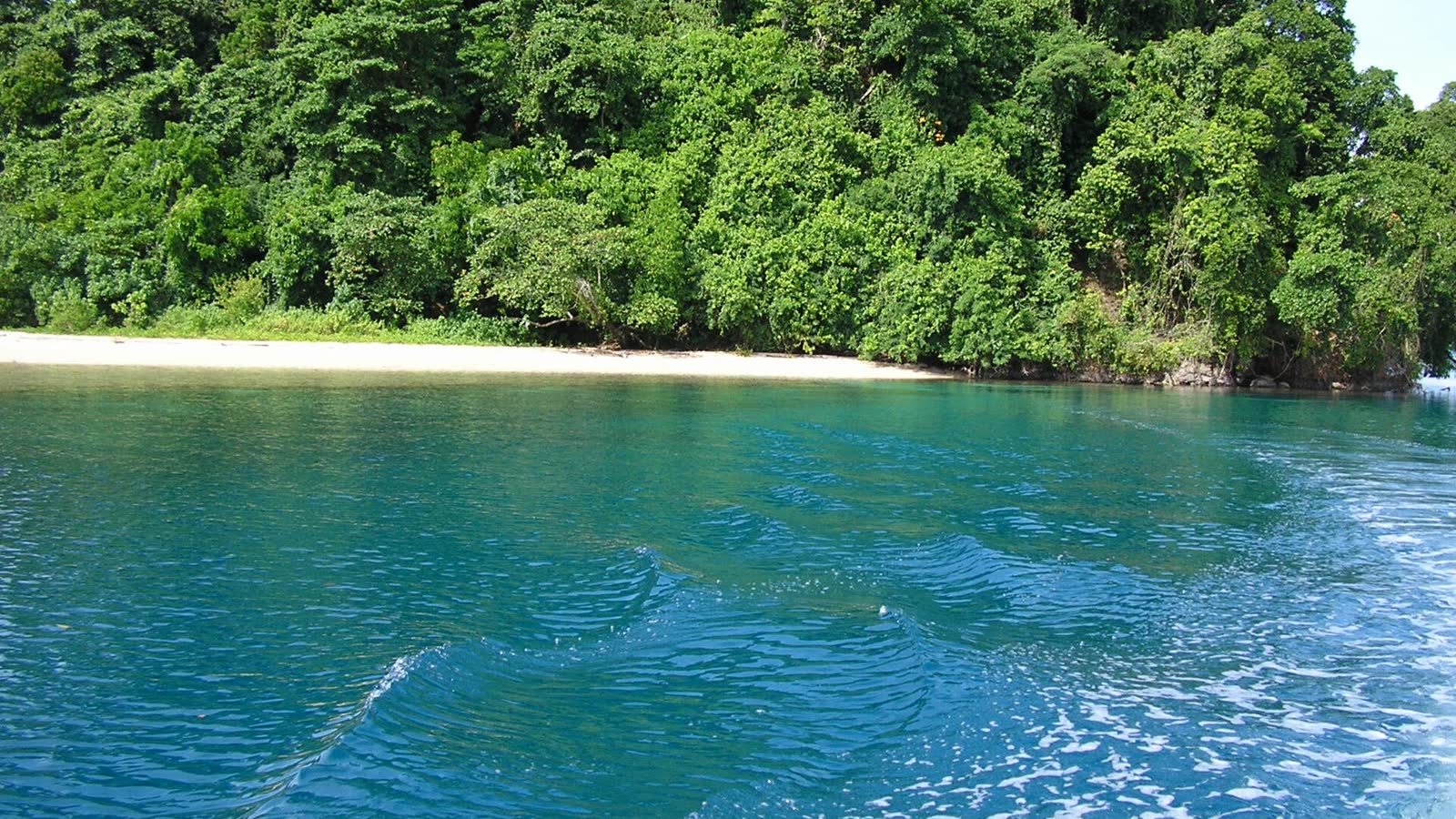
Kimbe Bay islands, Photo: Kimbe at en.wikipedia, CC BY-SA 3.0, via Wikimedia Commons
Find your Bliss in Papua New Guinea
Papua New Guinea, made clear: highland festivals, reefs and the Sepik
Papua New Guinea is one of the last great adventures: more than 800 languages, highland sing-sings, the Kokoda Track, smoking volcanoes at Rabaul and some of the richest reefs on earth. It also asks more of a traveller than most places. This guide explains safety, flights, money and culture in plain words, so you can go with confidence.
Your trip, step by step
- Before you goVisa, vaccines, insurance and current travel advice, answered plainly
- LandingPort Moresby's Jacksons airport, cash and your first night, explained
- Your days in PNGFestivals, treks, dives and river villages, planned around flights
- Home againDeparture checks so the last day is as calm as the first
Where to go, eat and stay
- Honest firstWe explain where crime is a real concern and how visitors manage it.
- Official sourcesVisa, health and safety facts point to the official pages to confirm.
- No price surprisesWe explain why PNG is costly and where the money goes.
- Free to useEvery guide and the trip planner are free.
Our promise
Papua New Guinea rewards the traveller who arrives prepared. We set out the risks, the rules and the joys in plain words, so you can plan with confidence and find your Bliss in a country unlike any other.
Visiting family in Lae, Goroka or a home village after years in Australia or abroad? This guide was written with you in mind too.
How to use this guide
Four steps from first idea to a trip you feel sure about.
- Read the adviceStart with your government's travel advice and check your insurance covers PNG and evacuation.
- Sort the essentialsVisa, vaccines, malaria tablets and cash, checked against official sources.
- Pick your placesUse our places to visit list for lodges, markets, dive spots and festivals.
- Plan your routeUse the free trip planner to fit your days around domestic flights and festival dates.
Everything your Papua New Guinea trip needs
Free tools and guides for every stage of the journey.
Destinations
Port Moresby, the Highlands, Kokoda, Madang, Rabaul and the Sepik, each explained in depth.
Explore destinationsPlaces to visit
More than a hundred lodges, markets, reefs, museums and festivals, from classics to quiet corners.
See places to visitFlights and stays
Search flights into Port Moresby and stays across the islands and Highlands.
Plan travelPlaces finder
Sights, food and stays mapped around each base.
Find placesFree trip planner
Tell us your dates and interests and shape a realistic route.
Plan your tripAsk a question
Something not covered here? Send us a message.
Contact us
The classic PNG route
Highlands, coast and islands
Most first visits start in Port Moresby, fly up to Mount Hagen or Goroka for the Highlands and their August and September shows, then drop to the coast at Madang or across to Kokopo and Rabaul on New Britain. Divers add Kimbe Bay or Milne Bay; adventurers add the Kokoda Track or the Sepik River.
- The Mount Hagen and Goroka shows
- Volcanoes and wartime history at Rabaul
- Reefs and WWII wrecks at Madang
- The Kokoda Track and the Sepik River
Start with the destinations
See how the Highlands, coast and islands fit together.
Papua New Guinea destinationsPlan around the flights
A route that respects the distances
Roads link few parts of PNG, so almost every route is built on domestic flights that can change at short notice. Our free planner helps you leave buffer days and book festivals well ahead.
- Buffer days for flight changes
- Festival dates booked early
- Where to base yourself
Where to go in Papua New Guinea
From the capital and the Highlands to the volcanic islands and the great Sepik River.
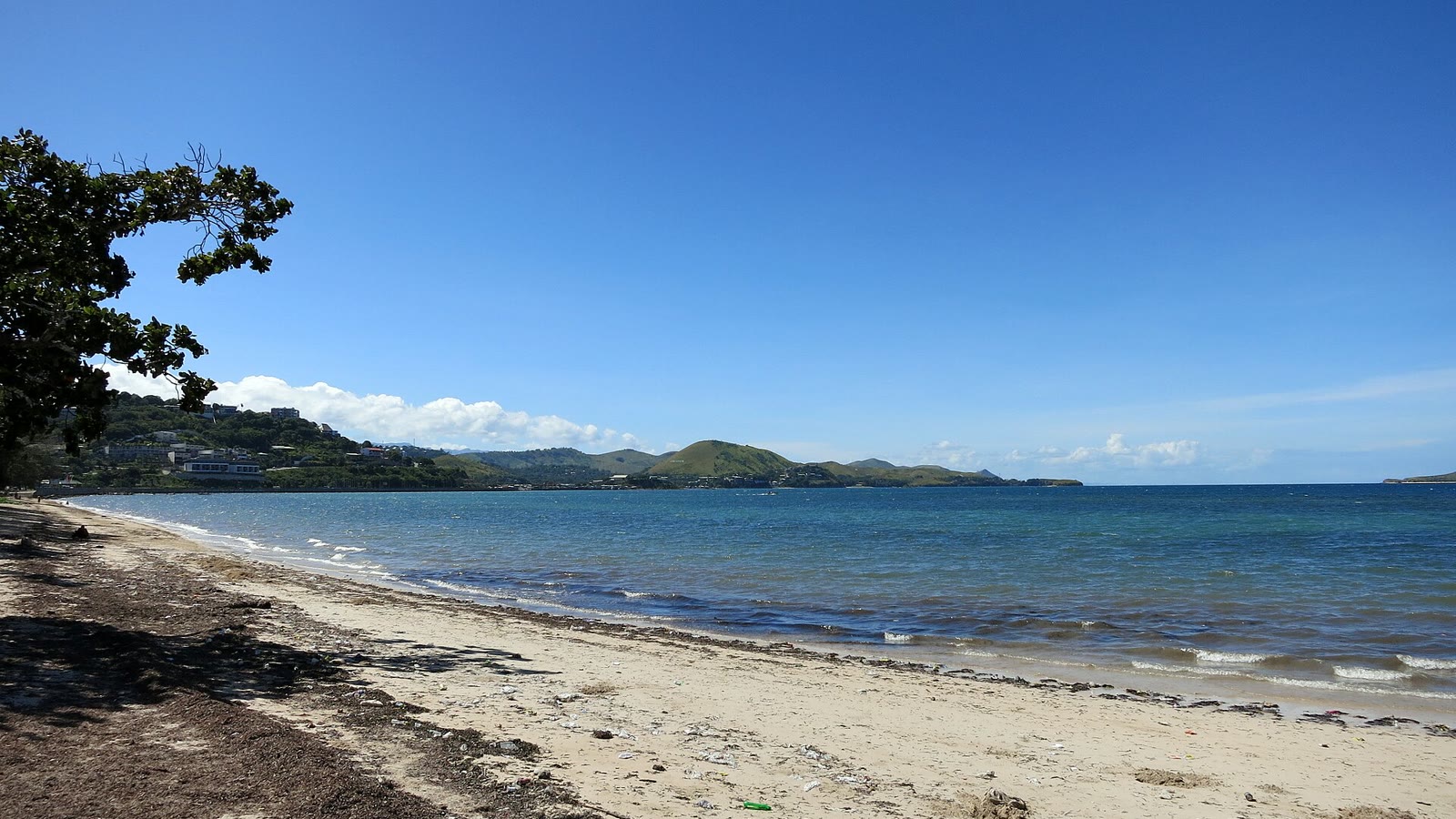
Central Province, Papuan coast
Port Moresby
PNG's capital and main gateway, a harbour city of hills, stilt villages and national treasures.
Read the guidePhoto: Nick-D, CC BY-SA 4.0 , via Wikimedia Commons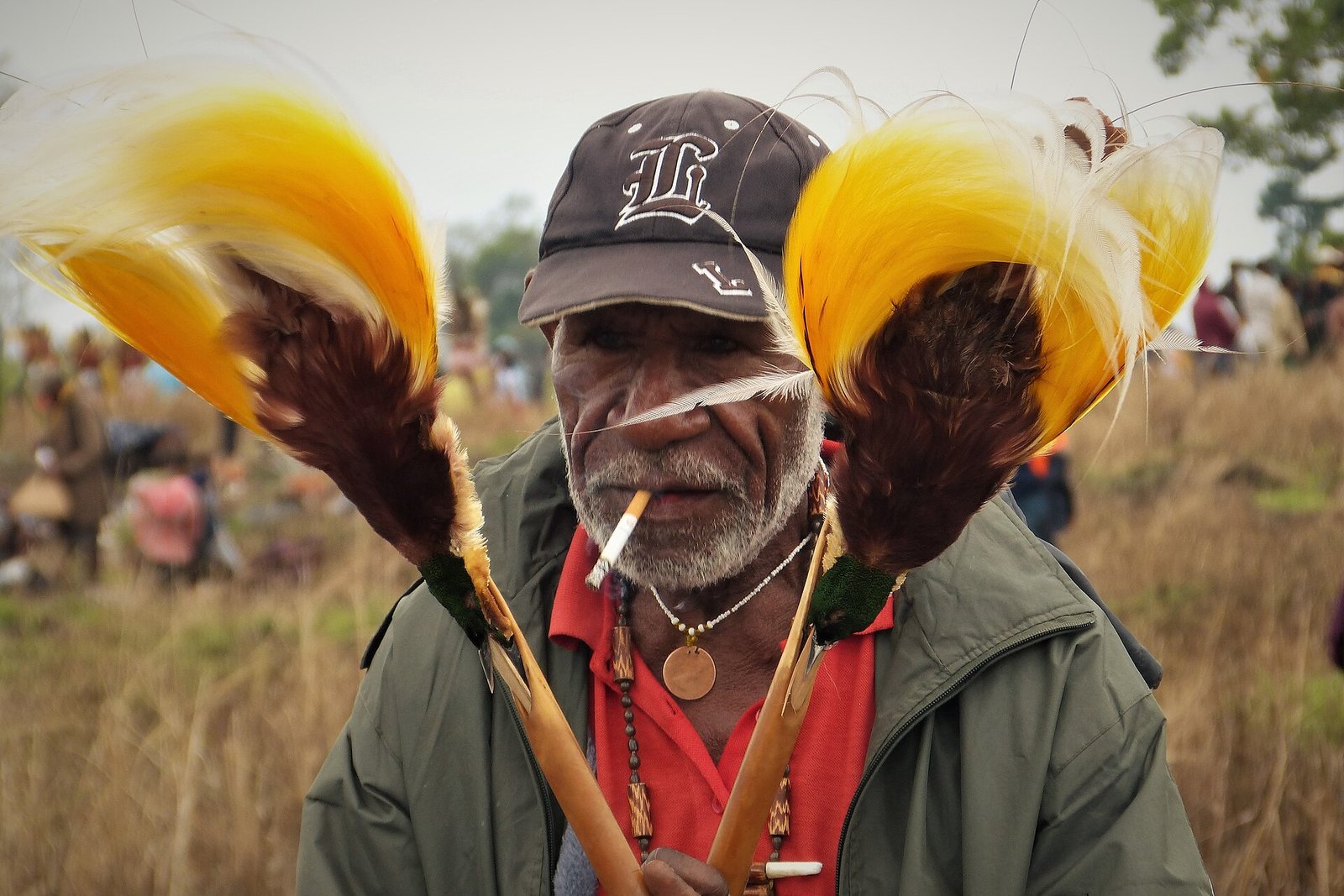
Western Highlands Province
Mount Hagen
The bustling market town of the Western Highlands, home of PNG's most famous cultural show.
Read the guidePhoto: gailhampshire from Cradley, Malvern, U.K, CC BY 2.0, via Wikimedia Commons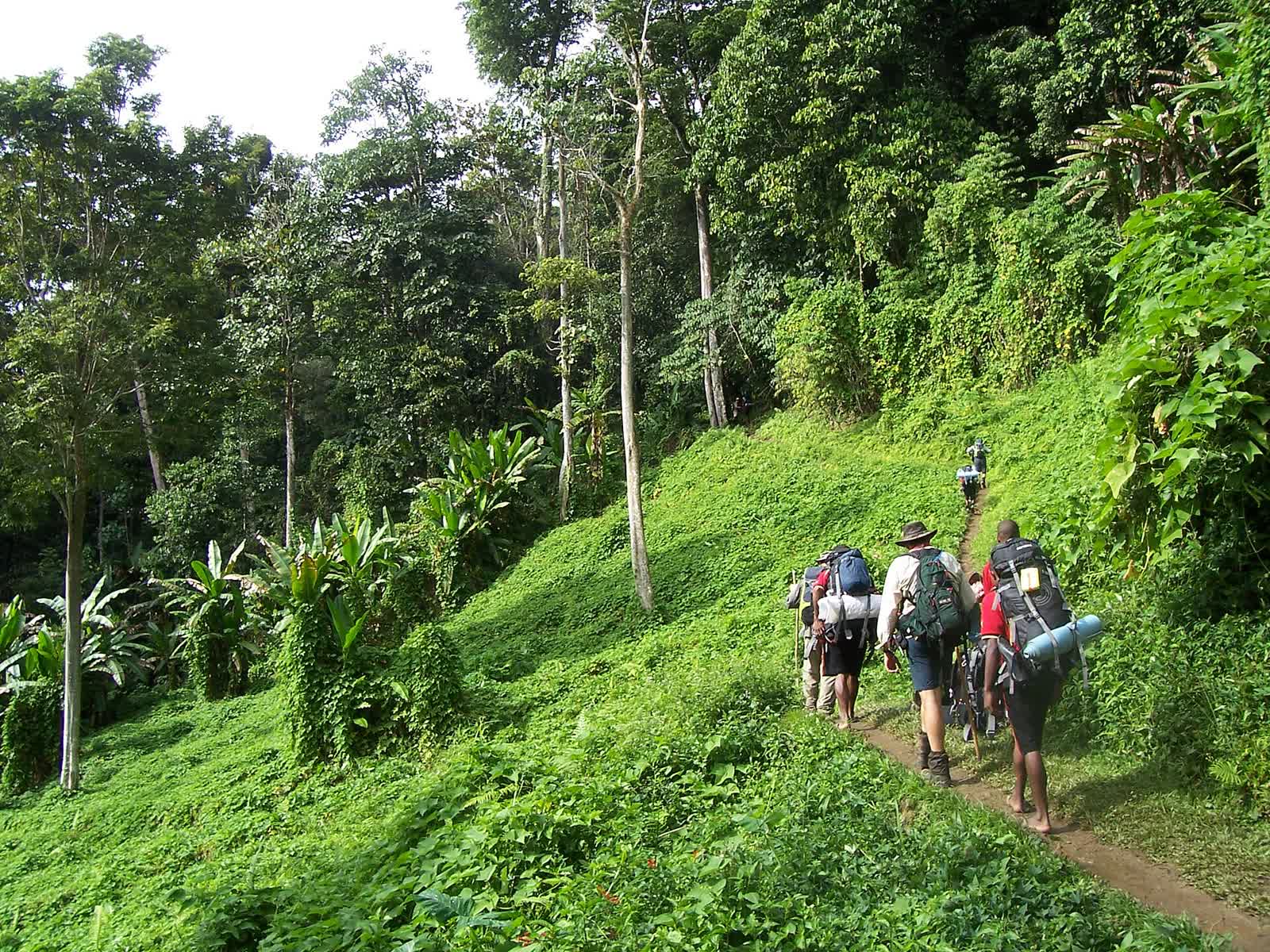
Central and Oro provinces
Kokoda Track
A tough 96 kilometre trek across the Owen Stanley Range, following the 1942 campaign.
Read the guidePhoto: Luke Brindley, CC BY-SA 4.0 , via Wikimedia Commons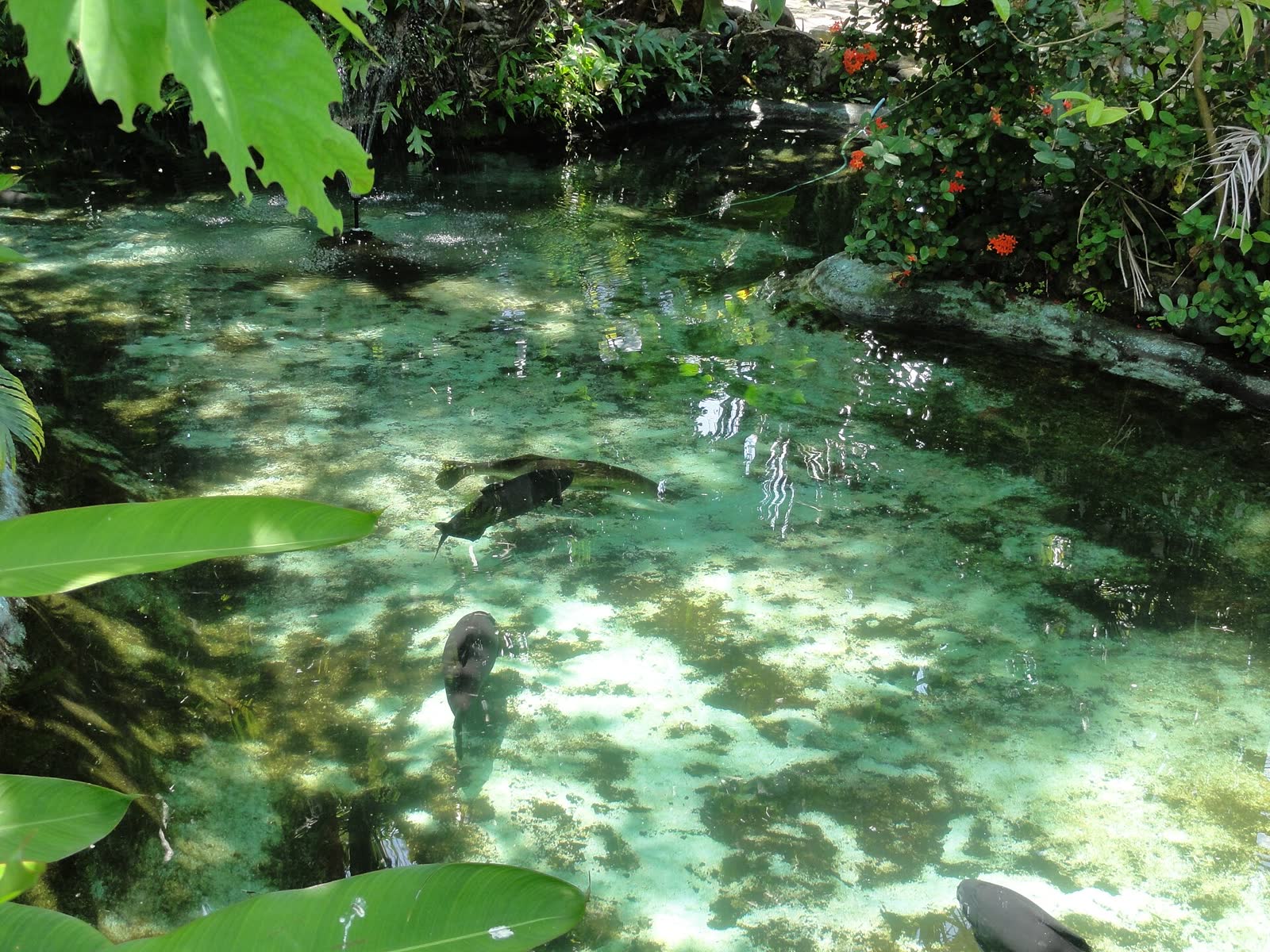
Madang Province, north coast
Madang
A leafy harbour town on the north coast with excellent diving and nearby islands.
Read the guidePhoto: eGuide Travel, CC BY 2.0 , via Wikimedia Commons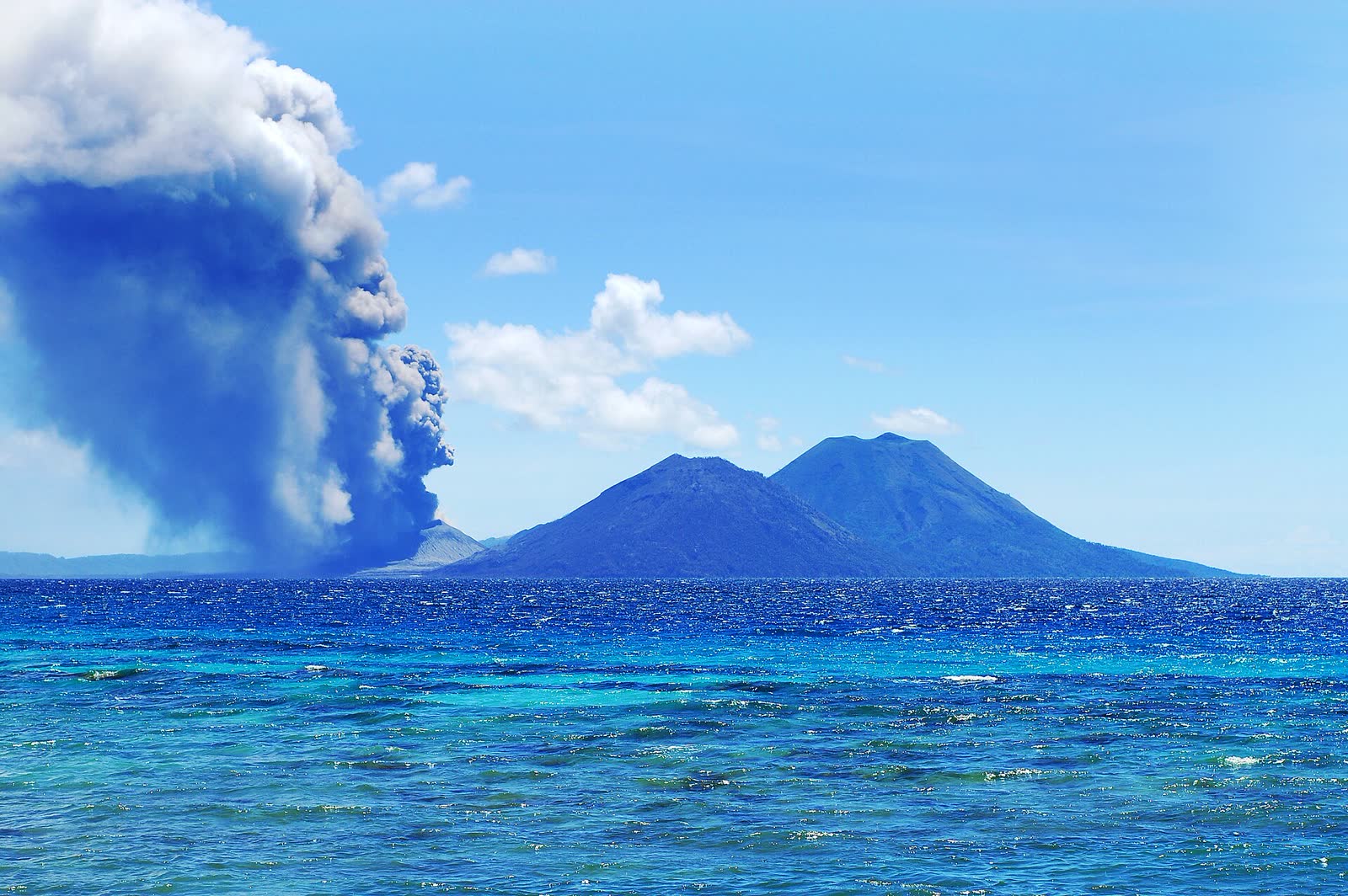
East New Britain Province
Rabaul and Kokopo
Volcanic harbour towns on New Britain, full of wartime relics and Tolai culture.
Read the guidePhoto: Taro Taylor, CC BY 2.0 , via Wikimedia Commons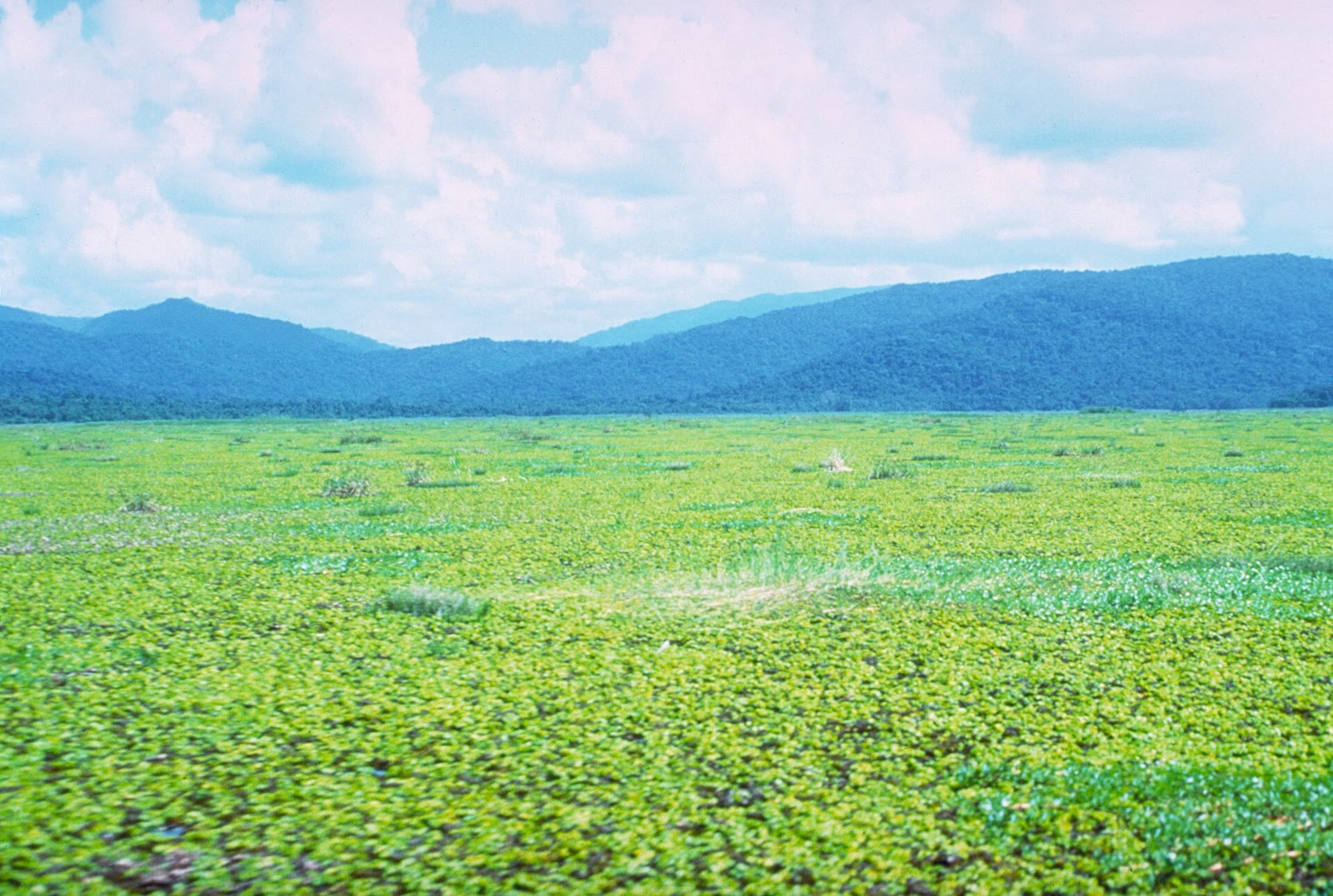
East Sepik Province
Sepik River
One of the world's great rivers, lined with villages famous for art and ritual.
Read the guidePhoto: division, CSIRO, CC BY 3.0 , via Wikimedia Commons
A note from our founder
A note from our founder
My first time visiting Kenya, I was genuinely surprised with how fast it began feeling like home. The people are so friendly, the food is delicious and familiar, and the accommodations are modern and upscale.
During my travels throughout the continent, I commonly hear tourists share stories about being scammed or taken advantage of, which is both frustrating and disheartening.
Living in Kenya for the last 2 years, I have had the great fortune to meet a network of wonderful Kenyans who have continuously help guide my family's journey. Their shared knowledge has not only greatly enhanced our overall experience here, but it has also saved us tons of time, energy, and resources.
With BlissPoint Travel, my hope is to build a global community that is willing to share useful, uncommon knowledge so that we can all blissfully enjoy the wonders our world has to offer.
Questions we hear most
Is Papua New Guinea safe for tourists?
Most visits pass without trouble, but serious crime, including armed robbery and carjacking, is a real risk, especially in Port Moresby, Lae and Mount Hagen, and tribal fighting affects parts of the Highlands. Visitors who stay in reputable lodges, travel with hotel transport or local guides and avoid walking after dark have far fewer problems. Read your government's current advice first.
Do I need a visa for Papua New Guinea?
Most visitors need a visa, and many nationalities can apply for an online tourist visa or a visa on arrival. The rules vary by passport and change, so check the PNG Immigration and Citizenship Service website before you book.
What is the best time to visit Papua New Guinea?
May to October is the drier season across much of the country and covers the big Highland shows in August and September. Some areas, including Lae and Alotau, have different rain patterns, so check the region you are visiting.
Is Papua New Guinea expensive to visit?
Yes, more than most of the Pacific. Domestic flights, lodges and guided treks are costly because so little is reachable by road. Budget travel is possible with guesthouses and village stays, but plan a mid-range or higher budget for comfort.
How do I get around Papua New Guinea?
Mostly by domestic flights with Air Niugini and PNG Air, plus boats along the coast and a few highways such as the Highlands Highway. Use hotel transport or trusted drivers rather than flagging vehicles on the street.
Do I need malaria tablets for Papua New Guinea?
Malaria is present in most of PNG below about 1,800 metres, so most travellers take antimalarials. See a travel health clinic around six weeks before you go and check official health advice.
Ready to plan Papua New Guinea?
Use the free trip planner to work out dates, flights and festivals, and read the latest official travel advice first.