At a glance
- Best for
- Sing-sings, highland culture and birds
- Airport
- Kagamuga Airport (HGU)
- Time needed
- Three to five days
- Best season
- May to October, with the show in August
- Altitude
- About 1,600 metres, cool nights
- Getting around
- Lodge vehicles and local guides
Why visit Mount Hagen
The Highlands were the last part of Papua New Guinea to be reached by outsiders, in the 1930s, and the cultures here remain vivid. Mount Hagen gives easy access to that world. Around it, coffee and tea gardens, sweet potato mounds and pine forest climb toward peaks such as Mount Hagen and Mount Giluwe, the country's second highest mountain.
The Mount Hagen Cultural Show
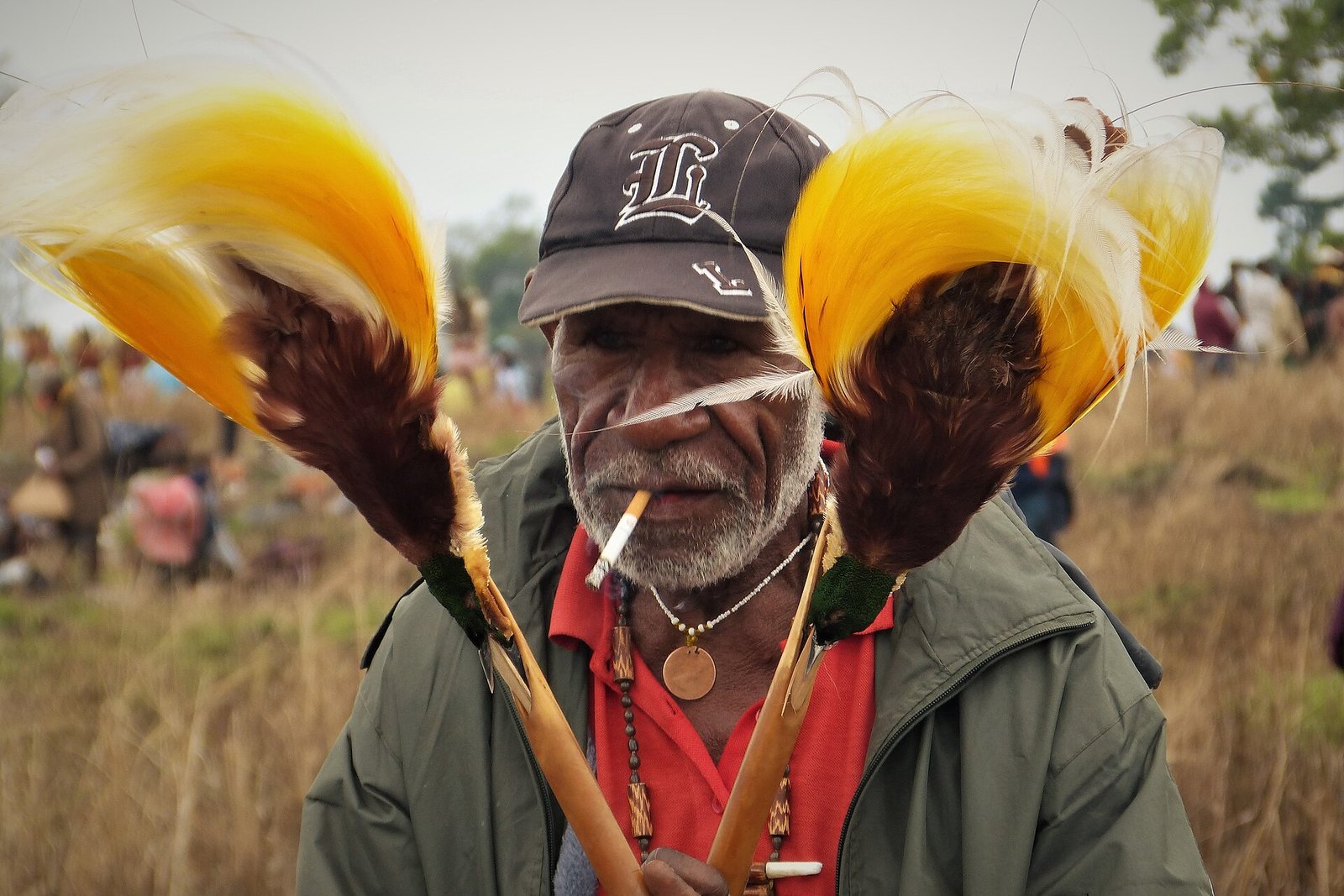
Held over a weekend in August, the **Mount Hagen Show** gathers dozens of groups from across the Highlands and beyond in feathers, shells, clay and paint. Melpa dancers in towering bird of paradise plumes, the mud men of Asaro and the wigmen of Hela share the ground. Photographers come from around the world. Book lodges and flights many months ahead, and check the dates with the organisers or the PNG Tourism Promotion Authority each year.
Lodges and nature
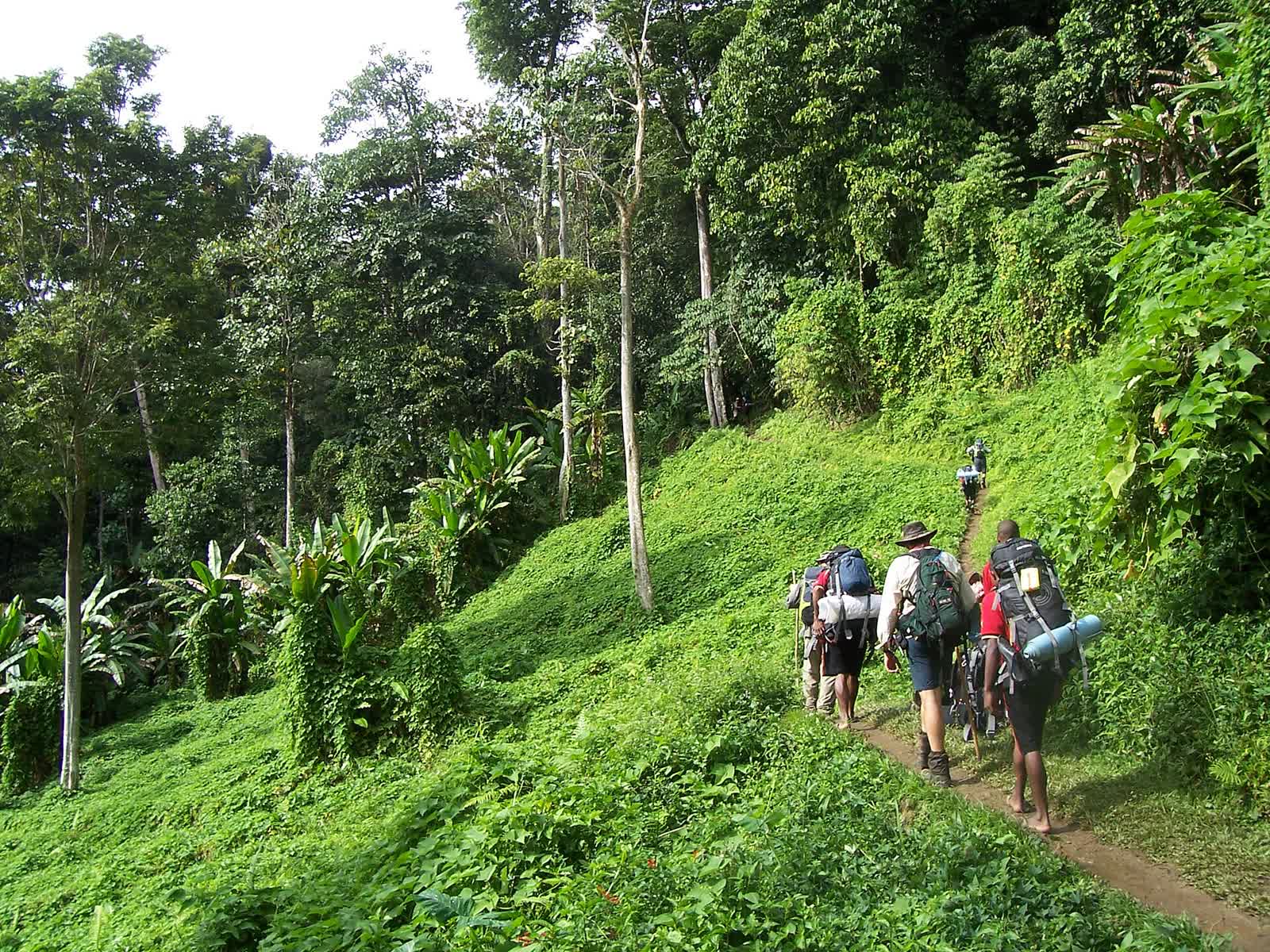
Some of the best Highland stays sit outside town. Lodges in the hills above the valley offer orchid gardens, guided walks and dawn trips to see birds of paradise, including the ribbon tailed astrapia and King of Saxony in the higher forests. **Paiya village** hosts its own smaller cultural show in August, and lodges can arrange visits to village sing-sings outside festival time.
Markets and town
The main **Mount Hagen market** is one of the largest in the country, piled with sweet potato, cabbages, strawberries, pineapples and betel nut, with a separate area for bilums and string bags. It is crowded and pickpocketing happens, so go in the morning with a guide. Coffee lovers can visit plantations, as the Western Highlands grows much of PNG's arabica.
Safety
Mount Hagen has problems with crime and periodic tribal fighting in the surrounding areas, and the Highlands Highway has had hold ups. Travel with your lodge's vehicle and a local guide, avoid the town after dark and follow your lodge's advice on any current tensions. Check government travel advice for the Western Highlands before you go.
Getting there
Air Niugini and PNG Air fly between Port Moresby and Mount Hagen. Goroka, home of the September show, is a few hours east along the highway or a short flight via Port Moresby. Use the free trip planner to combine both shows, and the places to visit list for lodges.
A suggested three days
Fly in on the morning flight and transfer straight to your lodge. Spend the afternoon on the lodge's garden trails and settle into the cooler air. The next day, take an early bird walk, then visit a village sing-sing group to see how the elaborate dress is prepared, with time at the Wahgi Valley lookouts on the way back. On day three, visit the market with your guide in the morning and see a coffee garden in the afternoon before your evening meal at the lodge.
Practical tips
Book lodge transfers from the airport in advance. Carry small notes for market purchases and village fees, which your guide will explain. Photography at shows is welcome, but ask before close portraits elsewhere. Dress in layers: mornings can be cold, middays warm and sunny, and afternoon rain is common. Bring a rain jacket even in the drier months.
Questions about Mount Hagen
When is the Mount Hagen Show?
It is usually held over a weekend in mid August. Exact dates change, so confirm with the organisers or the PNG Tourism Promotion Authority before booking.
Is Mount Hagen safe?
The town has crime and the region sees occasional tribal fighting. Most visitors stay at lodges outside town and travel with lodge transport and guides, which reduces the risk considerably.
How cold is Mount Hagen?
Days are mild and pleasant, but nights are cool at around 1,600 metres, and colder at higher lodges. Bring a fleece and a rain jacket.
Can I see birds of paradise near Mount Hagen?
Yes. Highland lodges arrange early morning walks with local guides to see several species, especially in the forests above the Wahgi Valley.
Facts checked . Fees, schedules and entry rules change, so always confirm the latest with the official source.