At a glance
- Best for
- Trekking, military history and village life
- Start points
- Owers' Corner or Kokoda village
- Time needed
- Eight to ten days on the track
- Best season
- April to October
- Permit
- Required from the Kokoda Track Authority
- Getting there
- Road from Port Moresby, flight to Popondetta
Why walk Kokoda
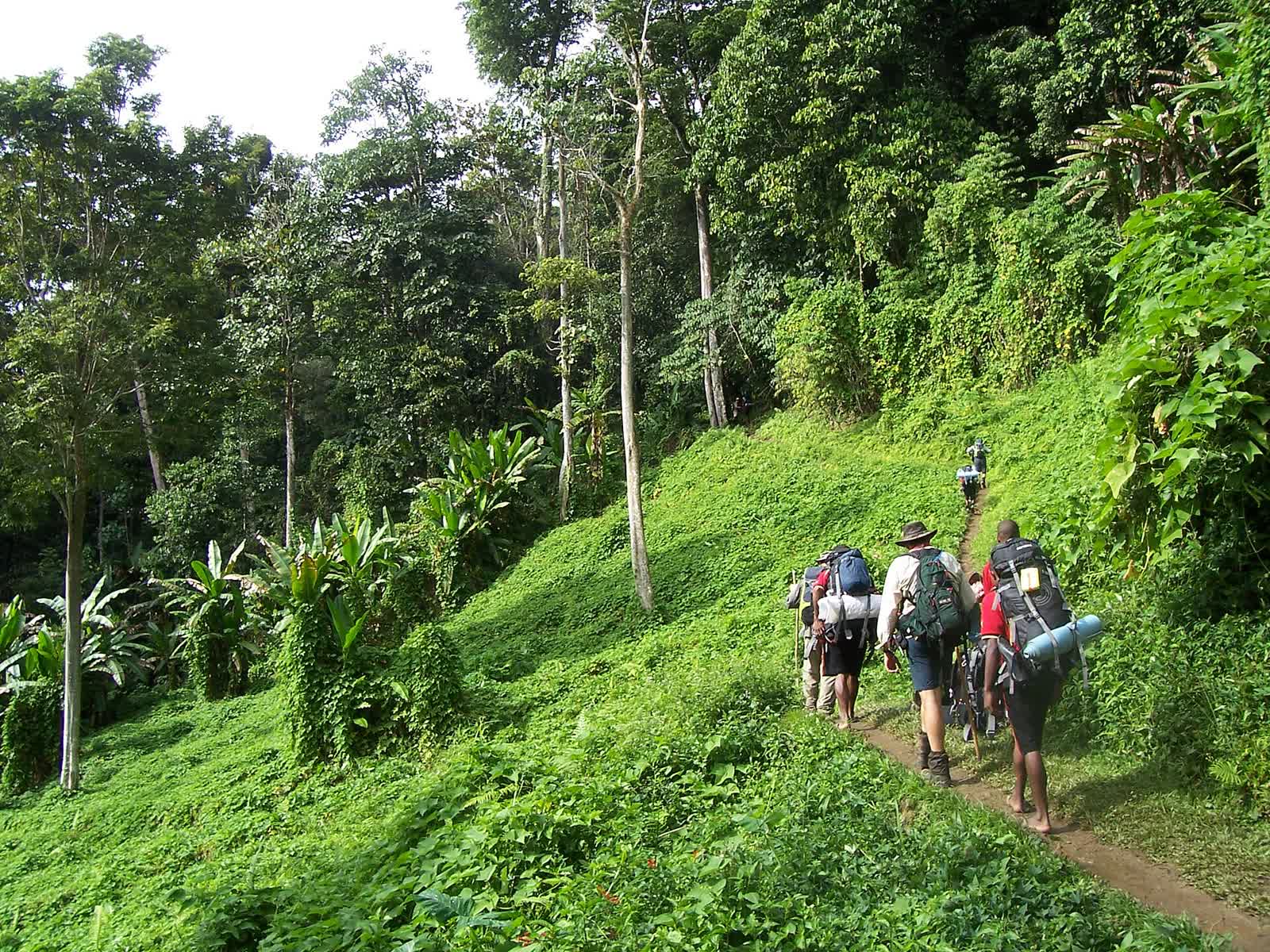
For many Australians, Kokoda is a pilgrimage. For everyone, it is one of the great treks of the Pacific. The path climbs and drops thousands of metres in total through rainforest, crossing ridges such as Imita, Ioribaiwa and Brigade Hill, where battles were fought, and passing villages such as Naoro, Efogi, Kagi and Alola. Local carriers, descendants of the wartime Fuzzy Wuzzy Angels, still walk with most groups.
What the trek is like
Most groups take eight to ten days. Days start early and involve long steep climbs on slippery roots, followed by knee jarring descents. You will cross rivers, camp or sleep in simple village guesthouses, and wash in streams. It is hard on the body even for fit walkers, so train with long hill walks carrying a pack for months beforehand.
Permits and operators
Every trekker needs a permit from the **Kokoda Track Authority**, and the track runs through customary land owned by local communities. Walk only with a licensed tour operator that employs local guides and porters and pays them fairly. Operators handle permits, food, flights to or from Kokoda, and the road to Owers' Corner. Check the Authority's list of licensed operators.
When to go
The main season runs from April to October, when the track is driest. It still rains, and mud is part of the experience. Anzac Day in April and the Kokoda anniversary dates in July and August are busy. The wet season from December to March is not recommended.
History along the way
The **Isurava memorial** stands on the battlefield with four granite pillars inscribed Courage, Endurance, Mateship and Sacrifice. Brigade Hill, Templeton's Crossing and Eora Creek all have stories your guide will tell. At the Port Moresby end, the **Bomana War Cemetery** is a fitting start or finish.
Health and safety
Bring a well tested first aid kit, blister care, a water filter and antimalarials, as the lower sections have malaria. Your operator should carry a satellite phone and an evacuation plan. Make sure your insurance covers trekking and medical evacuation. Disputes between landowners have occasionally closed parts of the track, so follow your operator's advice.
Plan your trek
Use the free trip planner to fit Kokoda with a few recovery days in Port Moresby or by the sea at Tufi or Madang.
Choosing a direction
Walking from Owers' Corner to Kokoda, the traditional direction, starts with the hardest climbs while you are fresh and ends with a flight back from Popondetta. Walking from Kokoda southward follows the wartime withdrawal and finishes at Owers' Corner, with Bomana a short drive away. Both are equally tough. Operators run both, so choose by dates and the story you want to follow.
What to pack
Good, broken in boots with strong grip, quick drying clothes, a light sleeping bag, a head torch, a rain jacket, walking poles and plenty of blister care. Your operator usually supplies tents and food, and porters can carry personal packs if you arrange it. Keep your passport, permit copy and insurance details in a waterproof bag. Bring small gifts or school supplies only if your operator says they are welcome, and follow their lead on how to give them.
Questions about Kokoda Track
How hard is the Kokoda Track?
Very hard. The track is steep, muddy and humid, with many thousands of metres of climbing over eight to ten days. Most trekkers train for three to six months.
Do I need a permit for Kokoda?
Yes. Every trekker needs a Kokoda Track Authority permit, normally arranged by your licensed operator. Check the current rules with the Authority.
Can I walk Kokoda without a tour operator?
It is strongly discouraged. Licensed operators arrange permits, landowner agreements, porters and evacuation plans, and support the communities the track crosses.
What is the best month to walk Kokoda?
June to September is usually driest, though April, May and October also work. Avoid December to March.
Facts checked . Fees, schedules and entry rules change, so always confirm the latest with the official source.