At a glance
- Best for
- Waterfalls, hiking, culture, ruins, snorkelling and surfing
- Airport
- Pohnpei International Airport (PNI), a short drive from Kolonia
- Time needed
- Four to five days
- Best season
- January to April, the slightly drier months
- Getting around
- Taxis, hired drivers and boat tours
- Good base for
- Nan Madol, Ant Atoll, Pakin Atoll and Palikir
Why go
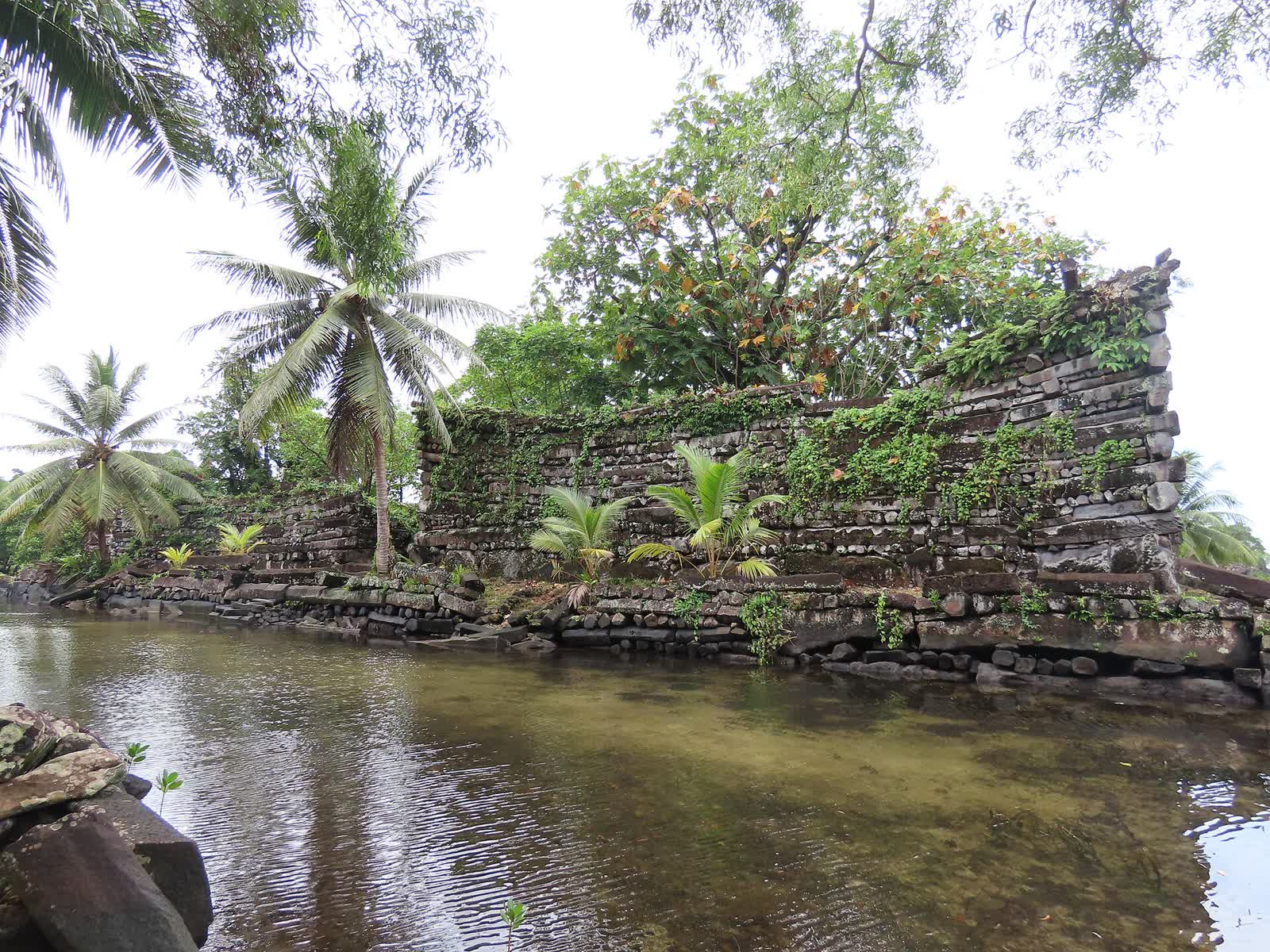
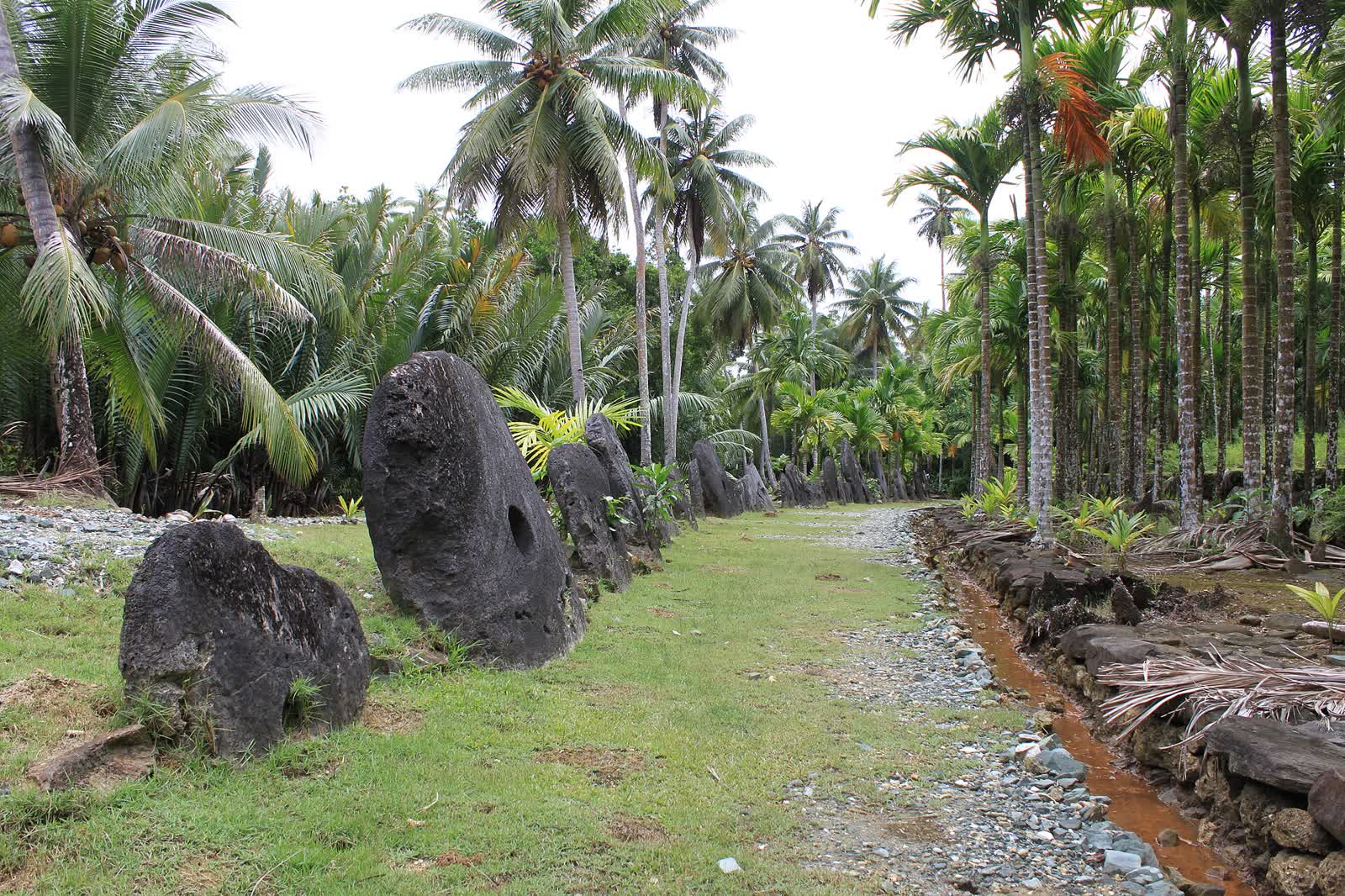
Pohnpei is the most rounded island in the country. In a few days you can walk among the basalt walls of Nan Madol, swim under waterfalls, climb Sokehs Ridge for views over the lagoon, snorkel off sandy islets and, if you surf, ride one of the most famous reef breaks in the Pacific. It also has the most places to stay and eat in Micronesia, which makes it an easy first stop.
Kolonia and Palikir
**Kolonia** is the main town: a loose string of shops, guesthouses, government offices and churches along a few roads near the harbour. Look for the **Spanish Wall**, the remains of a nineteenth century fort, and the **German Bell Tower** beside the Catholic mission, a reminder that Spain, Germany, Japan and the United States all ruled here before independence. Small stores, a few restaurants and the sakau markets are where daily life happens. **Palikir**, a short drive west, holds the national capitol complex and the College of Micronesia national campus. It is quiet and green rather than a place to linger.
Waterfalls and hikes
Pohnpei is the waterfall island. **Kepirohi Waterfall** in Madolenihmw is the classic: a wide curtain of water over basalt with a pool for swimming, a short walk from the road. **Sahwartik Falls** is taller and wilder, with a muddier approach, and **Liduduhniap Twin Falls** in the hills behind Kolonia is reached on a walk through farms and forest. Most falls sit on family or community land, so expect a small access fee and ask before swimming. For views, the climb up **Sokehs Ridge** passes Japanese guns from the Second World War; **Sokehs Rock**, the sheer cliff above the causeway, is a steeper, guided scramble.
Reefs and atolls
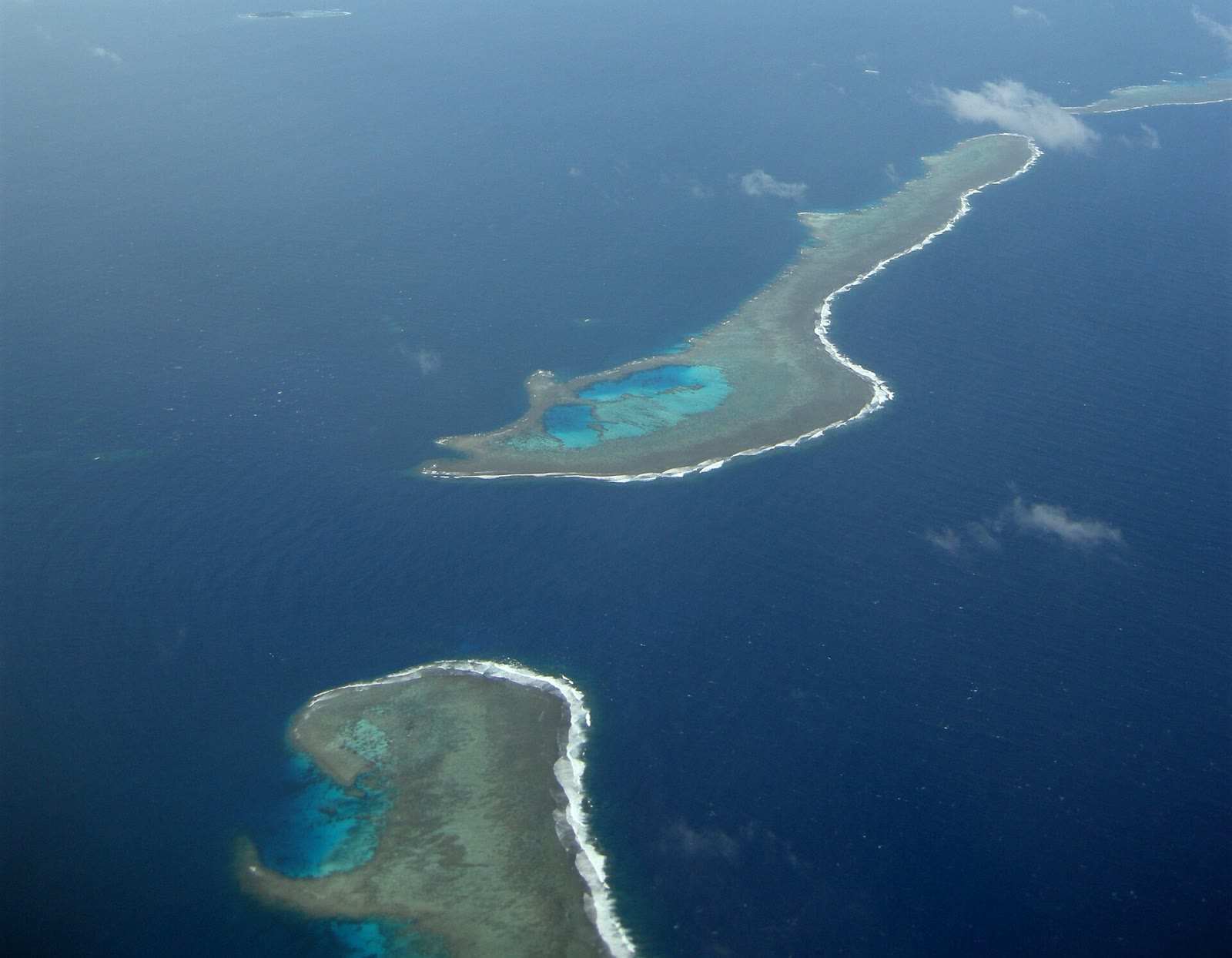
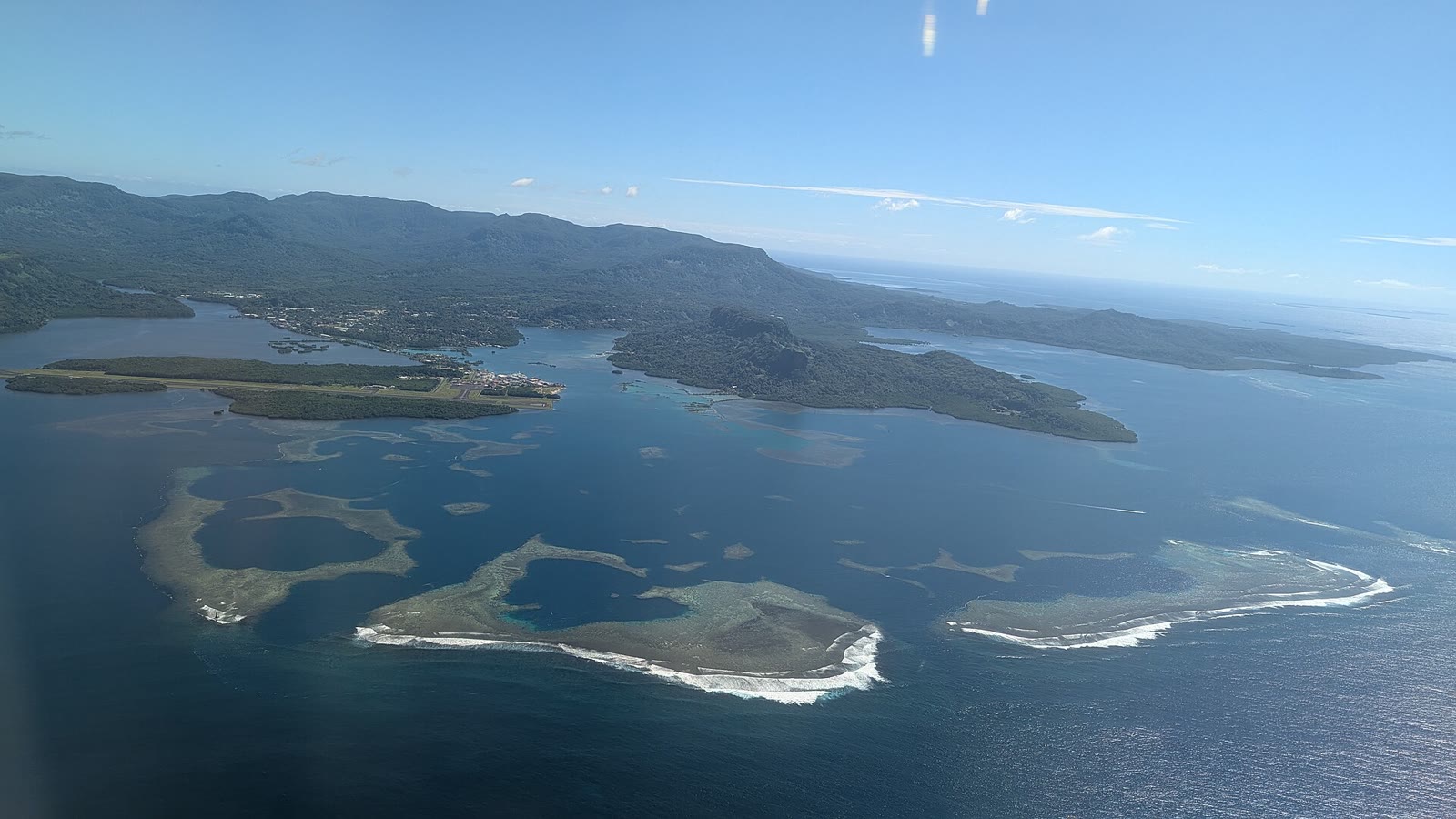
The lagoon is wide, and the best snorkelling is on the outer reef and small islands. **Ant Atoll** and **Pakin Atoll** are day trips by boat with clear water, sharks, rays and white sand, usually arranged through a dive shop or your hotel, and access needs the owners' permission. Closer to shore, **Kehpara Island** and the **Black Coral Island** sandbar are favourites for picnics. Surfers head to **Palikir Pass**, a powerful right hand reef break best in the northern winter swells, and only for experienced surfers.
Sakau and culture
Pohnpei's ceremonial drink is **sakau**, made by pounding kava root on a stone and squeezing it through hibiscus fibre. It is drunk at feasts and in small roadside sakau markets in the evening. It is earthy, slippery and numbing, and it is polite to accept a cup at a ceremony even if you only sip. Traditional leadership, with paramount chiefs called Nahnmwarki, still shapes life, so dress modestly in villages and ask before entering land.
Where to stay and eat
Hotels are small and simple, mostly in and around Kolonia, with a few on the water facing the mangroves or the lagoon. Book ahead around holidays and conferences. Food is a mix of local staples like breadfruit, taro, reef fish and coconut with Japanese, American and Filipino influences; fresh tuna sashimi is a highlight. See our places to visit for specific spots.
Getting there and around
United's island hopper flight stops at Pohnpei on the route between Guam and Honolulu. There is no public bus, so use taxis for short trips in Kolonia and hire a driver or join a tour for the waterfalls and Madolenihmw. Boat trips to the atolls are weather dependent, so keep a spare day.
Questions about Pohnpei
How many days do I need on Pohnpei?
Four to five days lets you see Nan Madol, two or three waterfalls, Sokehs Ridge and one atoll trip, with a spare day for weather.
Is Pohnpei good for beaches?
Not on the main island, which is ringed by mangroves. The sandy beaches are on small islets and atolls such as Ant and Pakin, reached by boat.
Can I try sakau as a visitor?
Yes. Sakau markets in and around Kolonia serve it in the evening. It is mildly numbing and relaxing, so do not drive or swim after drinking it.
Is Pohnpei really that rainy?
Yes. Rain falls on most days, often in short heavy showers, and the interior is far wetter than the coast. Pack light rain gear and quick drying clothes.
Facts checked . Fees, schedules and entry rules change, so always confirm the latest with the official source.