At a glance
- Best for
- Wreck diving, wartime history and snorkelling
- Airport
- Chuuk International Airport (TKK) on Weno
- Time needed
- Five to seven days for divers
- Best season
- December to April for calmer conditions
- Getting around
- Dive boats, taxis on Weno and hotel transfers
- Good base for
- The lagoon wrecks, Tonoas and the outer islands
Why go
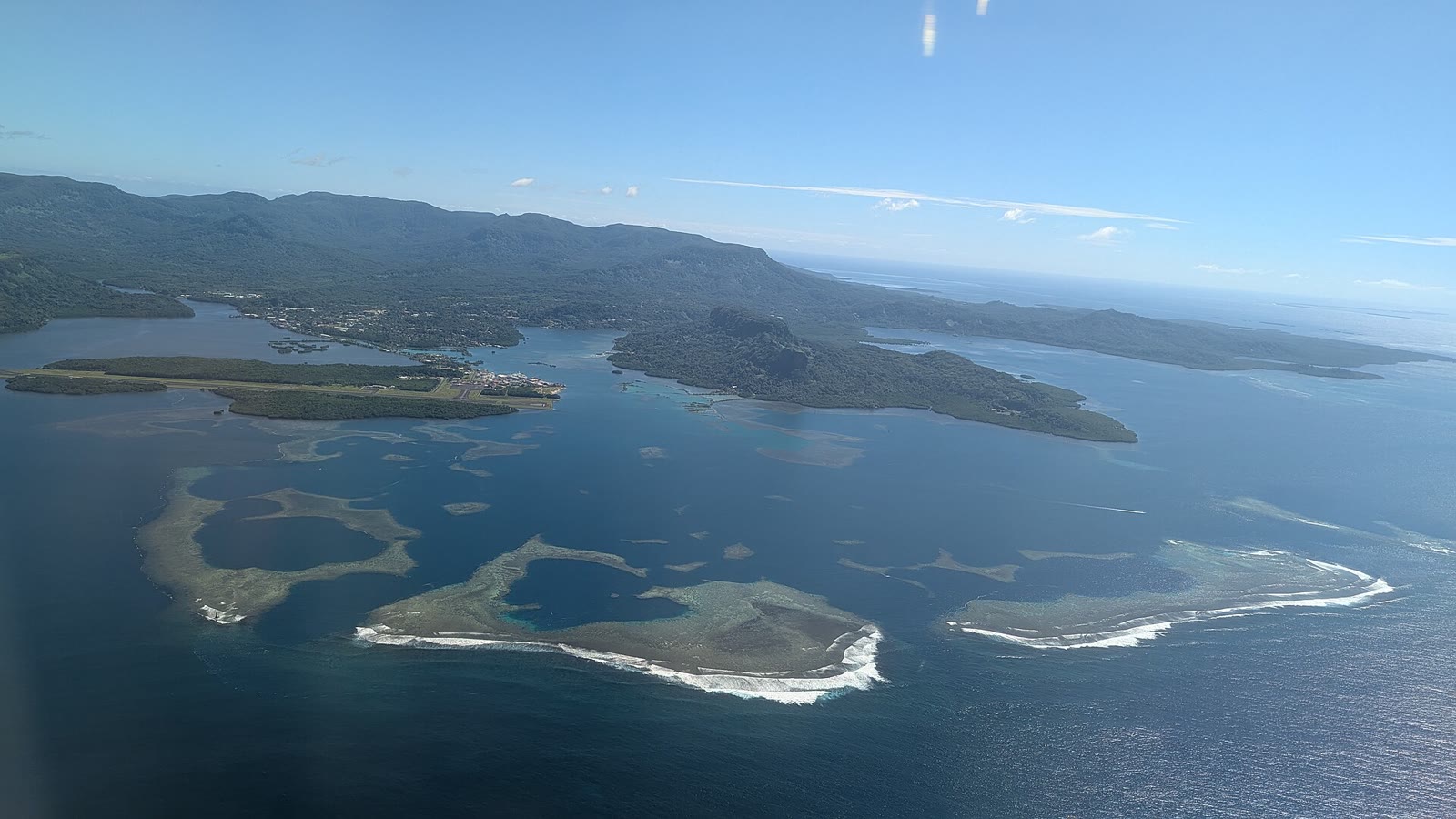
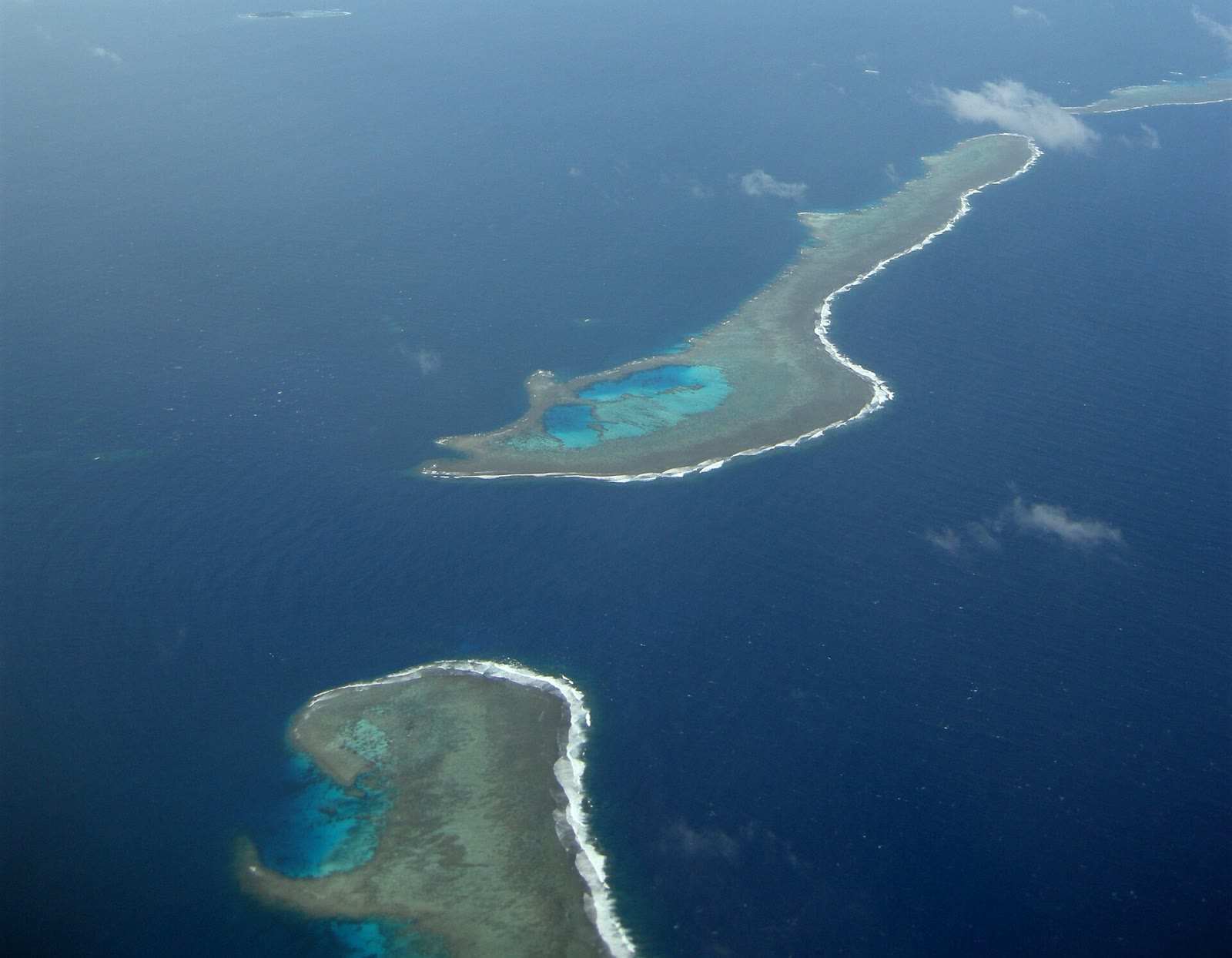
For wreck divers, Chuuk is a pilgrimage. Cargo ships still hold trucks, tanks, aircraft parts, shells and sake bottles, and coral and fish have turned each hull into a reef. The water is warm all year and the lagoon shelters most sites from big ocean swell. Even non divers find meaning here: the lagoon is a vast war grave and a living memorial.
The famous wrecks
The **Fujikawa Maru** is the classic, with aircraft parts in its holds and a coral covered deck gun, and it suits divers of most levels. The **Shinkoku Maru**, a tanker, is one of the most beautiful for its coral and marine life. The **San Francisco Maru** lies deeper and carries tanks and trucks on deck, so it is for experienced divers. Others include the **Nippo Maru**, **Heian Maru**, **Rio de Janeiro Maru** and **Hoki Maru**, plus a **Betty bomber** in shallow water that snorkellers can see on calm days. Penetration dives and deep wrecks need training and an experienced guide.
Diving options
You can dive from a land based shop on Weno, which suits mixed groups and those who also want to explore ashore, or join a **liveaboard** that moves around the lagoon and packs in more dives per day. Book well ahead, as boats and rooms are limited. Bring certification cards, a logbook and your own computer, and buy dive insurance that covers evacuation, since the nearest decompression chambers and major hospitals may be far away. Ask your operator about the current status of chamber access before you go.
Ashore on Weno
Weno is busy, dusty and not set up for tourism, but it has things to see. **Xavier High School** occupies a former Japanese communications building on the hill, and the **Japanese lighthouse** ruins nearby give wide views over the lagoon. **Nefo Cave** hides a Japanese gun, and a hike up **Mount Tonachau** rewards a clear morning with views of the reef. On other islands, **Tonoas** (formerly Dublon) holds ruins from the Japanese naval base, reached by boat with a local guide.
Staying safe
Chuuk has more reports of petty crime and alcohol related trouble than the other states. Stay in established hotels, avoid walking alone at night, keep valuables out of sight and use transport arranged by your hotel or dive shop. Roads on Weno are rough and potholed. Respect the wrecks: they are war graves, so never remove anything, and do not touch or disturb human remains.
Where to stay and eat
Accommodation on Weno is a handful of hotels and dive resorts, most with their own restaurant and bar, which is where most visitors eat. Fresh fish, rice, breadfruit and chicken are staples. See our places to visit for options.
Planning your dive days
Most divers do two or three dives a day from land, or more on a liveaboard. Start with an easier wreck to get used to the conditions, and save deep sites for later in the trip when you know your guide and your air consumption. Leave at least a full day without diving before you fly, as advised by dive training agencies, and use that day for a boat trip to Tonoas or a hike on Weno. Bring spare camera batteries and memory cards, as replacements are hard to find on the island.
Respecting the dead
Thousands of sailors and airmen died here, and some remains still lie in the wrecks. Dive quietly, keep a respectful distance and remember that removing artefacts is against state law.
Questions about Chuuk Lagoon
Do I need to be an advanced diver for Chuuk?
Not for every wreck. Several sites like the Fujikawa Maru suit open water divers, but deeper wrecks and penetration dives need advanced or wreck training.
Can non divers enjoy Chuuk Lagoon?
Some shallow wrecks and reefs can be snorkelled, and there are wartime sites ashore, but the lagoon is mainly a diving destination.
Is Chuuk safe?
Most visits are trouble free, but Chuuk has more petty crime and alcohol related problems than other states. Stay in established hotels and avoid walking alone after dark.
Should I choose a liveaboard or a land based dive shop?
Liveaboards maximise dive time and comfort. Land based diving is more flexible and suits groups with non divers.
Facts checked . Fees, schedules and entry rules change, so always confirm the latest with the official source.