At a glance
- Best for
- Hiking, waterfalls, tea estates and views
- Nearest airport
- Chileka International Airport (BLZ)
- Time needed
- Two to four days
- Best season
- May to October
- Highest point
- Sapitwa Peak, the highest in Malawi
- Base
- Likhubula Forest Lodge or Mulanje town
Why visit Mount Mulanje
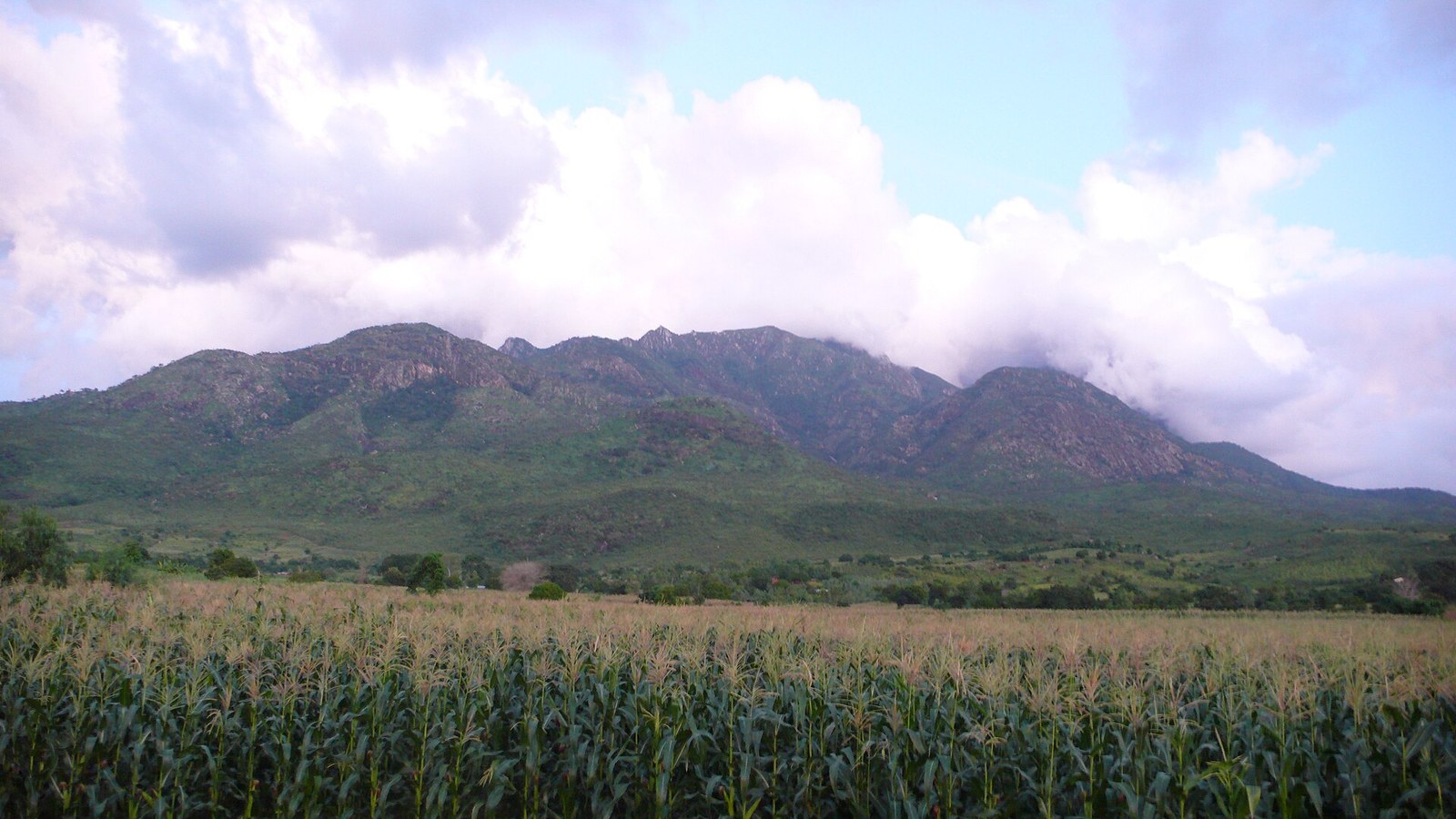
Mulanje feels like a world of its own. The massif's sheer cliffs and domes enclose a series of plateaus with clear streams, montane grassland and patches of forest, home to the endemic Mulanje cedar, Malawi's national tree. Few places in Africa offer such dramatic hiking so easily, and the mountain is often described as an island in the sky.
Routes and huts
Most hikes start at Likhubula, near the Forestry Department office on the mountain's western side, where you register and can book licensed guides and porters. The Skyline and Chapaluka paths climb steeply to the Chambe Plateau, a day's hike up beneath the sheer face of Chambe peak. From there, trails link a chain of simple mountain huts, including Chambe, Thuchila, Sombani and Chisepo, so you can cross the massif over three to five days. Huts have bunks or floors, a fireplace and a caretaker who can heat water, but you need to bring your own food, sleeping bag and stove.
Sapitwa Peak
Sapitwa is the summit of Mulanje and the highest point in Malawi. The final climb involves scrambling over boulders and through cracks in the rock, and the route is easy to lose, so a licensed guide is essential. Local stories say the peak is a place of spirits, and the name is often translated as do not go there. Start early from Chisepo hut and turn back if cloud closes in.
Easier walks
You do not need to climb to enjoy Mulanje. From Likhubula, a short walk leads to Dziwe la Nkhalamba, a natural pool below a waterfall, perfect for a cold swim. Lodges at the foot of the mountain have trails through tea estates and forest, with views up to the cliffs.
Tea estates
The mountain's lower slopes are covered in tea. Lujeri Tea Estate on the southern side is one of the oldest and most beautiful, with walks through the plantations, and Satemwa in nearby Thyolo offers tastings. Staying on an estate is a lovely, peaceful break before or after a hike.
Events
The Mulanje Porters Race, held each year, sends runners on a gruelling course up and across the massif, inspired by the porters who carry loads to the huts. Check dates with the organisers or the Mulanje Mountain Conservation Trust.
Safety on the mountain
Weather changes fast on Mulanje. Mist and cold rain can arrive with little warning, and from June to August nights on the plateau can be near freezing. Hike with a licensed guide, register at the forestry office, carry warm layers and a waterproof, and never attempt Sapitwa alone. Streams can rise quickly after rain, especially in the wet season.
Getting there
Mulanje town is roughly an hour and a half to two hours by road from Blantyre. Minibuses run between them, and taxis can take you on to Likhubula. Many visitors arrange a transfer through their lodge.
When to go
May to October is the dry season and the best time to hike, with clear views and firm paths. September and October are warm and hazy. The rainy months from November to April bring heavy rain, slippery rock and swollen streams.
Questions about Mount Mulanje
Do I need a guide to hike Mount Mulanje?
A licensed guide is strongly recommended for any overnight hike and essential for Sapitwa. Book guides and porters through the forestry office at Likhubula rather than with touts on the road.
How long does it take to climb Sapitwa?
Most people take three days: up to a hut on the first day, the summit and back to the hut on the second, then down on the third. Fit hikers sometimes go faster, but the terrain is slow.
Is Mount Mulanje suitable for beginners?
Short walks to the pool at Likhubula and through the tea estates suit anyone. The climb to the plateau is steep and tiring, so it needs reasonable fitness.
What should I pack for Mulanje?
A warm sleeping bag, waterproof jacket, warm layers, a stove, food, a torch and water purification. Huts are basic and nights can be cold.
Facts checked . Fees, schedules and entry rules change, so always confirm the latest with the official source.