At a glance
- Best for
- Snorkelling, kayaking, beaches and island camps
- Nearest airport
- Kamuzu International Airport (LLW) or Chileka (BLZ)
- Time needed
- Three to four days
- Best season
- May to November
- Inside
- Lake Malawi National Park, a UNESCO site
- Getting there
- Road via Monkey Bay, the final stretch now tarred
Why visit Cape Maclear
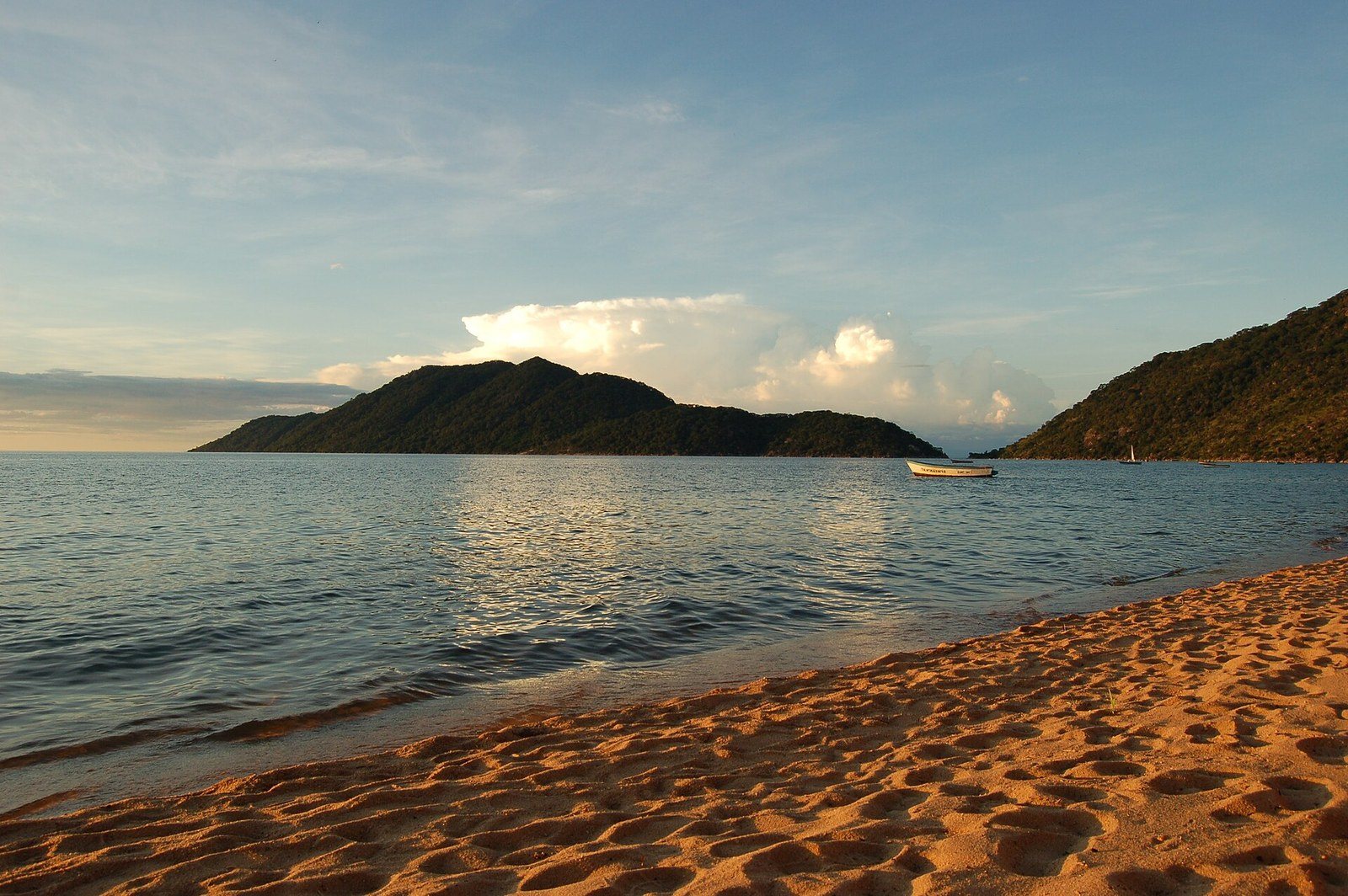
Lake Malawi holds more species of fish than any other lake on earth, most of them colourful cichlids found nowhere else. Lake Malawi National Park, created in 1980 as the world's first freshwater national park, protects the waters and islands around the Nankumba Peninsula, and Cape Maclear is its easy, friendly gateway. Days here are about swimming, snorkelling, paddling to the islands and watching fishermen launch their dugouts at dusk.
Chembe village
The lodges sit along the beach at Chembe, a working fishing village of several thousand people. Walk through it to see boat building, nets mending and tiny usipa fish drying on racks in the sun. Children will greet you, and you may be offered souvenirs, boat trips and guided walks by local touts, known as beach boys. Be friendly but clear, and book activities through your lodge or a known operator.
Snorkelling and diving
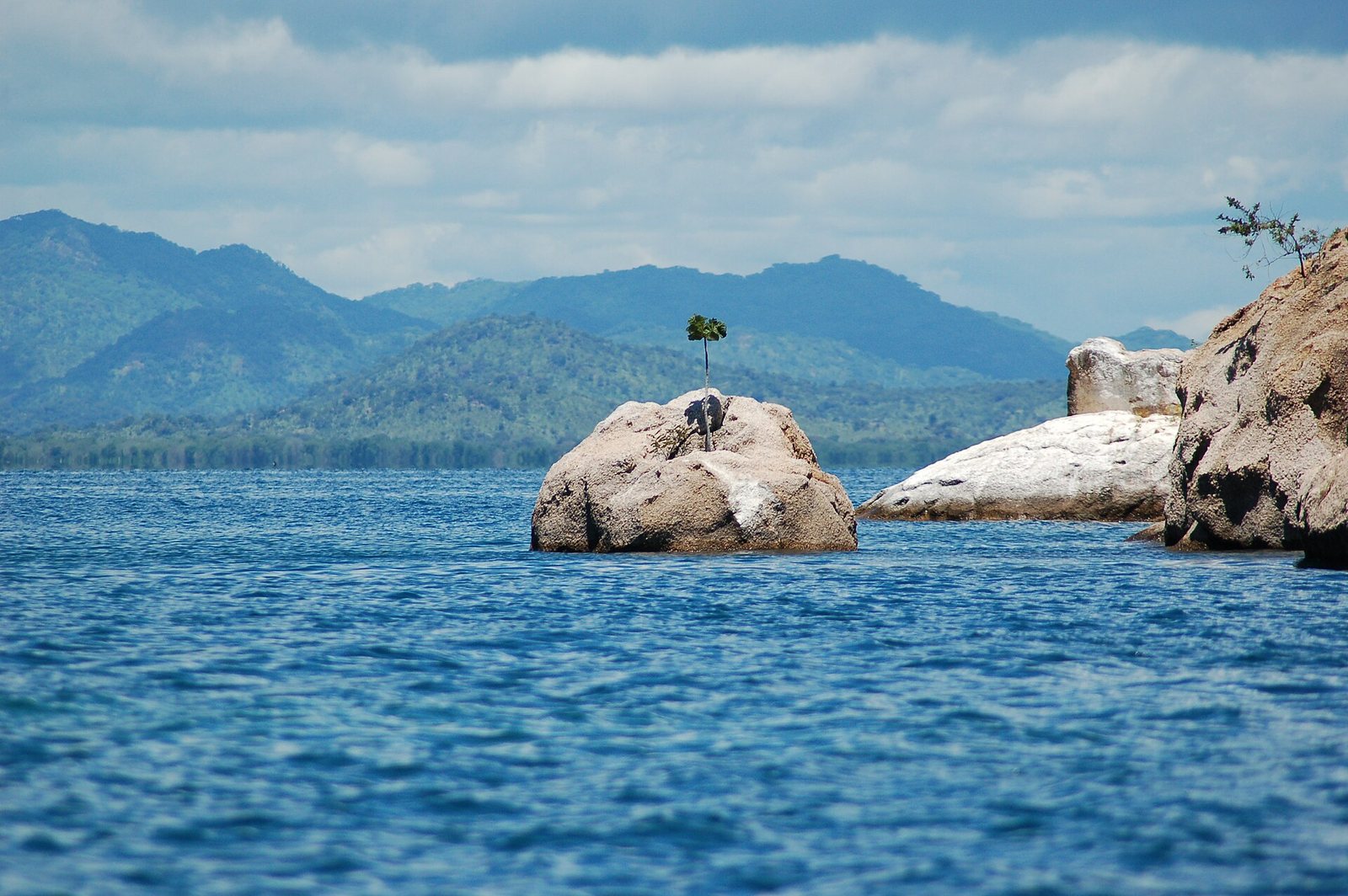
Otter Point, a short walk west of the village within the park, has rocks just off the shore where you can snorkel among blue, yellow and orange cichlids, and sometimes see spotted necked otters. Boat trips run out to Thumbi West Island for more snorkelling and to watch fish eagles swoop for fish. Licensed operators in the bay run PADI dive courses in fresh water, which many people find a gentle way to learn.
Island camps and kayaking
Kayak Africa runs Mumbo Island Camp, an eco camp with tents on stilts above the rocks, and the simpler Domwe Island Camp. Paddling between them, or staying a night or two, is one of Malawi's great experiences. Calm mornings are best for kayaking, as the wind often picks up in the afternoon.
History
Scottish missionaries set up the first Livingstonia mission here in 1875, but malaria drove them north within a few years. Their graves stand among the trees behind the beach, a quiet reminder of the area's past.
Health and safety on the lake
The biggest health question is bilharzia, a parasitic infection carried by snails in parts of the lake, especially near reeds and villages. Many visitors swim and then take a test or treatment after their trip on medical advice; speak to a travel clinic before you go. Malaria is present, so use repellent and sleep under a net. Petty theft from beaches and rooms happens, so keep valuables locked away and do not walk the beach alone late at night.
Getting there
Cape Maclear is roughly four to five hours by road from Lilongwe and a similar time from Blantyre, via Monkey Bay. The final road from Monkey Bay is now tarred, making access much easier. Public transport means minibuses to Monkey Bay and then a shared pickup or motorbike taxi, which is cheap but slow. Many visitors arrange transfers through their lodge.
Where to stay
Choices run from backpacker camps and simple chalets in Chembe to mid-range beach lodges and the exclusive villas of Pumulani on the far side of the peninsula. Book ahead for July, August and the Christmas holidays.
When to go
The dry months from May to November bring clear water and calm days, with the warmest, stillest weather from September to November. The rains from December to April can be stormy, though the scenery is lush and green.
Questions about Cape Maclear
Can you swim in Lake Malawi at Cape Maclear?
Yes, and most visitors do. Bilharzia is a risk in parts of the lake, so ask a travel clinic about testing or treatment after your trip, and avoid reedy shallows near villages.
How many days do I need at Cape Maclear?
Three to four days gives time for snorkelling, a boat trip to the islands and a night at an island camp, plus some time simply relaxing.
Are there crocodiles at Cape Maclear?
Crocodiles live in parts of Lake Malawi, especially near river mouths and in the south, but they are rarely seen around the clear, rocky waters of Cape Maclear. Ask your lodge about local conditions.
Do I pay a park fee at Cape Maclear?
Fees apply to some activities inside Lake Malawi National Park, such as island visits. Check current fees with the Department of National Parks and Wildlife or your lodge.
Facts checked . Fees, schedules and entry rules change, so always confirm the latest with the official source.