At a glance
- Best for
- Boat safaris, elephants, hippos and birds
- Nearest airport
- Chileka International Airport (BLZ)
- Time needed
- Two to three nights
- Best season
- June to November
- Managed by
- African Parks with the Department of National Parks and Wildlife
- Getting there
- Road from Blantyre or Lilongwe
Why visit Liwonde
Liwonde was once known for its heavy poaching, but since African Parks took over management with the Department of National Parks and Wildlife in 2015, it has become one of Africa's great conservation turnarounds. Wire snares have been cleared on a vast scale, fences rebuilt, and cheetahs and lions reintroduced. Wildlife numbers have grown, yet the park remains far quieter than the famous reserves of East and Southern Africa.
The Shire River
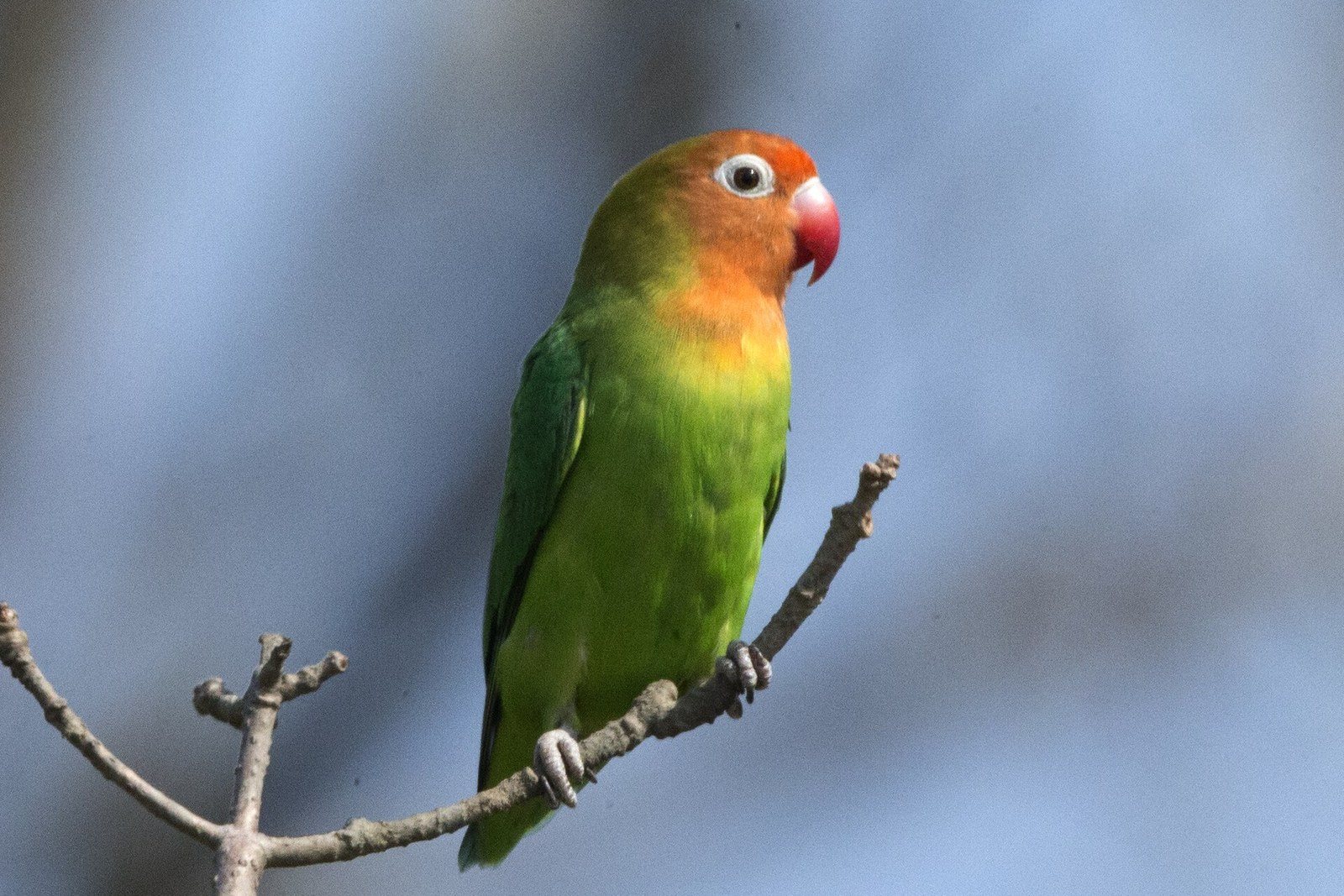
The river is the heart of the park. Boat safaris are the classic Liwonde experience, gliding past pods of hippos, crocodiles on sandbanks, elephants grazing in the reeds and waterbuck on the floodplain. Birdlife is outstanding, with fish eagles, kingfishers, storks, herons and Lilian's lovebirds in the mopane woodland nearby. Early morning and late afternoon trips give the best light and the most activity.
Game drives and walks
Open vehicle drives cover the floodplain, palm savannah and mopane woodland, with good chances of elephant, sable antelope, kudu, impala and warthog, and real possibilities of lion and cheetah. Black rhinos live within a protected sanctuary area, and some lodges offer guided rhino tracking. Walking safaris with armed scouts bring you close to the smaller details of the bush.
Seasons
The dry season from June to November is best for game viewing, as animals gather near the river and vegetation thins. October and November are very hot. The green season from December to April brings lush scenery and excellent birding, though some tracks become muddy and certain camps may close for part of it.
Where to stay
Inside the park, Mvuu Lodge and Mvuu Camp sit in the north on the river and suit couples and families respectively. Kuthengo Camp is an intimate tented camp run by Robin Pope Safaris, and Chinguni Hills Lodge opened up the quieter southern section. Budget travellers can stay at camps just outside the park near Liwonde town and join boat trips and drives from there.
Combining with Majete
Majete Wildlife Reserve, in the Lower Shire valley south west of Blantyre, was the first park in Malawi taken on by African Parks, in 2003. It now holds the Big Five. Combining Liwonde and Majete gives a full Malawi safari with very few other vehicles.
Responsible safari
Liwonde's recovery depends on tourism income and on local communities sharing in its benefits. Choose lodges that work with surrounding villages, follow park rules, keep noise down near animals and never ask guides to go off track or get too close. Tipping guides, scouts and staff is customary and appreciated; ask your lodge for guidance.
Health and safety
Malaria is present, so take medical advice on tablets and use repellent. Never walk unaccompanied in the park, as hippos and elephants are dangerous. Follow your guide's instructions on boats and on foot.
Getting there
Liwonde is roughly two to three hours by road from Blantyre, and four to five from Lilongwe. Lodges arrange road transfers, and small charter flights serve airstrips for some camps. Check current park entry fees with African Parks or the Department of National Parks and Wildlife, as they change.
Questions about Liwonde National Park
Can you see the Big Five in Liwonde?
Liwonde has elephant, lion, leopard and black rhino, and buffalo are present too. Sightings of lion, leopard and rhino are never guaranteed, but boat trips almost always deliver hippos, crocodiles and elephants.
How many nights should I spend in Liwonde?
Two to three nights allows at least two boat trips and two game drives, which gives a good chance of seeing the park's highlights.
Is Liwonde good for families?
Yes. Mvuu Camp in particular welcomes families, and boat safaris are easy for children. Check minimum ages for walking safaris and some activities.
What is the best time to visit Liwonde?
June to November, the dry season, is best for game viewing. The green season brings excellent birding and lush scenery.
Facts checked . Fees, schedules and entry rules change, so always confirm the latest with the official source.