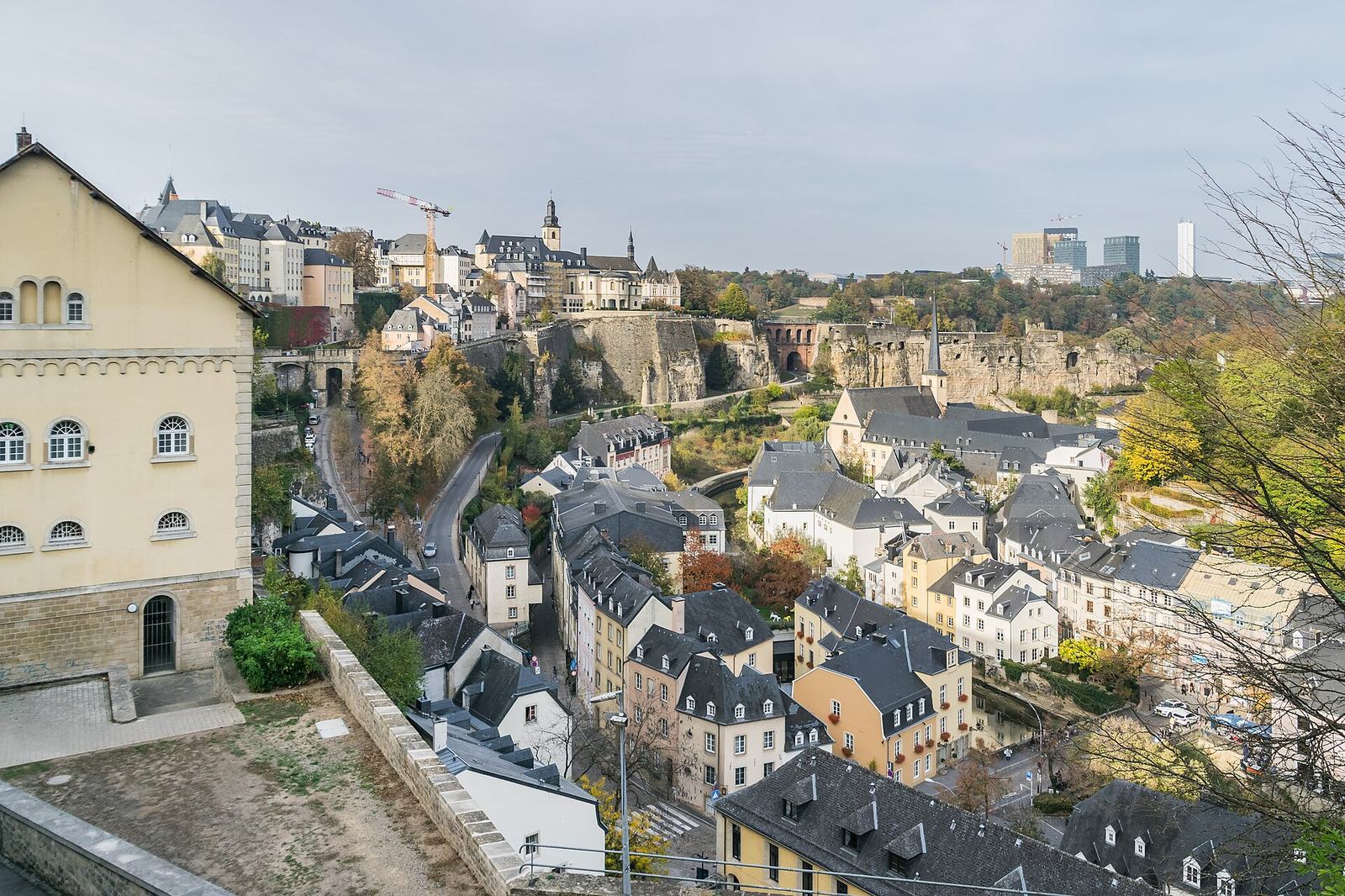
Luxembourg City, LuxembourgPhoto: Krzysztof Golik, CC BY-SA 4.0, via Wikimedia Commons
Find your Bliss in Luxembourg
Luxembourg, made simple: fortress cliffs, castle valleys and wine by the river
Luxembourg is one of Europe's smallest countries and one of its most surprising: a capital built on cliffs and casemates, storybook castles in wooded valleys, sandstone gorges for hiking and a quiet river lined with vineyards. Public transport is free nationwide, distances are short and the country feels safe and calm. This guide explains how it all works so you arrive relaxed and ready to explore.
Your trip, step by step
- Before you goSchengen entry, the EU border checks, seasons and insurance, answered
- ArrivingLuxembourg airport, the free bus or tram into the city and your first night, explained
- Your days in LuxembourgOld town walks, castles, gorges and Moselle wineries, planned with care
- Heading homeAirport timing, tax refunds and the last bottle of crémant, so the final day is calm too
Where to go, eat and stay
- Plain answersClear, honest guidance on the questions first-timers actually ask.
- Official sourcesEntry, health and safety facts point you to the official pages to confirm.
- No price surprisesWe explain free transport, hotel costs, tipping and Sunday closures so costs never catch you off guard.
- Free to useEvery guide and the trip planner are free.
Our promise
Luxembourg should feel like a slow walk along the Chemin de la Corniche at sunset, not a puzzle of languages and timetables. We answer the questions about entry, transport, money, weather and etiquette before they start, so you arrive confident and ready to find your Bliss.
We are a travel guide, not a local agency. We do not run tours or transfers; we help you plan well and point you to official sources.
How to use this guide
Four steps from first idea to a trip that feels easy.
- Choose your LuxembourgCity culture, castle country, gorge hikes or wine villages: start with the destinations that fit you.
- Sort the essentialsSchengen entry, the right season and current travel advice, checked against official sources.
- Pick your placesUse our places to visit list for restaurants, wine cellars, museums, trails and stays across the country.
- Plan your routeUse the free trip planner to link the capital, the north and the Moselle at a realistic pace by free train and bus.
Everything your Luxembourg trip needs
Free tools and guides for every stage of the journey.
Destinations
Luxembourg City, the Mullerthal, Vianden and the Éislek, the Moselle valley and the Minett, each explained in depth.
Explore destinationsPlaces to visit
More than a hundred restaurants, cafés, castles, trails, markets and stays, from classics to hidden corners.
See places to visitFlights and stays
Search flights into Luxembourg airport and compare stays in the capital and the countryside.
Search travelFree trip planner
Tell us your dates and interests and get a realistic, stress-free Luxembourg route.
Plan my trip
Small country, big variety
A fortress capital by morning, a castle valley by afternoon
Luxembourg is roughly eighty kilometres from north to south, and every train, tram and bus is free. That means you can walk the casemates and the Grund in the morning, hike the sandstone gorges of the Mullerthal after lunch and be back for dinner, or spend a day tasting crémant along the Moselle without worrying about tickets.
- The Bock Casemates and the old town, a UNESCO World Heritage site
- Vianden Castle above the Our valley
- The Mullerthal Trail through moss-covered rock gorges
- Wine villages and cellars along the Moselle
Start with the destinations
See how the capital, the north, the Mullerthal and the Moselle fit together.
Luxembourg destinationsPlan with confidence
Your route, without the worry
Luxembourg rewards a little preparation: Schengen entry checked for your passport, a hotel booked early on weekdays when business travel fills the capital, and Sundays planned around shop closures. Our free planner helps you shape it.
- Realistic bus and train times between regions
- The right base for city, hiking or wine
- Seasonal tips for festivals, wine harvest and Christmas markets
Where to go in Luxembourg
Five bases that cover the country's capital, castles, gorges and vineyards.
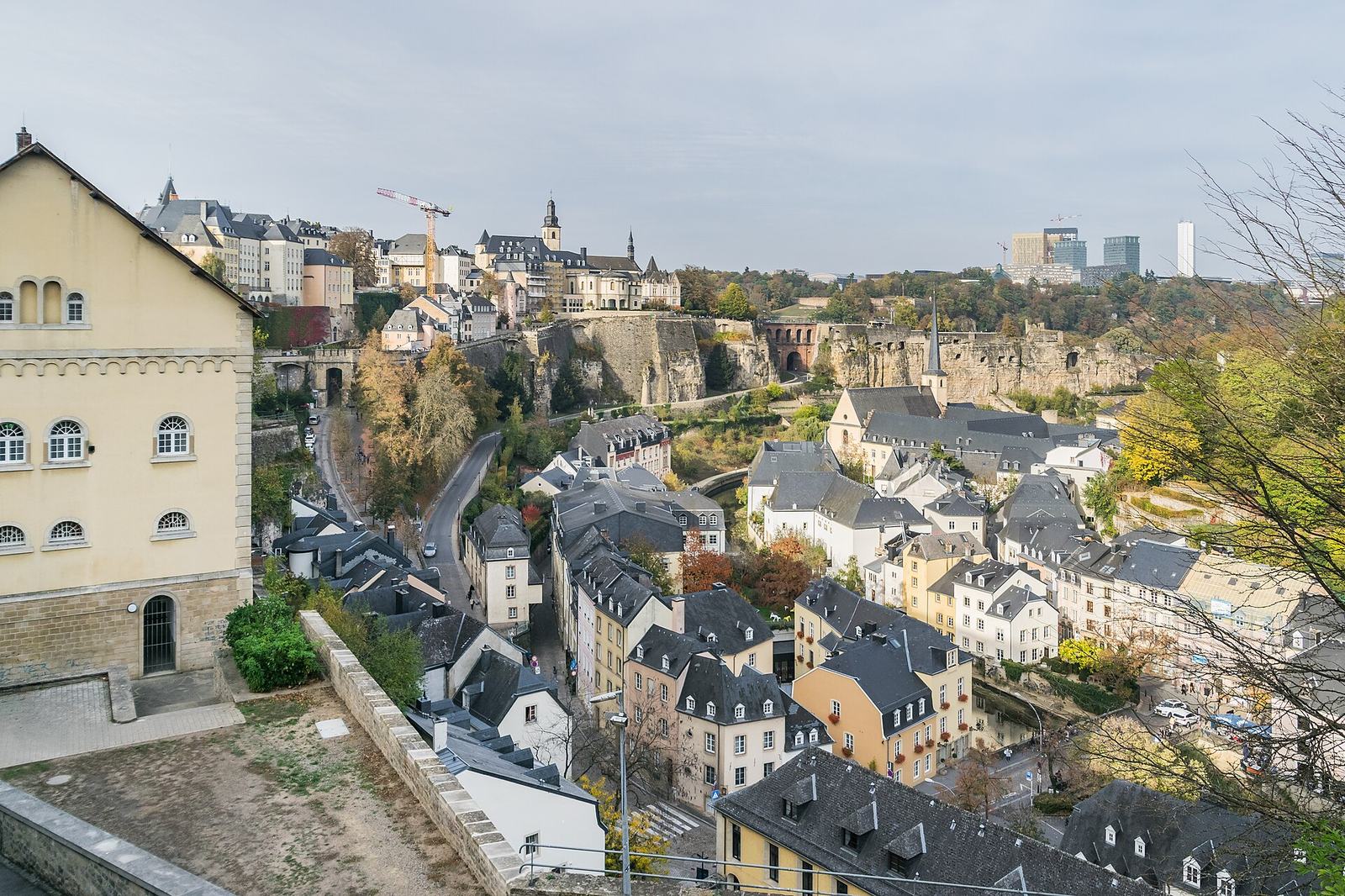
Centre, southern Luxembourg
Luxembourg City
A compact capital built on cliffs, with fortress tunnels, a riverside old quarter and a modern European district.
Read the guidePhoto: Krzysztof Golik, CC BY-SA 4.0, via Wikimedia Commons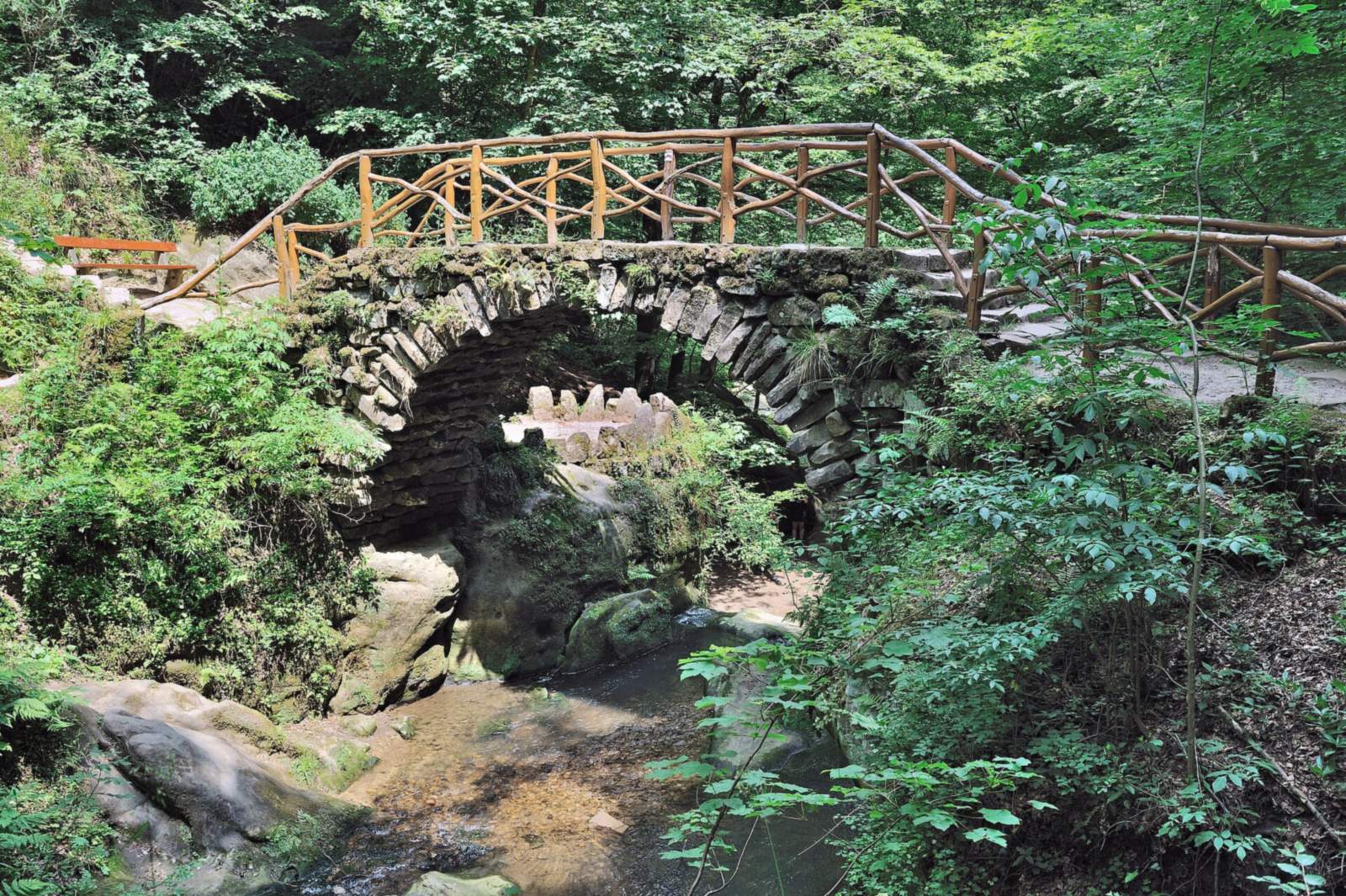
East Luxembourg, on the German border
Mullerthal
Hiking country of mossy rock gorges, small waterfalls and the old abbey town of Echternach.
Read the guidePhoto: Cayambe, CC BY-SA 3.0, via Wikimedia Commons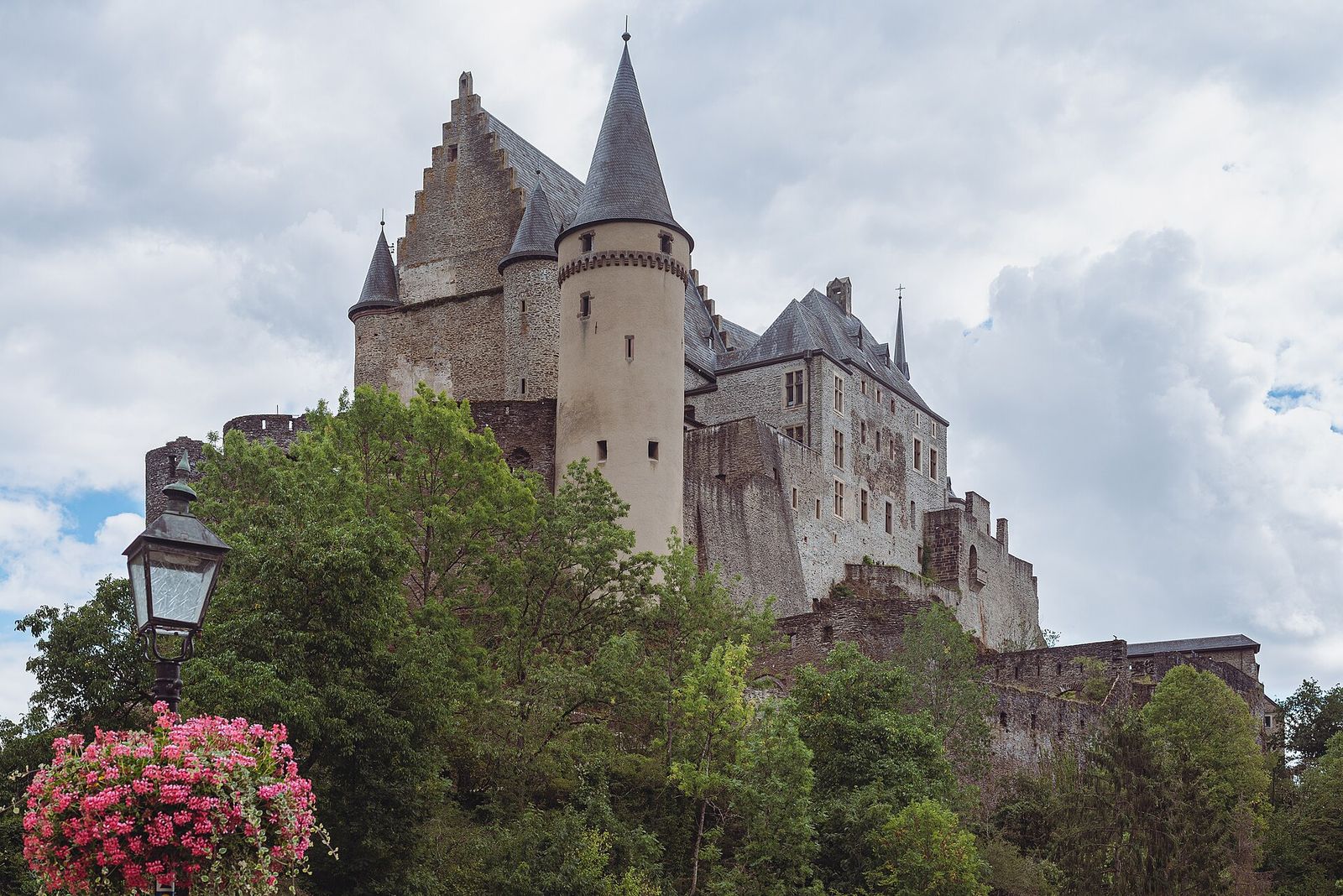
Northern Luxembourg
Vianden and the Éislek
The wooded Luxembourg Ardennes: hilltop castles, deep river valleys, a lake for swimming and a famous photography exhibition.
Read the guidePhoto: Flocci Nivis, CC BY 4.0, via Wikimedia Commons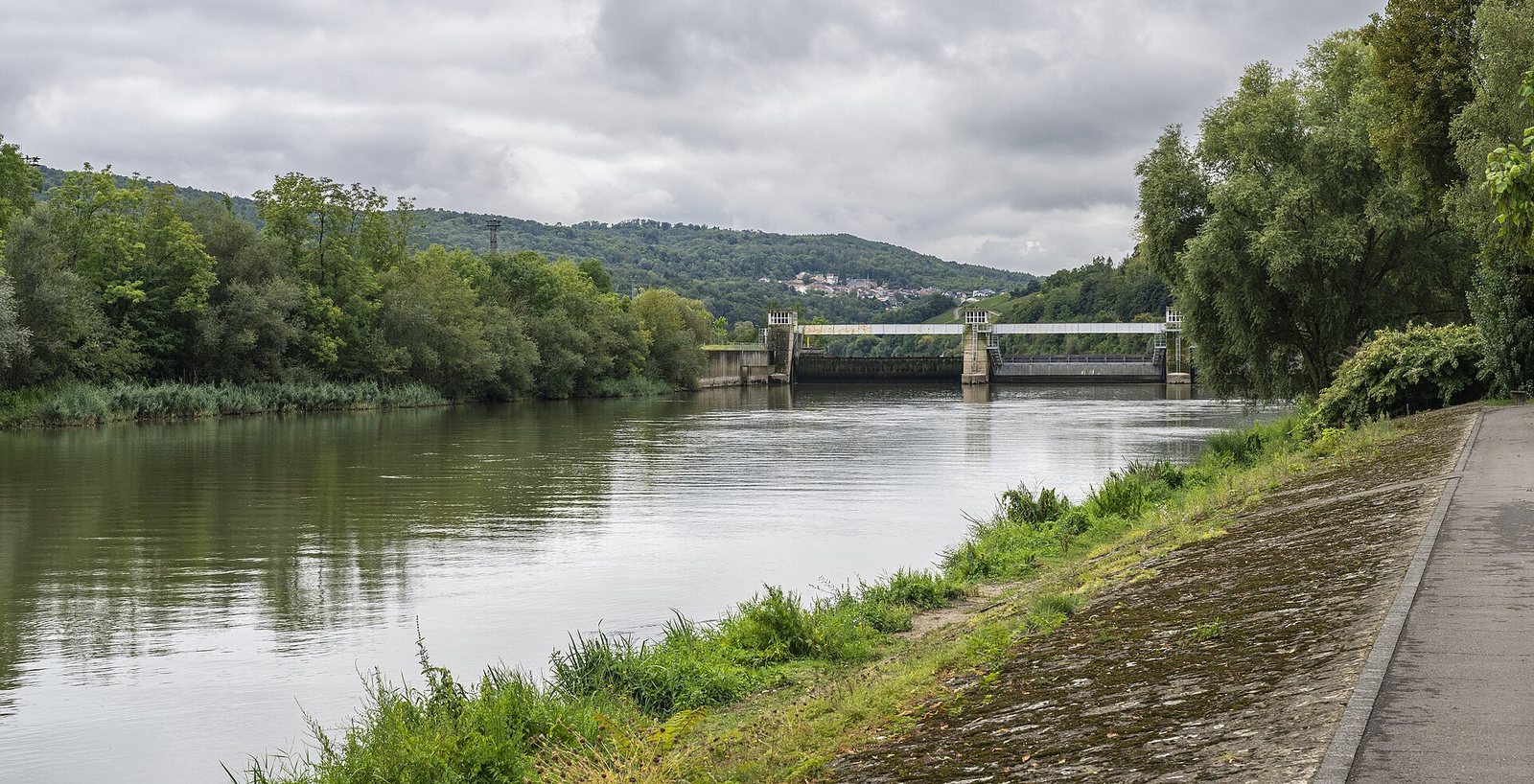
South east Luxembourg, on the German border
Moselle Valley
A gentle river lined with vineyards, crémant cellars and wine villages, plus the birthplace of the Schengen Agreement.
Read the guidePhoto: Cayambe, CC BY-SA 4.0, via Wikimedia Commons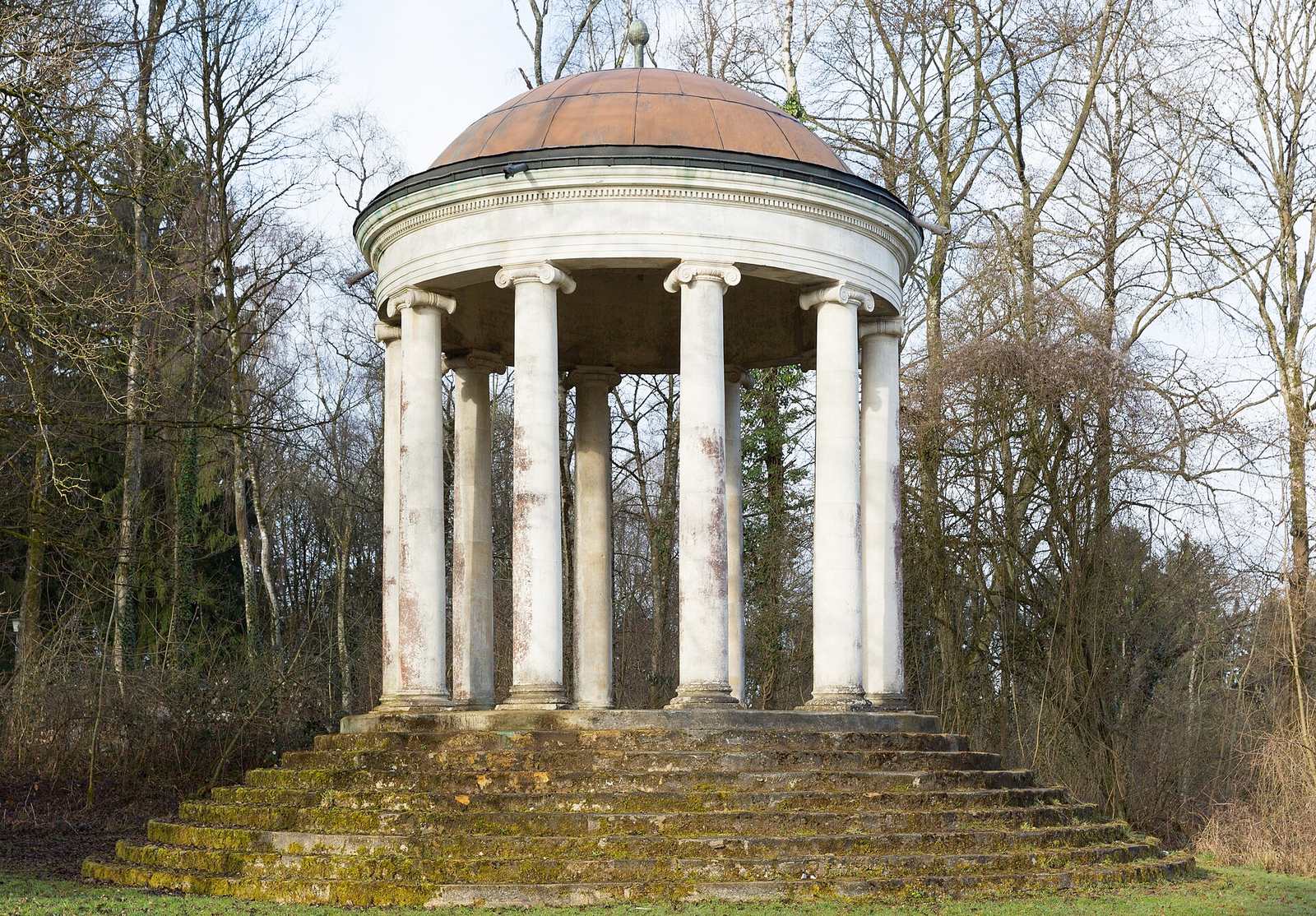
South west Luxembourg, on the French border
Minett
The old iron and steel south, reborn as a UNESCO biosphere reserve with industrial heritage, trails and a lively culture scene.
Read the guidePhoto: Villy Fink Isaksen, CC BY-SA 4.0, via Wikimedia Commons
A note from our founder
A note from our founder
My first time visiting Kenya, I was genuinely surprised with how fast it began feeling like home. The people are so friendly, the food is delicious and familiar, and the accommodations are modern and upscale.
During my travels throughout the continent, I commonly hear tourists share stories about being scammed or taken advantage of, which is both frustrating and disheartening.
Living in Kenya for the last 2 years, I have had the great fortune to meet a network of wonderful Kenyans who have continuously help guide my family's journey. Their shared knowledge has not only greatly enhanced our overall experience here, but it has also saved us tons of time, energy, and resources.
With BlissPoint Travel, my hope is to build a global community that is willing to share useful, uncommon knowledge so that we can all blissfully enjoy the wonders our world has to offer.
Questions we hear most
Do I need a visa for Luxembourg?
Luxembourg is in the Schengen Area. Many passport holders can visit visa-free for short stays, but rules depend on your nationality, and the EU Entry/Exit System now records non-EU travellers at the border. Check the Luxembourg government's official entry pages for your passport before you book.
Is public transport really free in Luxembourg?
Yes. Since 2020, second-class travel on trains, trams and buses across the country is free for everyone, visitors included. Only first class on trains and some cross-border journeys need a ticket.
How many days do I need in Luxembourg?
Two days covers the capital well. Four to five days lets you add Vianden and the north, the Mullerthal hiking region and a day in the Moselle wine villages.
What language do people speak in Luxembourg?
Luxembourgish, French and German are all official, and English is widely spoken in the capital, hotels and restaurants. A simple Moien (hello) is always appreciated.
Is Luxembourg expensive?
Hotels and restaurants sit at the higher end for Europe, especially in the capital on weekdays. Free transport, picnic-friendly parks and good lunch menus help keep a trip mid-range.
Is Luxembourg safe for tourists?
Luxembourg is one of the safest countries in Europe. Watch for pickpockets around the central station and on busy buses, and check your government's current travel advice before you go.
Ready to find your Bliss in Luxembourg?
Use the free trip planner to shape a calm, realistic route through the capital, castles and vineyards.