At a glance
- Best for
- Wine tasting, river walks, cycling and festivals
- Distance from the capital
- About thirty to forty five minutes by bus
- Time needed
- One to two days
- Best season
- May to October, especially the September and October harvest
- Getting around
- Regional buses, cycling along the river and summer boats
- Good base for
- Remich, Grevenmacher, Wormeldange, Schengen and Mondorf-les-Bains
Why go
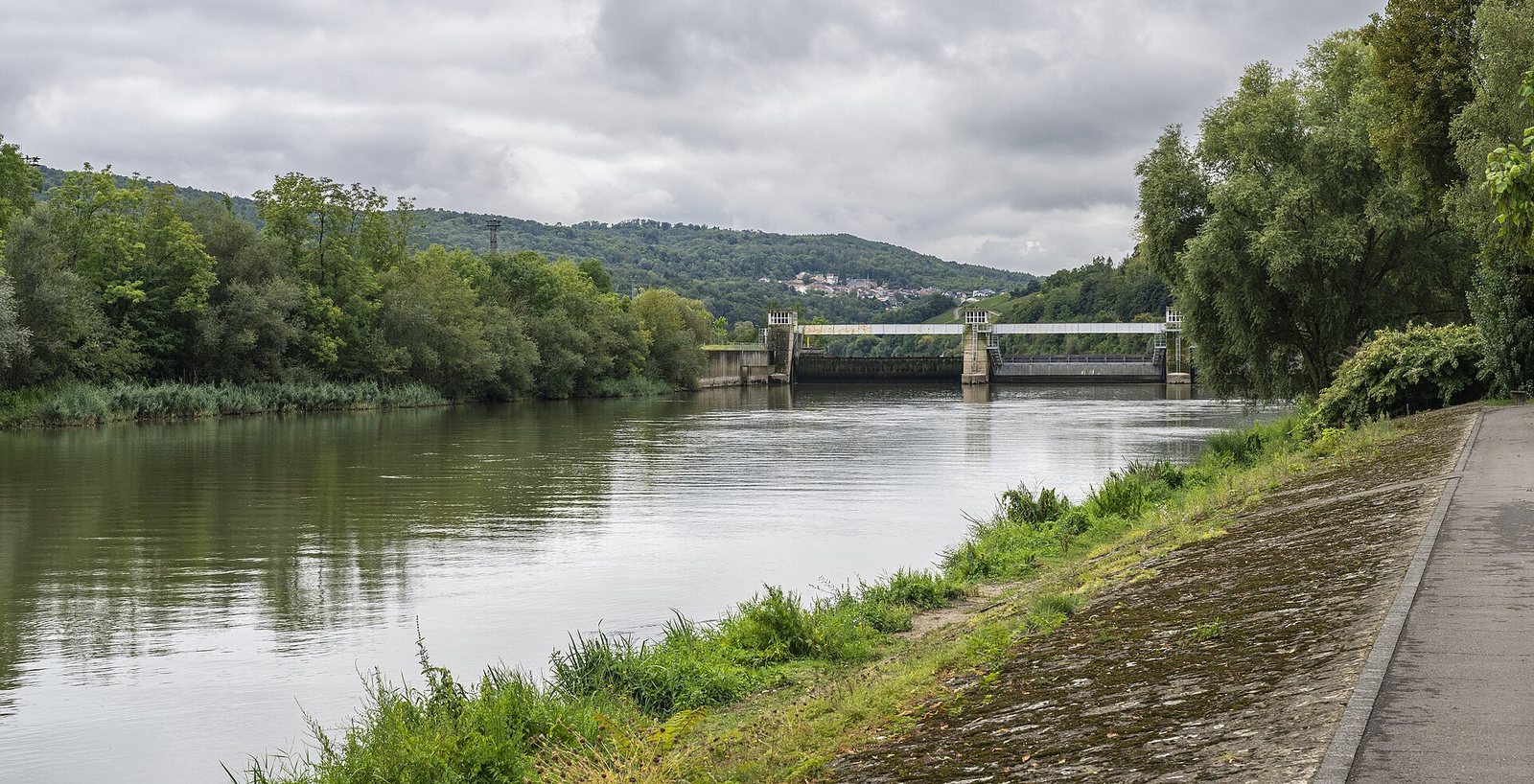
The Moselle is Luxembourg at its most relaxed. Riverside promenades, terraced vineyards and small cellars make it ideal for a slow day of walking, cycling and tasting. Wine has been made here since Roman times, and today the region is best known for its white wines and crémant, a quality sparkling wine made in the traditional method.
Remich
**Remich**, nicknamed the pearl of the Moselle, has a long riverside esplanade with cafés and boat landings. Just outside town, **Caves St Martin** runs tours through sparkling wine cellars cut into the rock. Remich is the most convenient base, with buses from the capital and several hotels.
Grevenmacher and Wormeldange
In **Grevenmacher**, the long-established **Caves Bernard-Massard** offers cellar visits and tastings, and a tropical **Butterfly Garden** delights children. **Wormeldange** is home to the cooperative **Caves Poll-Fabaire** and to family estates such as Domaine Alice Hartmann. Climb the vineyard path to the Koeppchen chapel for a sweeping view across the river.
Schengen
The tiny village of **Schengen**, at the meeting point of Luxembourg, Germany and France, gave its name to the agreement that removed border controls across much of Europe. The **European Museum Schengen** tells the story, and monuments line the riverbank. Nearby, the **Biodiversum** nature centre at Remerschen overlooks ponds rich in birdlife.
Mondorf-les-Bains
A short bus ride inland, **Mondorf-les-Bains** is the country's spa town. The **Mondorf Domaine Thermal** has warm thermal pools, saunas and a park, a good counterpoint to a day of tasting.
Wine festivals and seasons
From late summer, villages hold wine festivals with local producers pouring their latest vintages. The harvest in September and October is the liveliest time, and many cellars open their doors. In spring, look out for open cellar weekends.
Getting there and around
Free regional buses run from Luxembourg City to Remich, Grevenmacher and the villages in between. A riverside cycle path follows the Moselle for its whole length, and in summer, the passenger boat Princesse Marie-Astrid makes cruises between the villages. Check timetables, as boats are seasonal.
Where to stay
Remich and Grevenmacher have the most hotels. Winemakers in smaller villages sometimes rent rooms or holiday flats, which make a lovely, quiet base.
Practical tips
Many small estates welcome visitors by appointment only, so contact them in advance. Cellar tours at the bigger houses run regularly in season. Drink water between tastings, and do not cycle after too many glasses.
A sample day
Catch a morning bus to Schengen and visit the European Museum. Walk or cycle north along the river to Remerschen and the Biodiversum, then continue to Remich for lunch on the esplanade and a tour of Caves St Martin. In the afternoon, take a bus to Wormeldange and climb to the Koeppchen chapel before a final tasting in Grevenmacher and the bus back to the capital.
Understanding the wines
Luxembourg's Moselle wines are mostly dry whites. Riesling is the most prized, with lively acidity. Pinot Gris is rounder, Auxerrois soft and aromatic, and Rivaner and Elbling are light, easy everyday wines. Look for the national quality marks on the labels, and ask cellars about their crémant, which is often the highlight.
Questions about the Moselle valley
What is crémant de Luxembourg?
It is a sparkling wine made in the traditional method, with the second fermentation in the bottle, from Moselle grapes. It is the region's signature drink.
Do I need to book wine tastings?
Large cellars such as Caves St Martin and Bernard-Massard run regular tours in season. Small family estates usually need an appointment.
Can I visit the Moselle without a car?
Yes. Free buses link the capital with the wine villages, and the riverside cycle path and summer boats connect the villages to each other.
When is the best time to visit the Moselle?
September and October bring the harvest and wine festivals. May to August is warm and good for cycling and river cruises.
Facts checked . Fees, schedules and entry rules change, so always confirm the latest with the official source.