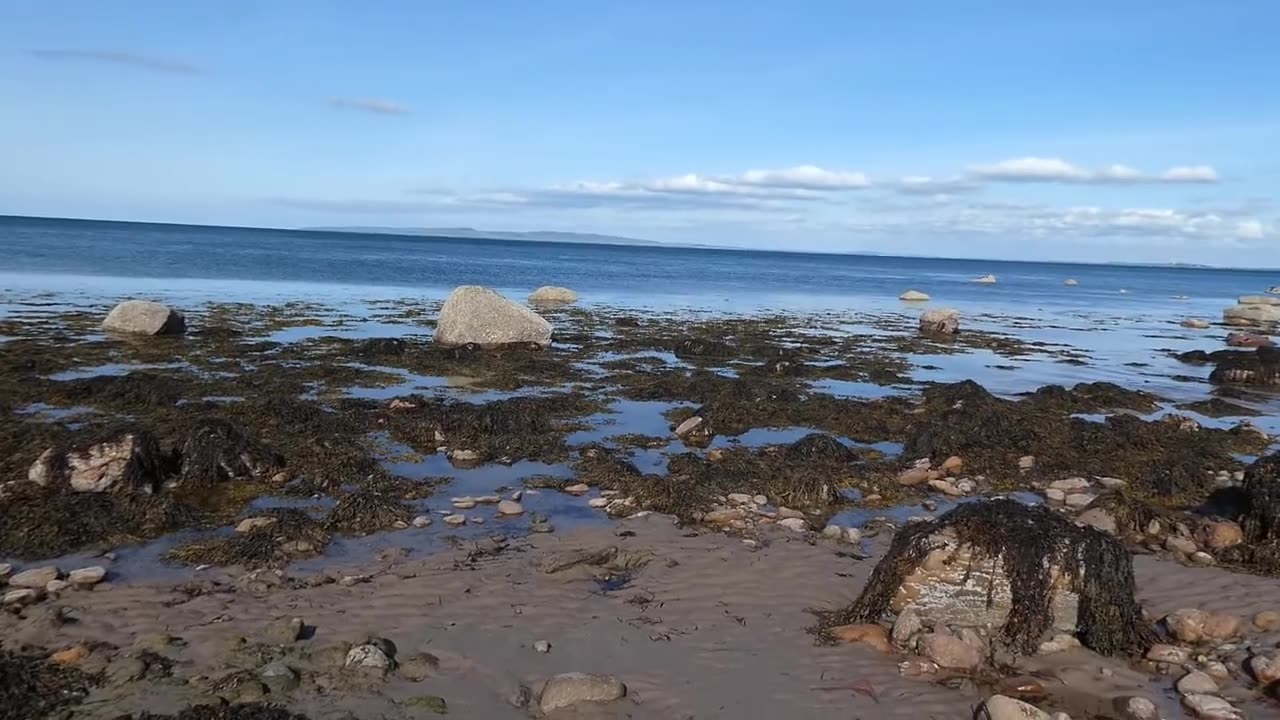
Dingle Peninsula, IrelandVideo: Maoileann, CC BY-SA 4.0, via Wikimedia Commons
Find your Bliss in Ireland
Ireland, made simple: green coasts, warm pubs, old stones and a hundred thousand welcomes
Ireland is a small island of lively cities, wild Atlantic coasts, ancient monuments and pubs where a stranger can be part of the craic within minutes. It is safe, English speaking and easy to love, but the weather changes by the hour, rural transport takes planning and Dublin can surprise you on cost. This guide takes the guesswork out so you travel with confidence.
Your trip, step by step
- Before you flyEntry rules for your passport, the Common Travel Area, seasons and budgets, answered
- LandingDublin, Shannon or Cork airport, buses into town, cards and your first night, explained
- Your days in IrelandCities, coasts, castles and trad sessions, planned with care
- Home againDeparture tips, including US preclearance at Dublin and Shannon, so the last day is calm
Where to go, eat and stay
- Plain answersClear, honest guidance on the questions first-timers actually ask.
- Official sourcesEntry, health and safety facts point you to the official pages to confirm.
- No price surprisesWe explain the euro, card payments, Leap cards, tipping and how to keep Dublin affordable.
- Free to useEvery guide and the trip planner are free.
Our promise
Ireland should feel like a warm welcome, not a worry. We answer the questions about entry, money, weather, transport and costs before they start, so you arrive confident and ready to find your Bliss.
Coming home from Boston, Toronto, London or Sydney to see cousins, or tracing an ancestor who left from Cobh? This guide was written with you in mind too.
How to use this guide
Four steps from first idea to a trip that feels easy.
- Choose your IrelandCity breaks, wild coasts, castles, music or family roots: start with the destinations that fit you.
- Sort the essentialsEntry rules, the right season and current travel advice, checked against official sources.
- Pick your placesUse our places to visit list for pubs, cafés, museums, walks and stays across the country.
- Plan your routeUse the free trip planner to link Dublin, Galway, Kerry and Cork by train and coach at a relaxed pace.
Everything your Ireland trip needs
Free tools and guides for every stage of the journey.
Destinations
Dublin, Galway and Connemara, Killarney and Kerry, Cork and Clare, each explained in depth.
Explore destinationsPlaces to visit
More than a hundred pubs, cafés, museums, walks, markets and stays, from classics to hidden corners.
See places to visitFlights and stays
Search flights into Dublin, Shannon and Cork and stays in every region.
Plan travelPlaces finder
Restaurants, sights and stays mapped around each base.
Find placesFree trip planner
Tell us your dates and interests and build a route that fits.
Plan your trip
The classic Ireland trip
Dublin, the Wild Atlantic Way and the lakes of Kerry
Most first trips give Dublin three nights for Trinity College, Kilmainham Gaol, the pubs and a day at Howth or Glendalough. Then the train crosses the country to Galway for music and Connemara, a coach or tour runs south to the Cliffs of Moher and the Burren, and Killarney becomes the base for the Ring of Kerry and Dingle. Finish in Cork for the English Market and Cobh. Ten days covers the classics; two weeks lets you slow down.
- Book of Kells and a trad session in Dublin
- The Cliffs of Moher and the Burren in Clare
- Lakes and mountains around Killarney
- The English Market and Cobh in Cork
Start with the destinations
See how the capital, the west and the south fit together.
Ireland destinationsPlan with confidence
Your route, without the worry
Ireland rewards a little preparation: entry checked for your passport, a waterproof jacket, Dublin rooms booked early, and a realistic plan for buses and trains in the west. Our free planner helps you shape it.
- Realistic coach and train times between regions
- The right season for long evenings, festivals or quiet roads
- How to keep Dublin and the west affordable
Where to go in Ireland
From Georgian Dublin and musical Galway to the lakes of Kerry, the food of Cork and the cliffs and limestone of Clare.
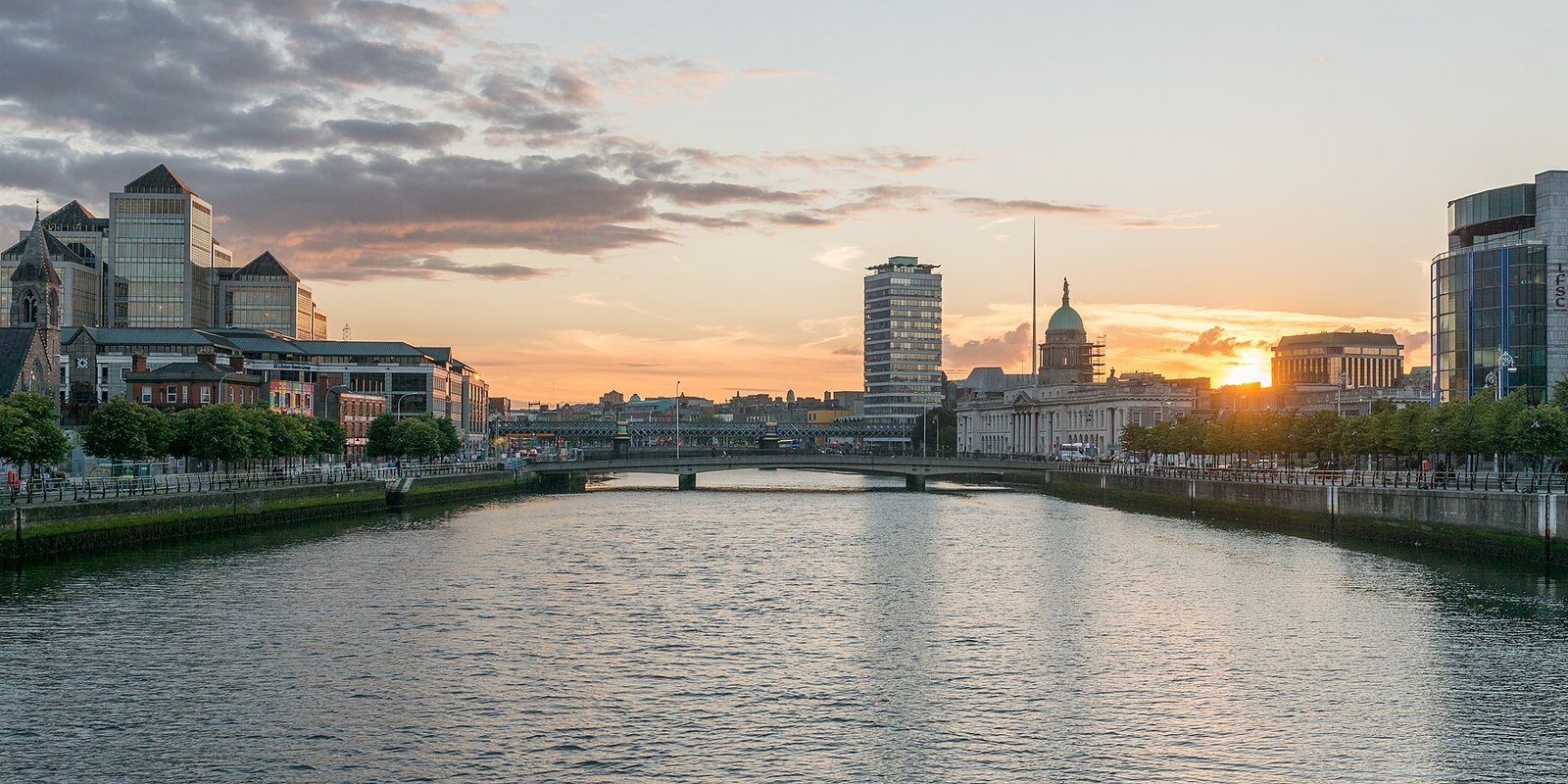
Leinster
Dublin
A friendly, walkable capital of Georgian squares, world class free museums, literary history and famous pubs, with the sea and mountains close by.
Read the guidePhoto: DXR, CC BY-SA 4.0, via Wikimedia Commons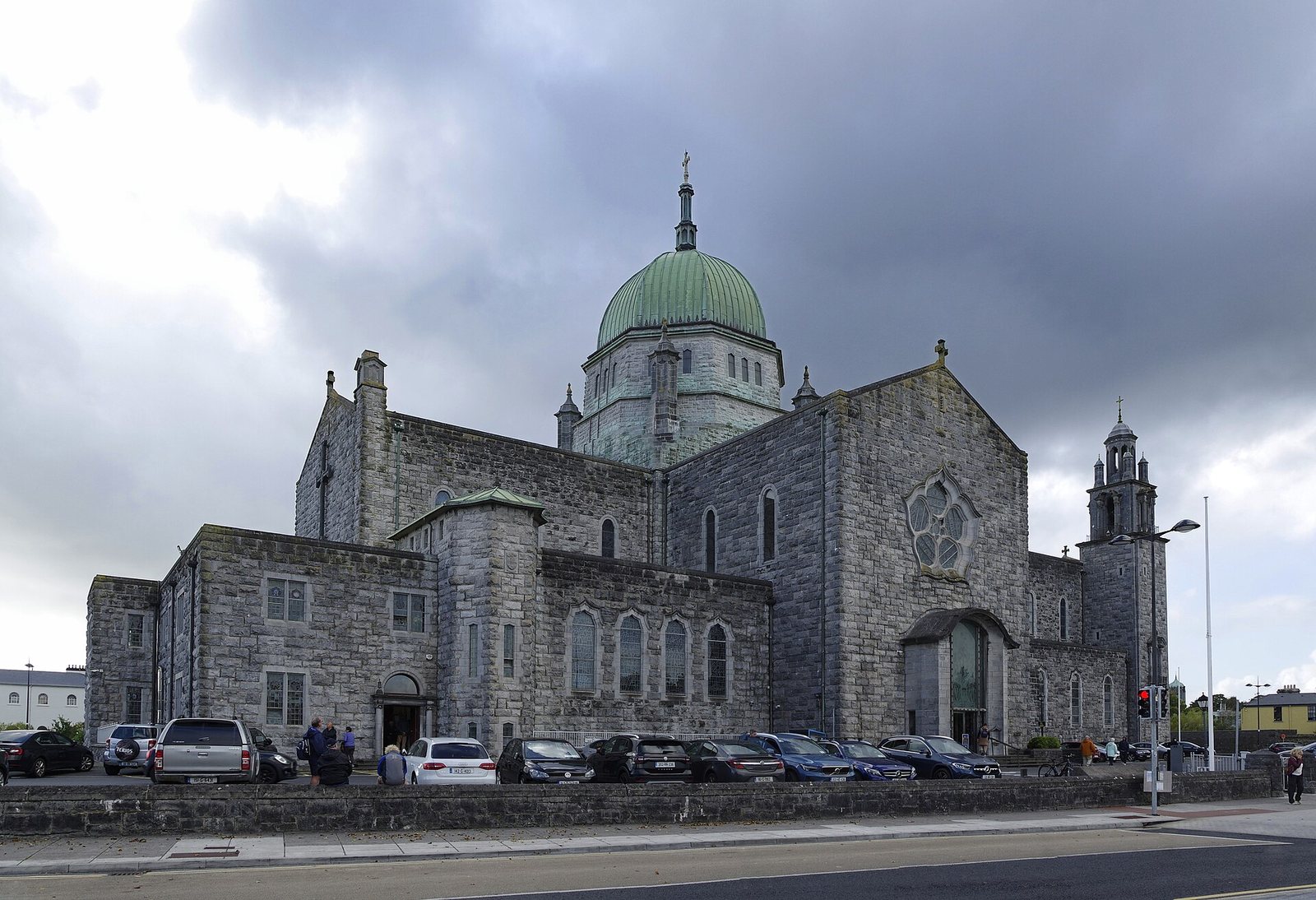
Connacht
Galway and Connemara
Ireland's most musical city, gateway to the bogs, mountains and lakes of Connemara and the stone walled Aran Islands.
Read the guidePhoto: Berthold Werner, CC BY-SA 4.0, via Wikimedia Commons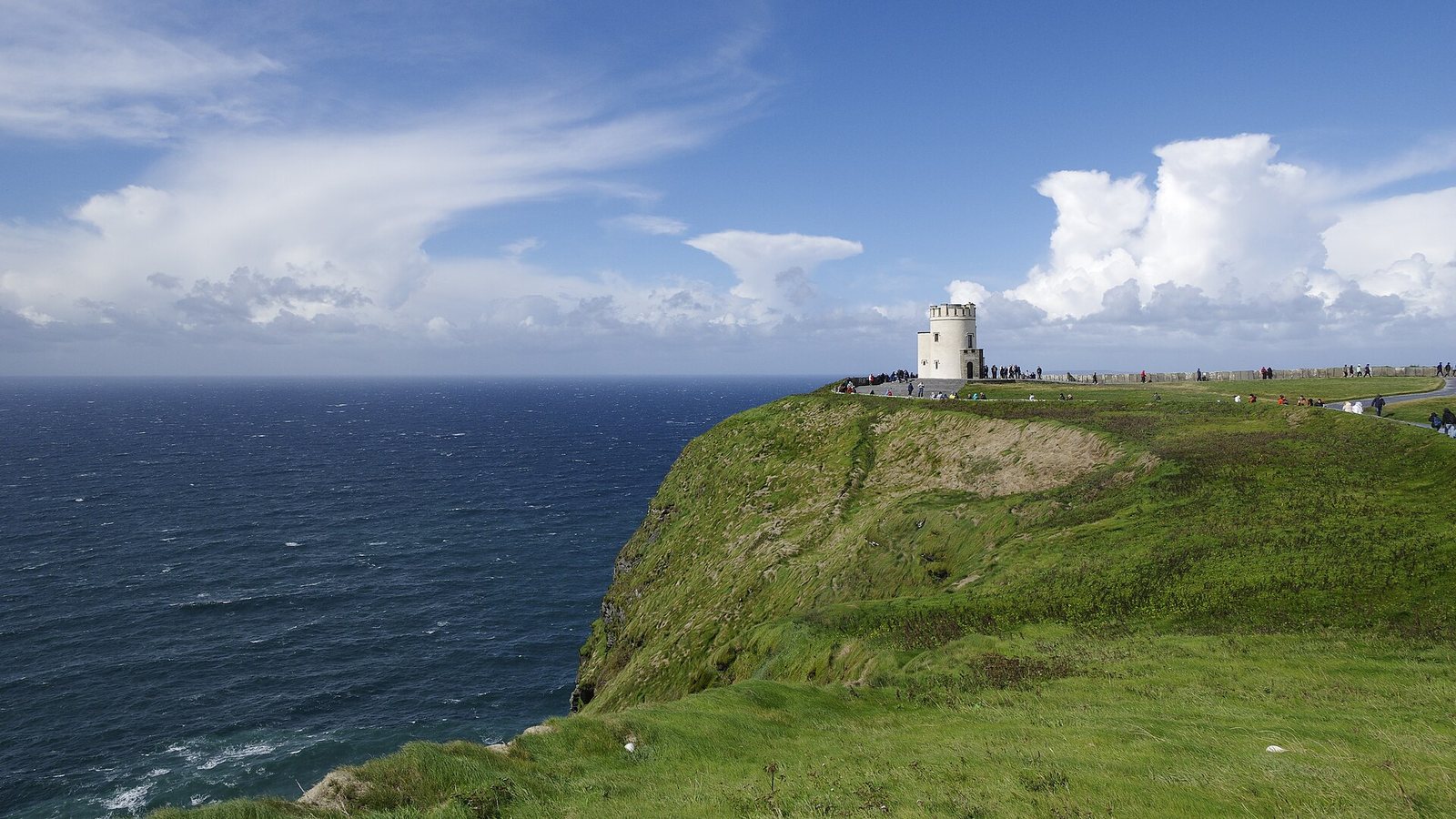
Munster
Clare and the Cliffs of Moher
Towering Atlantic cliffs, the lunar limestone of the Burren and the trad music village of Doolin on Ireland's west coast.
Read the guidePhoto: Berthold Werner, CC BY-SA 4.0, via Wikimedia Commons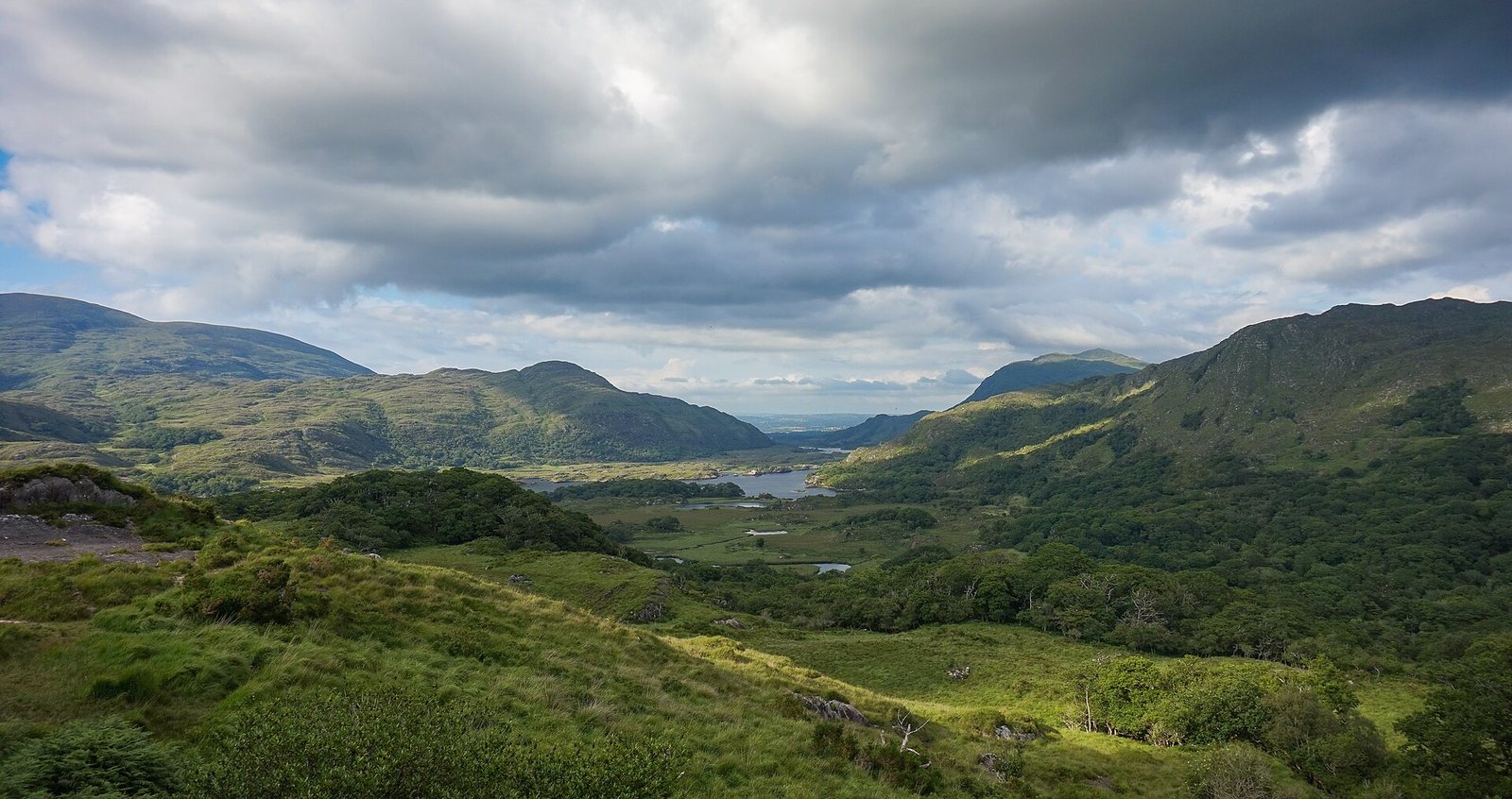
Munster
Killarney and Kerry
Lakes, oak woods and Ireland's highest mountains around Killarney, with the Ring of Kerry, Dingle and Skellig Michael close by.
Read the guidePhoto: Marco Ober, CC BY-SA 4.0, via Wikimedia Commons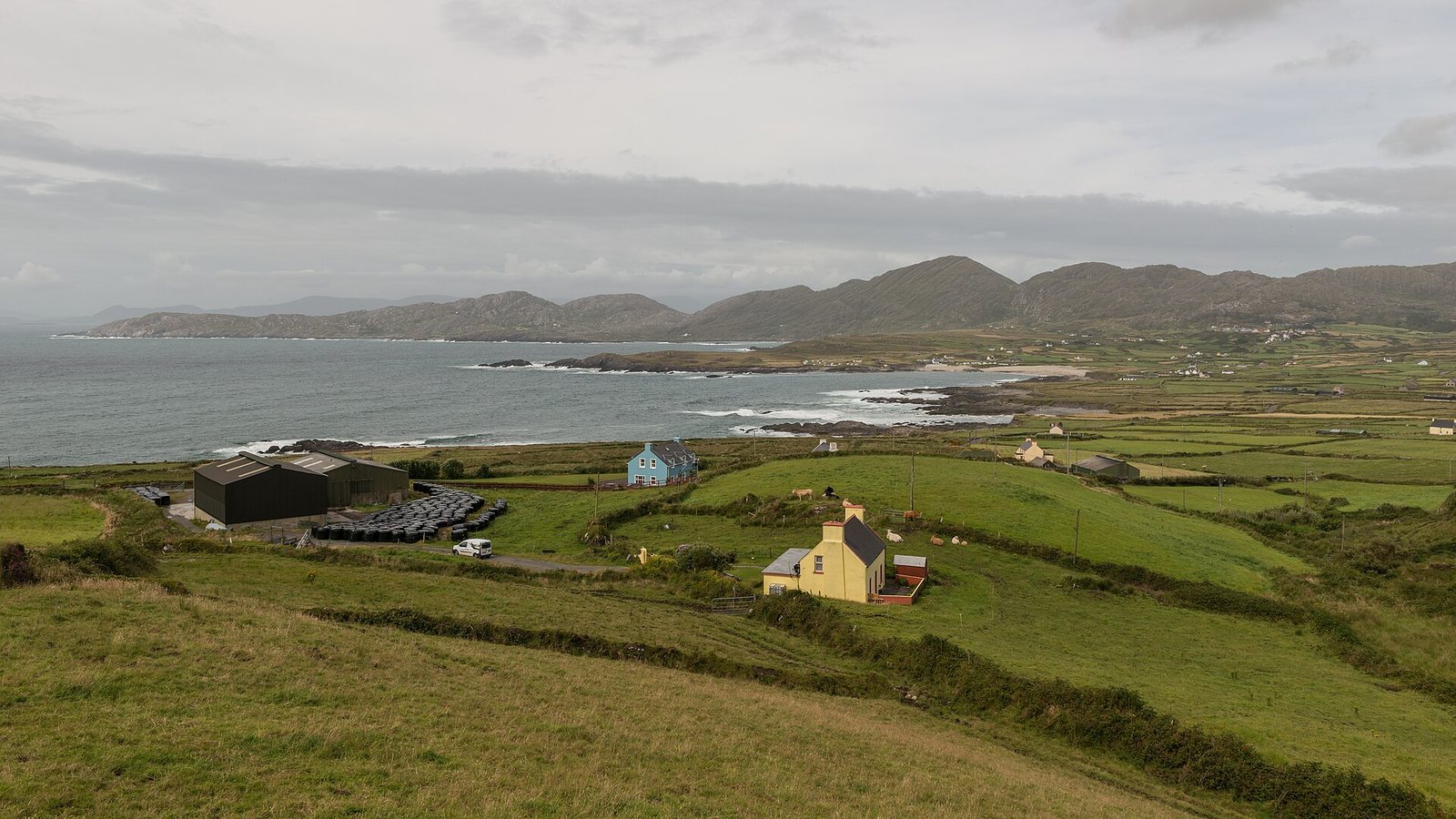
Munster
Cork
Ireland's proud second city and food capital, with the English Market, Blarney, emigrant Cobh, Kinsale and the coves of West Cork nearby.
Read the guidePhoto: DXR, CC BY-SA 4.0, via Wikimedia Commons
A note from our founder
A note from our founder
My first time visiting Kenya, I was genuinely surprised with how fast it began feeling like home. The people are so friendly, the food is delicious and familiar, and the accommodations are modern and upscale.
During my travels throughout the continent, I commonly hear tourists share stories about being scammed or taken advantage of, which is both frustrating and disheartening.
Living in Kenya for the last 2 years, I have had the great fortune to meet a network of wonderful Kenyans who have continuously help guide my family's journey. Their shared knowledge has not only greatly enhanced our overall experience here, but it has also saved us tons of time, energy, and resources.
With BlissPoint Travel, my hope is to build a global community that is willing to share useful, uncommon knowledge so that we can all blissfully enjoy the wonders our world has to offer.
Questions we hear most
Is Ireland safe for tourists?
Yes. Ireland is one of the safer countries in Europe. The main risks are pickpocketing in busy Dublin areas, late night rowdiness and narrow rural roads. Check your government's current travel advice before you go.
Do I need a visa for Ireland?
It depends on your passport. Many nationalities, including US, Canadian and Australian citizens, have generally not needed a visa for short visits, but rules change. Ireland is not in Schengen, so check the Irish Immigration Service site for your nationality.
How many days do I need in Ireland?
A week covers Dublin and one region of the west. Ten days to two weeks lets you add Galway, Clare, Kerry and Cork without rushing.
What currency does Ireland use?
The Republic of Ireland uses the euro. Northern Ireland, which is part of the UK, uses pounds sterling. Cards and contactless payments are accepted almost everywhere.
When is the best time to visit Ireland?
May, June and September usually bring the best mix of long days, milder weather and fewer crowds. Summer is busiest, and rain is possible in every month.
Can I see Ireland without driving?
Yes. Trains and intercity coaches link Dublin with Galway, Cork, Killarney and Limerick, and day tours reach the Cliffs of Moher, Connemara and the Ring of Kerry.
Ready to plan your Ireland trip?
Use the free trip planner to shape your route, or send us a question through the contact page.