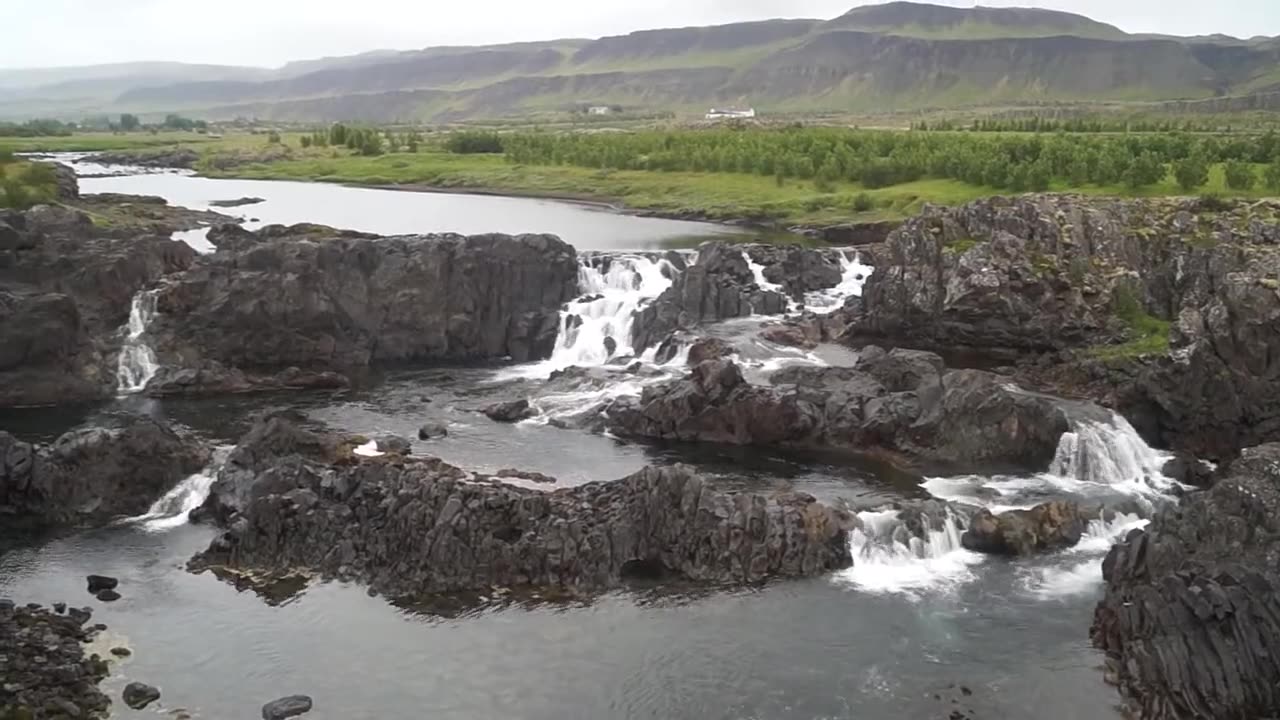
Glanni waterfalls, IcelandVideo: Alexander Grebenkov, CC BY 3.0, via Wikimedia Commons
Find your Bliss in Iceland
Iceland, made simple: waterfalls, hot pools, glaciers and the northern lights
Iceland is a small, safe island of volcanoes, glaciers, black sand beaches and geothermal pools, with a friendly, creative capital and nature that feels close at every turn. It is easy to love but full of real questions: fast changing weather, high costs, long distances and Schengen entry rules. This guide answers them so you can travel with confidence.
Your trip, step by step
- Before you flySchengen entry, seasons, budgets and what to pack for wind and rain, answered
- LandingKeflavík Airport, the airport bus into Reykjavík, cards and your first night
- Your days in IcelandWaterfalls, hot pools, glacier walks, whales and the aurora, planned with care
- Home againDeparture tips so the last day is calm too
Where to go, eat and stay
- Plain answersClear, honest guidance on the questions first-timers actually ask.
- Official sourcesEntry, road, weather and safety facts point you to the official pages to confirm.
- No price surprisesWe explain cards, tipping, tours and typical budgets so Iceland's costs never catch you off guard.
- Free to useEvery guide and the trip planner are free.
Our promise
Iceland should feel like wonder, not worry. We answer the questions about entry, money, weather, roads and safety before they start, so you arrive confident and ready to find your Bliss.
Coming from Manitoba, Copenhagen or Seattle to see family, or tracing an ancestor who sailed west in the 1870s? This guide was written with you in mind too.
How to use this guide
Four steps from first idea to a trip that feels easy.
- Choose your IcelandCity and pools, waterfalls and glaciers, quiet peninsulas or the whale watching north: start with the destinations that fit you.
- Sort the essentialsEntry rules for your passport, the right season and the official road and weather sites, checked before you go.
- Pick your placesUse our places to visit list for restaurants, cafés, hot pools, museums and stays around the island.
- Plan your routeUse the free trip planner to link Reykjavík, the south and the north at a pace the weather allows.
Everything your Iceland trip needs
Free tools and guides for every stage of the journey.
Destinations
Reykjavík, the Golden Circle, the South Coast, Snæfellsnes and Akureyri, each explained in depth.
Explore destinationsPlaces to visit
More than a hundred restaurants, cafés, hot pools, museums, hikes and stays, from classics to hidden corners.
See places to visitFlights and stays
Search flights into Keflavík and stays from the capital to the fjords.
Plan travelPlaces finder
Restaurants, sights and stays mapped around each base.
Find placesFree trip planner
Tell us your dates and interests and build a route that fits.
Plan your trip
The classic Iceland trip
Reykjavík, the Golden Circle and the South Coast
Most first trips start with two or three nights in Reykjavík: Hallgrímskirkja, the old harbour, a swim in a neighbourhood pool and a whale watching boat. Then loop the Golden Circle for Þingvellir, Geysir and Gullfoss, and head along the South Coast past Seljalandsfoss and Skógafoss to the black sand at Reynisfjara and the icebergs of Jökulsárlón. A week covers it at an easy pace, and ten days adds Snæfellsnes or a flight north to Akureyri.
- A pool soak and the harbour in Reykjavík
- Þingvellir, Geysir and Gullfoss in one day
- Waterfalls, black sand and a glacier lagoon on the South Coast
- Dark, clear nights for the aurora from September to April
Start with the destinations
See how the capital, the south, the west and the north fit together.
Iceland destinationsPlan with confidence
Your route, without the worry
Iceland rewards a little preparation: entry rules checked for your passport, a budget that expects high prices, layers for wind and rain, and a plan that leaves room for closed roads and storms. Our free planner helps you shape it.
- Realistic driving and tour times between sights
- The right season for midnight sun, ice caves or the aurora
- Day trips from Reykjavík versus nights on the road
Where to go in Iceland
From the colourful capital Reykjavík and the Golden Circle to the waterfalls and glaciers of the South Coast, the Snæfellsnes peninsula and Akureyri in the north.
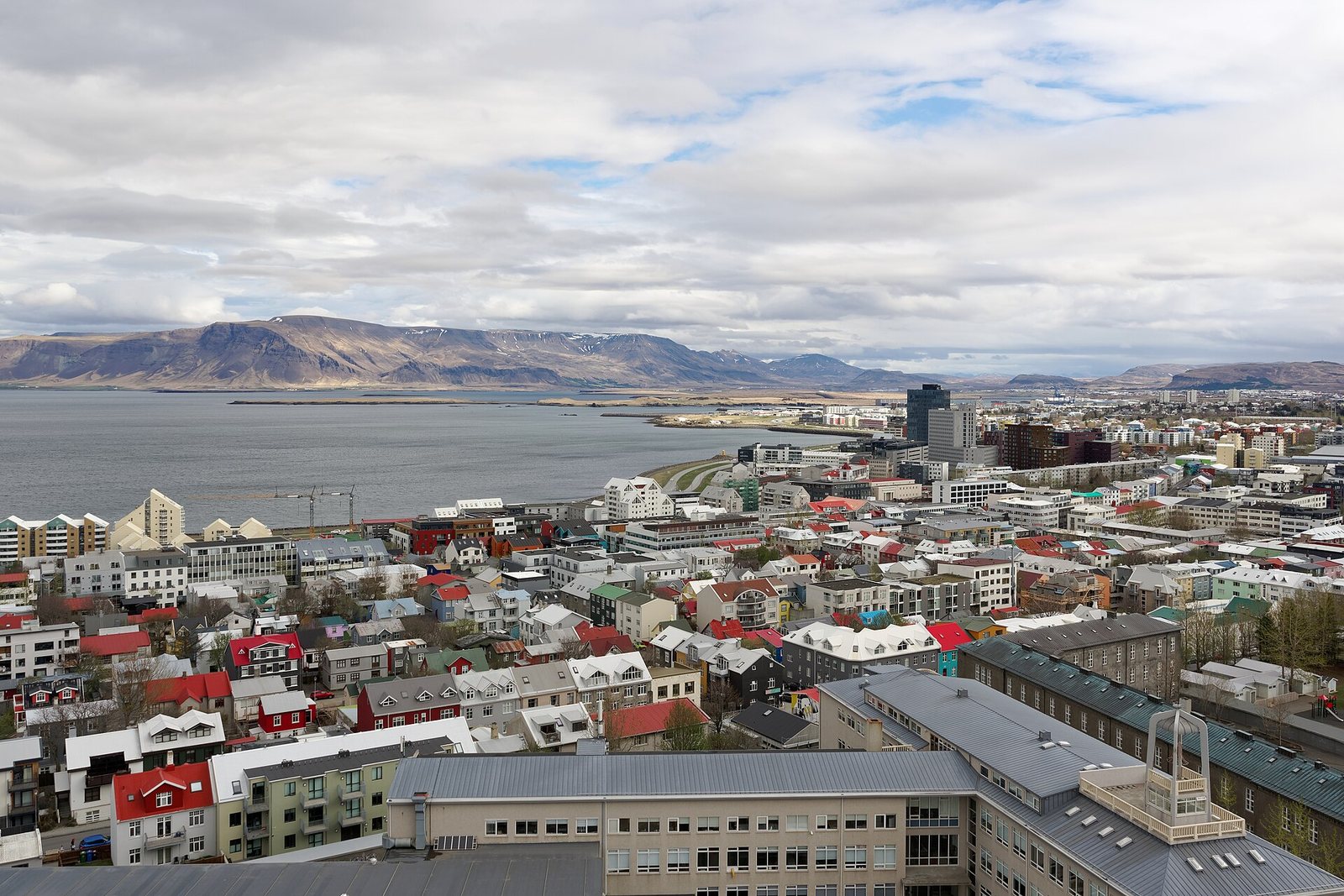
Capital Region
Reykjavík
A small, colourful, walkable capital of pools, harbour food, galleries and live music.
Read the guidePhoto: Jakub Hałun, CC BY-SA 4.0, via Wikimedia Commons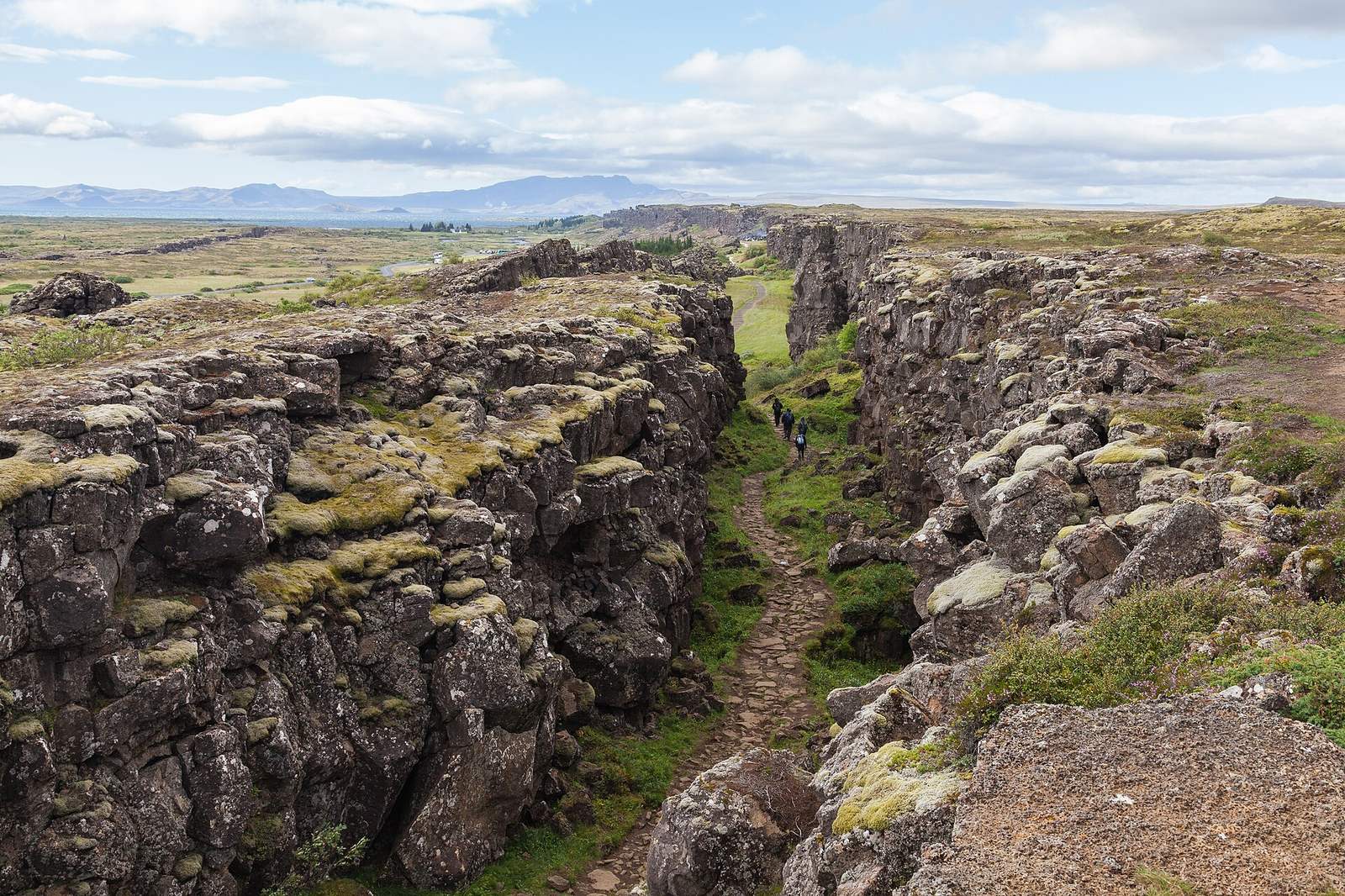
South Iceland
Golden Circle
Iceland's classic loop of a rift valley park, an erupting hot spring and a mighty waterfall.
Read the guidePhoto: Diego Delso, CC BY-SA 4.0, via Wikimedia Commons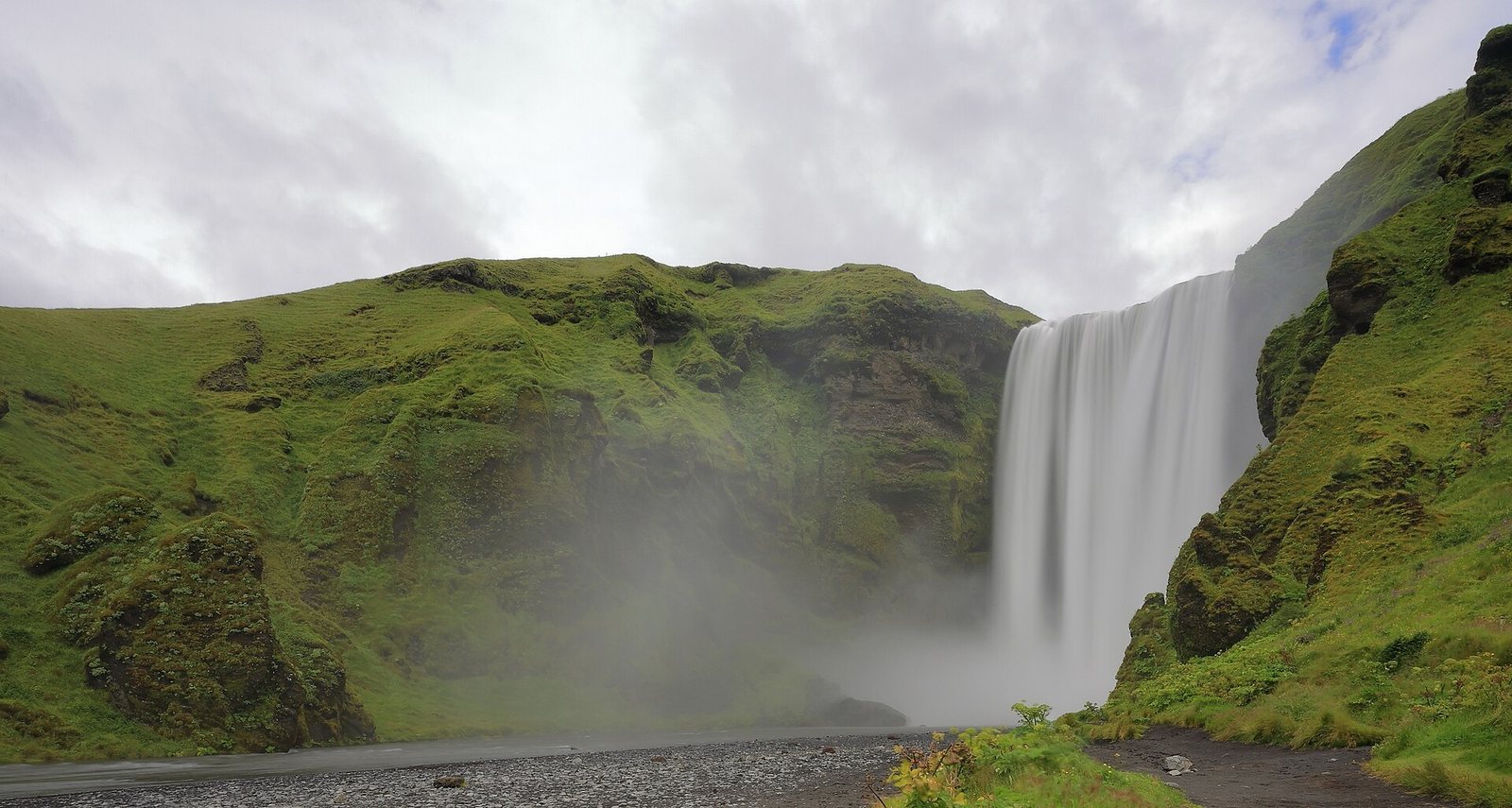
South Iceland
South Coast
Waterfalls, black sand beaches, glacier walks and an iceberg lagoon along Route 1.
Read the guidePhoto: Martin Falbisoner, CC BY-SA 4.0, via Wikimedia Commons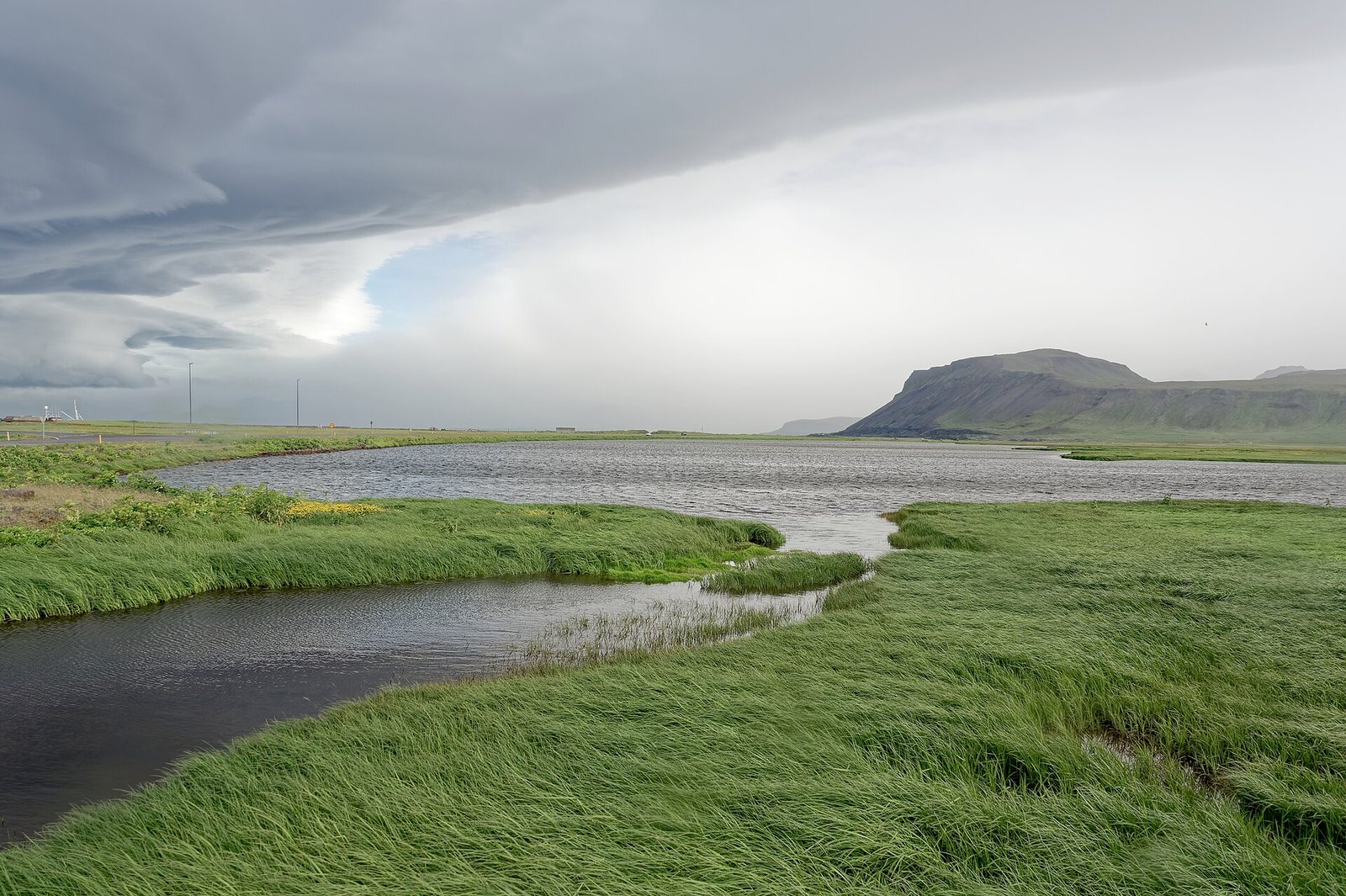
West Iceland
Snæfellsnes
A compact peninsula of lava fields, sea cliffs, a glacier volcano and fishing villages.
Read the guidePhoto: Jakub Hałun, CC BY 4.0, via Wikimedia Commons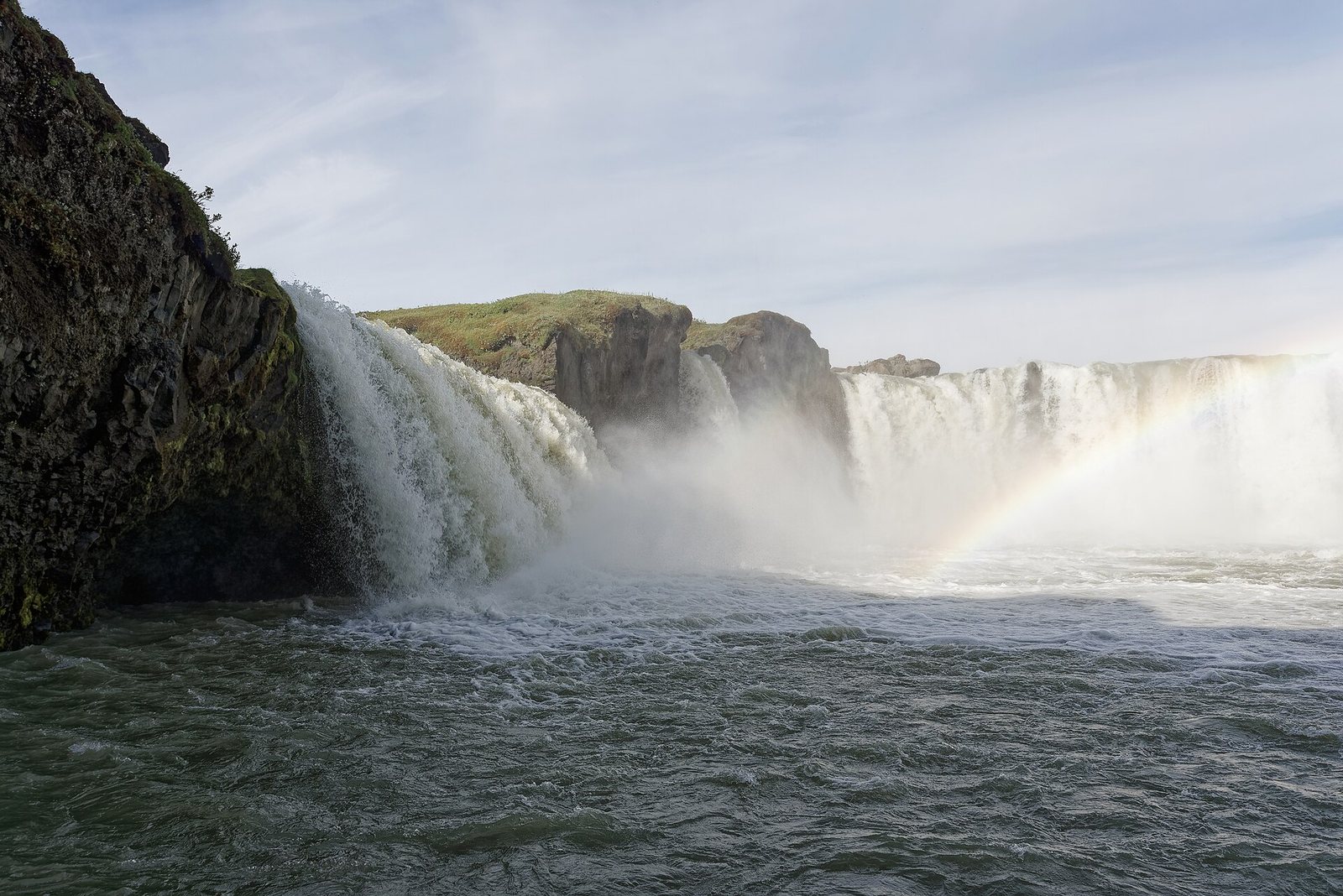
North Iceland
Akureyri and the North
Iceland's friendly second city, with whales, volcanic lakes and Europe's mightiest waterfalls nearby.
Read the guidePhoto: Jakub Hałun, CC BY 4.0, via Wikimedia Commons
A note from our founder
A note from our founder
My first time visiting Kenya, I was genuinely surprised with how fast it began feeling like home. The people are so friendly, the food is delicious and familiar, and the accommodations are modern and upscale.
During my travels throughout the continent, I commonly hear tourists share stories about being scammed or taken advantage of, which is both frustrating and disheartening.
Living in Kenya for the last 2 years, I have had the great fortune to meet a network of wonderful Kenyans who have continuously help guide my family's journey. Their shared knowledge has not only greatly enhanced our overall experience here, but it has also saved us tons of time, energy, and resources.
With BlissPoint Travel, my hope is to build a global community that is willing to share useful, uncommon knowledge so that we can all blissfully enjoy the wonders our world has to offer.
Questions we hear most
Is Iceland safe to visit?
Yes, Iceland has very low crime. The real risks are nature: sneaker waves at Reynisfjara, storms, icy roads, glaciers and volcanic activity on the Reykjanes peninsula. Follow SafeTravel.is and your own government's travel advice.
Do I need a visa for Iceland?
Iceland is in the Schengen area, so the rules depend on your passport. Many visitors need no visa for short stays, and the EU entry systems ETIAS and EES apply. Check the Icelandic Directorate of Immigration before you book.
How many days do I need in Iceland?
Four to five days covers Reykjavík, the Golden Circle and the near South Coast. A week to ten days adds the glacier lagoon, Snæfellsnes or the north, and around two weeks lets you circle the whole Ring Road.
When is the best time to visit Iceland?
June to August brings long days, open highland roads and puffins. September to March brings the northern lights, ice caves and fewer crowds but short days and storms. Shoulder months mix both.
Is Iceland very expensive?
Yes, it is one of the most expensive countries in Europe, especially for eating out, alcohol and tours. Supermarkets, free waterfalls, public pools and self catering keep costs down.
Can I see Iceland without driving?
Yes. Reykjavík is walkable, day tours cover the Golden Circle, South Coast and Snæfellsnes, domestic flights reach Akureyri, and summer buses link many towns, though they run less often in winter.
Plan your Iceland trip
Use the free trip planner to shape a route around your dates, the season and the sights you care about.