At a glance
- Best for
- Pools, food, museums, nightlife and day trips
- Airport
- Keflavík (KEF), about forty five minutes by airport bus
- Time needed
- Two to three days, plus day trips
- Best season
- All year: summer light or winter aurora tours
- Getting around
- Walking, city buses and tour pickups
- Good base for
- Golden Circle, Reykjanes, South Coast and Snæfellsnes tours
Why go
Reykjavík is compact, friendly and full of personality. In a single day you can climb a church tower for views over the bay, eat fresh fish by the old harbour, soak in a geothermal pool with locals and catch a band in a tiny bar. It is also the natural base for day tours, so many visitors sleep here for their whole trip and still see the Golden Circle, the South Coast and the northern lights.
Top things to do
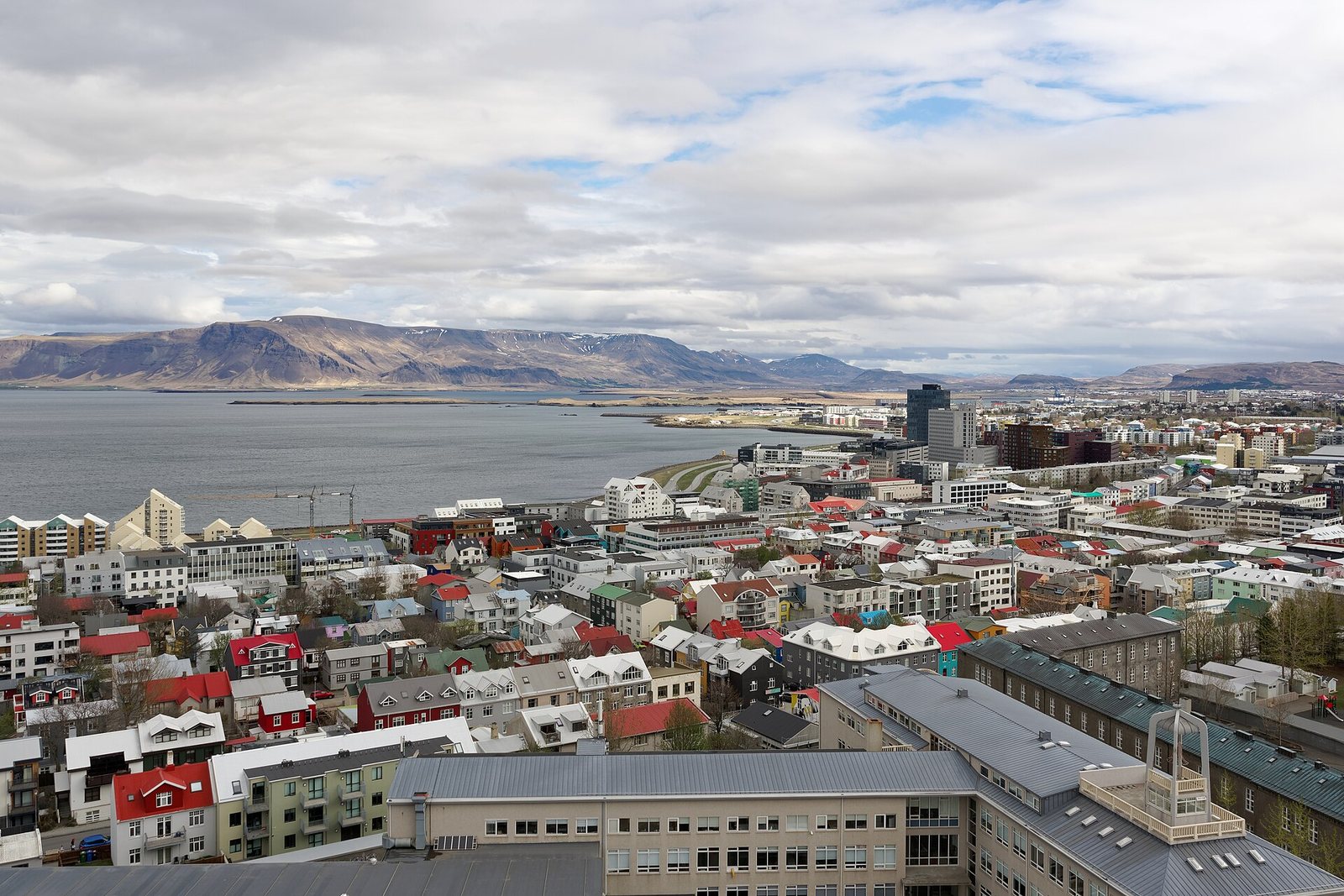
Start at **Hallgrímskirkja**, the soaring church at the top of Skólavörðustígur, and take the lift up the tower for the classic view of coloured roofs. Walk down the rainbow painted street to **Laugavegur**, the main shopping street, and on to **Harpa**, the glass concert hall on the waterfront. From the **Old Harbour**, boats leave for whale watching and puffin trips in summer, and the area is packed with fish restaurants, ice cream and museums such as **Whales of Iceland** and the **Saga Museum**.
For history, the **National Museum of Iceland** tells the story from the Viking settlement onward, and **Reykjavík 871±2** shows the remains of a longhouse found under the city. Art lovers should see the **Reykjavík Art Museum** across its three sites. At sunset, walk the shoreline to the **Sun Voyager** sculpture.
Pools and lagoons
The pools are where Reykjavík relaxes. **Vesturbæjarlaug** and **Sundhöll Reykjavíkur** are classic neighbourhood pools, and **Laugardalslaug** is the biggest. Shower without a swimsuit before you swim: it is the rule and staff will check. For a spa experience, **Sky Lagoon** sits on the coast at Kársnes, and the **Blue Lagoon** is near the airport, so many people visit it on arrival or departure day.
Food and nightlife
Try lamb soup, fresh cod and Arctic char, skyr, and a hot dog from **Bæjarins Beztu Pylsur**, a city institution. Food halls such as **Hlemmur Mathöll** and **Grandi Mathöll** are good value by local standards. Friday and Saturday nights run late, with bars along Laugavegur and Bankastræti. Look for happy hours, which make drinks far more affordable.
Where to stay
Stay in **101**, the central postcode around Laugavegur and the harbour, to walk everywhere. **Hlemmur** and the area near Hallgrímskirkja are slightly quieter, and **Grandi** by the harbour is lively and modern. Book early in summer, when the city fills up.
Getting there and around
The Flybus and other airport buses connect Keflavík to central Reykjavík, timed to flights. The centre is walkable, and Strætó city buses cover the suburbs. Most day tours pick up from hotels or from numbered bus stops in the centre.
Practical tips
Bring layers and a waterproof jacket even in summer. Cards are accepted almost everywhere. In winter, daylight can be only four to five hours in December, so plan sightseeing around midday. Plan your Reykjavík days with our places to visit list and the free trip planner.
A simple two day plan
On day one, climb Hallgrímskirkja in the morning, wander Skólavörðustígur and Laugavegur for coffee and wool shops, then visit the National Museum after lunch. Spend the late afternoon at Vesturbæjarlaug like a local and finish with dinner in Grandi. On day two, take a morning whale watching or puffin boat from the Old Harbour, walk the shoreline past Harpa to the Sun Voyager, and end the day at Sky Lagoon or at Grótta lighthouse for the sunset, or the aurora if the forecast on vedur.is looks promising.
Questions about Reykjavík
How many days do I need in Reykjavík?
Two days covers the city itself. Most people stay longer and use it as a base for day tours to the Golden Circle, South Coast and Snæfellsnes.
Can I see the northern lights from Reykjavík?
Sometimes, on clear, active nights from September to April, especially from Grótta lighthouse. Tours that drive away from city lights give better odds.
Is the Blue Lagoon worth it?
It is beautiful and convenient for the airport, but busy and must be booked ahead. Sky Lagoon or a local pool are good alternatives, and the lagoon can close during nearby volcanic activity.
Is Reykjavík safe at night?
Yes, it is one of the safest capitals anywhere. Use normal care on busy weekend nights and watch for icy pavements in winter.
Facts checked . Fees, schedules and entry rules change, so always confirm the latest with the official source.