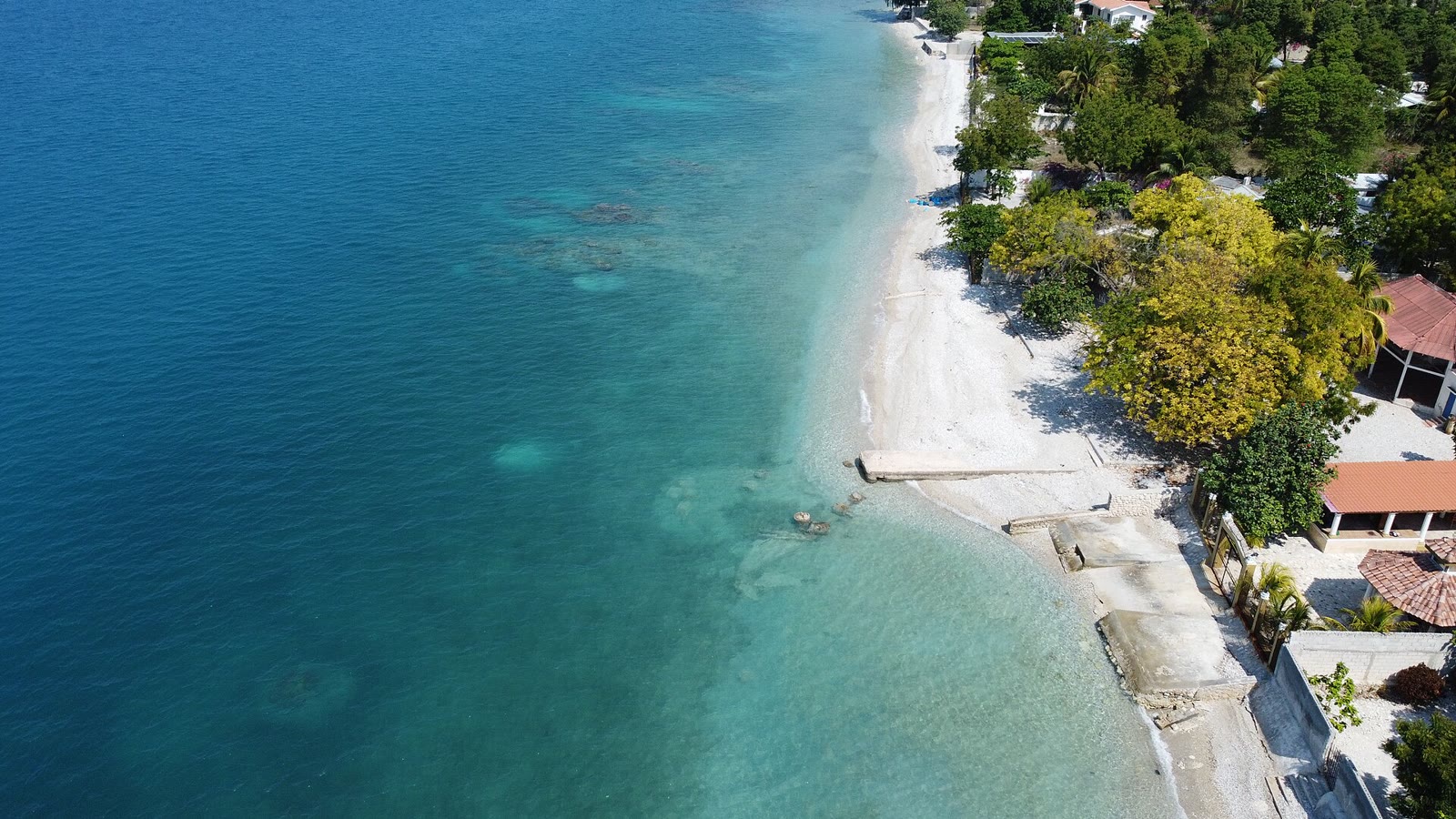
North coast beach, Photo: Hudson-explore, CC BY-SA 4.0 , via Wikimedia Commons
Find your Bliss in Haiti
Haiti, explained honestly: the Citadelle above Milot, the painted balconies of Jacmel and a culture that shaped the Caribbean
Haiti was the first Black republic and the first free nation in Latin America and the Caribbean. It has mountain fortresses, empty beaches, the richest art scene in the region and food that people cross oceans to taste. It also faces a serious security crisis, and most governments currently advise against travel. This guide gives you the plain truth, so you can decide and plan with care.
Your trip, step by step
- Before you goCurrent government advice, entry rules for your passport, insurance and health, checked against official sources
- ArrivingWhich airports are open, how flights into Cap-Haïtien work and how your first ride is arranged
- Your days in HaitiThe Citadelle, the north coast, Jacmel and the south, planned with trusted hosts and a careful pace
- Heading homeDeparture checks, flight changes and what you can carry home, so the end of the trip is calm
Where to go, eat and stay
- Plain answersHonest guidance on the questions visitors and the diaspora actually ask about Haiti, including the hard ones.
- Official sourcesEntry, health and safety facts point you to official government pages to confirm before you travel.
- No price surprisesWe explain cash, exchange, tipping and transport so nothing catches you off guard.
- Free to useEvery guide and the trip planner are free.
Our promise
Haiti deserves to be understood, not feared blindly or visited carelessly. We answer the questions about safety, entry, money, transport and food plainly, so you can make an informed choice and, if you go, travel with confidence and find your Bliss.
Right now most foreign governments advise against all travel to Haiti, mainly because of armed gangs in and around Port-au-Prince. The visitors who still go are mostly diaspora families and people with trusted local contacts, and they usually fly into Cap-Haïtien in the north. Read the safety section before anything else.
How to use this guide
Four steps from first question to a careful, well planned trip.
- Read the safety adviceStart with your government's current travel advice for Haiti and our plain summary of what it means on the ground.
- Choose your regionThe north around Cap-Haïtien and the Citadelle, Jacmel in the southeast or the far south coast: start with the destinations.
- Sort the essentialsEntry rules for your passport, flights that are actually operating, insurance that covers Haiti and cash plans.
- Plan your routeUse the free trip planner to shape a short, realistic itinerary with trusted hosts.
Everything your Haiti trip needs
Free guides and tools for every stage of the journey.
Destinations
Cap-Haïtien, the Citadelle and Milot, Jacmel, Port-Salut and Île-à-Vache, and Port-au-Prince, explained honestly.
Explore destinationsPlaces to visit
More than a hundred historic sites, beaches, restaurants, galleries, markets and stays, from classics to quiet corners.
See places to visitFlights and stays
Search flights into Cap-Haïtien and stays across the country.
Plan travelPlaces finder
Sights, restaurants and stays mapped around each base.
Find placesFree trip planner
Tell us your dates and interests and build a route that fits.
Plan your trip
The north
A mountaintop fortress and a coast of quiet coves
The north is where most visitors go today. Cap-Haïtien has gingerbread houses, a seafront boulevard and a relaxed pace, and above the town of Milot the Citadelle Laferrière, a UNESCO World Heritage site, crowns a mountain with views to the sea. West of the city, small beaches and coves around Cormier and Labadie are reached by road and boat.
- The Citadelle and Sans-Souci Palace
- Cap-Haïtien's old town and boulevard
- Beaches at Cormier, Paradis and Labadie
Start with the destinations
See how the north, Jacmel and the south coast fit together.
Haiti destinationsPlan with care
Your Haiti trip, without the guesswork
A good trip to Haiti right now depends on a few things: reading current government advice, flying into an airport that is operating, staying with trusted hosts, arranging every road journey in advance and carrying enough cash. Our free planner helps you shape it.
- Current advice summarised plainly
- Realistic road times and safer routes
- Carnival, Fête Gede and holiday dates
Where to go in Haiti
The north around Cap-Haïtien is the most accessible region today. Jacmel and the south coast are beautiful but harder to reach while road links through Port-au-Prince are unsafe.
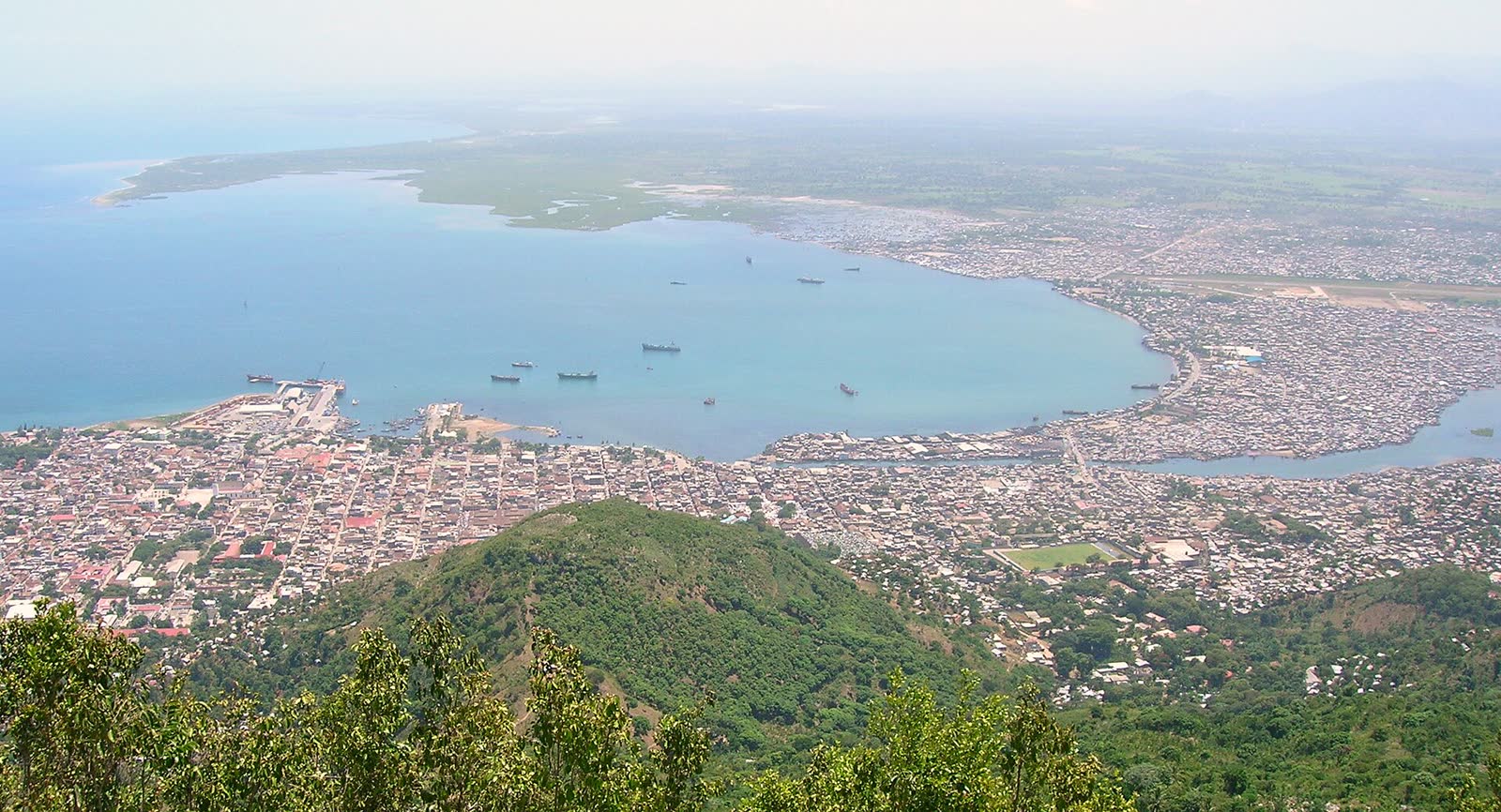
Nord, Haiti
Cap-Haïtien
Haiti's historic second city: gingerbread houses, a seafront boulevard, nearby beaches and the gateway to the Citadelle.
Read the guidePhoto: Rémi Kaupp, CC BY-SA 3.0, via Wikimedia Commons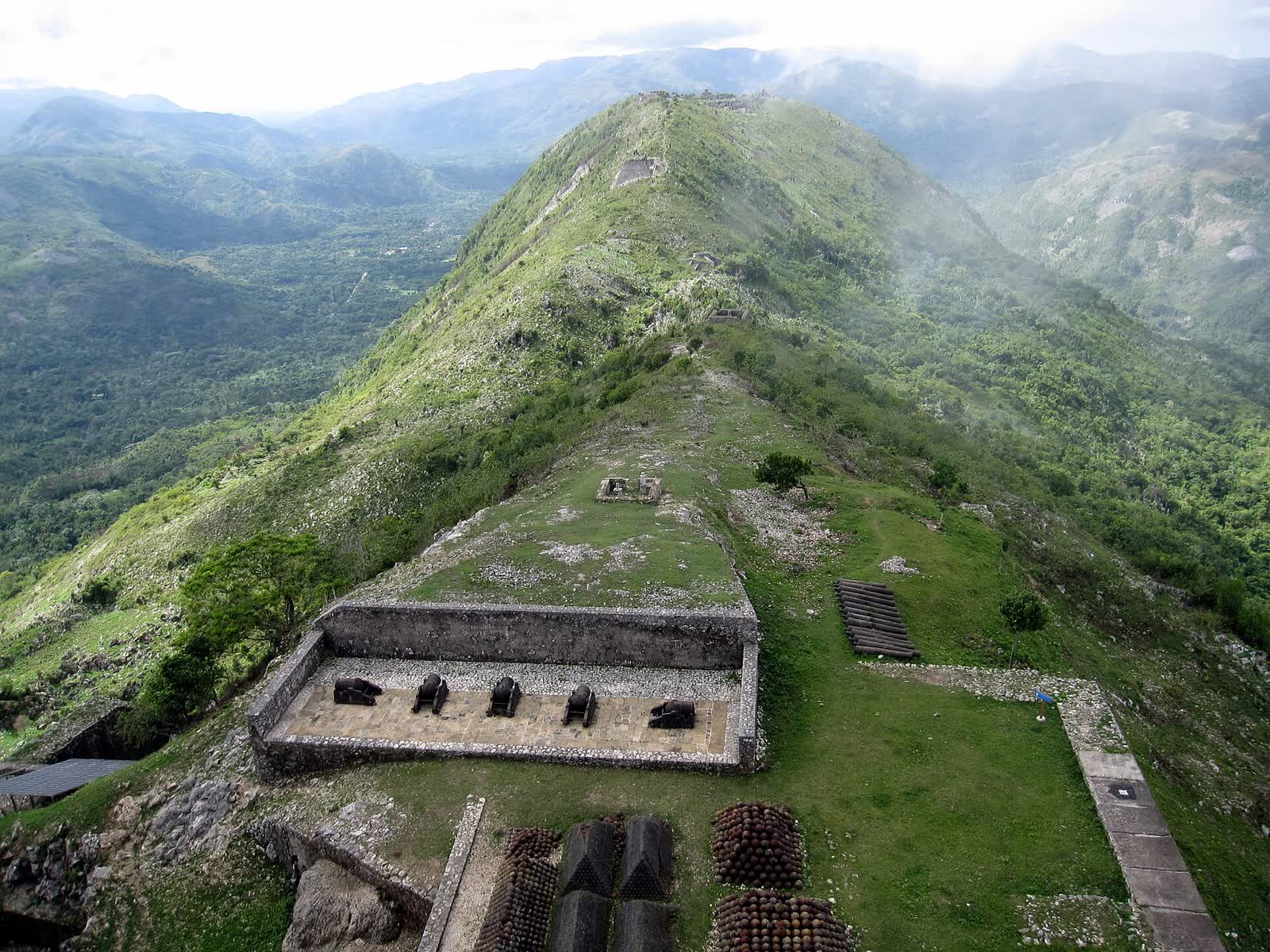
Nord, Haiti
Citadelle and Milot
Haiti's great monument: a vast fortress on a mountaintop and the ruined palace of King Henri Christophe below it.
Read the guidePhoto: Stefan Krasowski from New York, NY, USA, CC BY 2.0 , via Wikimedia Commons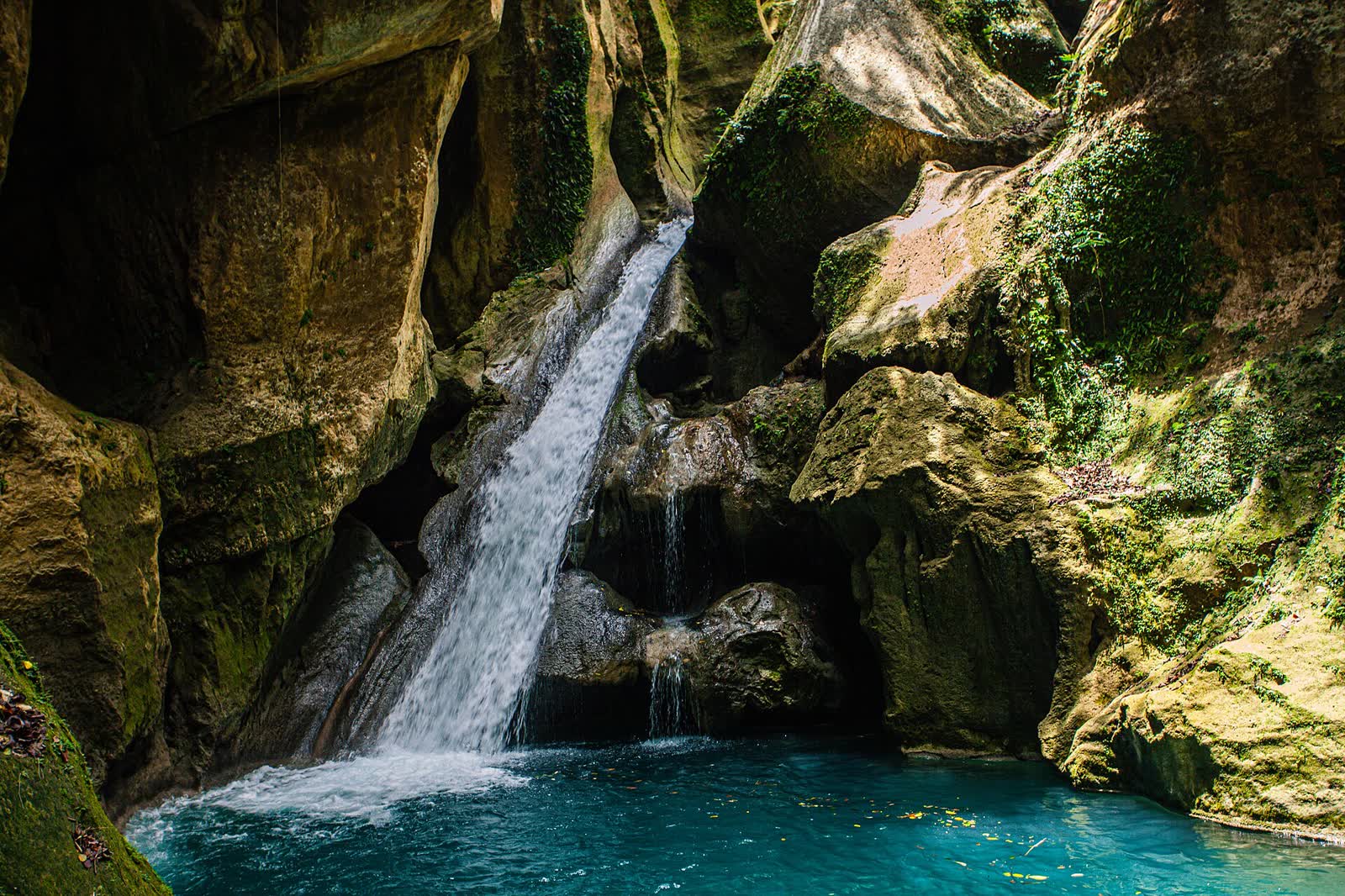
Sud-Est, Haiti
Jacmel
Haiti's creative capital on the southeast coast: iron balconies, papier-mâché workshops, a famous carnival and turquoise pools.
Read the guidePhoto: Intellect'Art, CC BY-SA 4.0 , via Wikimedia Commons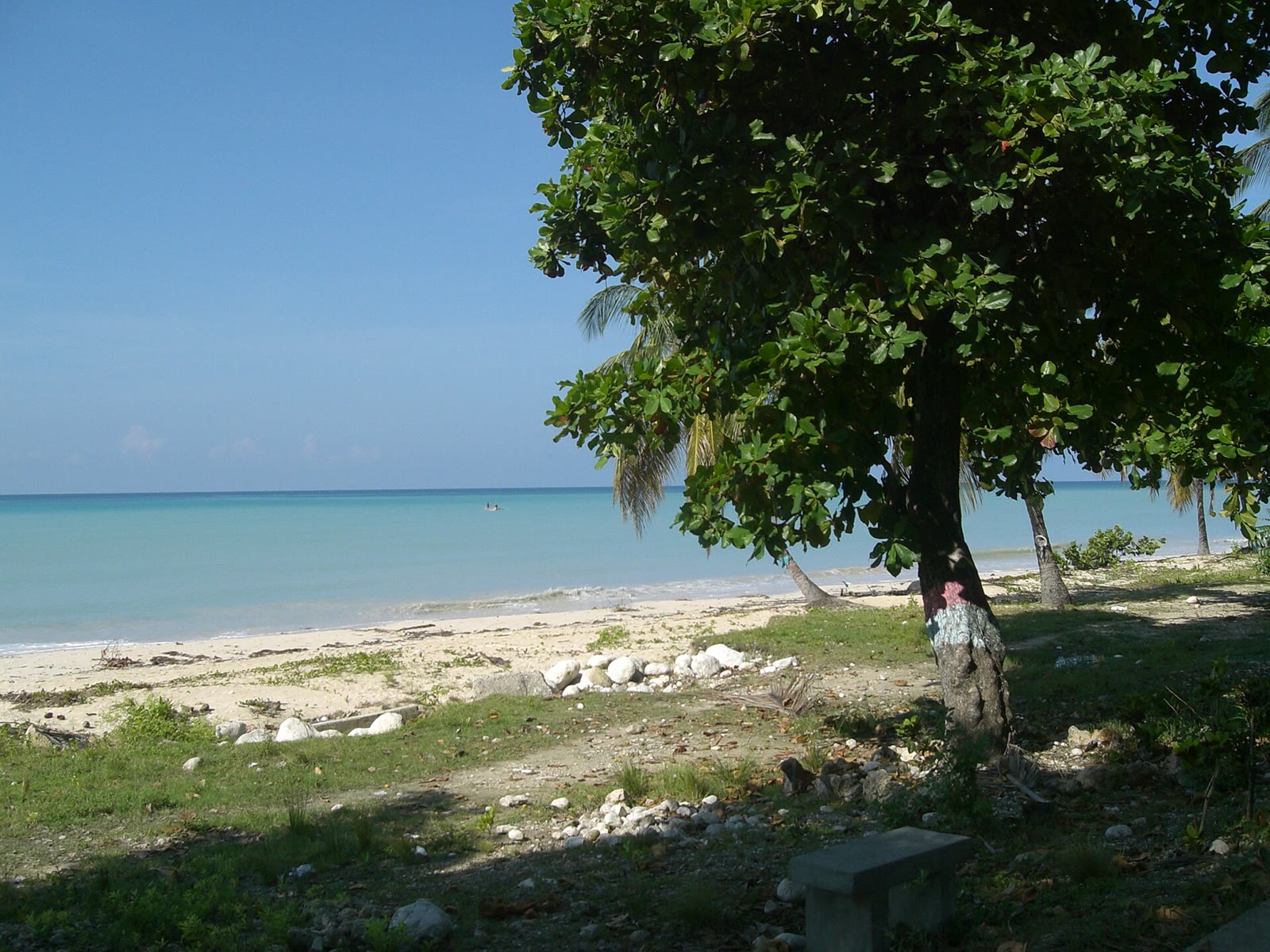
Sud, Haiti
Port-Salut and Île-à-Vache
Long empty beaches, an island without cars and Haiti's biggest waterfall, in the green and quiet far south.
Read the guidePhoto: Bruno Le Bansais, CC BY-SA 3.0 , via Wikimedia Commons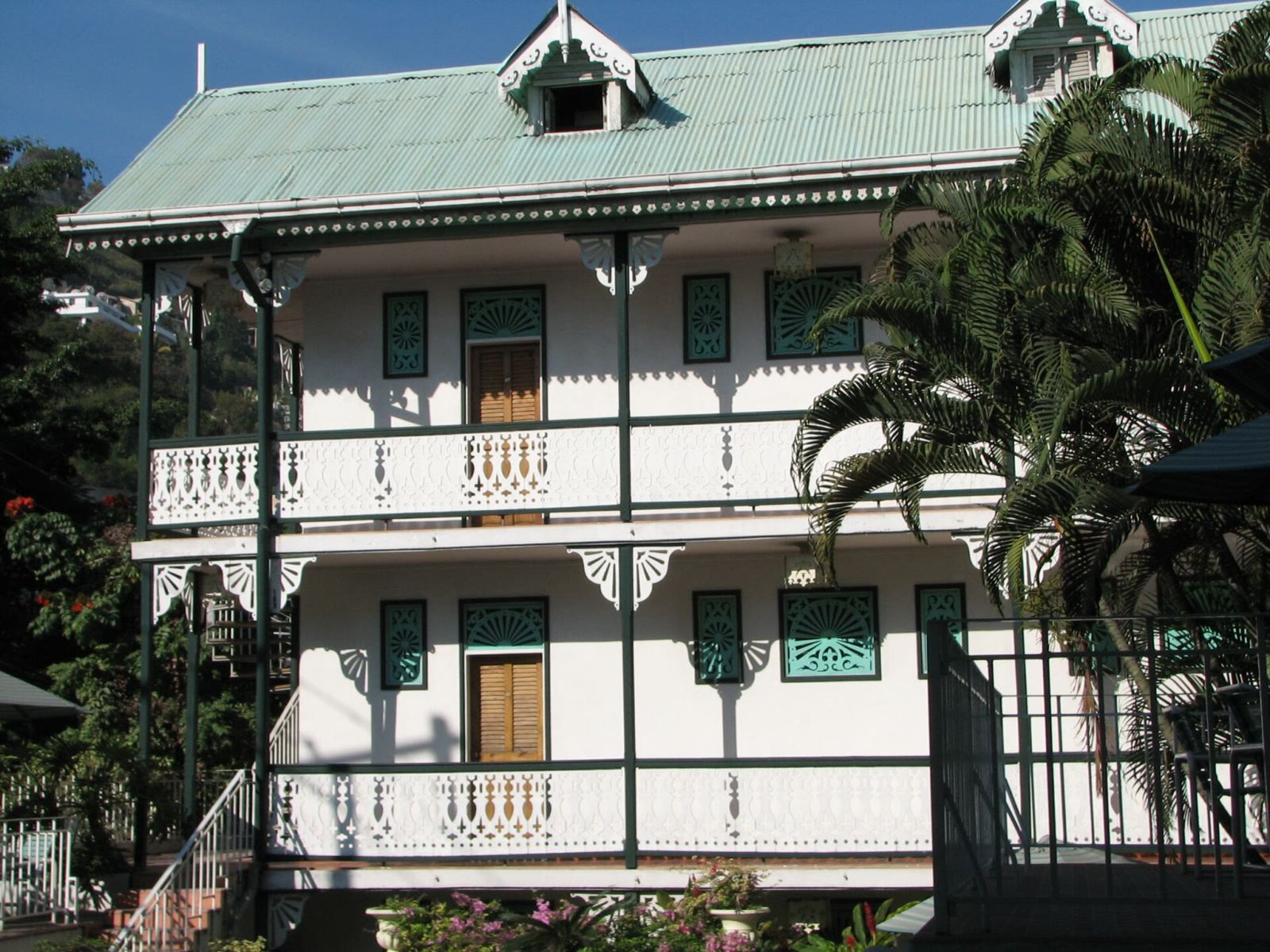
Ouest, Haiti
Port-au-Prince
Haiti's capital and cultural heart, currently the centre of a serious security crisis that most governments say to avoid.
Read the guidePhoto: lucianf, CC BY 2.0 , via Wikimedia Commons
A note from our founder
A note from our founder
My first time visiting Kenya, I was genuinely surprised with how fast it began feeling like home. The people are so friendly, the food is delicious and familiar, and the accommodations are modern and upscale.
During my travels throughout the continent, I commonly hear tourists share stories about being scammed or taken advantage of, which is both frustrating and disheartening.
Living in Kenya for the last 2 years, I have had the great fortune to meet a network of wonderful Kenyans who have continuously help guide my family's journey. Their shared knowledge has not only greatly enhanced our overall experience here, but it has also saved us tons of time, energy, and resources.
With BlissPoint Travel, my hope is to build a global community that is willing to share useful, uncommon knowledge so that we can all blissfully enjoy the wonders our world has to offer.
Questions we hear most
Is it safe to travel to Haiti right now?
Most governments, including the United States, the United Kingdom and Canada, currently advise against all travel to Haiti because of gang violence, kidnapping and unrest, centred on Port-au-Prince. Conditions vary by region and change quickly, so read your government's latest advice before deciding.
Where do visitors go in Haiti today?
Most visitors and diaspora families fly into Cap-Haïtien and stay in the north, visiting the Citadelle, Sans-Souci Palace and nearby beaches. Travel to the south usually means domestic flights rather than roads through the capital.
Do I need a visa for Haiti?
Many nationalities can visit without a visa for a limited stay, but rules depend on your passport. Check with the nearest Haitian embassy or consulate before you book, and carry proof of onward travel.
What currency is used in Haiti?
The Haitian gourde. US dollars are widely quoted and accepted in hotels and larger businesses, and many prices are still quoted in the old Haitian dollar, a unit of account. Carry cash, as card acceptance and ATMs are limited.
What language is spoken in Haiti?
Haitian Creole (Kreyòl) is spoken by everyone, and French is the other official language. English is spoken in tourism and by many returning diaspora, but a few Creole greetings go a long way.
What is the best time to visit Haiti?
December to March is drier and cooler. Carnival in Jacmel and nationally falls in February or early March, and hurricane season runs from June to November.
Plan your Haiti trip with care
Use the free trip planner to shape a realistic route, or contact us with your questions.