At a glance
- Best for
- History, beaches, food and diaspora visits
- Nearest airport
- Cap-Haïtien International, a short drive from the centre
- Time needed
- Three to five days including the Citadelle
- Best time
- December to April, outside the peak of hurricane season
- Getting around
- Drivers arranged by your hotel or family, and walking in the centre by day
- Good base for
- Milot, the Citadelle, Labadie and the Cormier coast
The old town
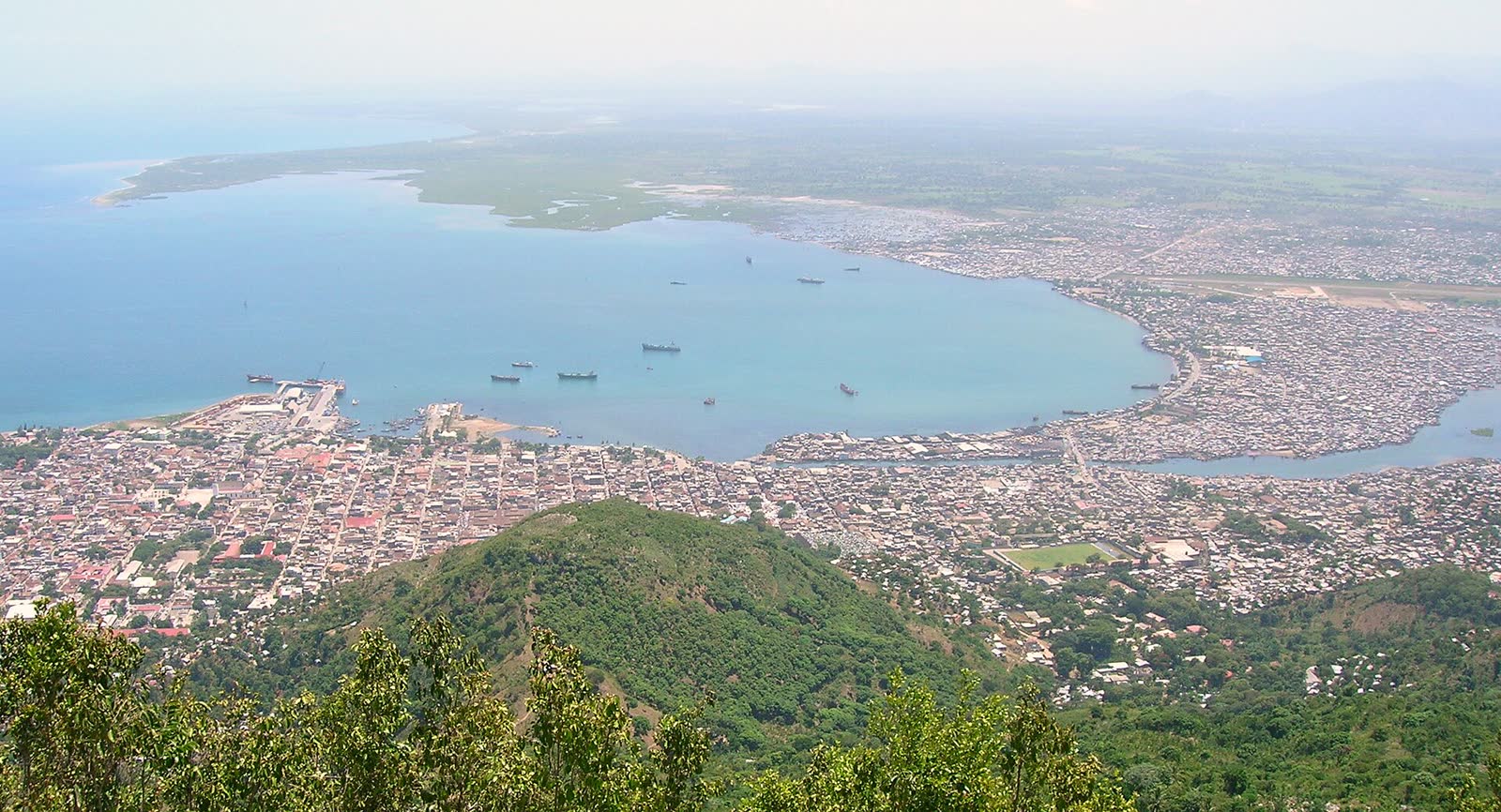
The centre of Le Cap is a grid of numbered streets (rues) and lettered ones, lined with two storey houses with **wooden balconies, iron railings and painted shutters**, many dating from the nineteenth century. Start at the **Place d'Armes**, the main square, where the **Cathédrale Notre-Dame de l'Assomption** faces a small park. Walk down to the **Boulevard**, the seafront promenade where families stroll in the evening, street vendors sell grilled corn and fresh juice, and the bay opens out towards the mountains. The **Marché Cluny**, the city's busy main market, is the place to see daily life, though it is crowded and best visited with someone local.
Revolution history
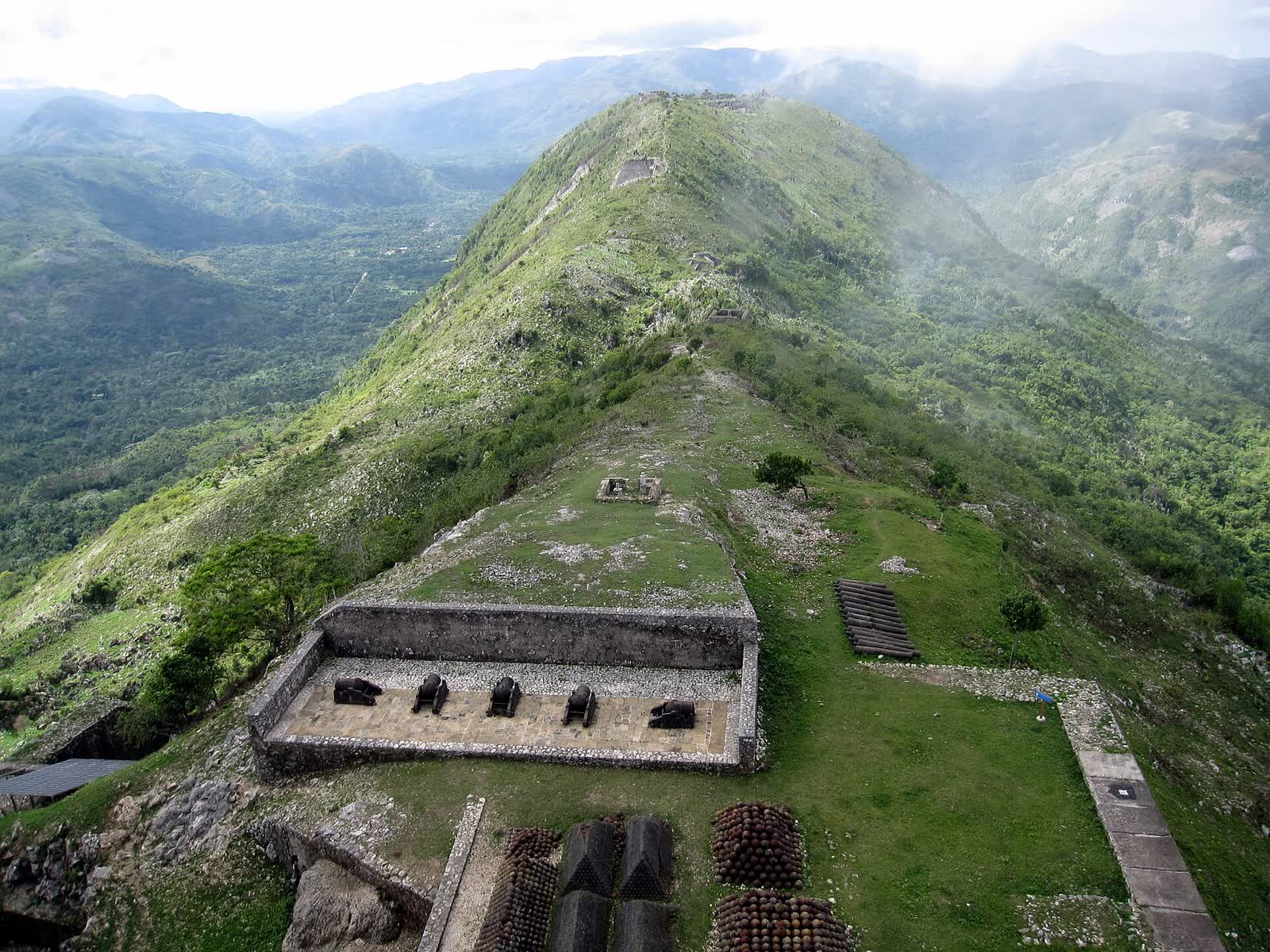
Just south of the city, the **Vertières monument** marks the battle of 18 November 1803, when Jean-Jacques Dessalines's army defeated Napoleon's troops, opening the way to independence on 1 January 1804. The date is a national holiday, and the site is busy with ceremonies. Along the bay, the ruins of **Fort Picolet** guard the harbour entrance and make a good short outing with views over the water. The great sites of the north, the **Citadelle Laferrière** and **Sans-Souci Palace**, are about forty five minutes away in Milot, and almost every visitor makes the trip.
Beaches west of the city
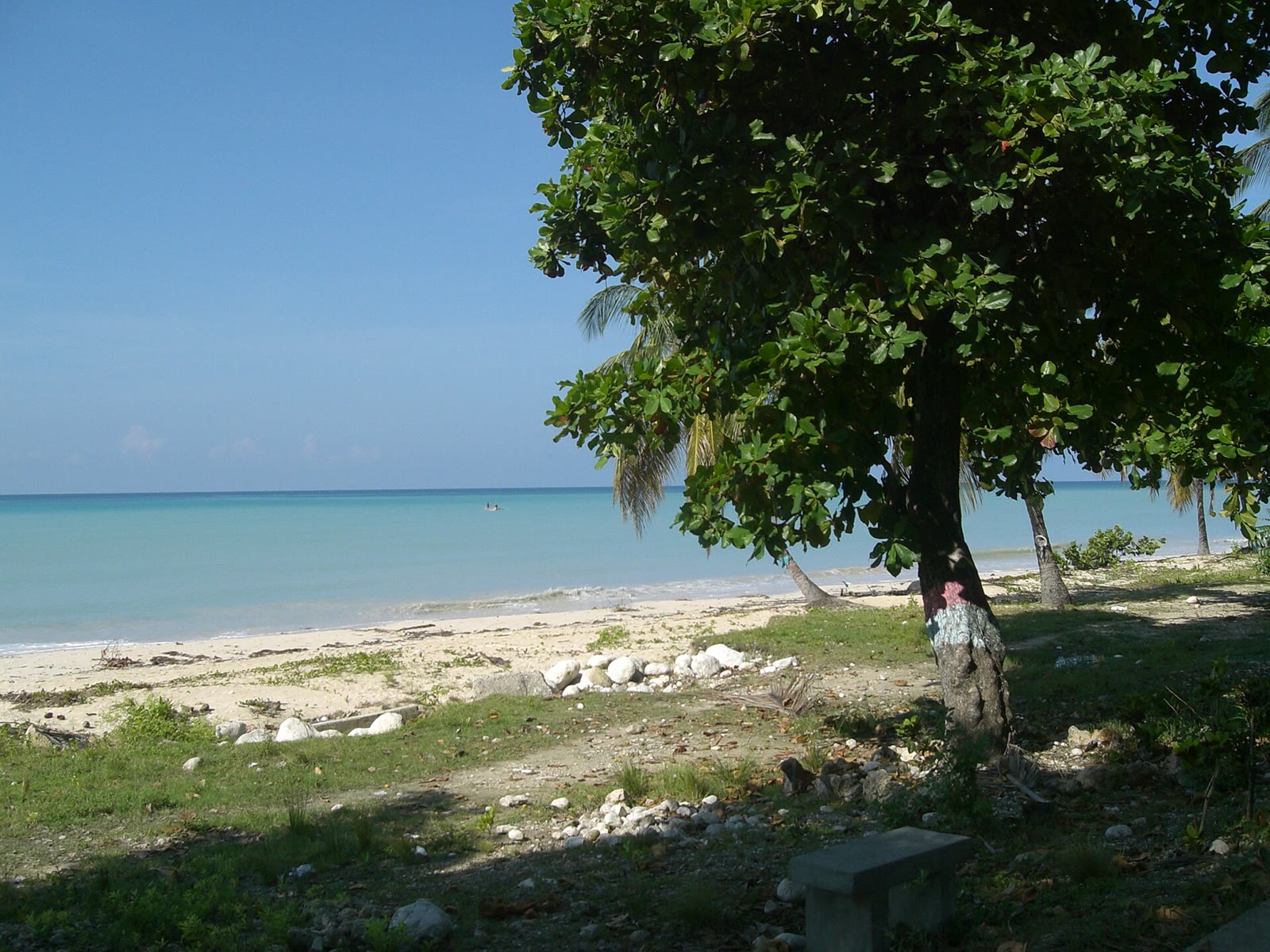
A winding coastal road leads west from Le Cap past **Cormier** and **Plage Paradis** (reached by boat) to **Labadie**, a fishing village beside the private beach used by cruise passengers. Small hotels such as **Cormier Plage** sit on their own coves with calm water and seafood lunches, and local boatmen run trips to quieter beaches. It is the easiest way to combine history and the sea in one trip.
Food
Cap-Haïtien eats well. Try **griot** (fried marinated pork) with **pikliz**, the fiery pickled cabbage relish, **diri ak djon djon** (rice cooked with black mushrooms, a northern speciality), **lambi** (conch) in creole sauce, and grilled fish on the beaches. Small restaurants along the Boulevard and hotel terraces serve Haitian and French influenced dishes, and street stalls sell **fritay**, the Haitian fried snacks, in the evening.
Where to stay
Most visitors stay in historic hotels in the centre, such as **Hotel Roi Christophe** in a colonial building, in hillside hotels above the town such as **Hotel Mont Joli** and **Habitation des Lauriers**, or on the coast at **Cormier Plage**. Many diaspora visitors stay with family. Choose somewhere with a generator, secure parking and staff who can arrange drivers.
Getting around and safety
The north has been calmer than Port-au-Prince, but it is not risk free: most governments still advise against all travel to Haiti, and protests, fuel shortages and road blockades can happen anywhere. Arrange airport transfers and drivers through your hotel or trusted family, avoid travelling after dark, avoid demonstrations and keep valuables out of sight. **Tap taps**, the colourful shared pickups, are part of daily life but are not recommended for visitors right now. Do not plan to drive overland to Port-au-Prince; road links through the capital's surroundings are controlled in places by armed groups.
A suggested three day plan
**Day one:** walk the old town and the Place d'Armes in the morning, lunch on griot, and finish with sunset on the Boulevard.
**Day two:** leave early for Milot, climb to the Citadelle before the heat, and visit Sans-Souci Palace on the way down.
**Day three:** head west along the coast for a beach day at Cormier or a boat to Plage Paradis, then visit the Vertières monument on the way back.
Shape your route with the free trip planner, or contact us with questions.
Questions about Cap-Haïtien
Is Cap-Haïtien safe to visit?
It has been calmer than Port-au-Prince, and it is where most visitors go today, but most governments still advise against all travel to Haiti. Read your government's latest advice, use trusted drivers, avoid protests and stay in after dark.
How do I get to Cap-Haïtien?
By air into Cap-Haïtien International Airport. Check which airlines are currently operating, as schedules have changed often. Avoid planning overland travel from Port-au-Prince.
How many days do I need?
Three days covers the old town, the Citadelle and Sans-Souci, and a beach day. Five days lets you slow down and see more of the coast.
Can I visit Labadie beach?
The fenced resort at Labadee is reserved for cruise passengers, but Labadie village and nearby public beaches can be reached by road and local boat from Cap-Haïtien.
Facts checked . Fees, schedules and entry rules change, so always confirm the latest with the official source.