At a glance
- Best for
- Art, carnival, architecture and beaches
- Nearest airport
- Jacmel's small domestic airfield, with Port-au-Prince's airport currently not an option for most
- Time needed
- Three to four days
- Best time
- February or March for carnival, December to April for dry weather
- Getting around
- Hotel arranged drivers and walking in the old town
- Good base for
- Bassin Bleu, Cyvadier and Raymond-les-Bains beaches
The historic quarter
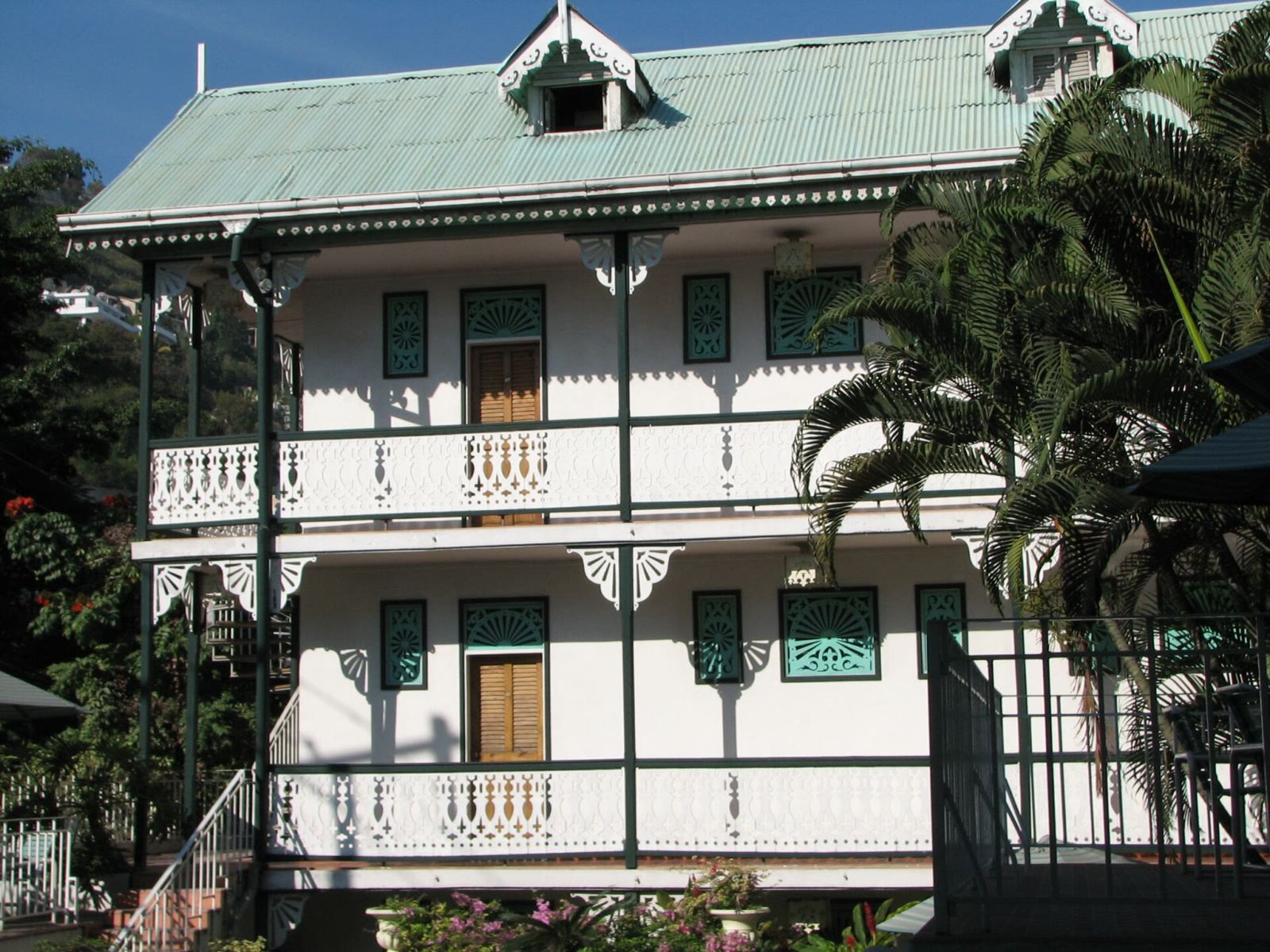
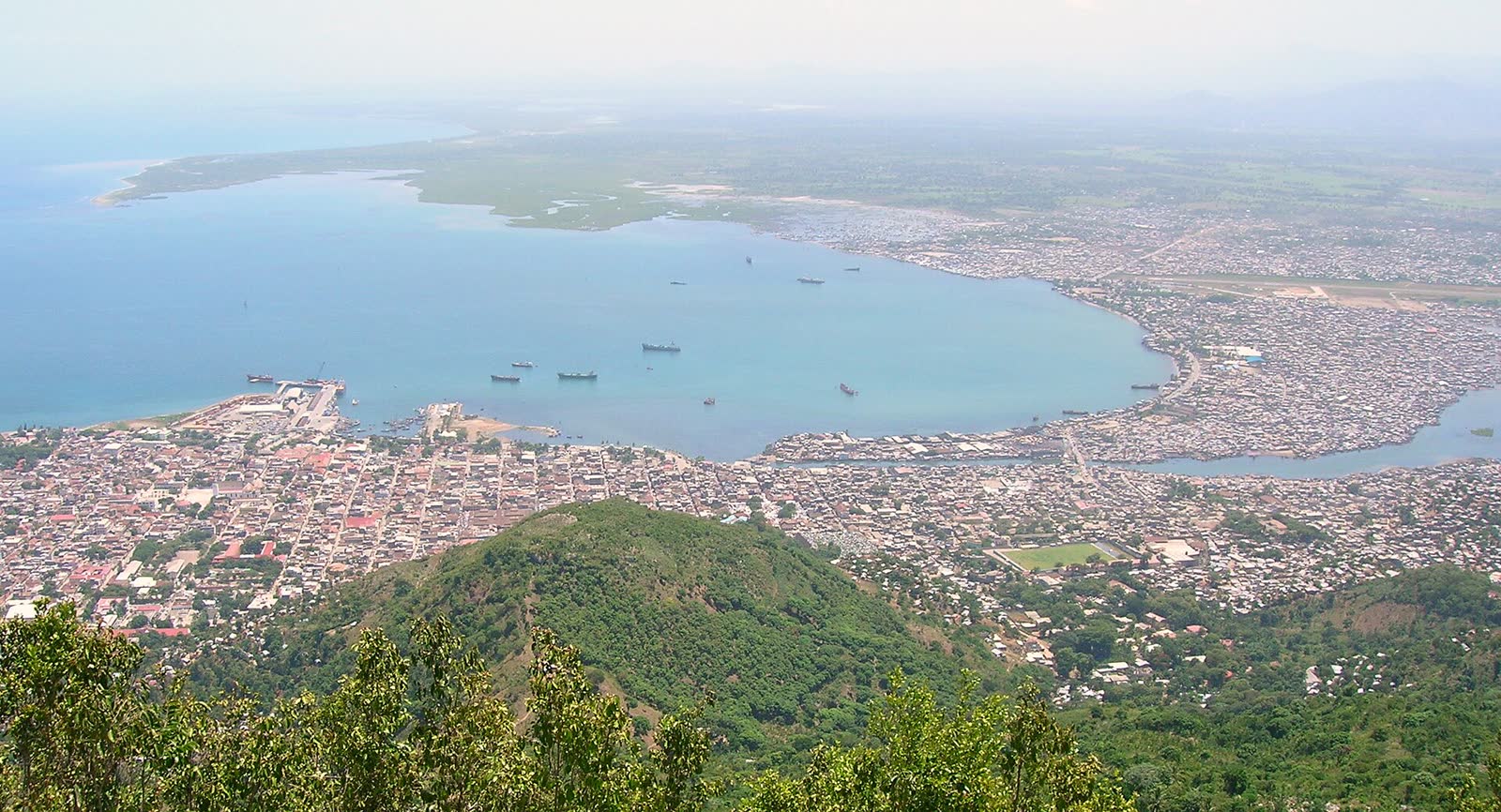
Jacmel grew rich in the nineteenth century shipping coffee to Europe, and its merchants built tall houses with **cast iron columns and balconies** imported from France. Walk the streets around the **Place Toussaint Louverture** and **Rue du Commerce** towards the sea, and you will see warehouses, mansions and the striking **Marché en Fer**, an iron market hall. The 2010 earthquake damaged much of the old town, and many buildings are still being restored, but the atmosphere remains. Along the seafront, the **promenade** is decorated with mosaics made by local artists, and it is the place to watch sunset.
Art and papier-mâché
Jacmel's artists turn paper, glue and wire into bright masks, animals and decorations, and you can visit **workshops** where they are made, especially in the weeks before carnival. Painters, metalworkers and woodcarvers sell in galleries and from their homes. The **Ciné Institute** brought a film school to the town, and cultural centres host exhibitions and music. Buying directly from artists is one of the best ways to support the town.
Jacmel carnival
**Carnaval de Jacmel** is held on a Sunday before the national carnival, usually in February. Thousands of people parade in papier-mâché masks of animals, devils, politicians and spirits, with characters such as the **Chaloska**, a mocking military figure, and painted **Lanse Kod** figures covered in charcoal and syrup. It is creative, satirical and loud. Large events have been scaled back or cancelled in some recent years for security reasons, so check that it is going ahead before you plan around it.
Beaches and Bassin Bleu
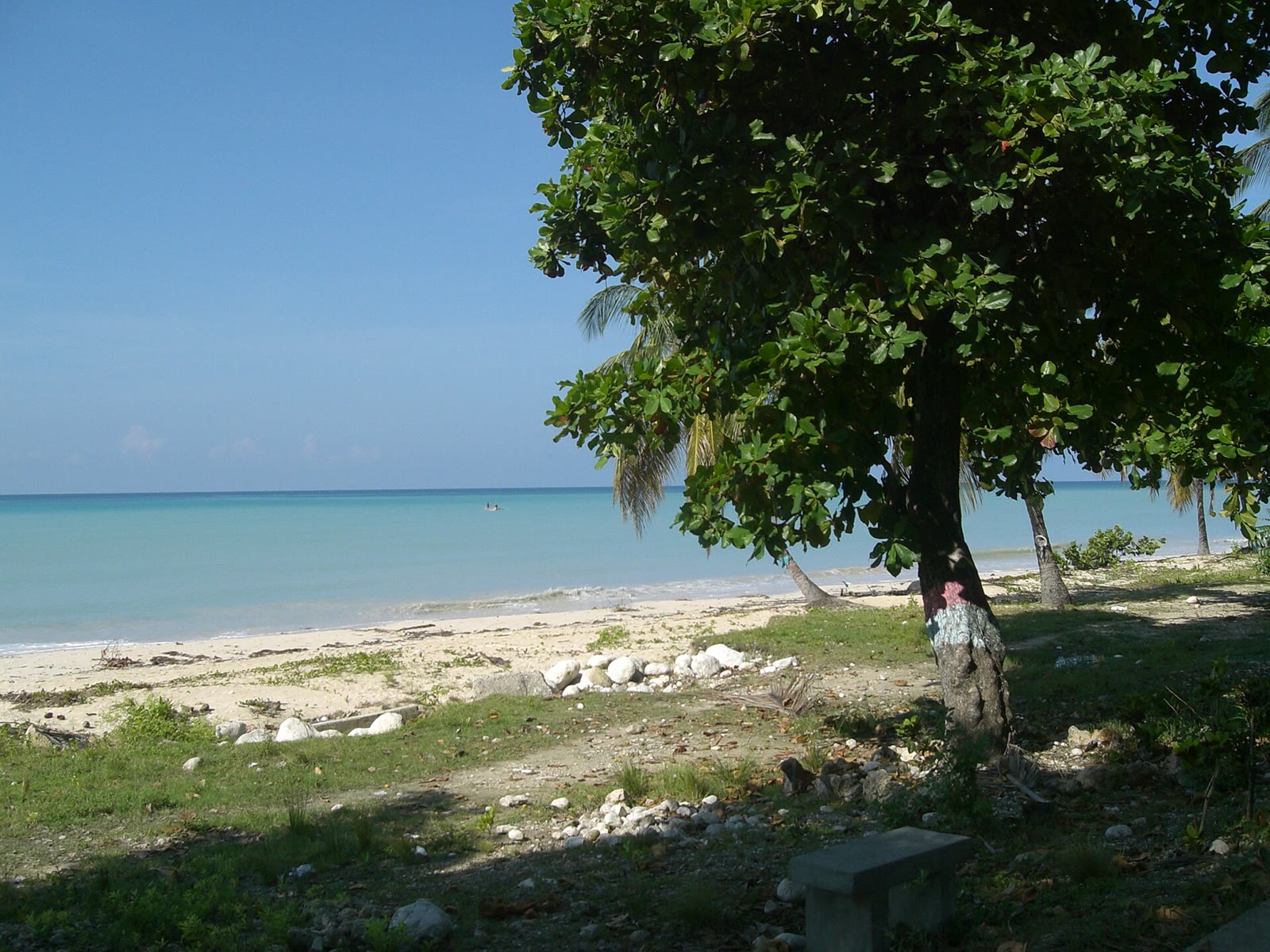
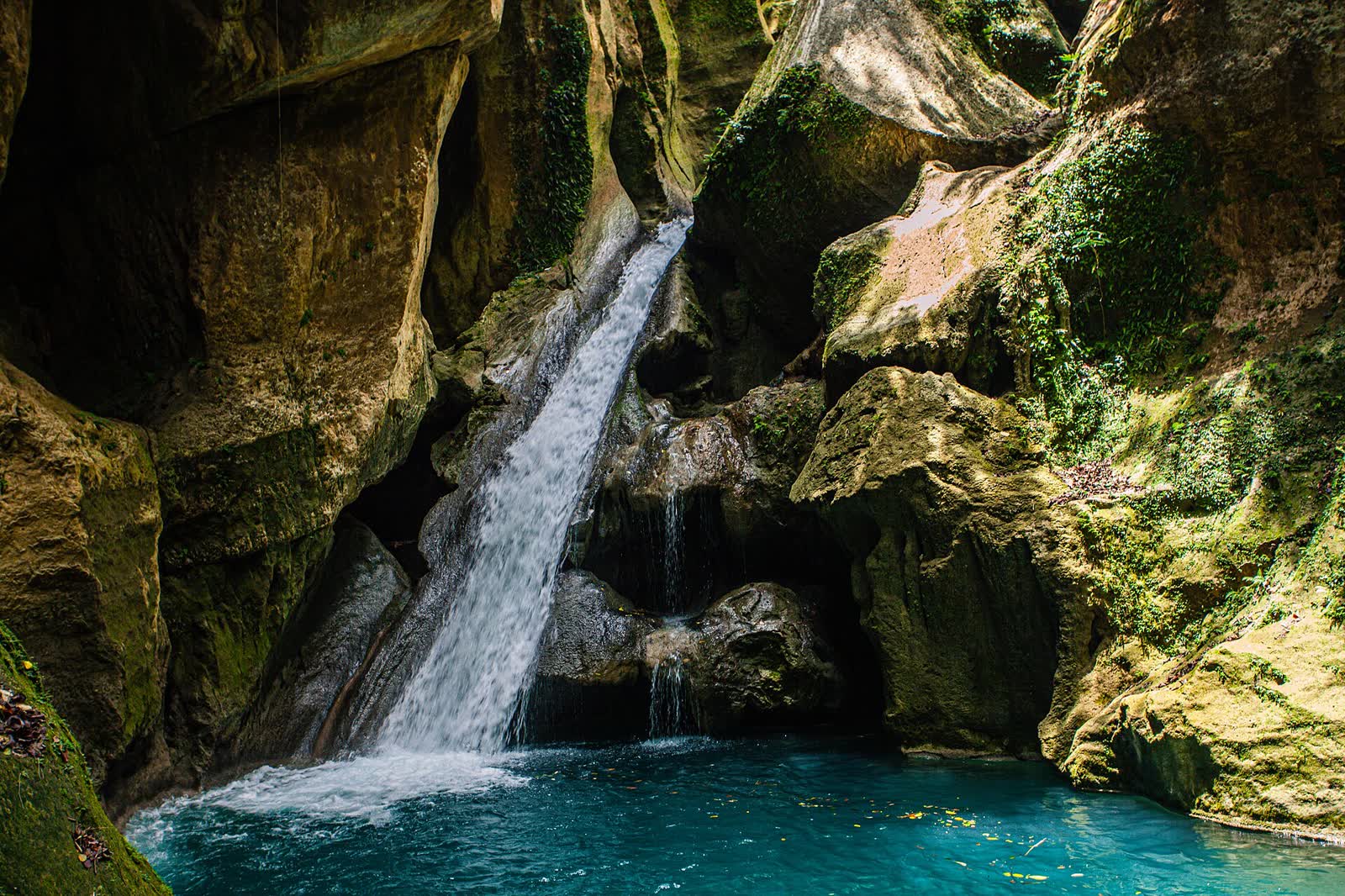
East of town, **Cyvadier** has a small cove beside a hotel, and **Raymond-les-Bains** is a long beach with food shacks. Further along the coast, **Ti Mouillage** at Cayes-Jacmel is one of the prettiest beaches in the southeast. Up in the hills, **Bassin Bleu** is a series of turquoise pools fed by waterfalls, reached by a rough track and a short scramble with a guide. It is one of the most beautiful places in Haiti.
Food
Eat fresh fish and **lambi** on the beaches, **griot** and **bannann peze** (twice fried plantain) in town, and look for **akasan**, a sweet corn drink, in the mornings. Hotels such as **Hotel Florita** and the hotel restaurants on the coast serve Haitian and French influenced menus.
Where to stay
**Hotel Florita**, a restored coffee merchant's house in the old town, is a classic. On the coast, **Cyvadier Plage Hotel** and **Hotel Cap Lamandou** have sea views. Stays are simple and charming rather than luxurious, and power can be intermittent.
Getting there and safety
Jacmel itself has often been quieter than the capital, but the road from Port-au-Prince runs through areas where armed groups have attacked vehicles, and most governments advise against all travel to Haiti. Domestic airlines have run small aircraft to Jacmel's airfield at times; check what is operating and how you would connect. Travel only with trusted drivers, by day, and follow your hotel's advice about which areas to avoid.
A suggested three day plan
**Day one:** explore the historic quarter, the iron market and artists' workshops, then sunset on the mosaic seafront.
**Day two:** head into the hills to Bassin Bleu in the morning, and spend the afternoon at Raymond-les-Bains.
**Day three:** a beach day at Ti Mouillage or Cyvadier, with grilled fish for lunch.
Plan it with the free trip planner.
Questions about Jacmel
When is Jacmel carnival?
It is usually held on a Sunday in February, a week or two before national carnival. Dates and whether it goes ahead vary, so confirm locally.
Is the road to Jacmel safe?
The road from Port-au-Prince passes through areas affected by gang violence, and most governments advise against all travel to Haiti. Check current advice and travel only with trusted local arrangements.
Can I swim at Bassin Bleu?
Yes, in calm conditions. Go with a local guide, as the descent to the pools is slippery, and avoid it after heavy rain.
What should I buy in Jacmel?
Papier-mâché masks and animals, paintings and metal art, bought directly from artists' workshops.
Facts checked . Fees, schedules and entry rules change, so always confirm the latest with the official source.