At a glance
- Best for
- Wildlife, birding, ranch life and Indigenous culture
- Nearest airport
- Lethem, with domestic flights from Ogle and Georgetown
- Time needed
- Five to ten days
- Best time
- The dry season, roughly September to April
- Getting around
- Lodge transfers by four wheel drive and boat
- Good to know
- Lodges are remote: book transfers and meals in advance
Why visit the Rupununi
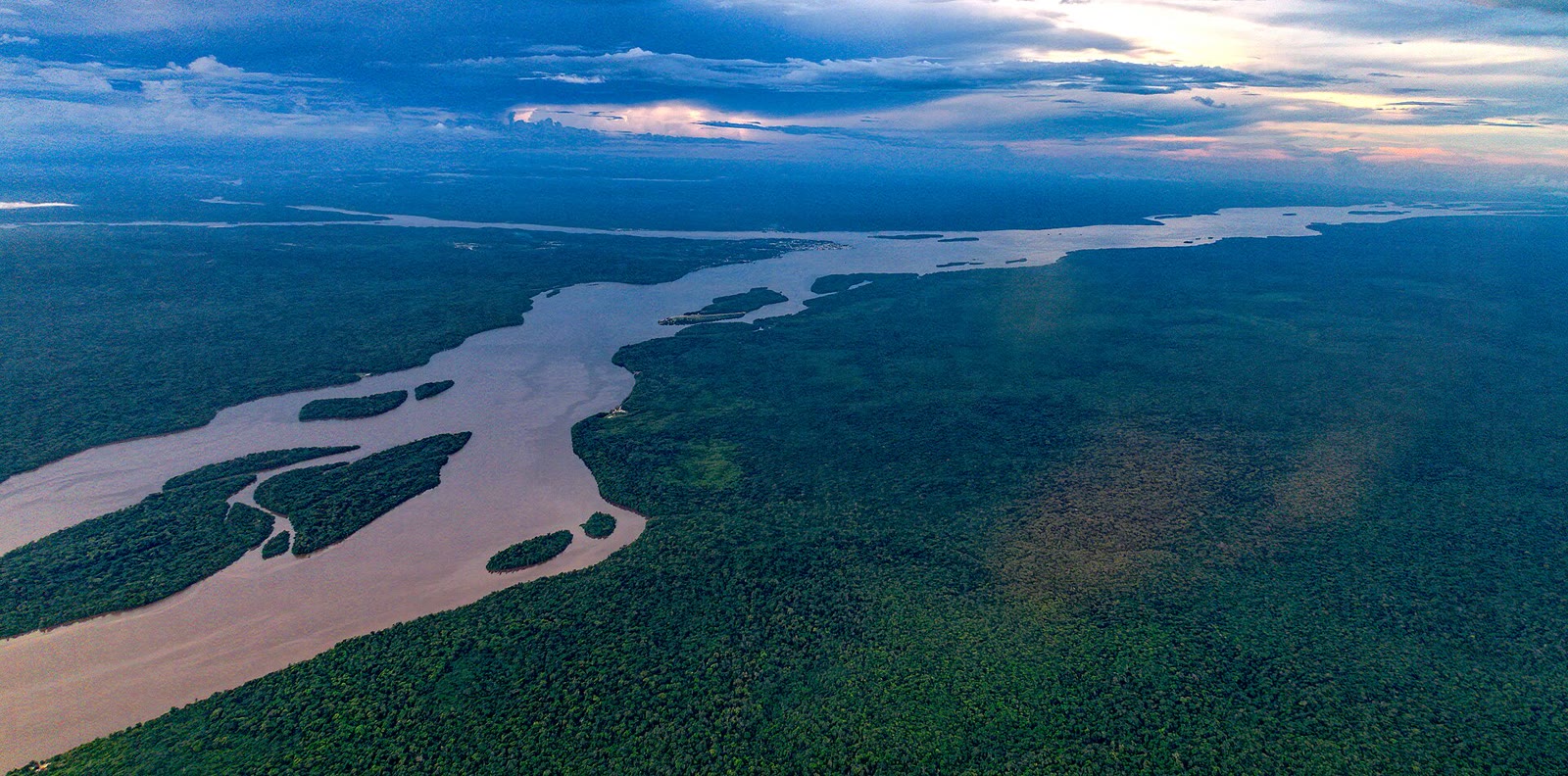
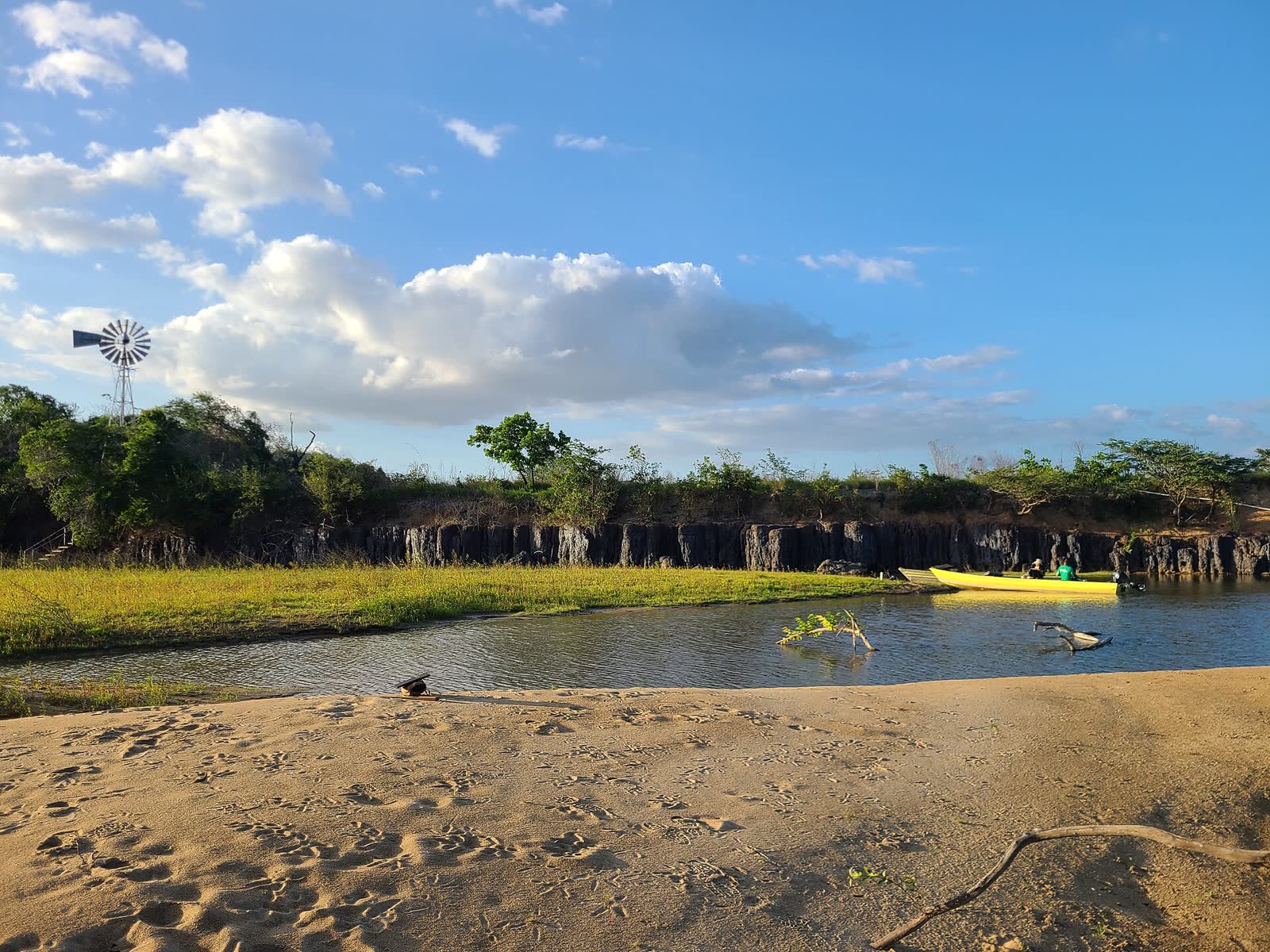
The Rupununi feels like another country from Georgetown. The **Pakaraima Mountains** rise in the north, the **Kanuku Mountains** split the north and south savannahs, and rivers such as the Rupununi and Rewa wind through it all. In the dry season the grasslands turn golden; in the rainy season much of it floods into a huge wetland.
This is where you can see **giant anteaters** walking across the savannah, **giant otters** fishing on the rivers, **black caiman**, **arapaima**, the world's largest scaled freshwater fish, **jabiru storks** and **harpy eagles**. Birders come for hundreds of species, and you will often have a sighting entirely to yourself.
North Rupununi
The north is the most visited part. **Annai** is home to **Rock View Lodge**, a friendly base with gardens near the airstrip. **Surama Eco Lodge** is run by the Makushi village of Surama and offers forest walks, river trips and a sunrise hike up Surama Mountain. **Karanambu Lodge**, a historic ranch, is famous for its giant otter conservation work and anteater sightings. At **Yupukari**, **Caiman House** lets you join black caiman research on the river at night, and **Rewa Eco Lodge** is a remote community lodge for arapaima and pristine forest.
South Rupununi and Lethem
The south is drier and more open. **Lethem**, the regional town, sits on the **Takutu River** across a bridge from Bonfim in Brazil, and you hear Portuguese in the shops. Ranches such as **Wichabai** and **Dadanawa** offer horse riding, birding and a taste of life as a vaquero. At Easter, the **Rupununi Rodeo** in Lethem draws crowds for bronco riding, horse races and local food.
Getting there
Domestic flights link Georgetown with **Lethem** and **Annai**, and lodges collect you from the airstrip. There is also a long road from Georgetown through Linden and the Iwokrama forest to Lethem, used by minibuses and trucks. It crosses the Essequibo at Kurupukari and can be slow, dusty or muddy depending on the season, so most first-timers fly at least one way or travel with a lodge or tour operator.
Life at the lodges
Lodges are simple but comfortable, often with hammocks, solar power and meals shared with guides and hosts. Activities are guided and arranged through the lodge. Many are owned by or work with Indigenous communities, so your stay supports local families directly. Mobile signal and wifi can be limited, which is part of the charm.
When to go
The dry season, roughly September to April, is best for wildlife viewing and road travel, and the savannah is easiest to explore. From May to August heavy rains flood large areas and some roads become difficult. Birdwatching is good all year.
Planning tips
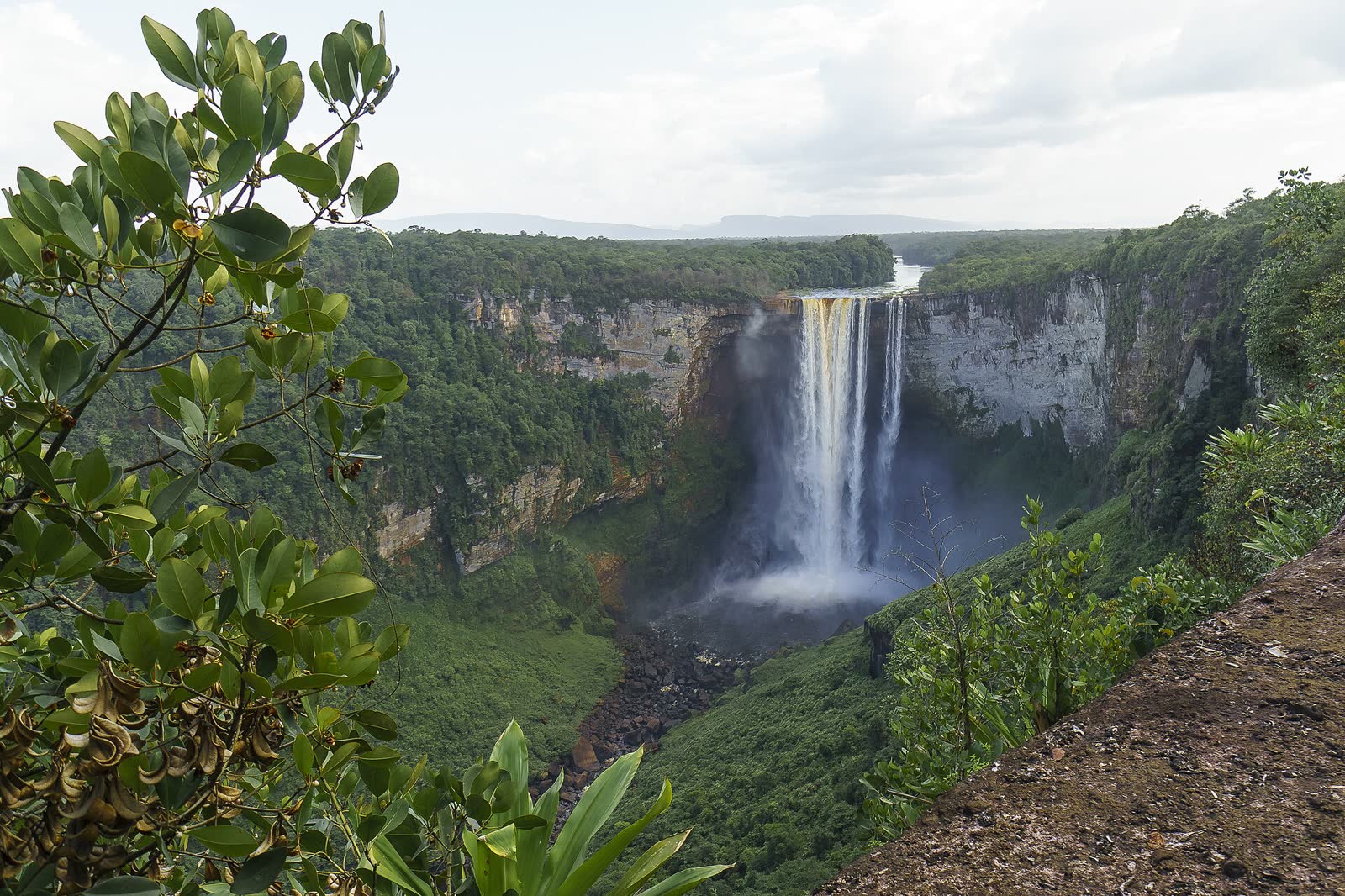
Allow at least five days, as transfers between lodges take time. Bring insect repellent, a light rain jacket, long sleeves for evenings, a torch and binoculars. Malaria is present in parts of the interior, so speak to a travel health clinic before you go. Pair the Rupununi with Iwokrama on the way south and Kaieteur Falls for a complete trip.
Respecting the communities
Most of the Rupununi is Indigenous land, and villages welcome visitors on their own terms. Ask before photographing people, buy crafts such as woven baskets and hammocks directly from the makers, and follow your guide's lead on village visits. Some communities ask visitors to arrange visits in advance through the lodge or village council. Small courtesies go a long way, and many travellers say the people they meet are the highlight of their trip.
Questions about the Rupununi
How do I get to the Rupununi?
Most visitors take a domestic flight from Georgetown to Lethem or Annai. There is also a long road route through Iwokrama, best done with a tour operator.
What wildlife can I see in the Rupununi?
Giant anteaters, giant otters, black caiman, arapaima, jabiru storks, harpy eagles and hundreds of bird species.
When is the best time to visit the Rupununi?
The dry season, roughly September to April. From May to August heavy rain floods much of the savannah.
Can I cross into Brazil from Lethem?
Yes, the Takutu Bridge links Lethem with Bonfim. Check entry rules for both countries and get your passport stamped on each side.
Facts checked . Fees, schedules and entry rules change, so always confirm the latest with the official source.