At a glance
- Best for
- River beaches, island resorts, history and Easter festivities
- Getting there
- Speedboat from Parika, or by road via Linden
- Time needed
- Two to four days
- Best time
- Dry season months, and Easter for the regatta
- Where to stay
- River resorts such as Baganara Island and Hurakabra
- Good to know
- Wear a life jacket on every speedboat
Why visit the Essequibo
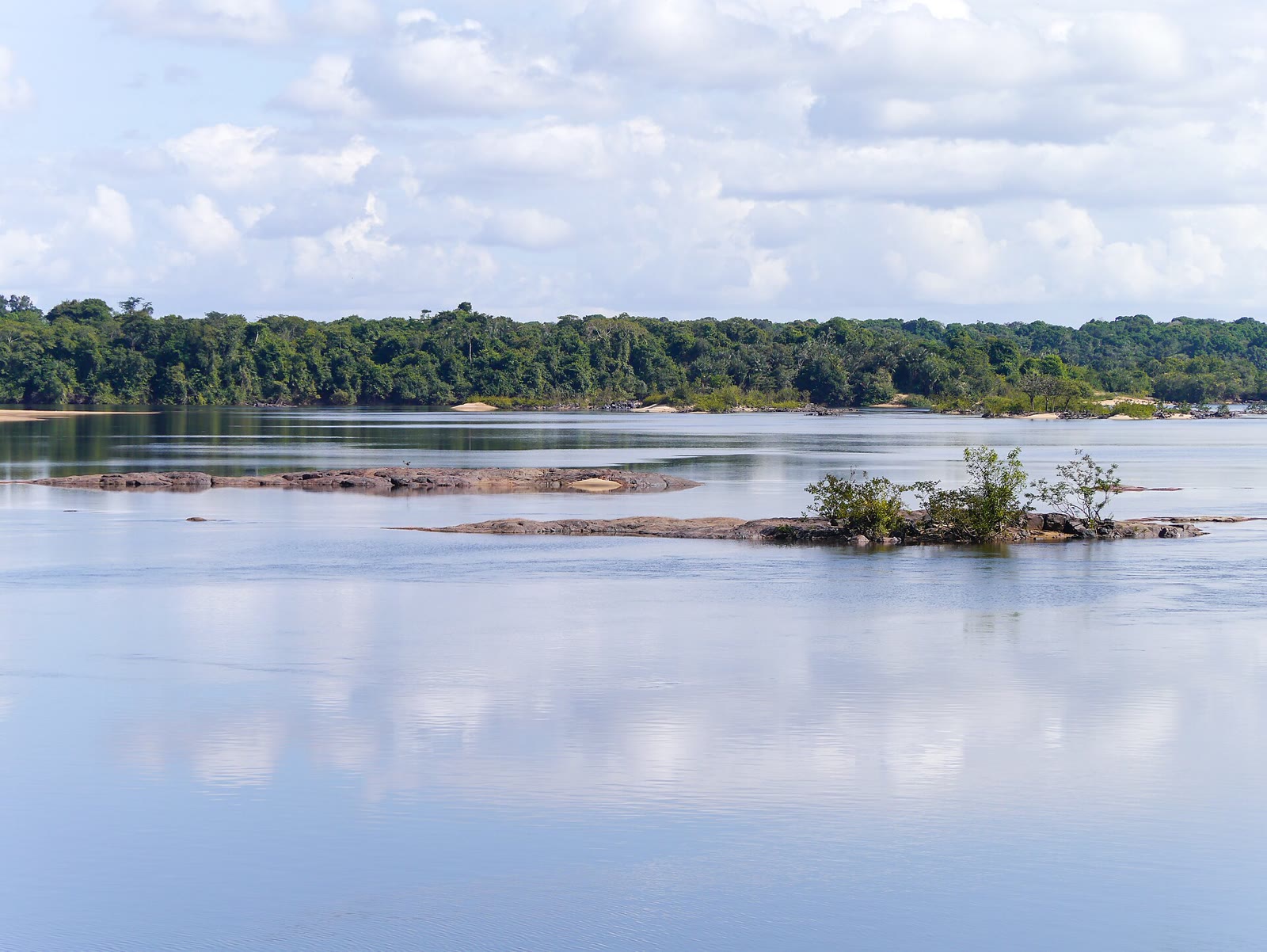
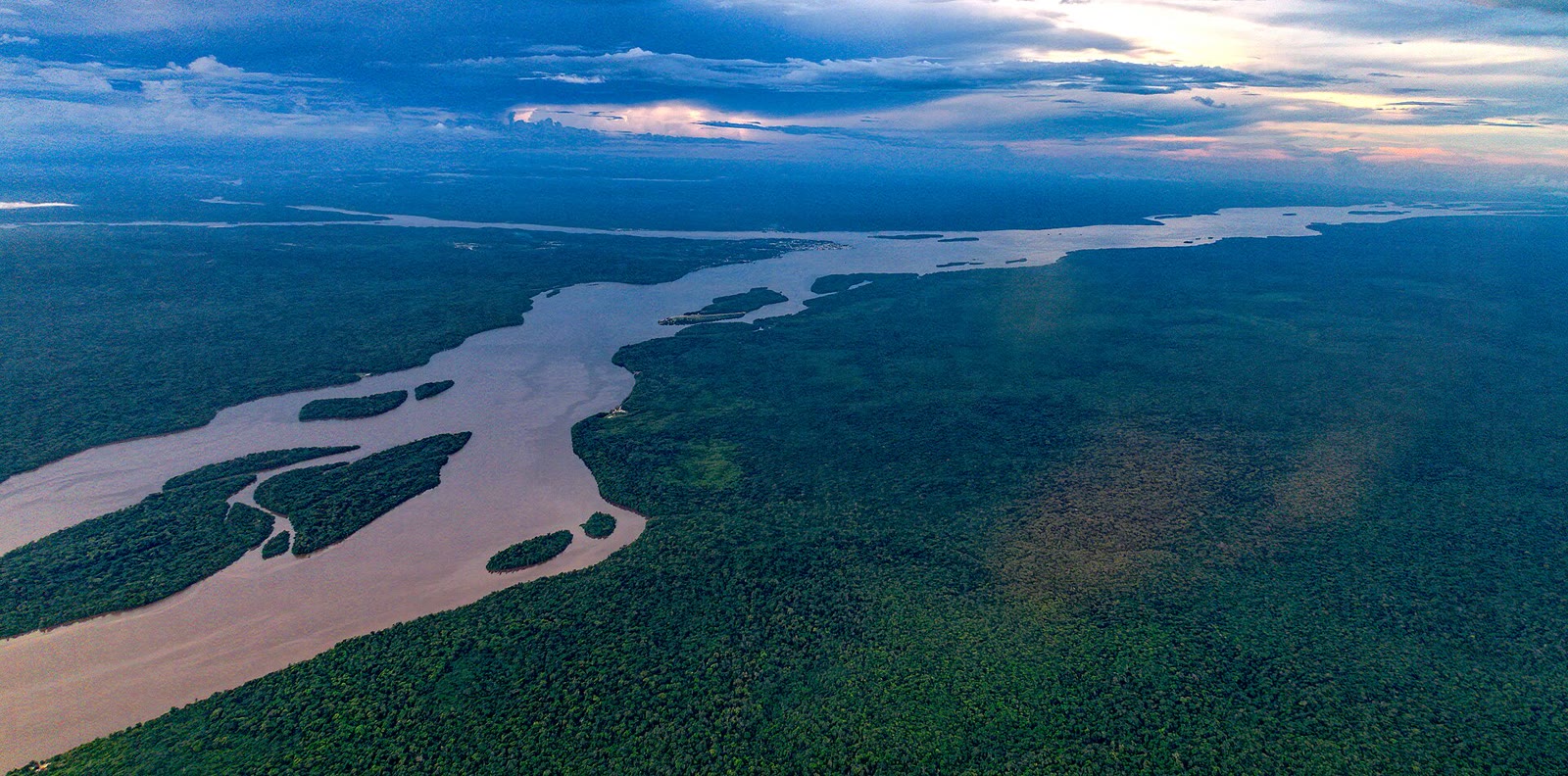
Most visitors only cross the Essequibo on the way to the interior, but it deserves a few days of its own. The river is dotted with more than three hundred islands, among them **Wakenaam**, **Leguan** and **Hog Island**, each with farming villages and a slow pace. In the dry season its tea coloured water reveals golden sandbars perfect for swimming, and the forest along its banks is full of birds.
Getting there
The classic route is by road from Georgetown across the **Demerara Harbour Bridge** to **Parika**, then by **speedboat** up the river to Bartica, roughly an hour on the water depending on conditions. Parika stelling is a busy, colourful place full of vendors and boat touts: buy your ticket at the official counters and choose a boat that gives every passenger a life jacket. There is also a road to Bartica via Linden, and some resorts have their own airstrips or private boat transfers.
Bartica
**Bartica** grew as the starting point for miners heading up the Mazaruni and Cuyuni rivers, and it still has that frontier energy, with gold buyers, cook shops and a busy **market**. Its waterfront and **stelling** are fun to watch as boats come and go. At **Easter**, the town hosts the **Bartica Regatta**, a weekend of speedboat races, beauty pageants, beach parties and music that draws visitors from across Guyana and the diaspora. Book a room well ahead if you plan to go.
Fort Kyk Over Al and Marshall Falls
Close to Bartica, on a tiny island where the Mazaruni and Cuyuni join, stand the remains of **Fort Kyk Over Al**, built by the Dutch in the early seventeenth century as the seat of their Essequibo colony. Only an archway and walls remain, but the setting is atmospheric. Further up the Mazaruni, a short walk from the river leads to **Marshall Falls**, where you can cool off in the rapids.
River resorts
The Essequibo has some of Guyana's most relaxing places to stay. **Baganara Island Resort** has a sandy beach, airstrip and calm rooms on a private island. **Hurakabra River Resort** is a small family run place with kayaks and a riverside beach. **Sloth Island Nature Resort** is simpler, aimed at birdwatchers and nature lovers. All are ideal for a quiet weekend after Georgetown.
The Essequibo Coast
West of the river mouth, the **Essequibo Coast** around **Anna Regina** is rice country, with long flat roads, canals and villages. **Lake Mainstay Resort** sits by a blackwater lake where families swim at weekends. Ferries and speedboats link the coast with Parika.
Safety on the river
Speedboats travel fast on open water. Wear your life jacket for the whole journey, keep your bag in a waterproof cover, avoid travelling after dark and do not board an overloaded boat. In Bartica, use the same common sense you would in any busy town. Some areas further up the Cuyuni, near the Venezuelan border, are covered by government travel warnings: check the latest official advice before you plan anything beyond Bartica.
Combine it with
Bartica is an easy add on to Georgetown. Use the free trip planner to fit a river weekend around Kaieteur and the interior.
Questions about the Essequibo River and Bartica
How do I get to Bartica from Georgetown?
Drive or take a minibus to Parika, then a speedboat up the Essequibo, usually around an hour on the water. There is also a longer road via Linden.
When is the Bartica Regatta?
Over the Easter weekend each year. Rooms fill quickly, so book early and check the dates locally.
Can you swim in the Essequibo River?
Yes, at river beaches and resorts when the water is calm, ideally where locals or resort staff say it is safe. Avoid strong currents and rapids.
Is Bartica safe to visit?
Most visitors have no problems. Use normal precautions, wear life jackets on boats and check government advice on areas near the Venezuelan border.
Facts checked . Fees, schedules and entry rules change, so always confirm the latest with the official source.