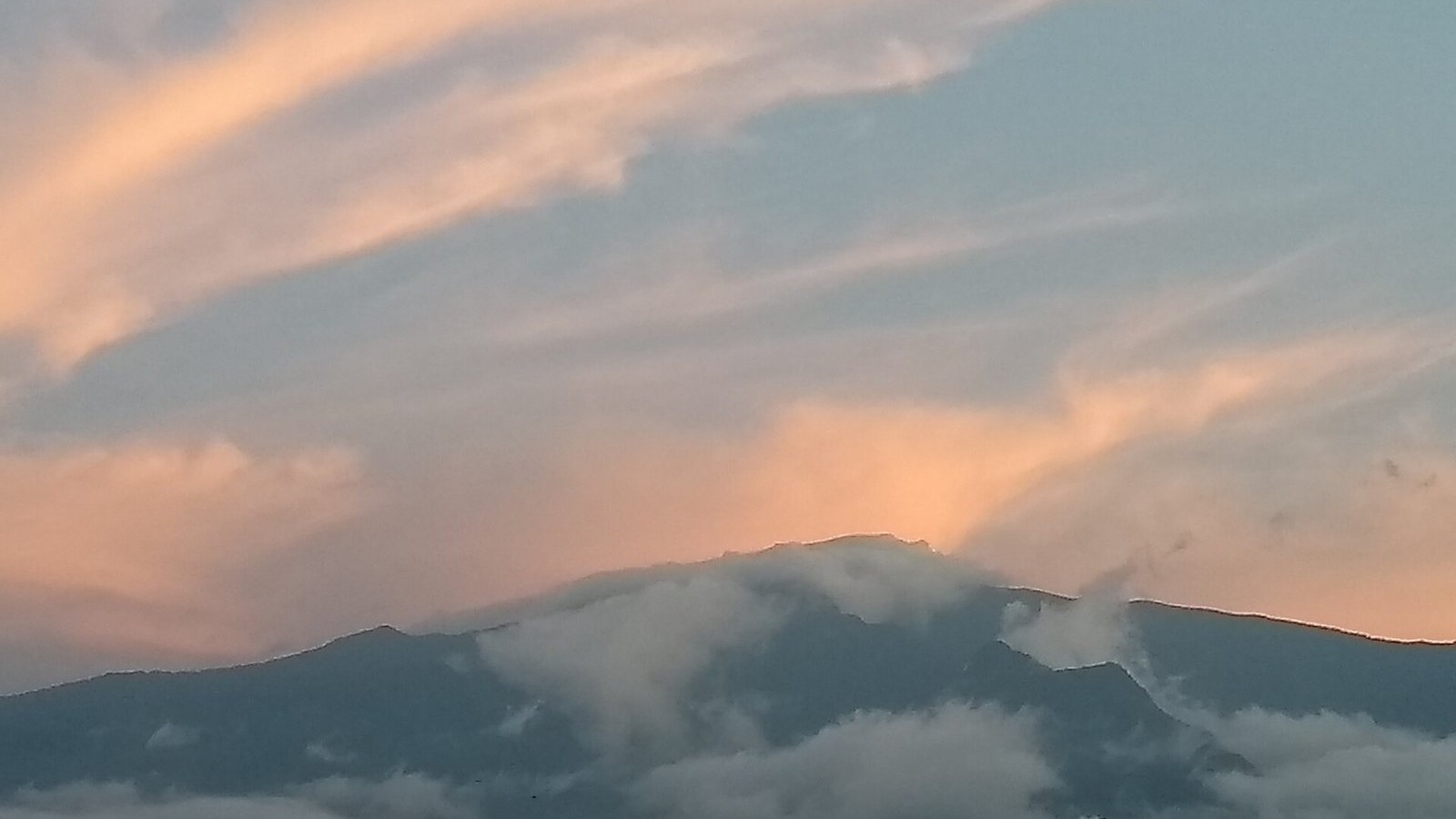
Bioko Island, Equatorial GuineaPhoto: Amitsawant0812, CC BY-SA 4.0, via Wikimedia Commons
Find your Bliss in Equatorial Guinea
Equatorial Guinea, made simple: volcanic islands and rainforest, without the worry
Equatorial Guinea is one of Africa's least visited countries, with a Spanish-speaking capital on a volcanic island, black sand beaches where sea turtles nest, and deep rainforest on the mainland. This guide takes the guesswork out of entry, money, safety, photography rules and getting around, so you can travel with confidence.
Your trip, step by step
- Before you flyVisa, yellow fever, cash and seasons, answered
- LandingMalabo or Bata, and the first hour explained
- Your days in Equatorial GuineaBioko, the mainland coast and the forest, planned with care
- Home againDeparture tips so the last day is calm too
Where to go, eat and stay
- Plain answersClear, honest guidance on the questions first-timers actually ask.
- Official sourcesEntry, health and safety facts point you to the official pages to confirm.
- No price surprisesWe explain what costs more and what costs less, so your budget holds.
- Free to useEvery guide and the trip planner are free.
Our promise
Equatorial Guinea should feel like an adventure, not a worry. We answer the hard questions before they start, so you arrive prepared and ready to find your Bliss.
Coming from Spain or elsewhere to see family in Malabo, Bata or the home village? This guide was written with you in mind too.
How to use this guide
Four steps from first idea to a trip that feels easy.
- Choose your Equatorial GuineaMalabo and Bioko island, the mainland city of Bata, or the rainforest of Monte Alén: start with the destinations that fit you.
- Sort the essentialsVisa, yellow fever certificate, cash in CFA francs and the right season, checked against official sources.
- Pick your placesUse our places to visit list for food, markets, beaches, culture and stays in each area.
- Plan your routeUse the free trip planner to shape your days and decide between flying and the ferry between island and mainland.
Everything your Equatorial Guinea trip needs
Free tools and guides for every stage of the journey.
Destinations
Malabo, Bata, southern Bioko and Monte Alén, each explained in depth.
Explore destinationsPlaces to visit
More than a hundred markets, beaches, churches, cafés and stays, from classics to hidden corners.
See places to visitFlights and stays
Search flights into Malabo and Bata, and stays in each area.
Plan travelPlaces finder
Restaurants, sights and stays mapped around each base.
Find placesFree trip planner
Tell us your dates and interests and build a route that fits.
Plan your trip
The classic Equatorial Guinea trip
Island and mainland
A first trip usually pairs Malabo, the colonial capital on Bioko island, with a day or two in the island's green south, then a short flight to Bata on the mainland for its long seafront and a trip into the rainforest. The two halves feel very different, which is the joy of it.
- Malabo's cathedral, seafront and Spanish colonial streets
- Turtle nesting beaches near Ureca in the dry season
- Bata's Paseo Marítimo and the Torre de la Libertad
- Monte Alén's rainforest, rivers and waterfalls
Start with the destinations
See how Malabo, southern Bioko, Bata and Monte Alén fit together.
Equatorial Guinea destinationsPlan with confidence
Your route, without the worry
Tourism infrastructure is thin, permits are sometimes needed for photography and remote areas, and things change quickly. Our free planner helps you build a realistic route with time for the unexpected.
- Realistic travel times between island and mainland
- Reminders for permits, cash and documents
- Ideas that suit your interests and budget
Where to go in Equatorial Guinea
From the volcanic island of Bioko to the beaches and rainforest of the mainland.
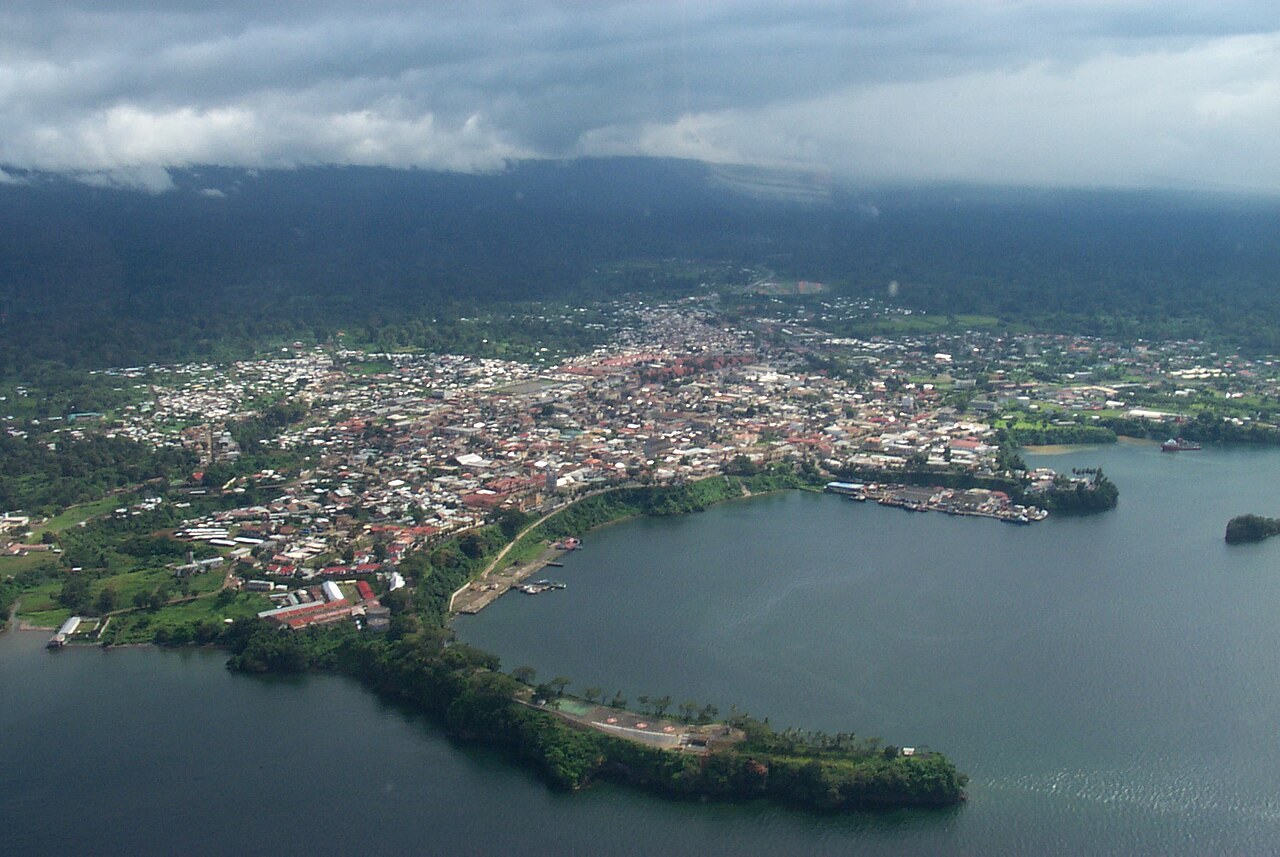
Bioko Norte
Malabo
The island capital, with a Gothic cathedral, colonial streets, a seafront promenade and lively cultural centres.
Read the guidePhoto: Ipisking at English Wikipedia, CC BY-SA 3.0, via Wikimedia Commons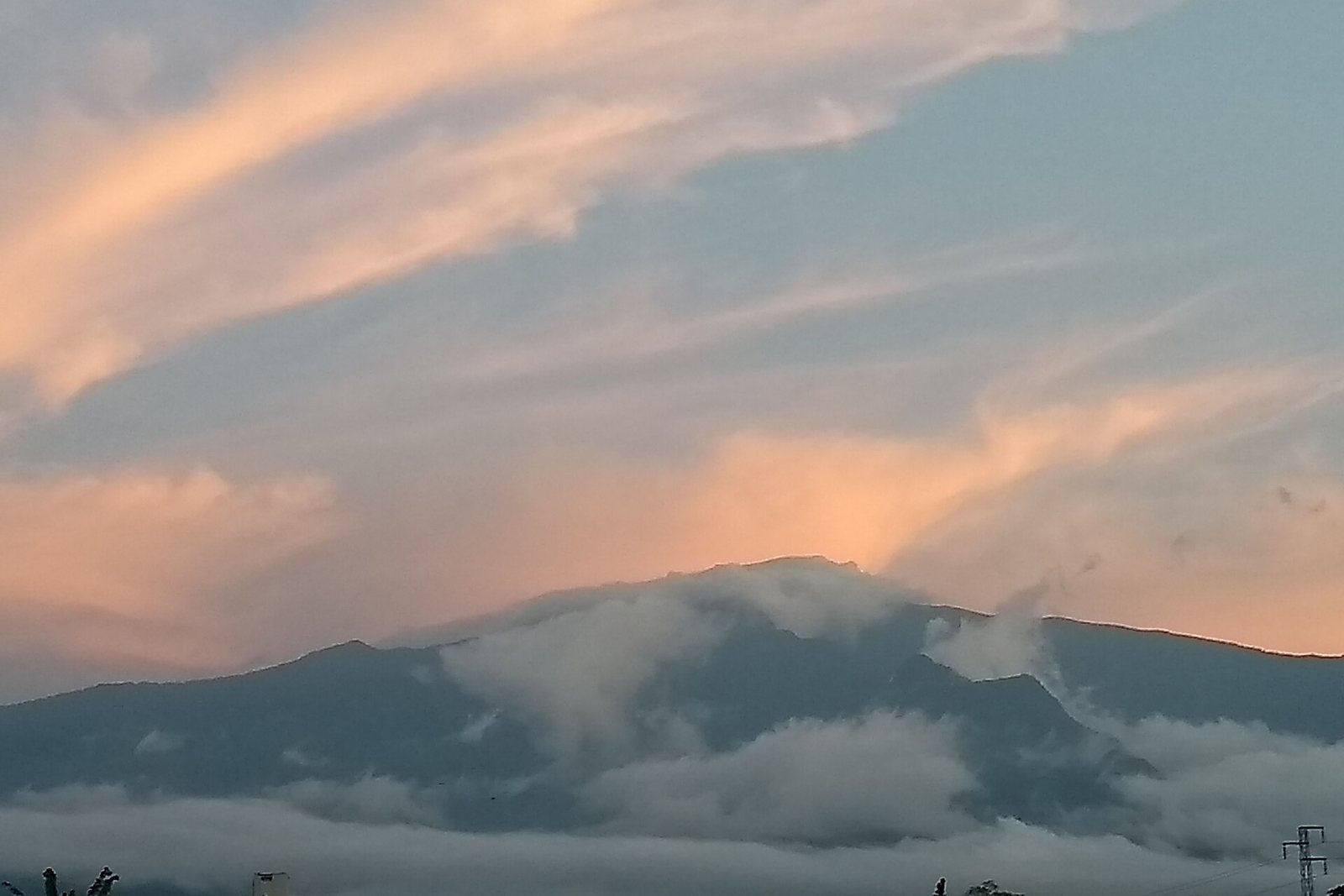
Litoral province, Río Muni
Bata
The largest city and gateway to the mainland, with a long seafront, busy markets and nearby beaches.
Read the guidePhoto: Amitsawant0812, CC BY-SA 4.0, via Wikimedia Commons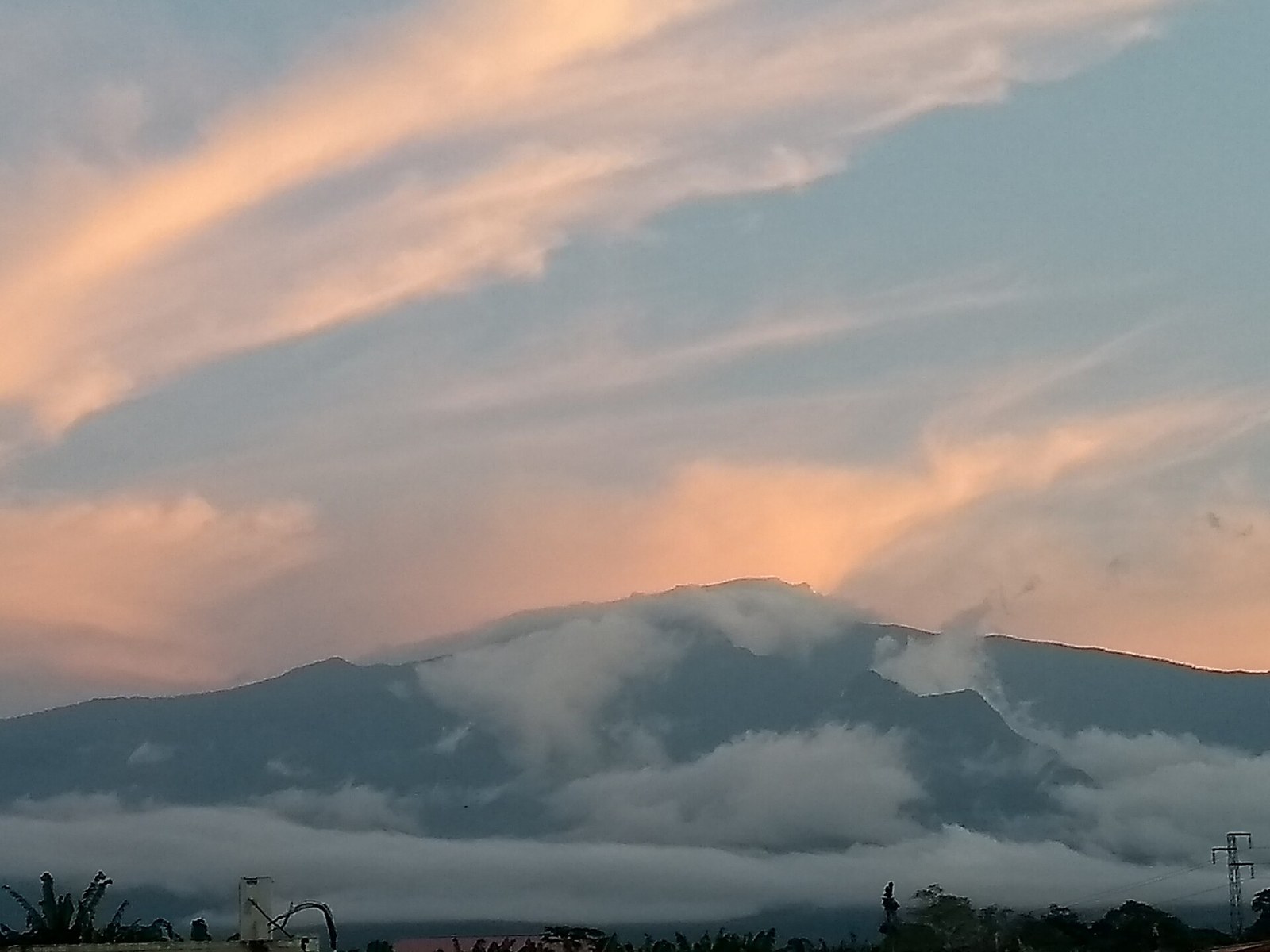
Bioko Sur
Southern Bioko
Green highlands, crater lakes, a sleepy fishing town and wild beaches where sea turtles nest.
Read the guidePhoto: Amitsawant0812, CC BY-SA 4.0, via Wikimedia Commons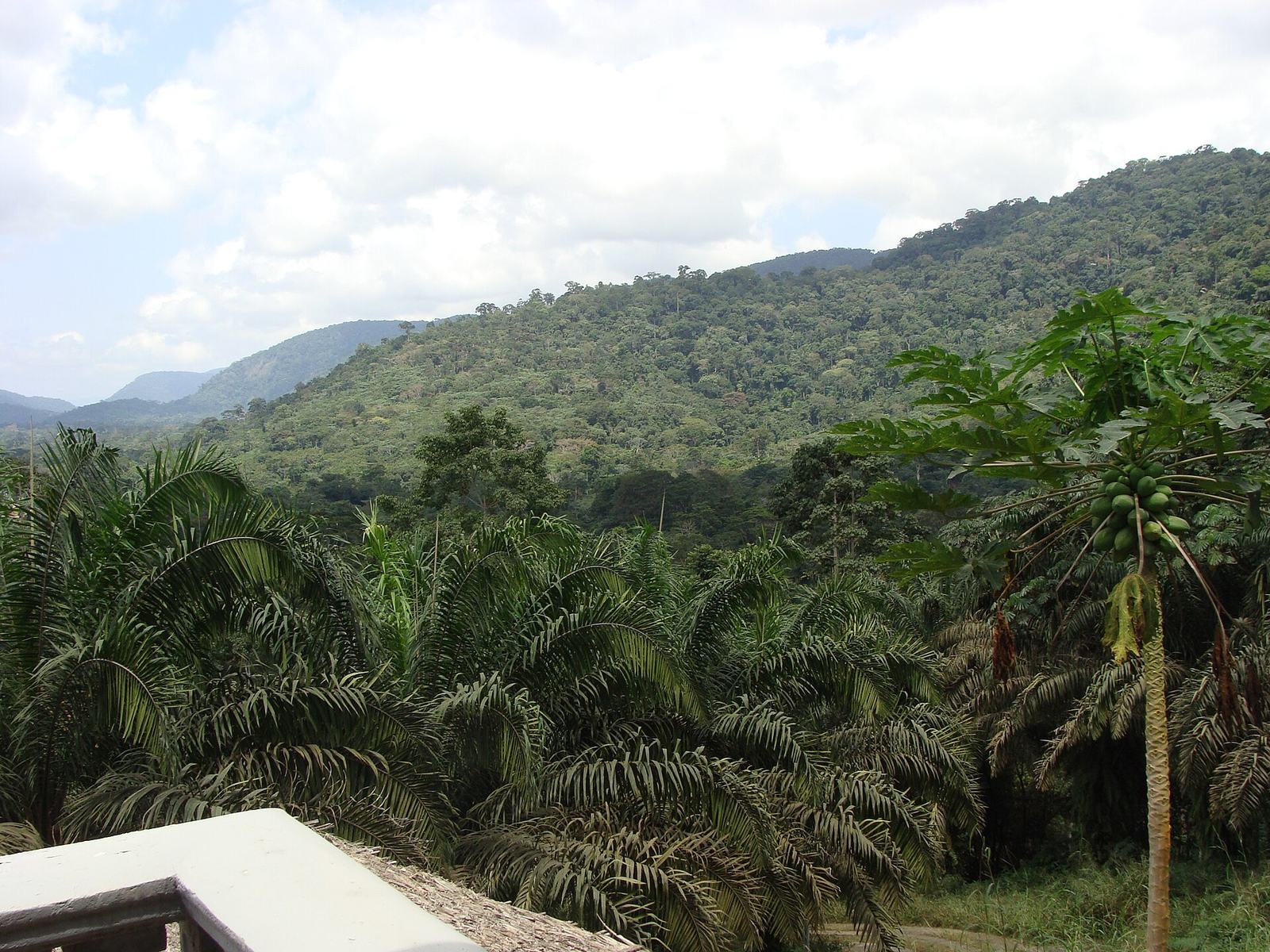
Centro Sur, Río Muni
Monte Alén National Park
A vast mainland rainforest with rivers, waterfalls, forest elephants and primates.
Read the guidePhoto: Mehlauge, CC BY-SA 4.0, via Wikimedia Commons
A note from our founder
A note from our founder
My first time visiting Kenya, I was genuinely surprised with how fast it began feeling like home. The people are so friendly, the food is delicious and familiar, and the accommodations are modern and upscale.
During my travels throughout the continent, I commonly hear tourists share stories about being scammed or taken advantage of, which is both frustrating and disheartening.
Living in Kenya for the last 2 years, I have had the great fortune to meet a network of wonderful Kenyans who have continuously help guide my family's journey. Their shared knowledge has not only greatly enhanced our overall experience here, but it has also saved us tons of time, energy, and resources.
With BlissPoint Travel, my hope is to build a global community that is willing to share useful, uncommon knowledge so that we can all blissfully enjoy the wonders our world has to offer.
Questions we hear most
Is Equatorial Guinea safe for visitors?
Violent crime against visitors is relatively uncommon, but petty theft happens and police checkpoints are frequent. Carry your passport at all times, avoid photographing government buildings, and read your government's current travel advice before booking.
Do I need a visa for Equatorial Guinea?
Many visitors need a visa, usually arranged through the government's official eVisa system or an Equatorial Guinean embassy, while some passports are exempt. Rules vary by nationality and change often, so check the official site and your embassy before you book.
Do I need a yellow fever vaccination?
Proof of yellow fever vaccination is commonly requested on arrival, so carry your certificate with your passport. Talk to a travel clinic about malaria prevention and other vaccines too.
What language is spoken in Equatorial Guinea?
Spanish is the main official language and the one you will use most, with French and Portuguese also official. Fang, Bubi and other local languages are widely spoken at home, and English is not common outside hotels.
When is the best time to visit Equatorial Guinea?
December to February is the driest and most comfortable time on Bioko, and also the main turtle nesting season. The mainland has two drier spells, roughly December to February and a shorter break around July and August.
How do I get help planning?
Use our free trip planner to shape your route, or send a question through our contact page.
Ready to find your Bliss in Equatorial Guinea?
Use the free trip planner to turn ideas into a route that fits your dates and budget.