At a glance
- Best for
- Turtles, beaches, rainforest and highland lakes
- Gateway
- Malabo International Airport (SSG)
- Time needed
- One to three nights
- Best season
- November to February for turtles and drier days
- Getting there
- By road from Malabo with a driver or guide
- Good to know
- Permits may be needed for protected areas
Luba
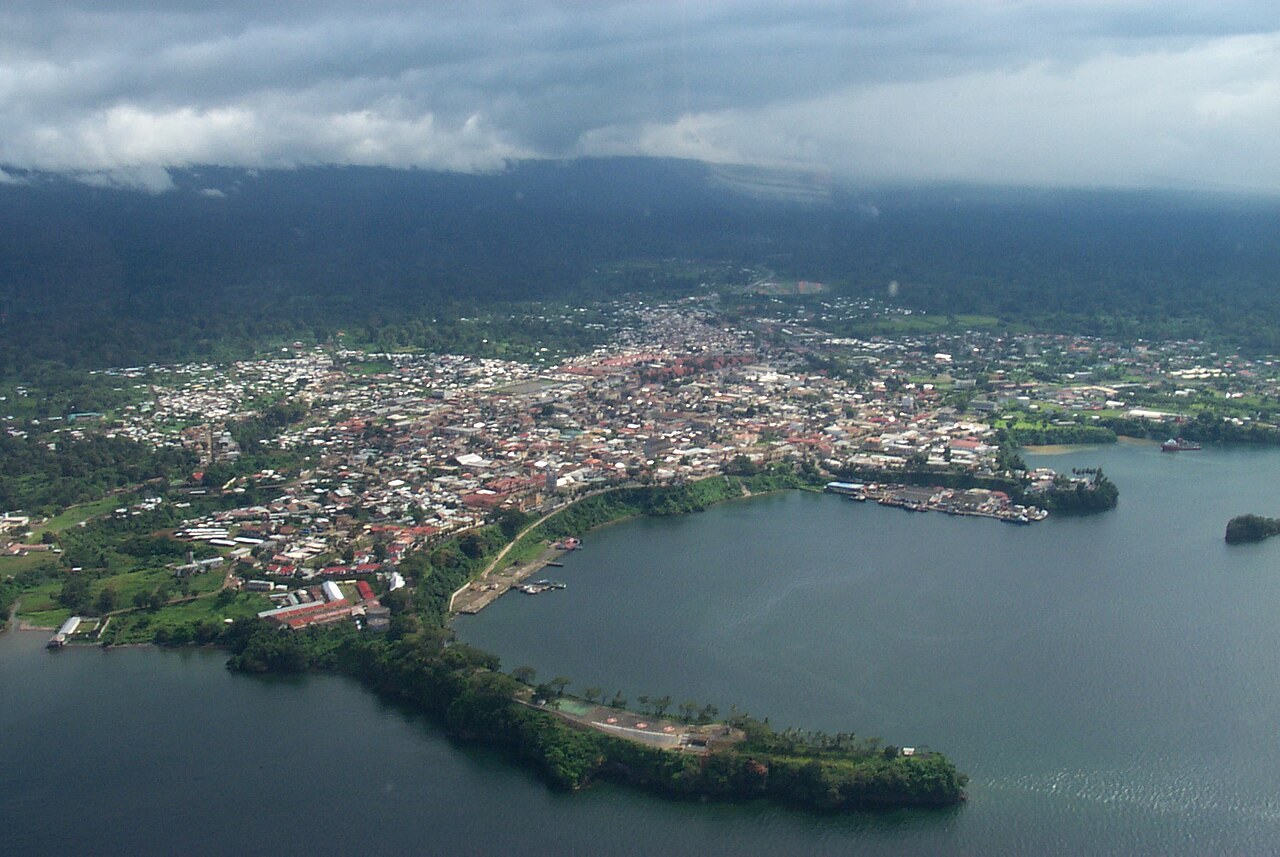
Luba, once called San Carlos, is Bioko's second town, set on a sheltered bay beneath forested hills. It has a quiet waterfront, a colonial church and a small port. The road from Malabo is good and the drive takes around an hour or more, passing cocoa plantations and villages. Nearby **Arena Blanca** is the island's famous white sand beach, a rarity on a volcanic island, and a popular weekend escape, especially in the dry season when clouds of butterflies gather along the shore.
Moca and the highlands
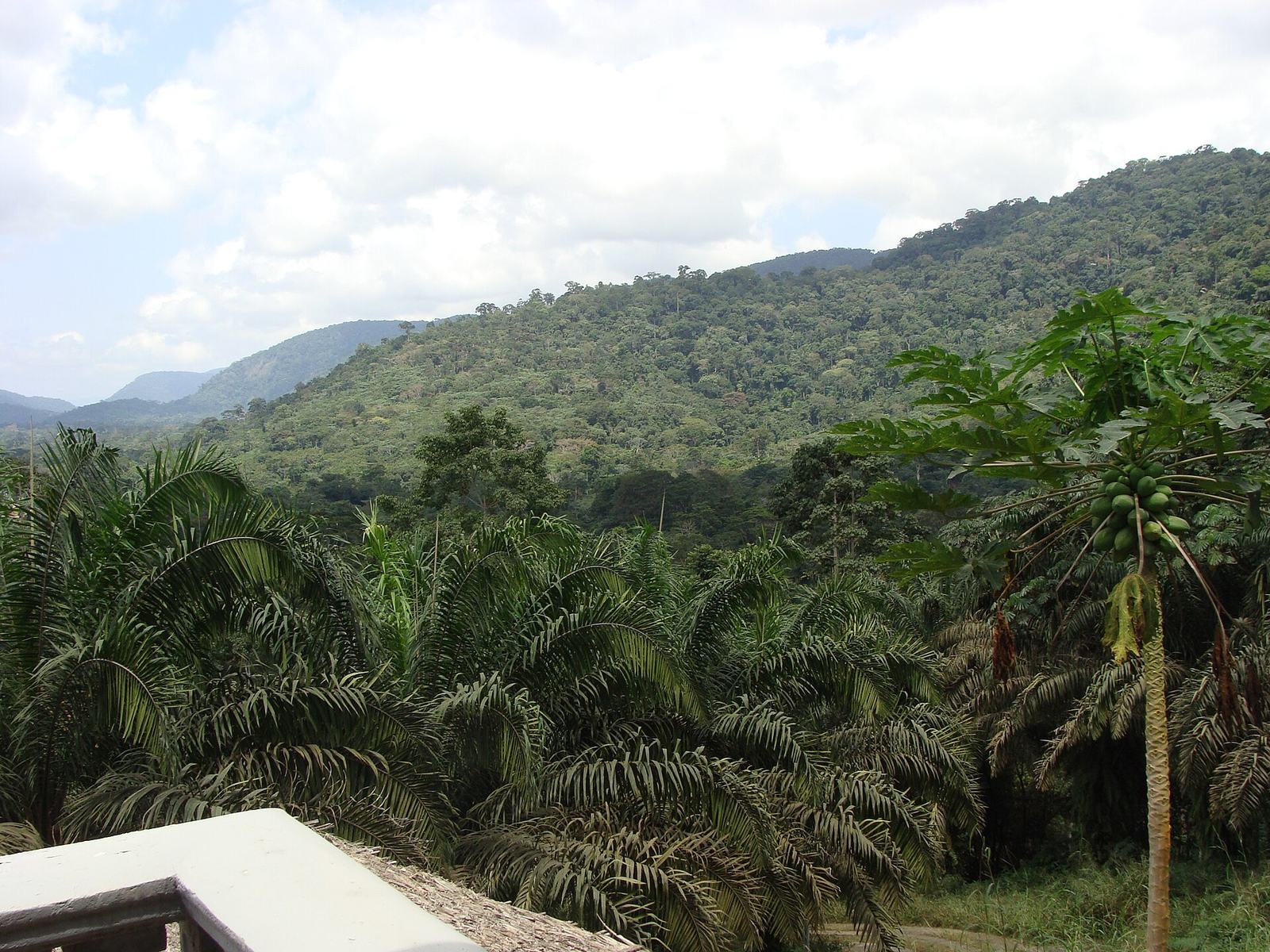
Inland and uphill, the village of **Moca** sits in a cool valley around a thousand metres above the sea. The air is fresh, the hills are covered in farms and forest, and the Bubi culture of the island is strong here. Walks lead to **Lago Biao** and **Lago Loreto**, crater lakes ringed by forest. Mornings are often misty, so bring a light jacket and rain gear.
Ureca and the turtle beaches
The village of **Ureca**, on the far south coast, sits within the **Gran Caldera de Luba Scientific Reserve**, one of the wettest places on Earth. Its black sand beaches host four species of sea turtle, including leatherbacks and greens, which come ashore to nest mostly between November and February. Researchers from the Bioko Biodiversity Protection Program have worked here for years, and the forests around the caldera hold rare monkeys such as drills and Bioko red colobus.
Reaching Ureca takes planning. The road has improved, but conditions change after rain, and some beaches are reached only by walking. Visits are best arranged through a licensed guide, the reserve authorities or a conservation programme that accepts visitors, and you may need a permit. Night turtle watching should be done only with a guide, using red light and keeping well back from nesting turtles.
Pico Basilé
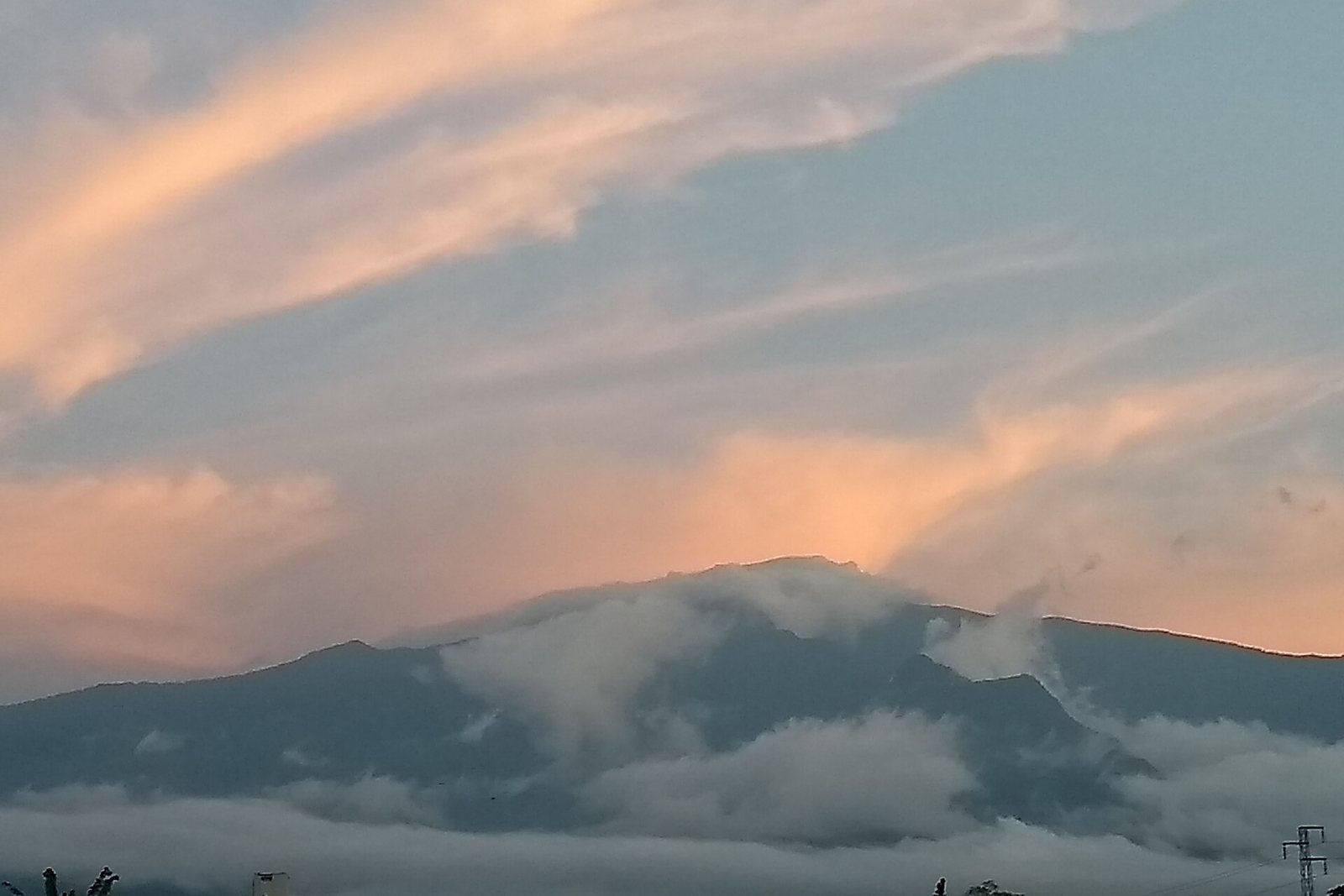
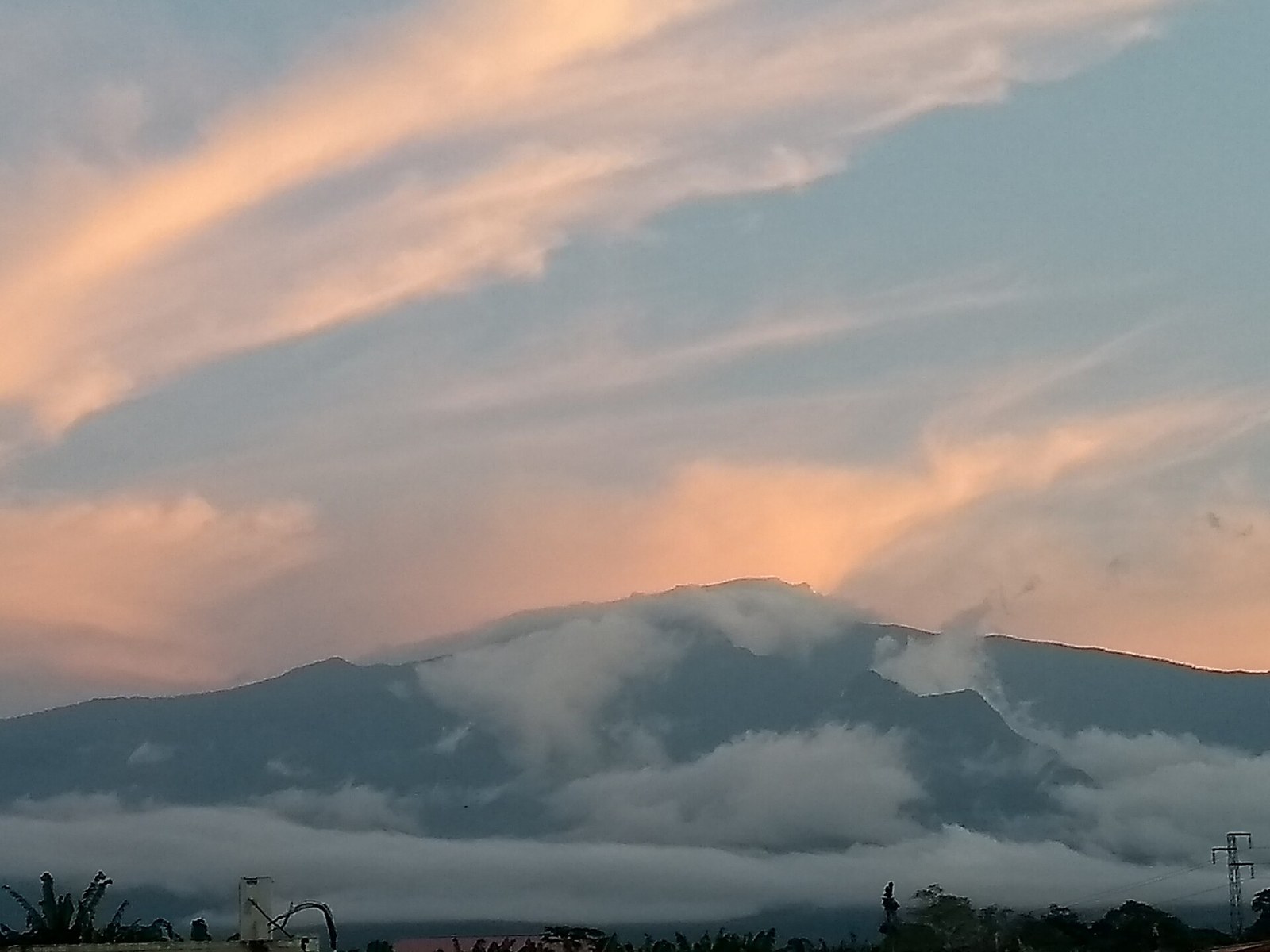
On the way south, the island's highest peak, Pico Basilé, towers over Malabo. A road climbs towards the summit area, which has military installations, so access is restricted. Ask locally whether visits are currently possible, and never take photographs near official sites.
Where to stay
Accommodation is limited. Luba has a few simple hotels and guesthouses, and Moca has basic lodging. Near Ureca, options are very basic or arranged as part of a guided trip. Many visitors make southern Bioko a long day trip from Malabo.
Before you go
Carry your passport for police checkpoints, enough cash for the whole trip, water and snacks, and insect repellent. Expect rain at almost any time of year. Use our free trip planner to build in spare time for slow roads and changes of plan.
The Bubi heartland
The south and the highlands are home to many Bubi communities, the original people of Bioko, with their own language, kingship traditions and dances. Villages are small, and visitors are rare, so greet people politely in Spanish, ask before taking photographs and follow local guidance at any ceremony. A small purchase of fruit or a drink at a local shop is a good way to say thank you.
Butterflies and birds
In the dry season, Arena Blanca is famous for clouds of butterflies that gather on the sand. The forests of the caldera are home to many endemic birds, and the drive through the hills offers views across the green island to the sea.
Questions about southern Bioko
When can I see sea turtles on Bioko?
Nesting peaks roughly between November and February on the beaches near Ureca. Sightings are never guaranteed and should always be with a guide.
Can I visit southern Bioko as a day trip from Malabo?
Luba, Arena Blanca and Moca can be seen in a long day. Ureca and the turtle beaches need at least one night.
Do I need a permit for Ureca?
Permits are often required for the reserve and for some travel outside Malabo. Ask your guide or the relevant ministry before you go, as rules change.
Is Arena Blanca really white sand?
Yes. It is one of the few pale sand beaches on Bioko, which is why it is so popular at weekends.
Facts checked . Fees, schedules and entry rules change, so always confirm the latest with the official source.