At a glance
- Best for
- Colonial architecture, culture and seafood
- Gateway
- Malabo International Airport (SSG)
- Time needed
- Two to four nights
- Best season
- December to February, the driest months
- Getting there
- Flights from Madrid, Addis Ababa and regional hubs
- Language
- Spanish, with Bubi, Fang and Pichi on the street
Why Malabo is worth your time
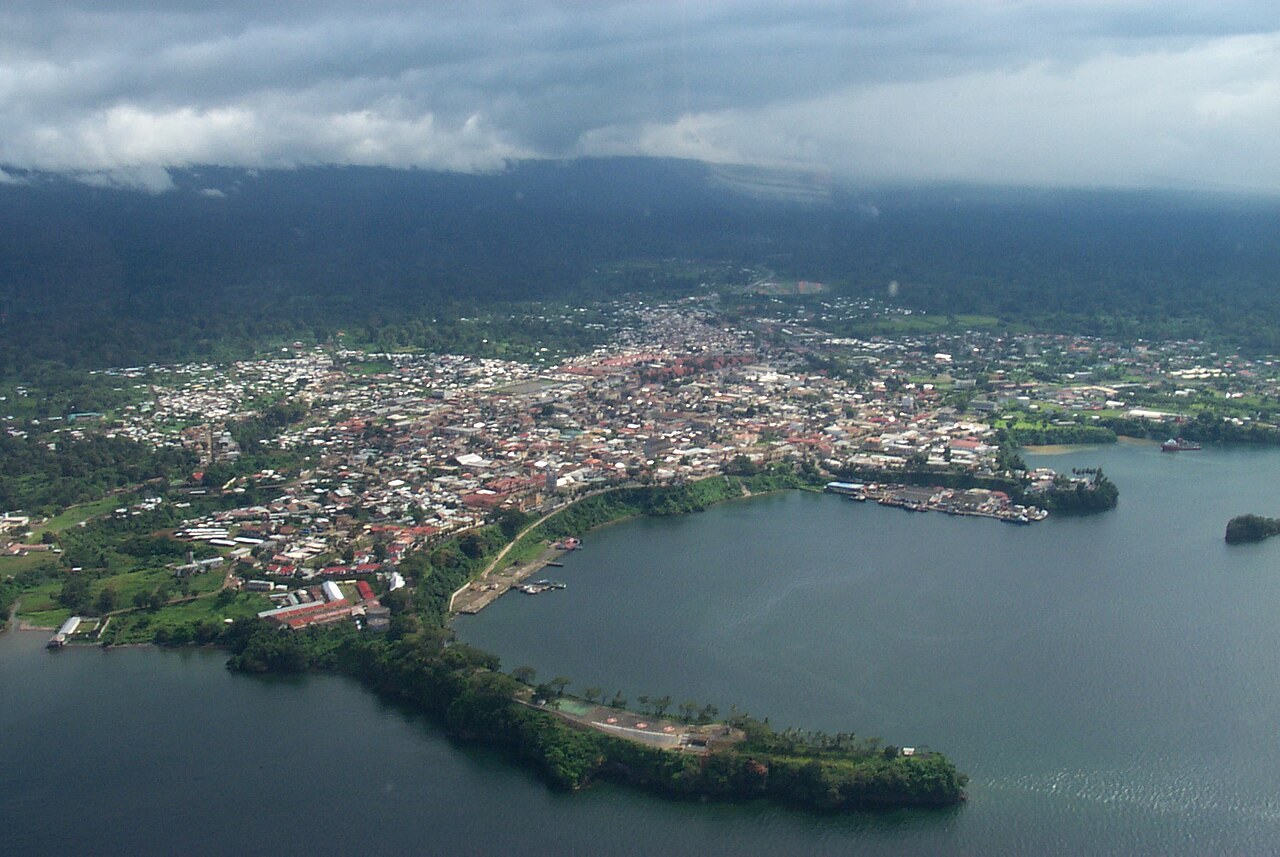
Founded by the British as Port Clarence in the 1820s and later renamed Santa Isabel under Spain, Malabo has layers of history packed into a few walkable blocks. The old town still has its grid of narrow streets, wooden balconies and iron railings, while new districts built on oil money stretch east towards Sipopo. Few tourists come, so you will often have the sights to yourself.
The sights to see
The **Catedral de Santa Isabel**, finished in the early twentieth century, is the city's landmark, with two Gothic towers that glow at sunset. It faces the **Plaza de la Independencia**, near the presidential palace. Walk the **Paseo Marítimo**, the seafront promenade, in the late afternoon breeze. The **Casa Verde**, a prefabricated colonial house in green-painted iron and wood, is one of the oldest buildings on the island. The **Centro Cultural de España en Malabo** and the **Instituto Cultural de Expresión Francesa** host concerts, films, exhibitions and festivals, and are the best places to meet local artists.
Neighbourhoods to know
The **old town** around the cathedral holds government buildings, banks and small cafés. **Ela Nguema** and **Los Ángeles** are busy residential districts with markets and street food. **Semu** is known for its big market. **Malabo II** is the newer business area with ministries, hotels and supermarkets, and **Sipopo**, east of the centre, is a purpose-built resort and conference district with a beach and a large hotel.
Food and drink
Malabo is a seafood city. Try grilled fish with fried plantain or cassava, pepe soup with fish or meat, and snails or prawns in spicy sauce. Spanish influence shows in coffee, bread, tortilla and beer. Local cafés along the old town streets are good for breakfast, and simple grills near the markets are where locals eat in the evening.
Where to stay
Business hotels dominate. The large international hotels in Malabo II and Sipopo are the most comfortable and reliable, with generators, security and airport transfers arranged by the hotel. Smaller hotels in the old town are cheaper and closer to the sights, but check reviews and water and power arrangements before booking.
Staying safe
Malabo feels calm by regional standards, but carry your passport or a certified copy at all times, because police checks are common. Never photograph the presidential palace, military sites, police or government buildings. Use registered taxis, agree the fare before you get in, and avoid walking alone late at night away from the seafront and main streets.
Day trips
Drive south to Luba and the beaches of southern Bioko, or up into the cooler highlands near Moca to see crater lakes. Arrange longer trips through your hotel or a licensed guide, and use our free trip planner to fit them in.
Getting around
Taxis are the main way to move around Malabo. Shared taxis pick up several passengers along a route, which is cheap but can be slow, while a private ride costs more. Ask your hotel to call a trusted driver for the airport and for evenings. Traffic is light compared with many African capitals, and the main roads are good.
A suggested two days
On day one, walk the old town, visit the cathedral and the Plaza de la Independencia, have lunch at a café, browse the Mercado de Semu and finish with sunset on the Paseo Marítimo. On day two, check the programme at the cultural centres, relax at Sipopo or drive up toward the highlands, and end with grilled fish by the sea.
Questions about Malabo
How many days should I spend in Malabo?
Two or three nights covers the old town, the seafront and a cultural centre event. Add a night or two if you want to explore southern Bioko.
Is Malabo walkable?
The old town and seafront are easy to walk by day. For longer trips across the city, and at night, use a taxi.
Can I take photos in Malabo?
Be very careful. Photographing government buildings, the presidential palace, the port, the airport, police or soldiers can lead to arrest. Ask people before photographing them, and ask locally whether a permit is currently required.
What is Sipopo?
Sipopo is a planned resort and conference area east of central Malabo, built to host international summits, with a large hotel, villas and a beach.
Facts checked . Fees, schedules and entry rules change, so always confirm the latest with the official source.