The capital
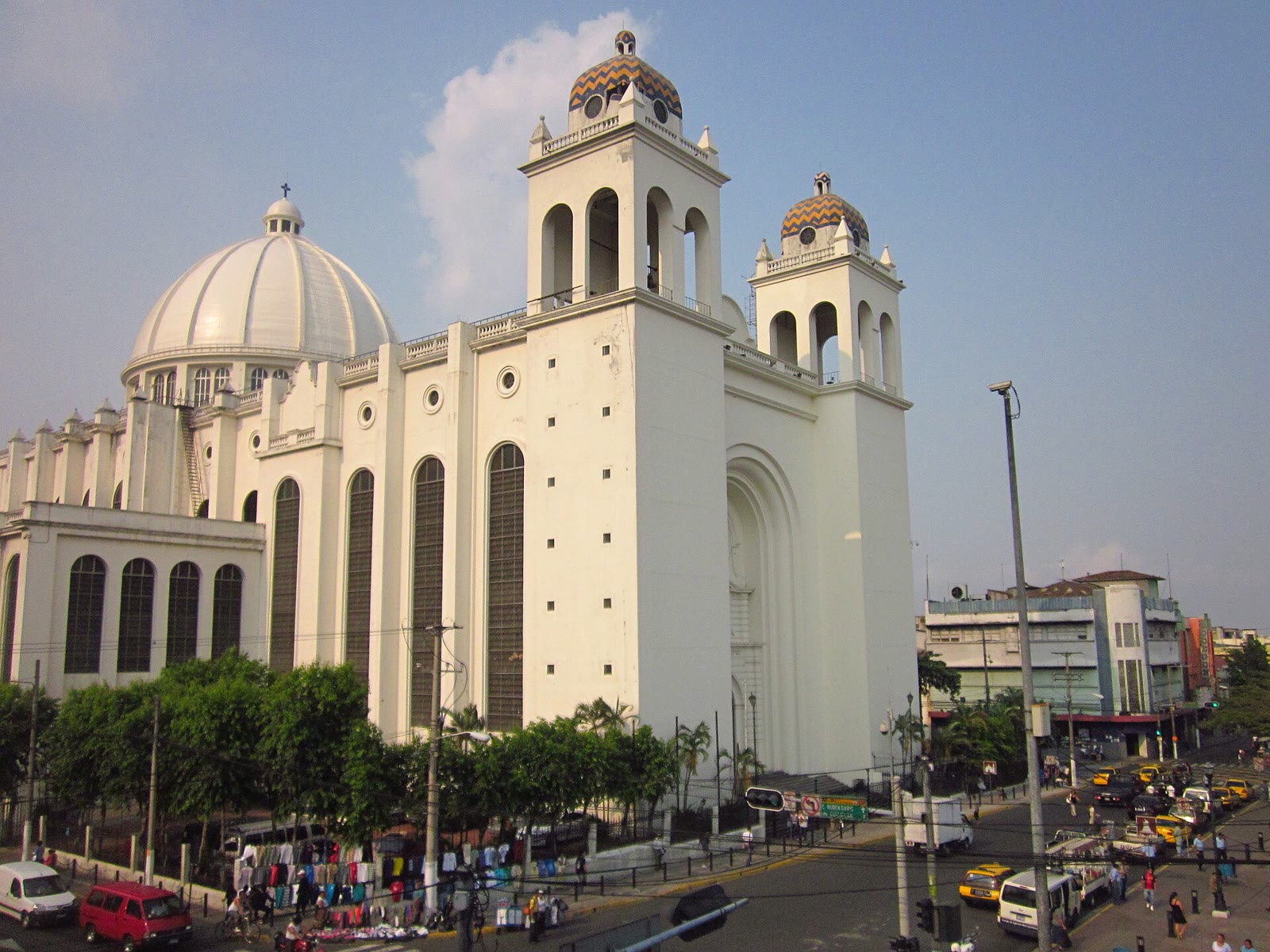
Most trips begin in or near San Salvador, the country's busy, fast-changing capital. Its restored historic centre, with the cathedral, the National Palace and the new national library, has become a real draw, and the city has the best museums, malls and restaurants in the country. The airport sits about forty minutes south, close to the coast.
The surf coast
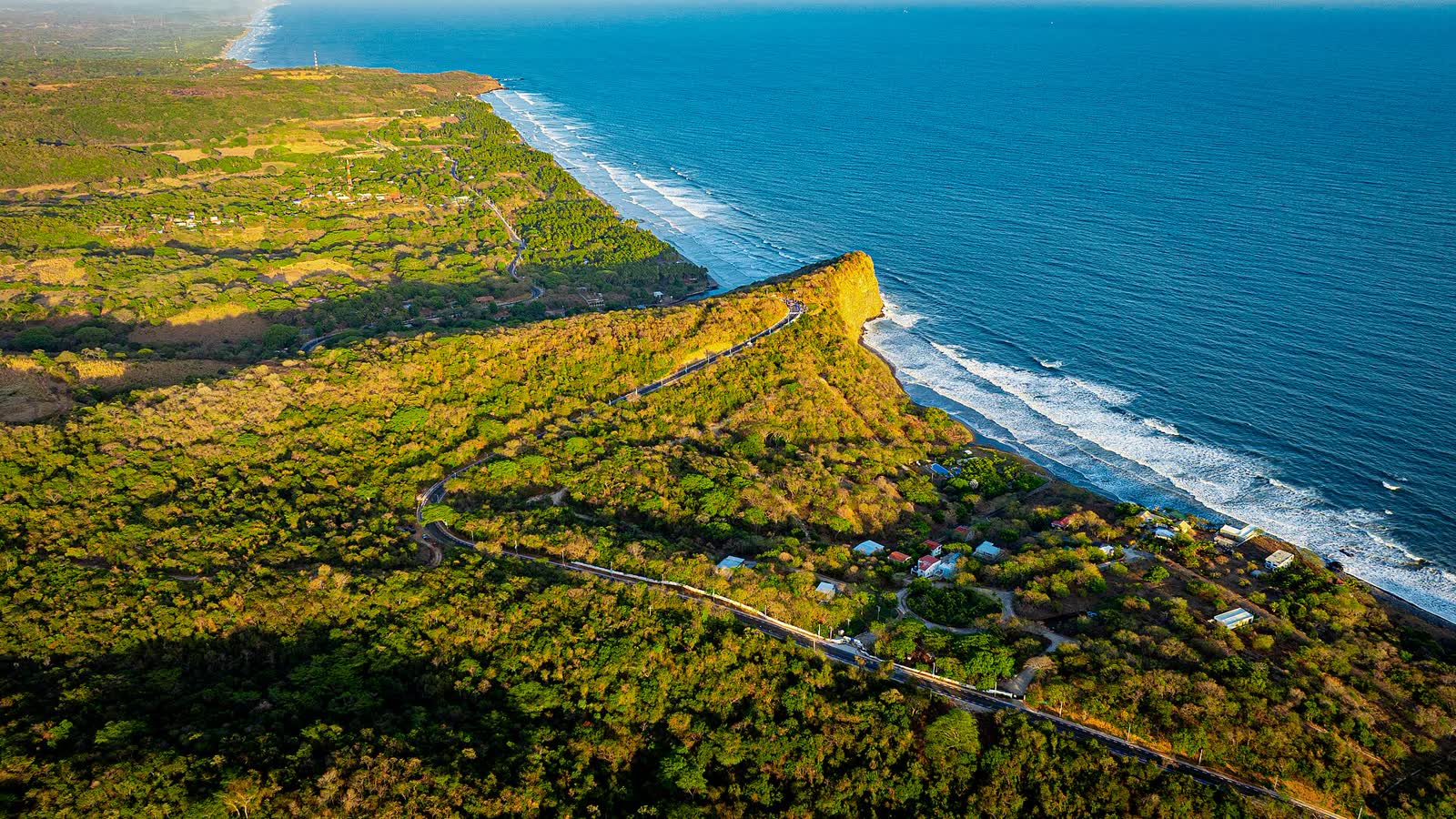
West of the old port of La Libertad, the coastal road runs past cliffs and black sand coves now marketed as Surf City. El Tunco is the lively village with bars, surf schools and sunsets; El Zonte is calmer and more bohemian; Sunzal and Punta Roca draw serious surfers. It is the most popular base for first-time visitors, and it is close to the airport.
The western highlands
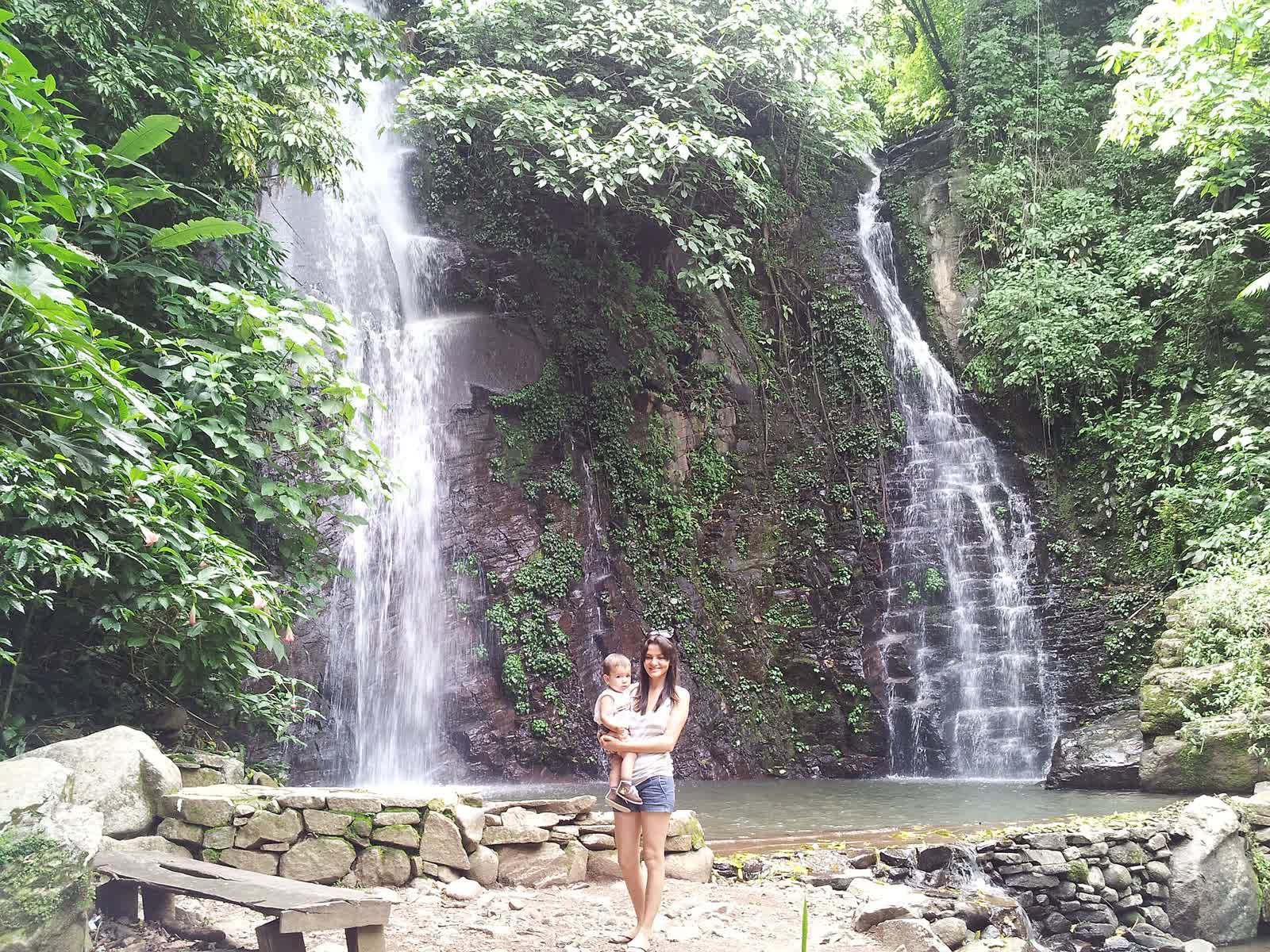
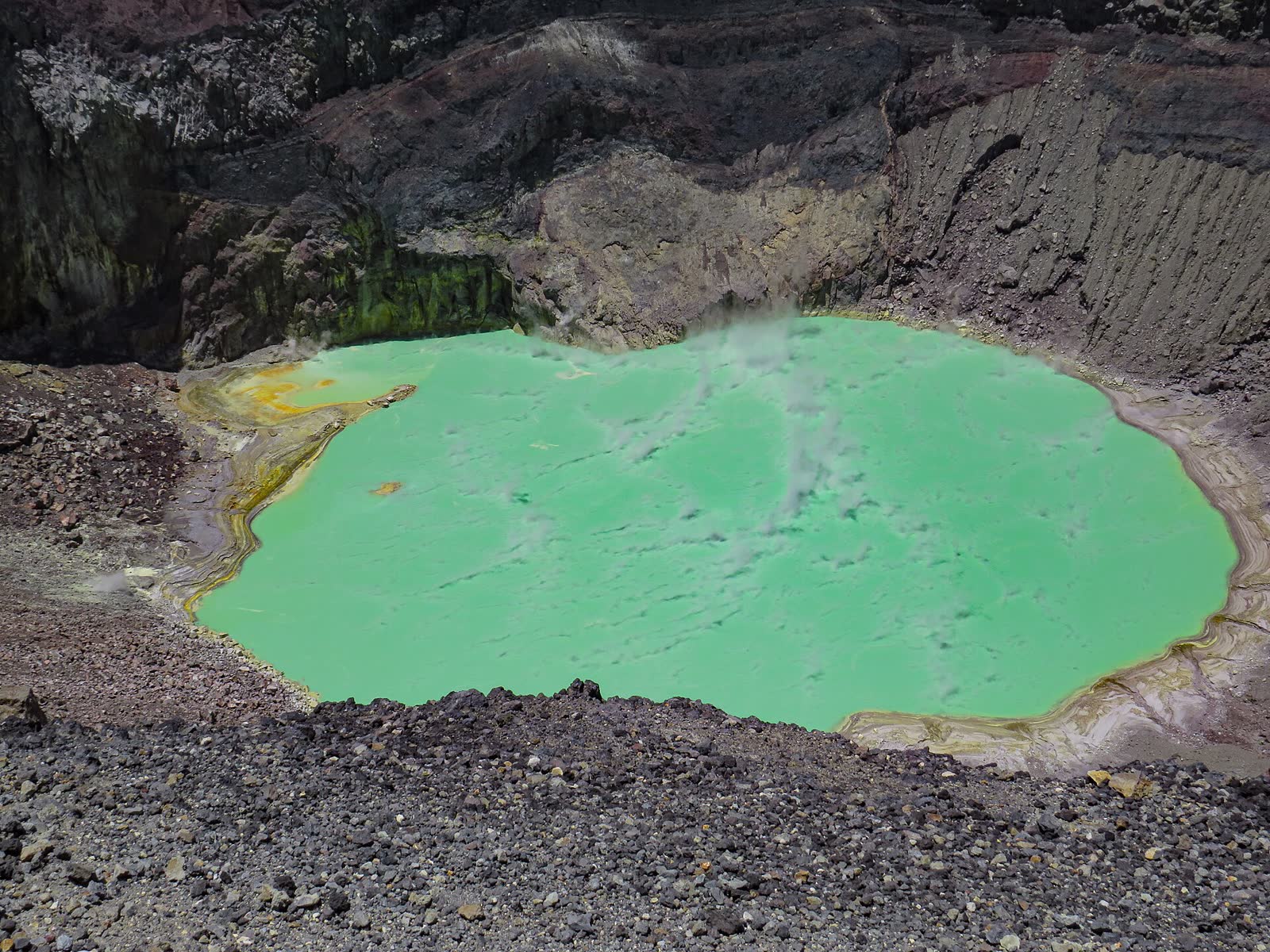
The Ruta de las Flores is a winding road through coffee country, linking the towns of Nahuizalco, Salcoatitán, Juayúa, Apaneca and Concepción de Ataco. Expect murals, weekend food fairs, waterfalls and cool mountain air. Nearby, Santa Ana is the country's second city and the base for hiking the Santa Ana volcano, swimming in Lake Coatepeque and visiting the Maya site of Tazumal.
Colonial El Salvador
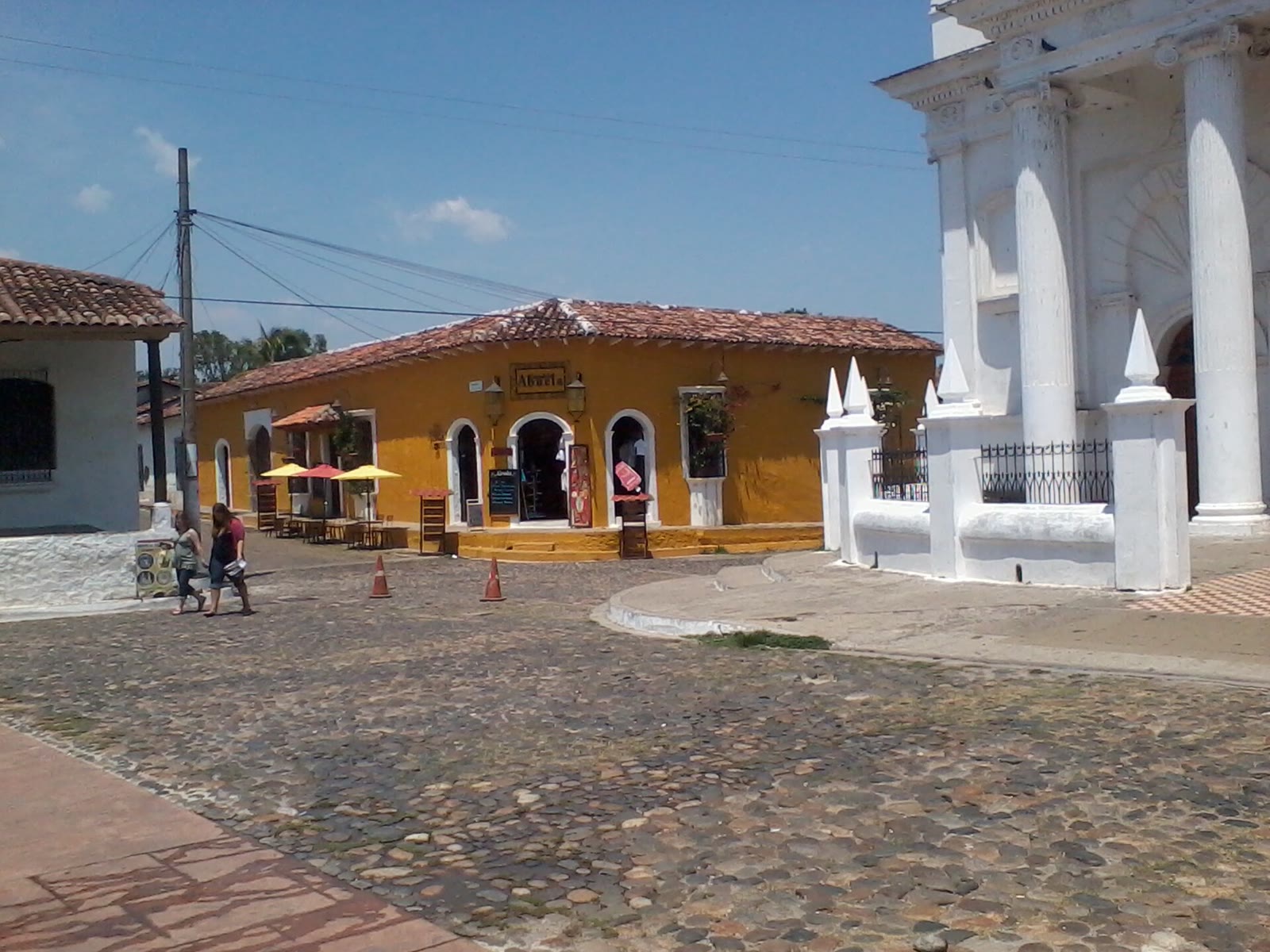
North of the capital, Suchitoto is the country's best preserved colonial town, with cobbled streets, a white church, art galleries and views over Lake Suchitlán. It is calm, creative and an easy hour or so from San Salvador.
Further afield
The east is less visited and rewarding: the mangroves of the Bahía de Jiquilisco, quiet beaches like El Cuco and Las Flores, and the mountains of Morazán around Perquín, where the civil war history is told first hand. In the north, La Palma is the home of the country's famous naïf painting style.
How to combine them
A classic week splits between the coast and the west: a few days at the beach, a night in Santa Ana for the volcano and a night or two on the Ruta de las Flores. With more time, add Suchitoto and a day in the capital. Use the free trip planner to shape your route, or browse places to visit for specific spots.