At a glance
- Best for
- Surfing, sunsets, nightlife and relaxing
- Gateway
- San Salvador airport (SAL), about forty minutes away
- Time needed
- Three to five days
- Best season
- November to April for calm sun; March to October for bigger surf
- Getting around
- Ride-hailing, local buses and tuk-tuks
- Language
- Spanish, with English common in surf towns
Why go to Surf City
This coast is the easiest, most relaxed introduction to El Salvador. It is close to the airport, full of small hotels and restaurants, and welcoming to beginners and experienced surfers alike. Even if you never touch a board, the sunsets, the seafood and the slow pace make it a natural place to start or end a trip.
The beaches, explained
- **El Tunco** is the liveliest village, named after the big rock just offshore that looked like a pig. It has a lane of surf shops, hostels, bars and restaurants, live music at weekends and a famous sunset view.
- **El Sunzal**, next door, is a long right hand point with gentle inside waves that suit lessons.
- **El Zonte**, about fifteen minutes west, is quieter and more bohemian, with yoga, surf camps and a community where the country's bitcoin story began.
- **Puerto de La Libertad** is the working fishing port with a rebuilt seafront malecón, a fish market on the pier and **Punta Roca**, a powerful right hand break for experts only.
- **El Palmarcito**, **Km 59** and **Mizata** are smaller, quieter coves further west.
- **Playa San Diego**, east of the port, is a long open beach popular with local families.
Surfing
The coast is known for right hand point breaks that peel along rock and cobble reefs. Beginners should take a lesson with a local surf school in Sunzal, El Tunco or El Zonte; instructors know the safe spots and the tides. Waves are bigger from March to October, during the southern hemisphere swells, while the dry season months bring smaller, cleaner waves that suit learners. Wear reef booties on the rocky entries, and never surf an unfamiliar break alone.
Beyond the beach
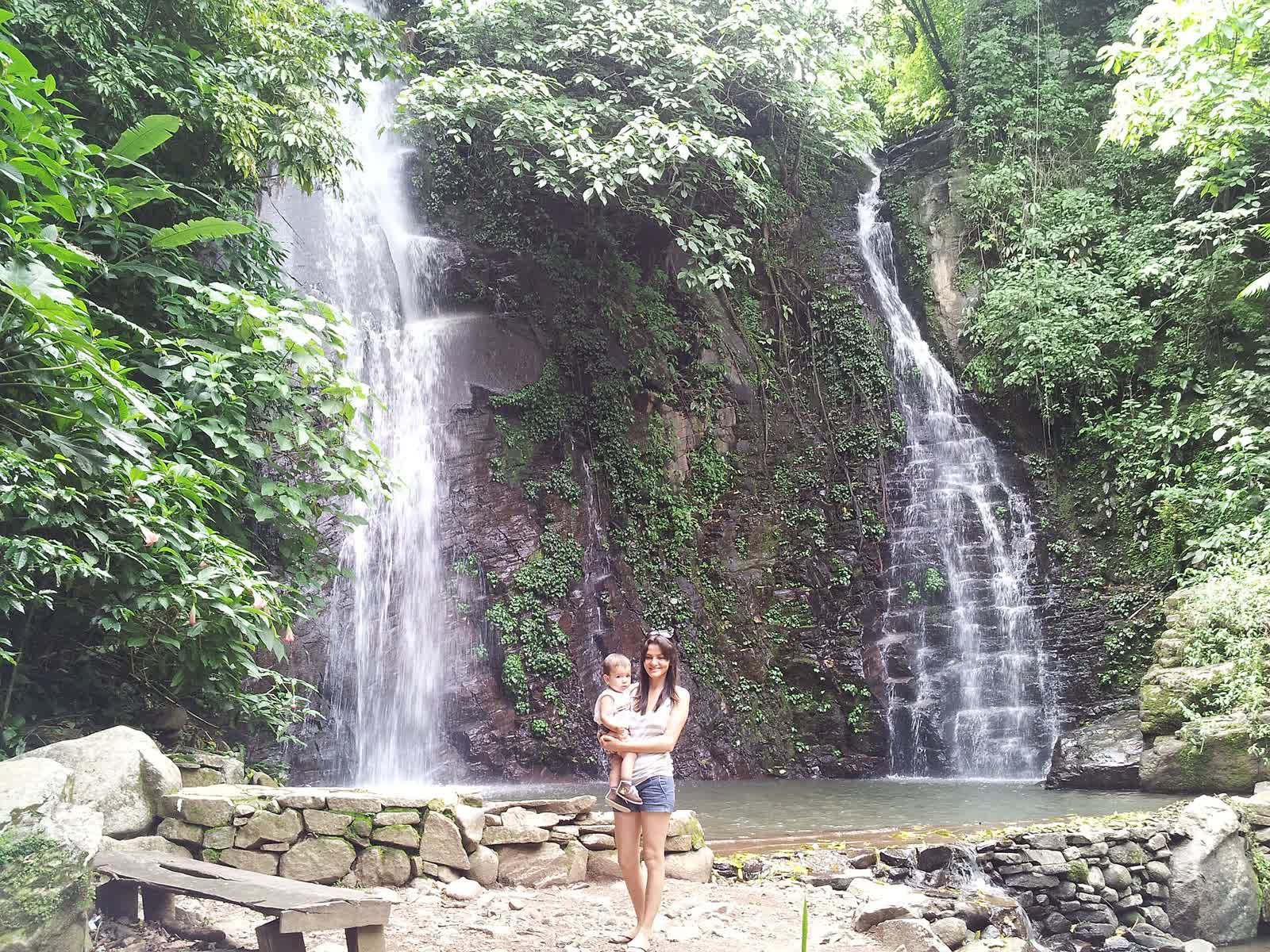
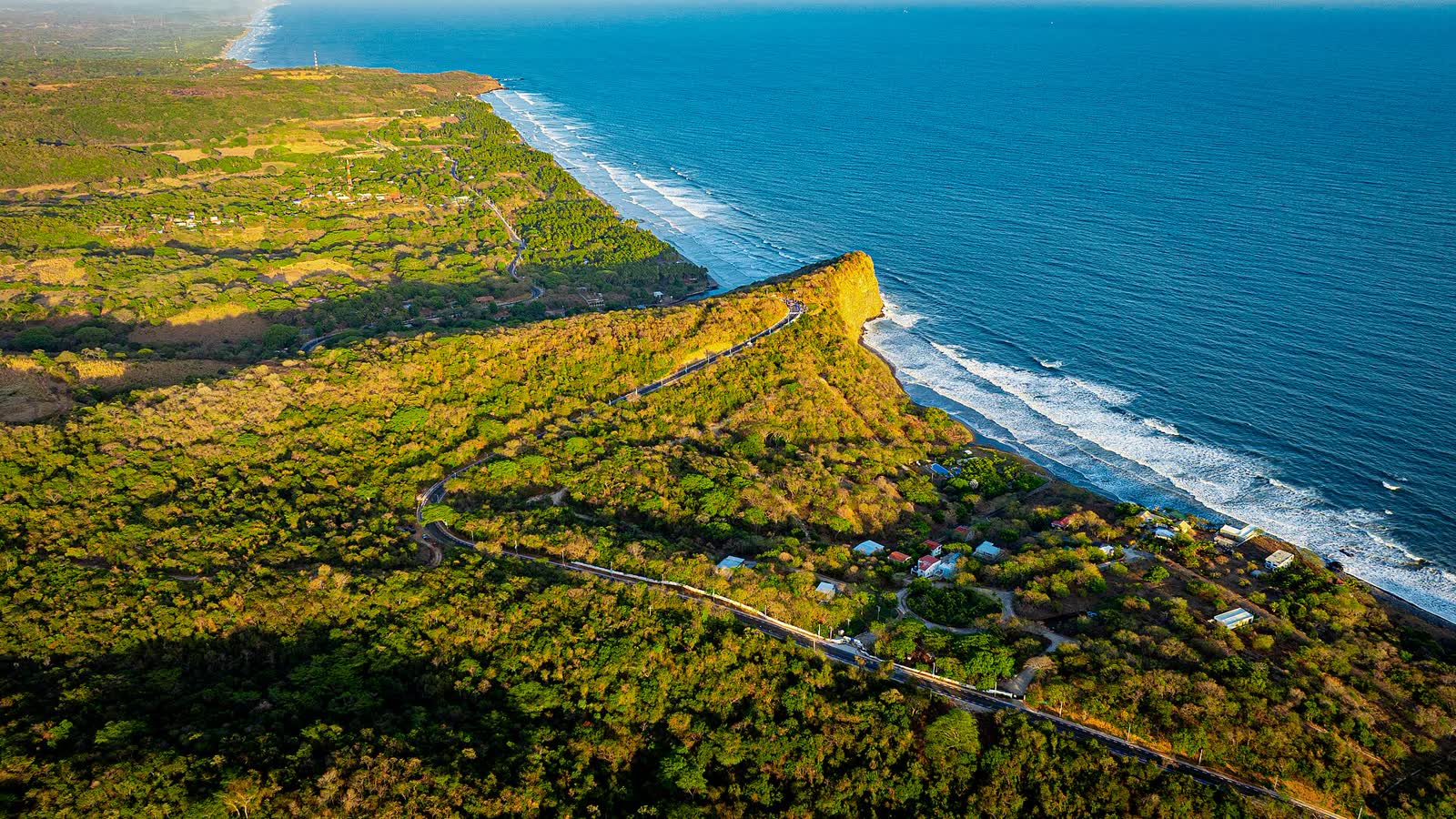
Take a guided hike to the Tamanique waterfalls in the hills above the coast, walk the malecón and pier at La Libertad, join a turtle release in season through a community hatchery, or book a yoga class above the waves. The coastal highway west of the port, with its cliffs and tunnels, is a beautiful drive.
What and where to eat
Seafood is the star. At the La Libertad pier, buy fresh fish and have it fried whole, try ceviche, cóctel de conchas and sopa de mariscos, and finish with a coconut straight from the shell. In El Tunco and El Zonte, small pupuserías open in the evening alongside cafés serving smoothie bowls and international dishes for the surf crowd.
Where to stay
El Tunco suits travellers who want restaurants, bars and some nightlife on the doorstep, from hostels to small pool hotels. El Zonte suits couples and long stays who prefer a slower, quieter village. Sunzal has some of the best ocean view boutique hotels. Book ahead for Semana Santa, Christmas and surf contests, when Salvadoran families and international surfers fill the coast.
Getting around
Ride-hailing apps reach the coast from the airport and the capital. Local buses run along the coastal road and from La Libertad to San Salvador, and tuk-tuks cover short hops between beaches. Walking along the highway at night is not a good idea, as there is little lighting or pavement.
Staying safe
The main risks here are the ocean and the sun. Rip currents are strong, lifeguards are rare and many beaches have rocks, so swim only where locals do and only in calm conditions. Use reef-safe sunscreen, drink plenty of water and keep phones and wallets out of sight on the beach. Read your government's current travel advice before you go.
Questions about Surf City
Is El Tunco or El Zonte better?
El Tunco is better if you want bars, restaurants and a social scene. El Zonte suits those who want a quieter village, yoga and a slower pace. They are only fifteen minutes apart, so it is easy to visit both.
Can beginners surf in El Salvador?
Yes. El Sunzal's inside waves, El Palmarcito and parts of El Zonte suit beginners, especially in the dry season. Take lessons with a local surf school.
Is it safe to swim at El Tunco?
Only with care. The waves and rip currents are strong and there are few lifeguards. Swim in calm conditions and where locals swim, and never alone.
How do I get from the airport to El Tunco?
Ride-hailing apps and taxis cover the drive in about forty minutes. Many hotels can also arrange a transfer when you book.
Facts checked . Fees, schedules and entry rules change, so always confirm the latest with the official source.