At a glance
- Best for
- Colonial architecture, art, indigo and quiet
- Gateway
- San Salvador airport (SAL), about ninety minutes away
- Time needed
- One to two nights
- Best season
- November to April
- Getting around
- Walking in town; buses and taxis beyond
- Language
- Spanish
Why go to Suchitoto
Suchitoto is the calmest, most beautiful town in the country, and it carries a powerful history. It was a front line during the civil war, emptied of most residents, and was rebuilt by returning families, artists and community groups. Today it is peaceful, creative and easy to love, with a slower rhythm than anywhere else in El Salvador.
What to see in town
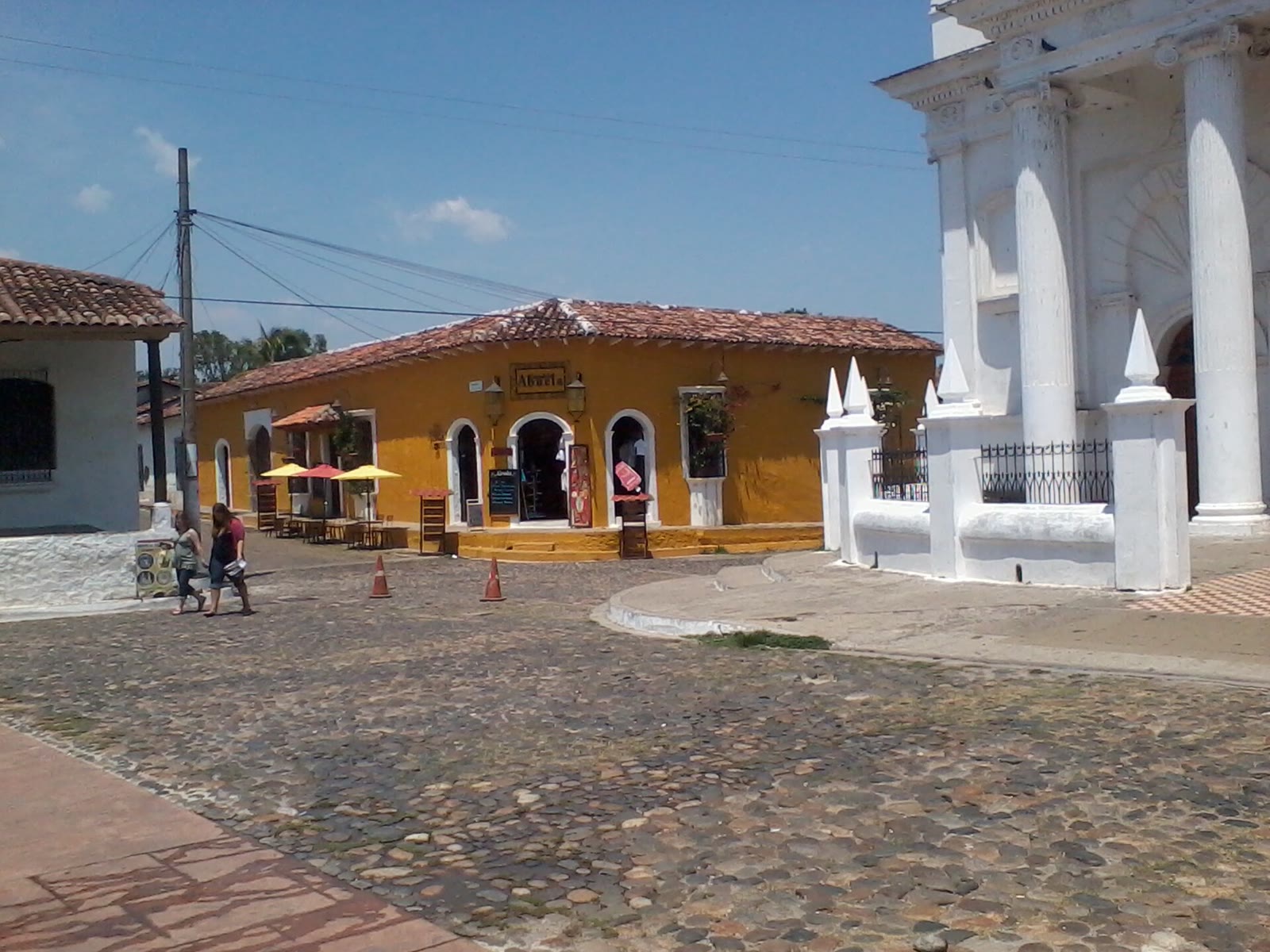
The **Iglesia Santa Lucía**, with its white facade and wooden interior, sits on the main square, which comes alive at weekends with food stalls and families. Wander the cobbled streets past colonial houses with red tiled roofs and painted doors. The **Centro Arte para la Paz**, in a former convent, has exhibitions on local history, the war and the indigo trade, and hosts art and music. **Casa Museo de Alejandro Cotto**, the former home of a Salvadoran film director, is full of art and antiques with sweeping lake views.
Indigo
Suchitoto was once a centre of the indigo trade, and the craft has been revived. Several workshops, such as Arte Añil, let you dye your own scarf or cloth using natural indigo, watching it turn from green to deep blue as it meets the air. It is one of the most memorable things to do here, and the results make lasting souvenirs.
Lake Suchitlán and the outdoors
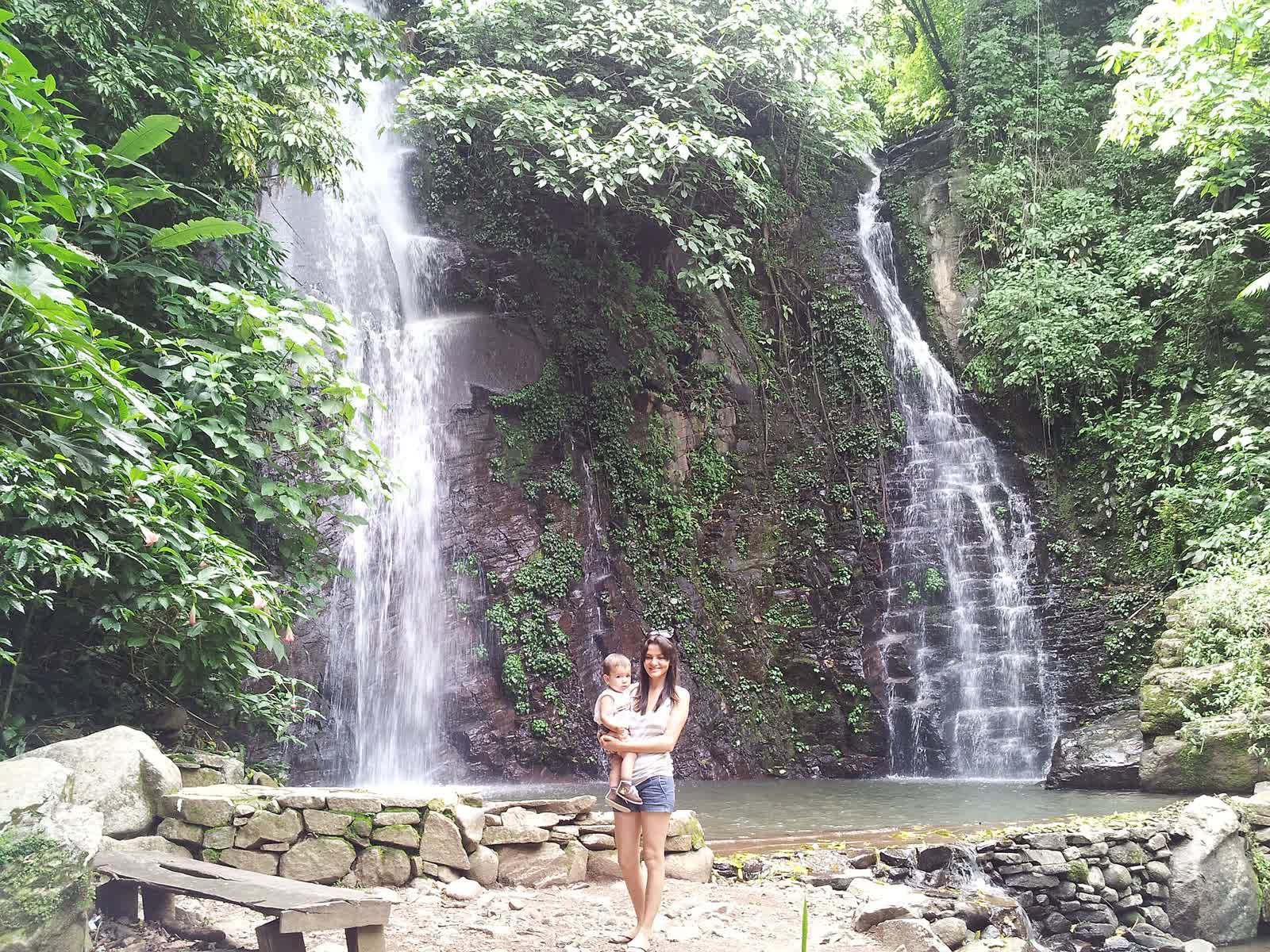
A short ride downhill takes you to **Puerto San Juan**, where boats leave for trips on **Lago Suchitlán**, a large reservoir created by a dam. Boat tours pass bird islands where egrets and herons nest, and some stop at small fishing villages. **Cascada Los Tercios** is a waterfall over unusual hexagonal basalt columns, best seen after rain. For history, guided hikes visit former guerrilla camps on the **Volcán de Guazapa**, and the forest park at **Cinquera** is guided by former combatants who share their stories.
Festivals and culture
Suchitoto hosts concerts, theatre and exhibitions through the year, and its arts festival and patron saint celebrations for Santa Lucía in December draw visitors from the capital. Weekends are lively, while weekdays are very quiet.
What and where to eat
On weekends, the square fills with stalls selling pupusas, yuca frita, elote loco, a grilled corn cob with sauces, and local sweets. Hotels such as Los Almendros de San Lorenzo serve refined local cooking in colonial courtyards, while small comedores offer set lunches of soup, rice, beans and chicken.
Where to stay
Suchitoto has a good range of boutique hotels in restored colonial houses, often with pools, gardens and lake views. El Tejado and Los Almendros de San Lorenzo are long-established choices, and simple guesthouses suit tighter budgets. Book ahead for weekends and holidays.
Getting around
The town is small and best explored on foot, though the cobbles are uneven, so wear good shoes. Buses connect Suchitoto with San Salvador, and ride-hailing or taxis reach the town from the capital. Tuk-tuks cover short trips, such as down to the lake.
Staying safe
Suchitoto is calm and welcoming. Take normal care with valuables, use a guide for hikes into the hills, and bring sun protection and water for lake trips.
Questions about Suchitoto
Is Suchitoto worth a visit?
Yes. It is the most charming colonial town in El Salvador, with art, indigo workshops, lake views and a fascinating history, and it is easy to reach from the capital.
How long should I spend in Suchitoto?
One night is enough to see the town and take a lake trip. Two nights, including a weekend, lets you enjoy the food stalls, a hike and an indigo workshop.
Can I do an indigo workshop in Suchitoto?
Yes. Several workshops offer hands-on indigo dyeing sessions, where you dye your own scarf or cloth. Ask at your hotel which ones are open.
How do I get to Suchitoto from San Salvador?
Direct buses leave from the capital, and ride-hailing or a taxi takes about an hour and a half, depending on traffic.
Facts checked . Fees, schedules and entry rules change, so always confirm the latest with the official source.