At a glance
- Best for
- History, museums, food and day trips
- Gateway
- Monseñor Óscar Arnulfo Romero International Airport (SAL)
- Time needed
- One to two days
- Best season
- November to April, the dry months
- Getting around
- Ride-hailing apps and registered taxis
- Language
- Spanish
Why spend time in San Salvador
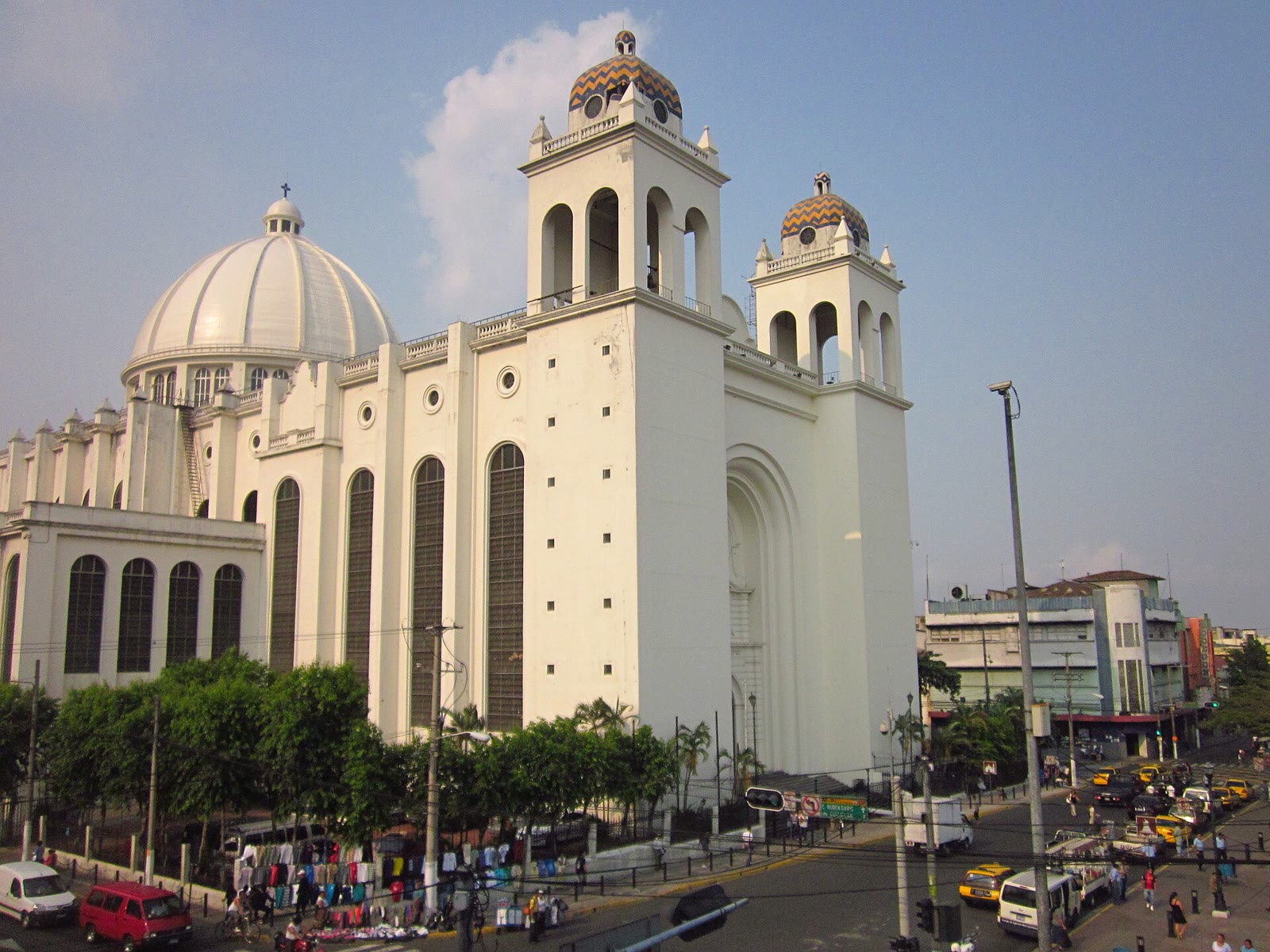
The capital is where El Salvador's story makes sense. The cathedral holds the tomb of Saint Óscar Romero, the archbishop killed in 1980 and canonised in 2018. The museums explain the ancient Maya and Pipil past, and the memorials and archives explain the civil war of the 1980s. For diaspora visitors, it is often where family lives, and it is where you see how fast the country is changing.
The areas, explained
- **Centro Histórico** has been heavily restored, with pedestrian streets, the Plaza Gerardo Barrios, the Metropolitan Cathedral, the National Palace, the National Theatre and the modern Biblioteca Nacional, which is open late and has city views from its upper floors.
- **Colonia Escalón** and **San Benito** are leafy, upmarket districts with hotels, restaurants, cafés, the Zona Rosa nightlife strip and the national anthropology and art museums.
- **Antiguo Cuscatlán** and **Santa Tecla**, on the western side, have big malls, Parque Bicentenario and Paseo El Carmen, a weekend street of bars and food stalls.
- **Los Planes de Renderos**, in the hills to the south, is where families go for pupusas with a view and the Puerta del Diablo lookout.
What to do
Start in the historic centre. Visit the cathedral crypt, walk through the National Palace, and step inside the Iglesia El Rosario, where a plain concrete arch turns into a rainbow of stained glass light. Then head to San Benito for the Museo Nacional de Antropología David J. Guzmán and MARTE, the national art museum.
To understand the civil war, visit the Hospitalito Divina Providencia, where Romero was shot while saying Mass, the Museo de la Palabra y la Imagen and the Monumento a la Memoria y la Verdad in Parque Cuscatlán.
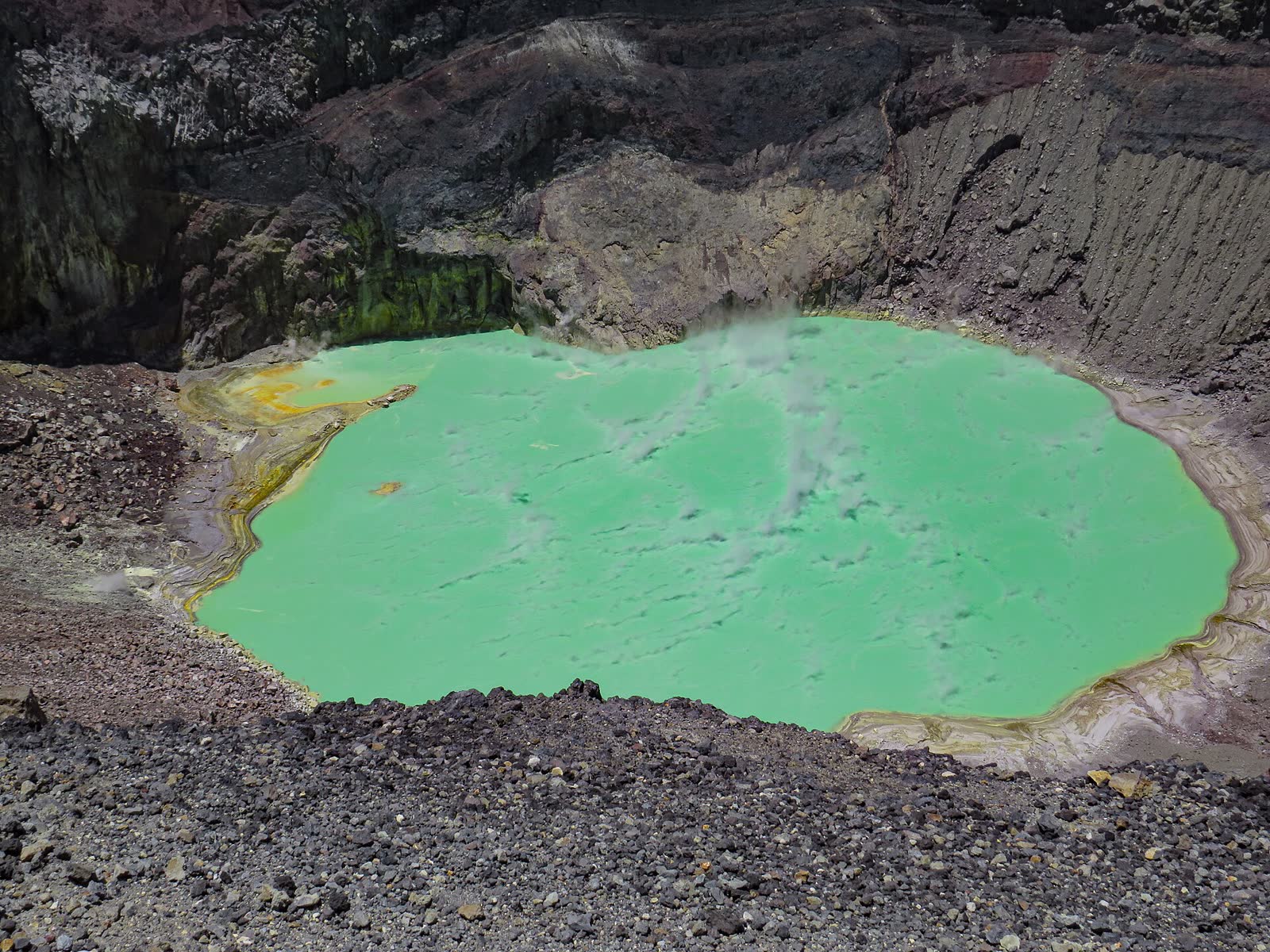
For nature, drive up to El Boquerón National Park on the San Salvador volcano, where an easy walk reaches the rim of a huge crater. Lake Ilopango, a vast caldera east of the city, has lakeside restaurants and boat trips.
Day trips
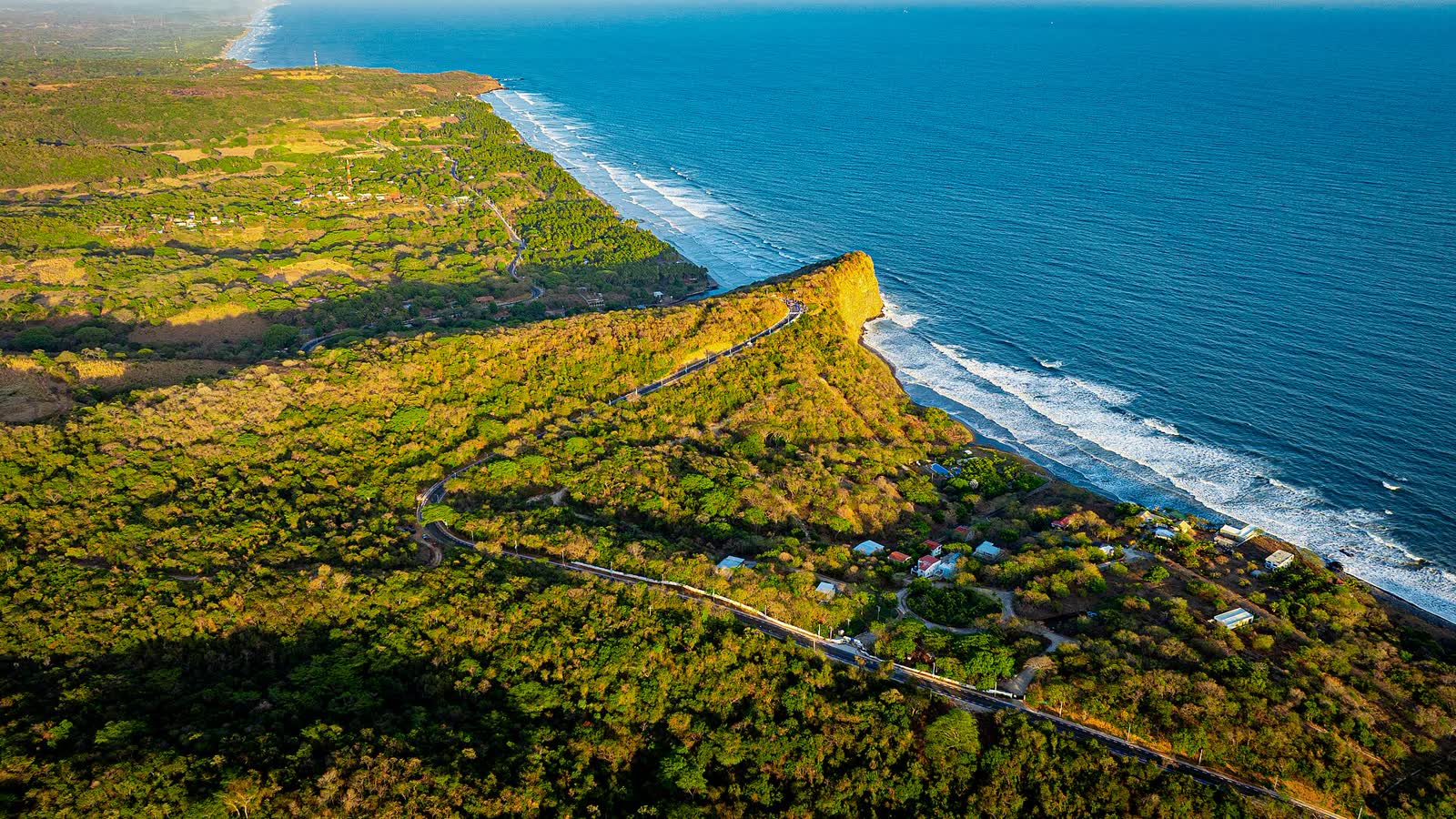
Joya de Cerén, a Maya farming village buried in ash around the year 600 and now a UNESCO World Heritage Site, is about forty minutes away, and the San Andrés ruins sit nearby. Suchitoto, the Santa Ana volcano and the surf coast are all reachable in a day, though each rewards an overnight stay.
What and where to eat
Pupusas are everywhere, from street griddles to sit-down pupuserías. Try revueltas, with pork, beans and cheese, and loroco, a local edible flower, with curtido and tomato salsa. Look for yuca frita with chicharrón, pan con chumpe, a turkey sandwich, and sweet treats like quesadilla, a cheese cake rather than a tortilla. Típicos Margoth is a dependable local chain, and The Coffee Cup serves Salvadoran coffee across the city.
Where to stay
Escalón and San Benito are the best choice for most visitors, with international hotels, boutique stays and plenty of restaurants nearby. Staying near the historic centre is now possible but has fewer options. If you have an early flight, remember the airport is near the coast, so a night by the beach can work just as well.
Getting around
Ride-hailing apps such as Uber work well in the capital and are the easiest option for visitors. Registered taxis are fine too; agree the fare before you get in. City buses are cheap and cover everything but are crowded and confusing for first-timers. Traffic is heavy at rush hour, so allow extra time.
Staying safe
Crime has fallen sharply since the government's state of exception began in 2022, and the historic centre and main districts are busy and well policed. Keep valuables out of sight, use ride-hailing at night, carry a copy of your passport, and follow any instructions from police and soldiers at checkpoints. Read your government's current travel advice before you go.
Questions about San Salvador
Is San Salvador worth visiting?
Yes, for a day or two. The historic centre, museums and Romero sites give real depth to a trip, and it is the easiest base for Joya de Cerén and El Boquerón.
Is San Salvador safe for tourists now?
Most visitors now feel comfortable in the historic centre, Escalón, San Benito and Santa Tecla. Use ride-hailing at night, keep valuables hidden and check your government's latest advice.
How far is the airport from San Salvador?
The airport is about forty minutes to an hour south of the city by road, depending on traffic, and closer to the beaches than to the capital.
What is the best area to stay in San Salvador?
Colonia Escalón and San Benito suit most visitors, with good hotels, restaurants and quick access to museums and the Zona Rosa.
Facts checked . Fees, schedules and entry rules change, so always confirm the latest with the official source.