At a glance
- Best for
- Wildlife, birding, canoe trips and indigenous culture
- Gateway
- Flights from Quito to Coca, or buses to Lago Agrio and Tena
- Time needed
- Three to five nights
- Best season
- Year round; wetter from April to July
- How to visit
- All inclusive lodge packages with guides
- Health
- Ask a travel clinic about yellow fever and malaria
Where to go
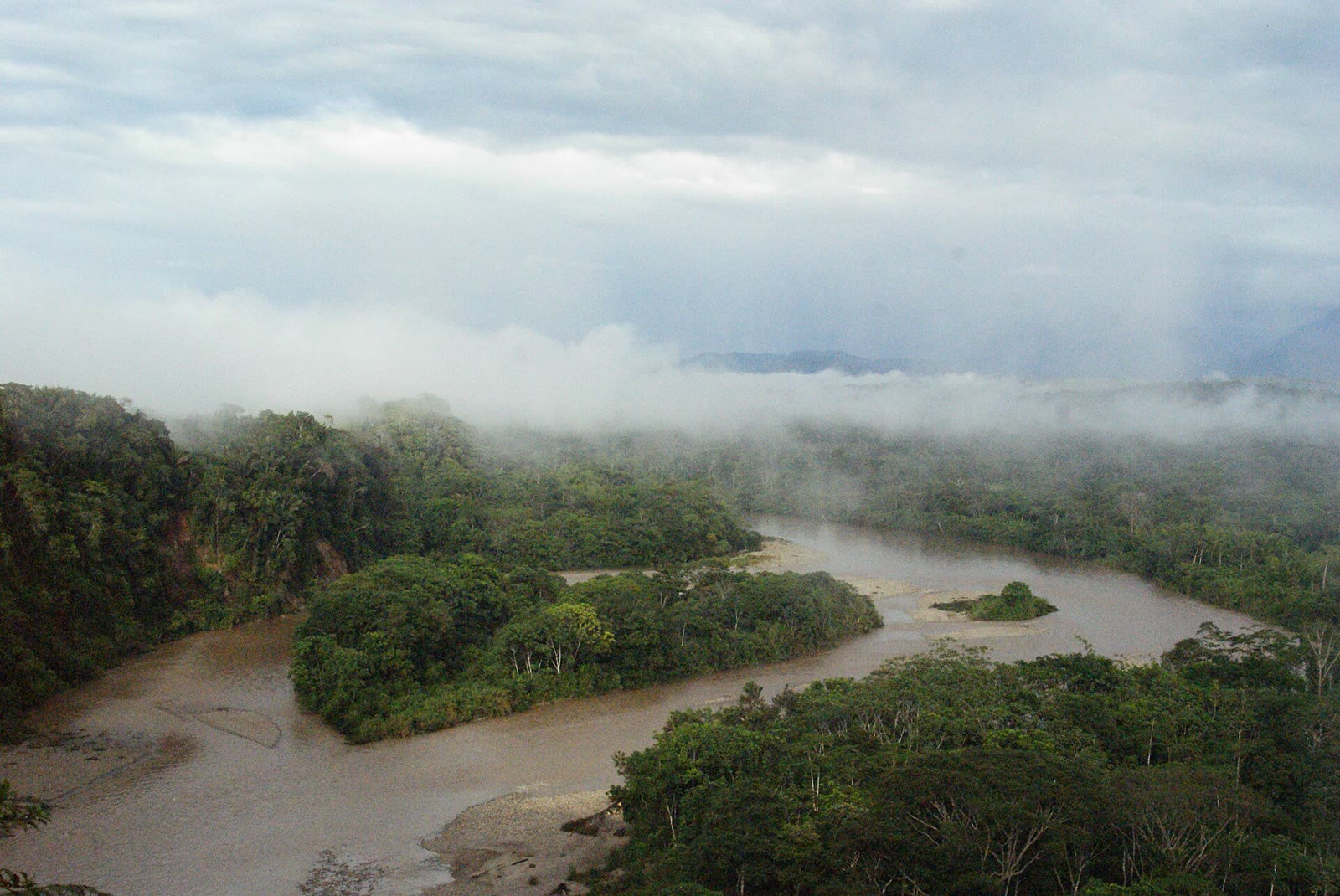
- **Yasuní and the lower Napo.** Fly from Quito to Coca, then travel downriver by motorised canoe to lodges in or near Yasuní National Park. This is the best area for primary forest, canopy towers, clay licks where parrots gather and the chance of monkeys, giant otters and rare birds. Some lodges are owned or run with Kichwa and Waorani communities.
- **Cuyabeno Wildlife Reserve.** Reached from Lago Agrio in the north, Cuyabeno is a flooded forest of blackwater lagoons. Pink river dolphins, caimans, anacondas and hoatzins are typical sightings, and most lodges here are simpler and more affordable. Water levels drop sharply in some dry months, which can limit canoe access.
- **Tena and the upper Napo.** Easier to reach by road from Quito or Baños, Tena is known for whitewater rafting, waterfalls and community tourism. The forest here is more settled, so wildlife is less abundant, but it suits shorter trips and families.
- **Puyo.** The closest Amazon town to Baños, with animal rescue centres, botanical gardens and short jungle walks.
What a lodge stay includes
Most lodges sell packages of three to five nights that include river transfers, meals and daily guided activities with a naturalist and a local guide. A typical day starts before sunrise with birdwatching or a canoe paddle, rests through the midday heat and ends with a night walk or caiman spotting. Read carefully what is included, how big the groups are and whether the guides speak your language.
Choosing responsibly
Look for lodges that work with local communities, limit group sizes and follow strict wildlife rules. Avoid any tour that offers to let you hold wild animals or visit communities without their consent. Some areas of Yasuní are home to peoples living in voluntary isolation, so access is controlled.
What to pack
Lodges usually lend rubber boots and ponchos. Bring lightweight long sleeves and trousers, insect repellent, a headlamp, binoculars, a dry bag for electronics and any medication you need. Laundry dries slowly, so pack quick drying clothes.
Health
Ask a travel clinic well before your trip about vaccinations, especially yellow fever, and about malaria tablets for the lowland Amazon. Some routes require proof of yellow fever vaccination, so check the latest guidance from your health authority and Ecuador's health ministry. Drink bottled or filtered water, which lodges provide.
Safety
Lodges in Yasuní and Tena feel remote but are generally safe. Northern border areas near Colombia in Sucumbíos carry travel warnings from several governments, so check current advice before booking Cuyabeno and travel with an established lodge that arranges transfers.
When to go
It rains all year in the Amazon. April to July is usually the wettest period, with high rivers, while drier months bring easier walking but lower water in Cuyabeno's lagoons. Wildlife can be seen in every season.
A typical day
Wake before dawn for birdwatching from a tower or canoe, return for breakfast, walk forest trails with your guide in the morning, rest through the heat, and head out again in the late afternoon for a paddle or community visit, finishing with a night walk to find frogs and insects.
Questions about Ecuadorian Amazon
How many nights do I need in the Amazon?
Three nights is the minimum to make the travel worthwhile. Four or five nights gives a better chance of seeing wildlife and enjoying a slower pace.
Is Yasuní or Cuyabeno better?
Yasuní has more primary forest and canopy wildlife, while Cuyabeno is known for lagoons, dolphins and lower prices. Both are excellent with a good guide.
Do I need malaria tablets?
It depends on where you go and the season. Ask a travel clinic and check your health authority's advice for Ecuador's Amazon provinces.
Can I visit the Amazon independently?
You can visit Tena and Puyo independently, but deep forest areas such as Yasuní and Cuyabeno are reached through lodges with organised transfers and guides.
Facts checked . Fees, schedules and entry rules change, so always confirm the latest with the official source.