At a glance
- Best for
- Architecture, crafts, slow travel and hiking
- Gateway
- Mariscal Lamar Airport (CUE) or buses from Guayaquil and Quito
- Altitude
- About 2,500 metres above sea level
- Time needed
- Two to four days
- Best season
- June to September and December for the driest spells
- Getting around
- Walking, the tram, taxis and ride apps
The old town
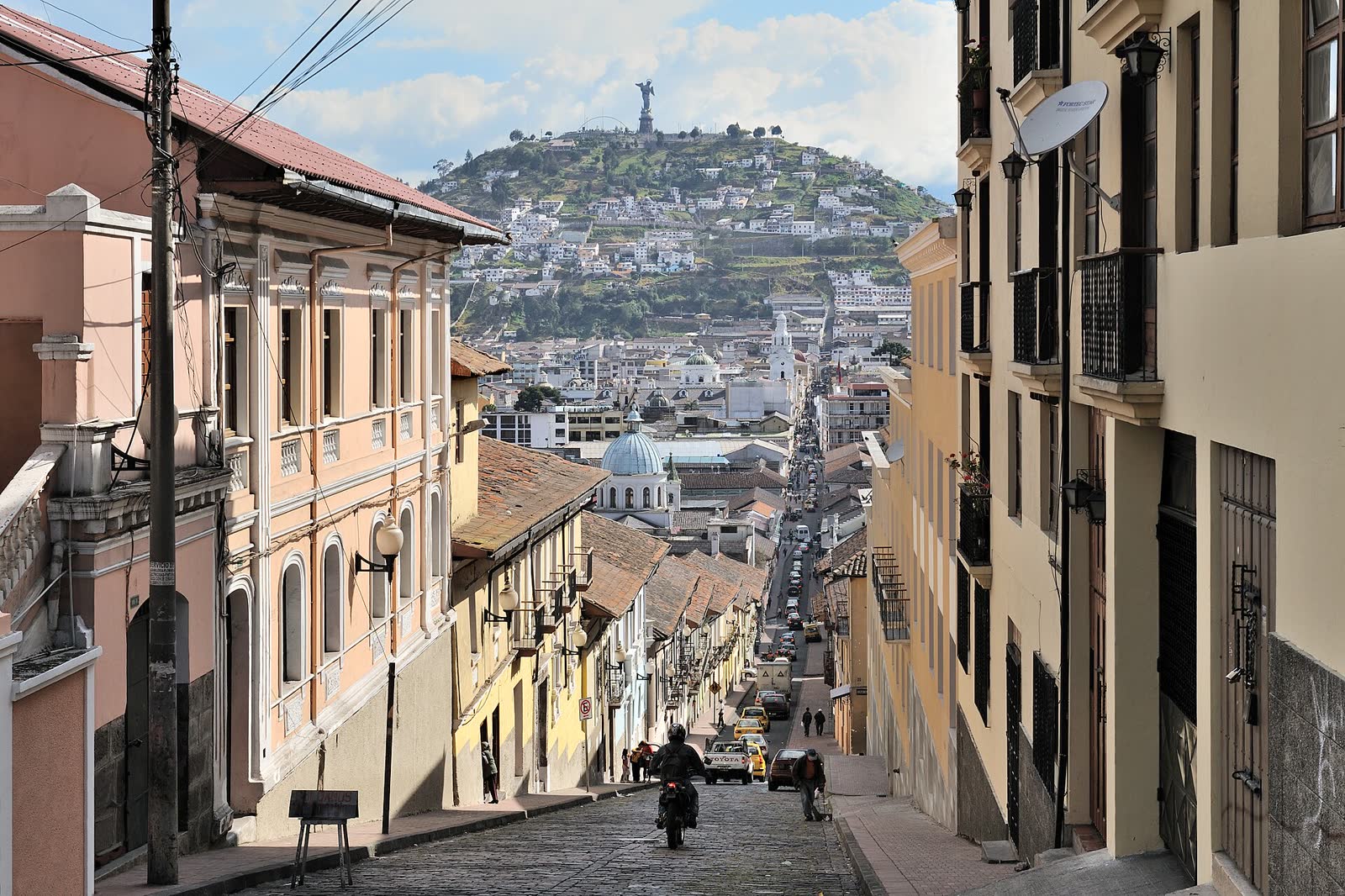
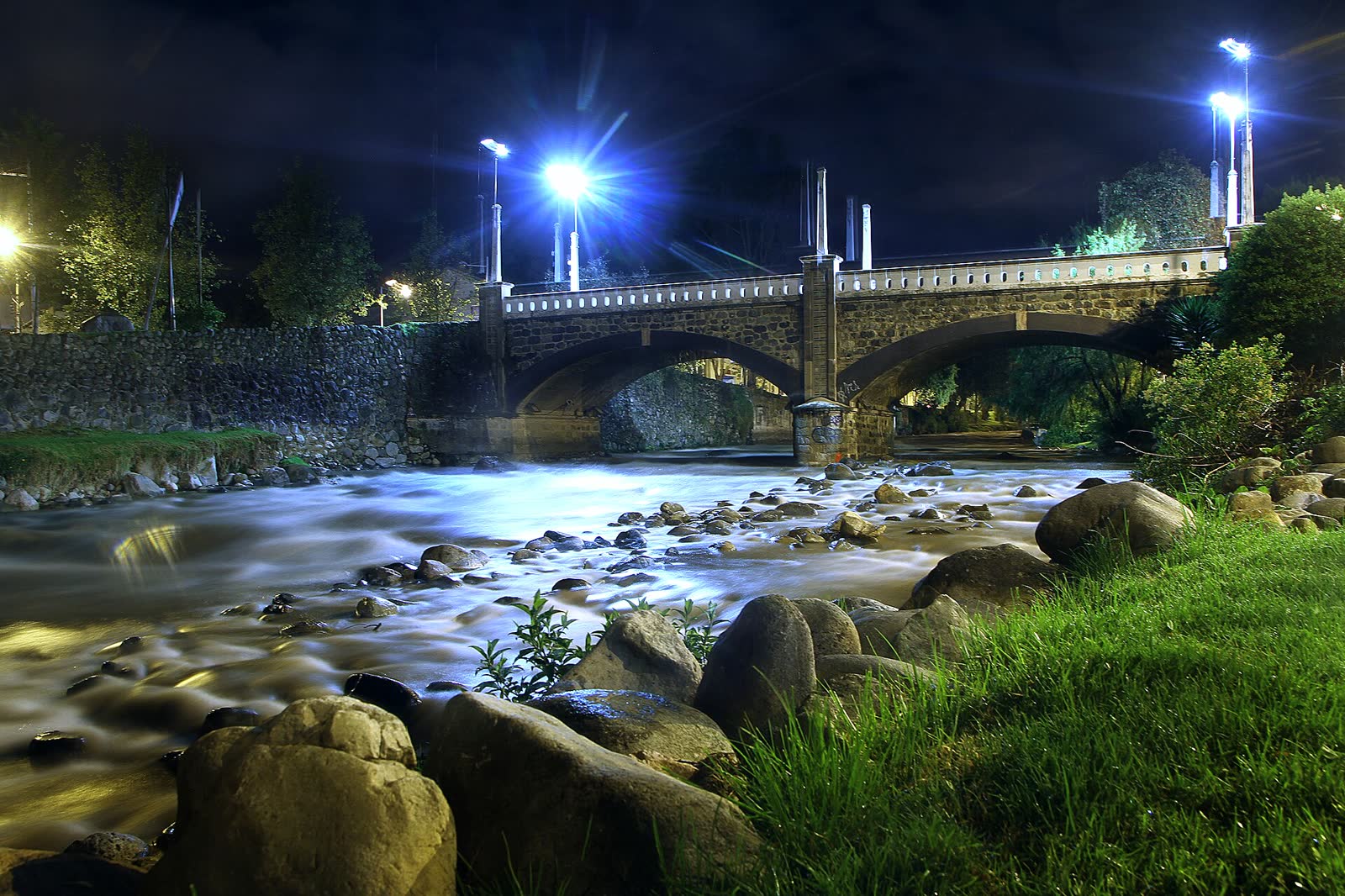
Start in **Parque Calderón**, the leafy main square framed by the Old Cathedral and the huge **Catedral de la Inmaculada Concepción**, whose blue tiled domes you can climb for views. Next door, the **Plaza de las Flores** flower market is a lovely morning stop. Wander south to the **Tomebamba River**, where the old houses known as El Barranco hang above riverside paths.
The **Museo Pumapungo** combines a national collection of Ecuadorian cultures with Inca ruins and gardens in its grounds. The **Museo de las Conceptas**, inside a working convent, shows religious art, and the **Mirador de Turi** hill gives the classic panorama of the city.
Panama hats and crafts
The so called Panama hat is actually from Ecuador, and Cuenca is one of its centres. Visit workshops such as **Homero Ortega** to see how the straw is woven, blocked and finished. The weaving of the toquilla straw hat is listed by UNESCO as intangible cultural heritage. Nearby villages such as **Gualaceo** and **Chordeleg** are known for textiles and silver filigree jewellery.
Day trips
- **El Cajas National Park** is a high moorland of hundreds of lakes, polylepis woods and changing weather. Walks around Laguna Toreadora suit most visitors, but bring warm layers and rain gear.
- **Ingapirca** is Ecuador's best known Inca site, with a sun temple built in fitted stone, about two hours north.
- **Baños de Cuenca** is a village of hot springs on the edge of town, perfect after a hike.
Food and drink
Cuenca's markets are a good place to eat. **Mercado 10 de Agosto** serves hornado and fresh juices, and the area is known for **mote pillo** (hominy scrambled with egg) and cuy, roast guinea pig, a traditional celebration dish. The city also has a growing scene of coffee roasters, bakeries and modern Ecuadorian restaurants.
Festivals
The **Pase del Niño Viajero** on 24 December is one of Ecuador's biggest Christmas processions, with children in costume, decorated horses and floats. Cuenca's independence celebrations in early November bring concerts and craft fairs.
Getting there and around
The centre is compact and best explored on foot, and the modern **tram** links the airport, centre and outer neighbourhoods. Buses connect Cuenca with Guayaquil through El Cajas in about four hours, and with Quito overnight. Domestic flights from Quito are the quickest option.
Staying safe
Cuenca is one of Ecuador's calmer cities, but take normal precautions with phones and bags, especially in markets and at the bus terminal. Use registered taxis or ride apps at night.
Where to stay
The historic centre between Parque Calderón and the river is the best base, with many hotels in restored mansions. El Ejido across the river is quieter and residential.
Practical tips
Cuenca is high, so take the first day slowly. Mornings are often sunny and afternoons can bring showers, so carry a light jacket. Many museums close on Mondays, and some shops pause at lunchtime. Sundays are quiet in the centre, which is a good time for a riverside walk.
Nearby towns
The craft villages of Gualaceo, Chordeleg and Sígsig make an easy loop by bus or with a driver, with weaving, silver and hat making along the way. Further south, the road to Loja and Vilcabamba passes through dramatic valleys.
Questions about Cuenca
How long should I spend in Cuenca?
Two days covers the old town and a museum or two. Add a day each for El Cajas and Ingapirca.
Is Cuenca good for longer stays?
Yes. Its mild climate, walkable centre and good services make it popular with people staying several weeks or more.
Can I visit El Cajas without a guide?
Short, marked trails near the visitor centre can be walked independently after registering, but weather turns quickly. A guide is wise for longer routes.
Where can I see Panama hats being made?
Workshops and museums in Cuenca, such as Homero Ortega, welcome visitors to watch hats being finished and to shop.
Facts checked . Fees, schedules and entry rules change, so always confirm the latest with the official source.