At a glance
- Best for
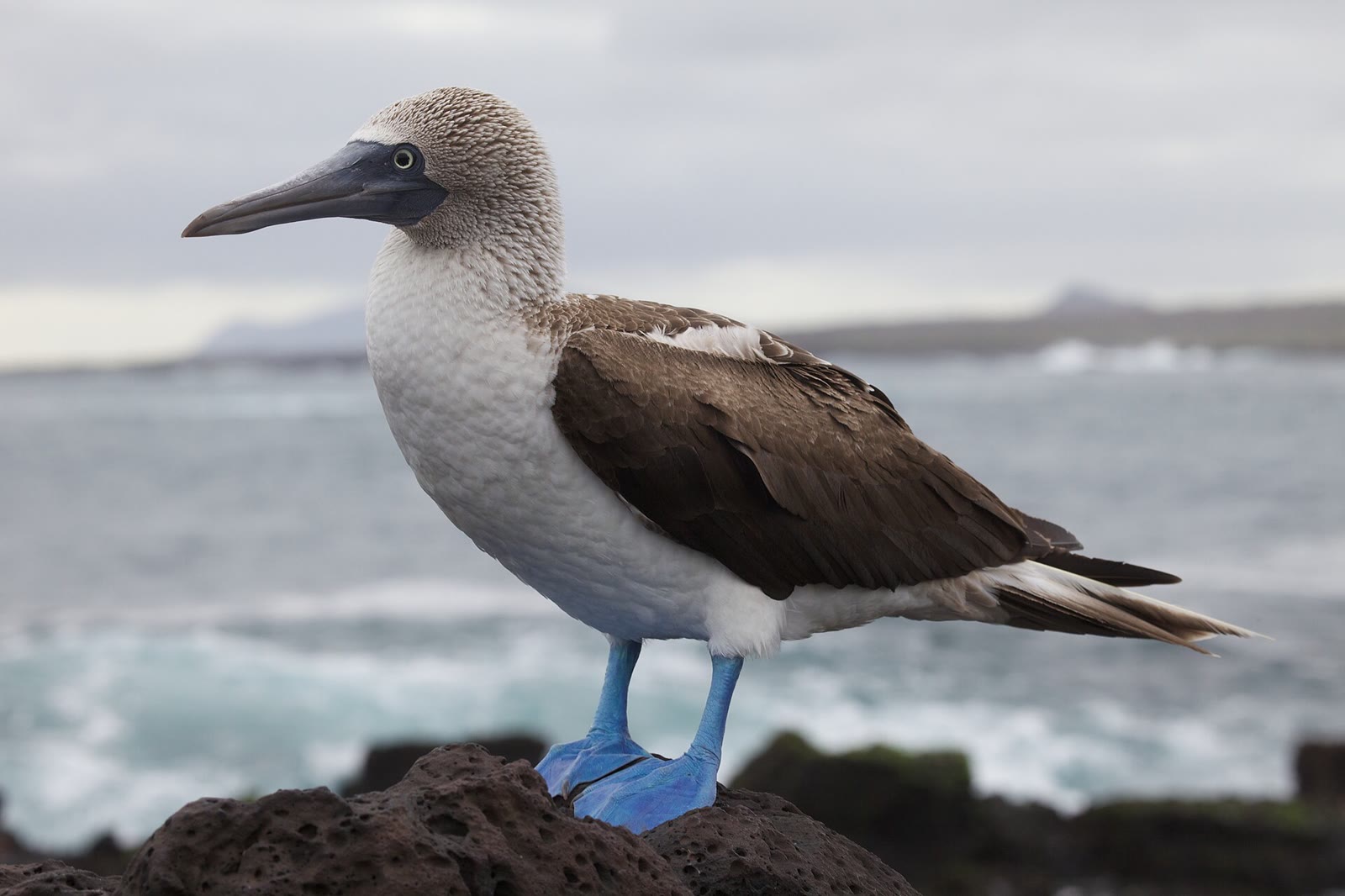
- Wildlife, snorkelling, diving and photography
- Gateway
- Seymour Airport on Baltra (GPS) or San Cristóbal (SCY)
- Time needed
- Five to ten days
- Best season
- December to May for warm, calm seas; June to November for cooler, richer marine life
- Ways to visit
- Liveaboard cruise or land based island hopping
- Before you fly
- Transit Control Card, park entry fee and luggage inspection
Cruise or island hopping
The first big decision is how to see the islands.
- **A cruise** on a licensed boat lets you reach remote islands such as Genovesa, Fernandina and Española, with a naturalist guide and moves between islands done mostly at night. It is the best choice for wildlife lovers, but it is usually the most expensive option.
- **Island hopping** means staying in hotels on the inhabited islands and taking day trips by boat. It is more flexible and usually cheaper, though some famous visitor sites can only be reached by cruise.
Many people combine the two: a few nights on Santa Cruz and a short cruise.
The inhabited islands
**Santa Cruz** is the hub. Its town, Puerto Ayora, has the Charles Darwin Research Station, Tortuga Bay beach, Las Grietas swimming gorge and the giant tortoise reserves of the highlands, such as El Chato.
**San Cristóbal** has the capital, Puerto Baquerizo Moreno, where sea lions take over the waterfront. Kicker Rock is a famous snorkel and dive site, and the interpretation centre explains the islands' history.
**Isabela** is the largest island and the most laid back, with flamingo lagoons, the Sierra Negra volcano hike and the lava tunnels of Los Túneles, where you can snorkel with turtles and sometimes penguins.
**Floreana** is small and quiet, with a fascinating settler history and very limited lodging.
When to go
The islands are a year round destination. From December to May the sea is warmer and calmer and the land is greener, with more rain showers. From June to November the Humboldt current brings cooler water, mist and rougher seas, but also more plankton, which draws whales, sharks and feeding seabirds. Holidays fill up fast, so book early for Christmas, Easter and July and August.
Before you fly
Every visitor needs a **Transit Control Card**, bought at the Galápagos counter at Quito or Guayaquil airport before check in, and must pay the **national park entrance fee** on arrival. Luggage is inspected to keep out seeds, fruit and other foreign species. The rules and the park fee have changed in recent years, so check the official Galápagos National Park and government sites before you go, and allow extra time at the airport.
Rules in the park
Stay at least two metres from wildlife, never touch or feed animals, stay on marked trails and visit most sites only with a licensed naturalist guide. Drones are restricted, and you must not take sand, shells or rocks home.
Money and practical tips
All prices are in US dollars, and costs are higher than on the mainland. Carry cash for small purchases, as card machines can be unreliable on Isabela and Floreana. Inter island speedboats can be rough, so bring motion sickness tablets. A good mask and reef safe sunscreen make snorkelling much more enjoyable.
What to pack
Bring a light rain jacket, a warm layer for boat rides, quick drying clothes, sandals with grip for wet landings, a hat and reef safe sunscreen. Your own mask and snorkel are more comfortable than rental ones.
Questions about Galápagos Islands
Is a cruise better than island hopping?
A cruise reaches more remote islands and saves travel time, so it suits wildlife enthusiasts. Island hopping is cheaper, more flexible and better if you get seasick or want to stay in towns.
How many days do I need in the Galápagos?
Five days is a minimum for one or two islands. A week or more lets you see Santa Cruz, Isabela and San Cristóbal or join an eight day cruise.
Can I visit the Galápagos without a tour?
Yes, you can stay in hotels and explore beaches and some sites independently, but many visitor sites require a licensed guide, so you will book day tours for those.
What paperwork do I need?
A Transit Control Card bought at Quito or Guayaquil airport, a return ticket, proof of accommodation and the national park entrance fee. Check the official sites for current amounts and requirements.
Facts checked . Fees, schedules and entry rules change, so always confirm the latest with the official source.