The capital and its surroundings
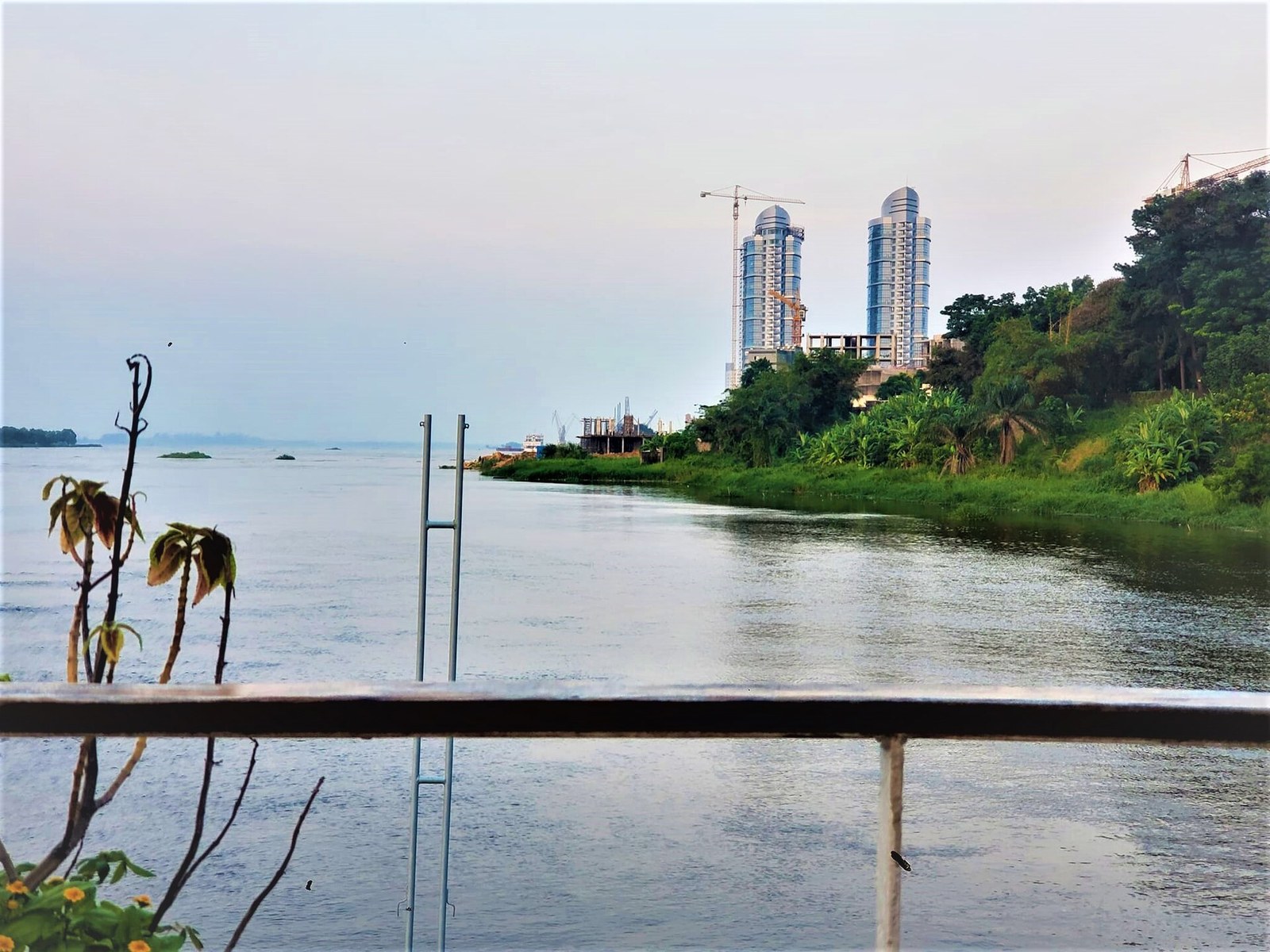
Almost every trip begins in Kinshasa, a megacity of well over fifteen million people on the south bank of the Congo River. It is the home of Congolese rumba, of La Sape style and of a fierce, creative energy that you feel within an hour of landing. Day trips take you to the bonobos at Lola ya Bonobo, the Lukaya waterfalls and the rapids at Kinsuka.
Towards the Atlantic
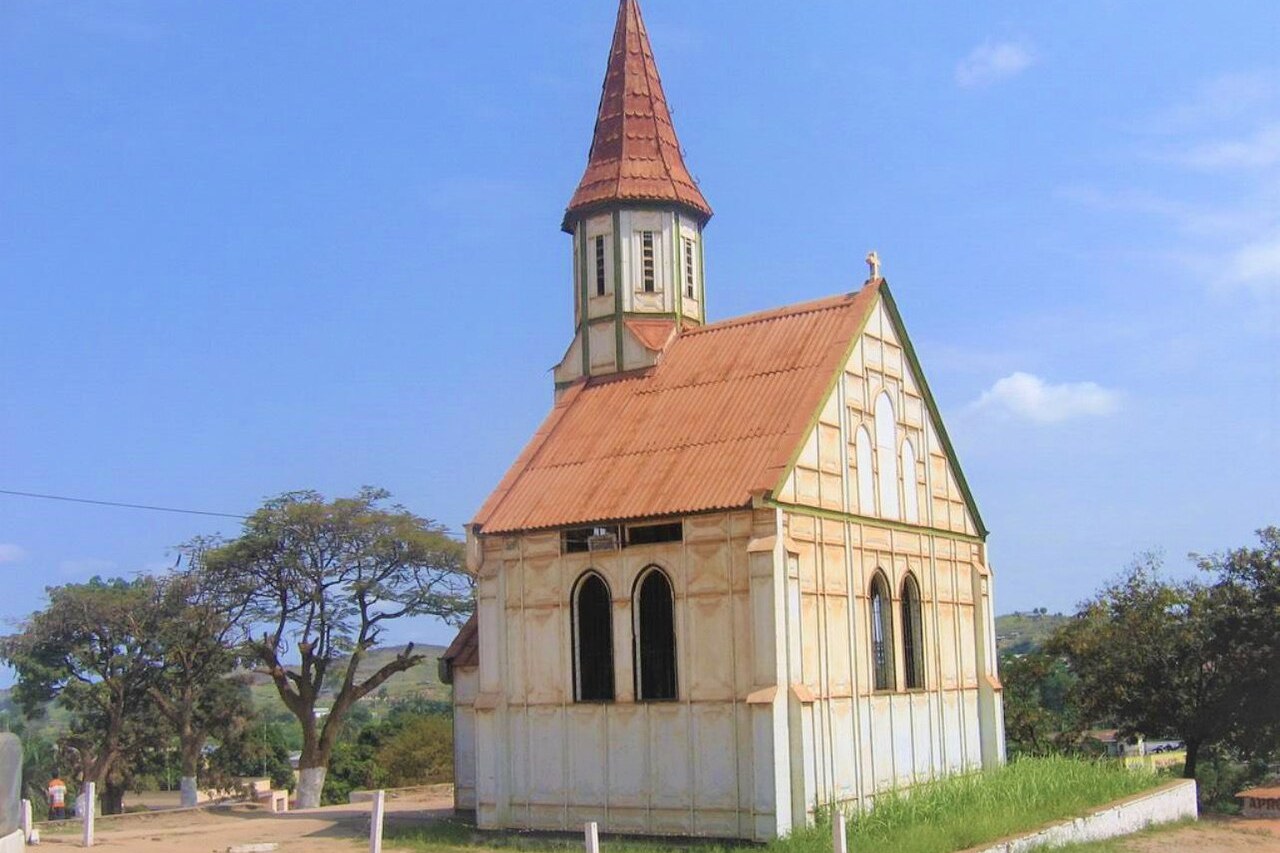
Kongo Central is the province between Kinshasa and the sea. A single long road runs through green hills to the Kisantu botanical garden, the caves of Mbanza-Ngungu, the Zongo Falls, the port of Matadi and finally Muanda, where the country meets the Atlantic among mangroves and beaches. It is the easiest region to combine with the capital.
The copper south
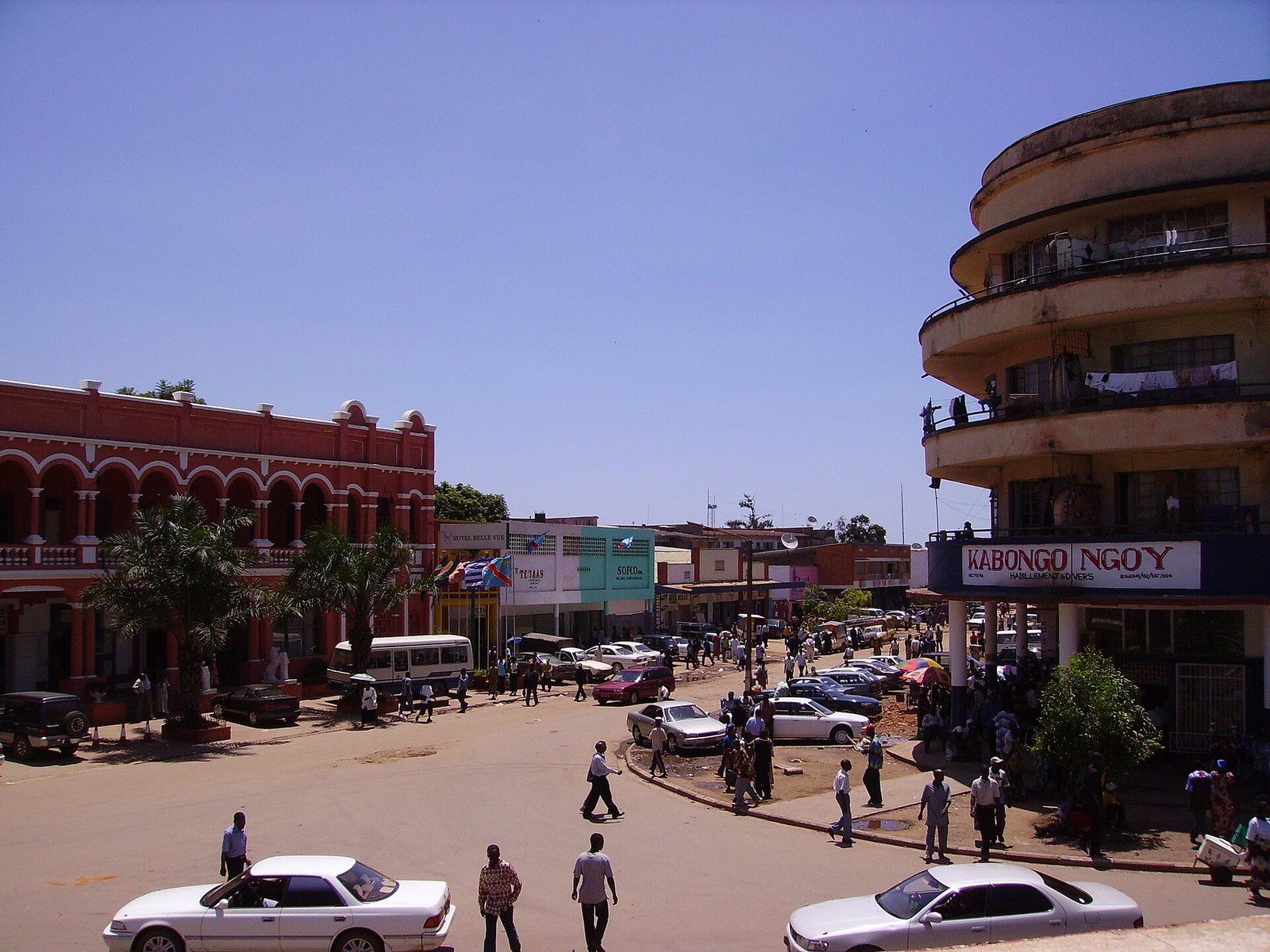
Lubumbashi is the country's second city and the capital of the mining belt. It feels very different from Kinshasa: calmer, cooler in the dry season, Swahili speaking and closely tied to Zambia and southern Africa. Visitors come for its museum, its contemporary art scene and the football club TP Mazembe.
The upper river
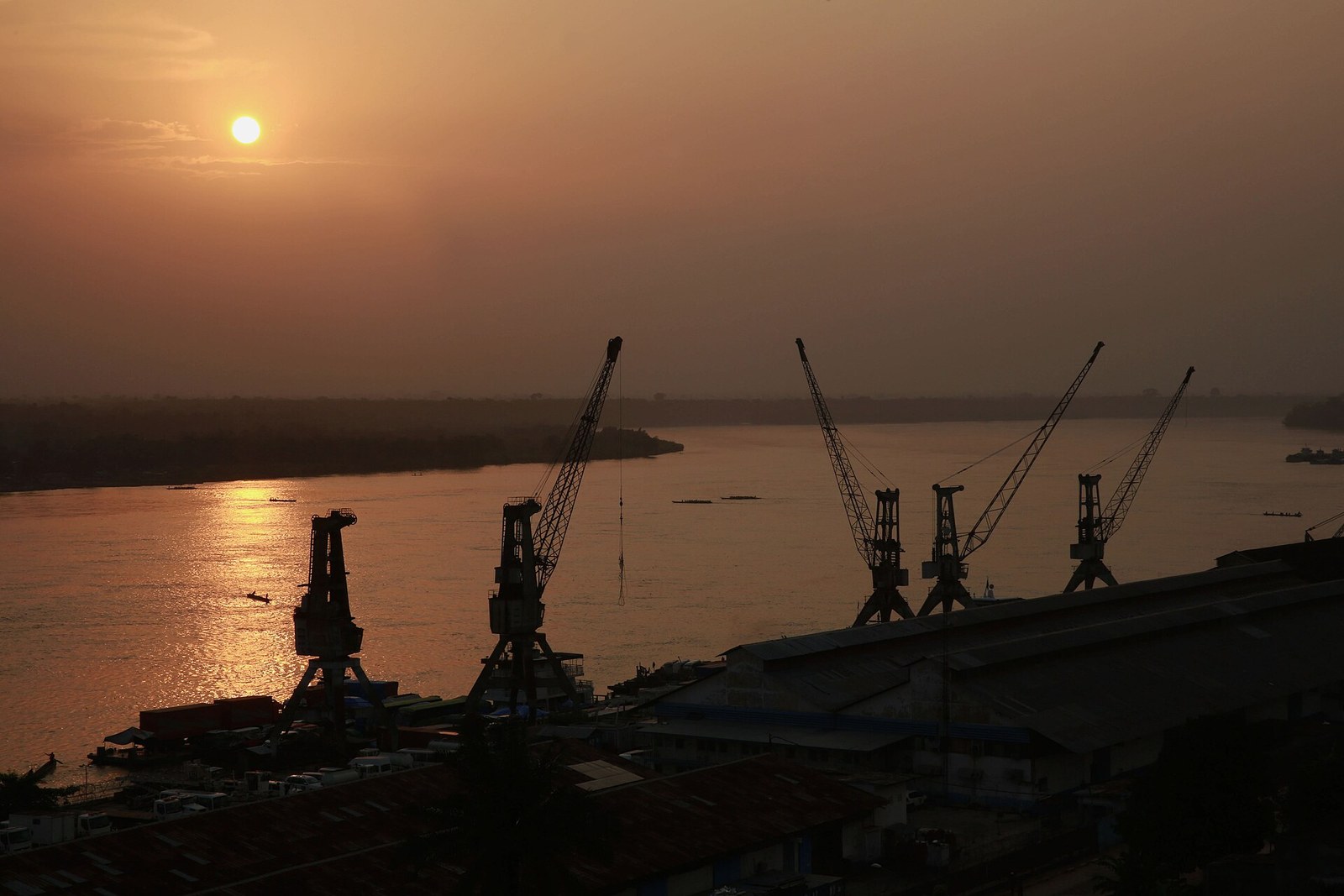
Kisangani sits deep in the forest at the point where the river becomes navigable again below the Boyoma falls. It is where the Wagenia fishermen work the rapids from wooden scaffolds, and it is the city of Joseph Conrad's Heart of Darkness. It suits experienced travellers with a clear plan.
The east: Virunga and Lake Kivu
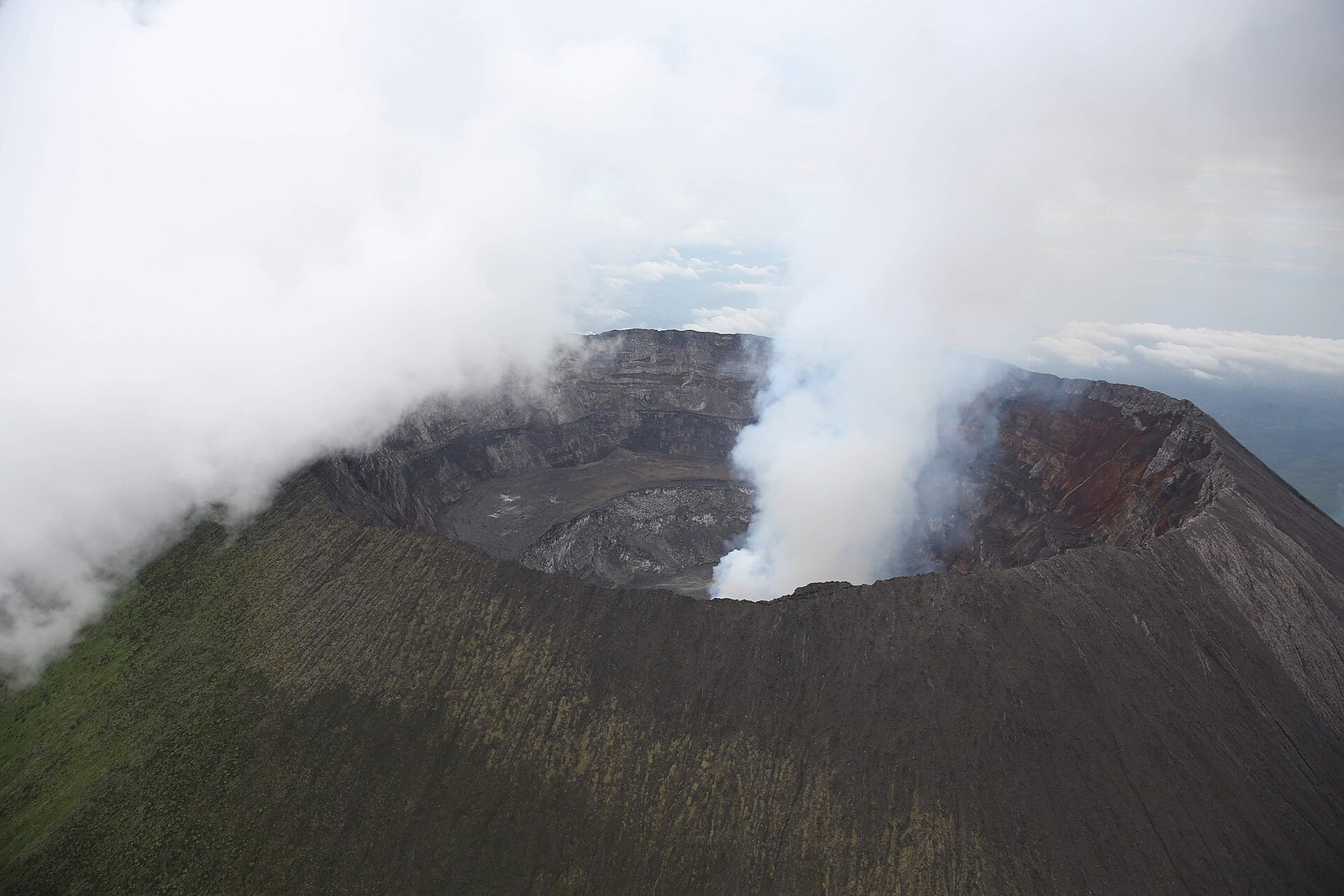
Virunga National Park is Africa's oldest national park, home to mountain gorillas and the Nyiragongo volcano. Because of the conflict in North Kivu, tourism there is suspended and many governments advise against all travel to the area. We explain the park so you are ready when it reopens, not to encourage a trip now.
Putting a route together
For a first visit, combine Kinshasa with Kongo Central for seven to ten days. Lubumbashi works as a separate trip or as an add-on by domestic flight. Check your government's travel advice for every region on your route, and use the free trip planner to shape your days.