At a glance
- Best for
- Art, museums, football and a calmer city
- Gateway
- Lubumbashi International Airport (FBM)
- Time needed
- Two to four nights
- Best season
- May to September, dry and cool
- Language
- Swahili and French
- Getting there
- Domestic flights from Kinshasa or regional flights via southern and eastern Africa
Why go
Lubumbashi, once called Élisabethville, grew up around copper mining in the early twentieth century, and mining still drives its economy. The black slag heap of the old smelter towers over the city. Yet Lubumbashi also has a long artistic tradition: the painters of the Lubumbashi school in the mid twentieth century helped shape modern Congolese art, and today the Picha Art Centre runs the Rencontres Picha biennale.
The city looks south and east as much as towards Kinshasa. Swahili is the street language, Zambia is close, and many goods arrive by road from southern Africa. Visitors often find it an easier introduction to the country than the capital.
What to see
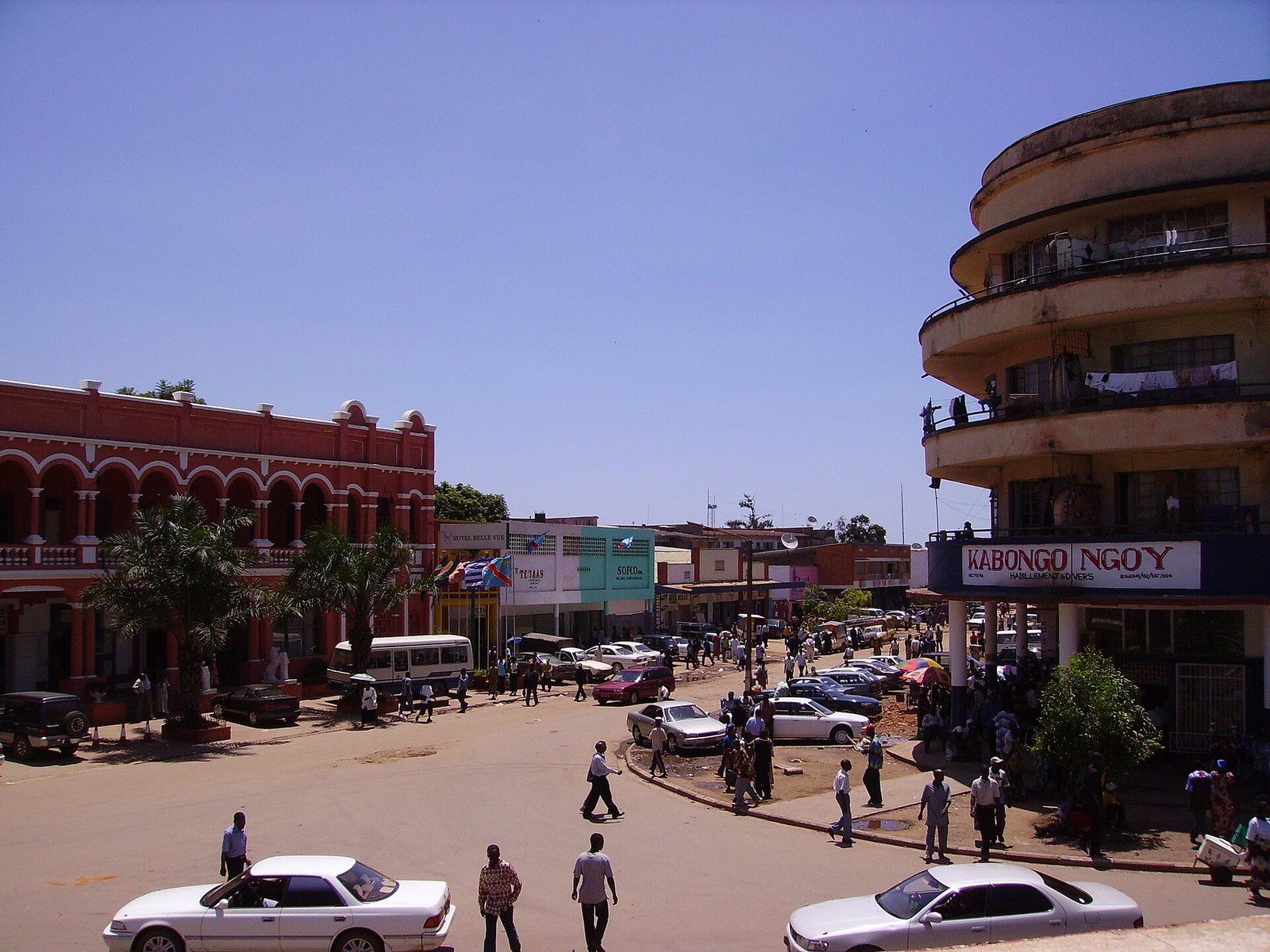
The Musée National de Lubumbashi has an excellent collection of Luba, Songye and Chokwe sculpture, including masks and headrests. The brick Cathédrale Saints-Pierre-et-Paul and the colonial buildings around the centre are worth a walk. The zoo is a simple family outing, and the Lubumbashi Golf Club is one of the oldest courses in the region.
Match days at the TP Mazembe stadium in Kamalondo are a highlight: the club has won the African Champions League several times, and the crowd brings drums, songs and team colours.
Beyond the city
Lake Kipopo and Lake Tshangalele make relaxed day trips, and the Lofoi falls in Kundelungu National Park, among the tallest in Africa, are an expedition for adventurous travellers with a reliable operator. Check current travel advice for any trip outside the city, as some parts of the wider Katanga region have security issues.
Food and drink
The staple here is bukari, a stiff maize porridge like Zambia's nshima, served with fish, beans, greens or grilled meat. Try fish from the lakes of Katanga, and drink Simba, the local beer. A good number of restaurants serve Greek, Lebanese and Indian food, reflecting long-established trading communities.
Where to stay
The Pullman Lubumbashi Grand Karavia sits beside a lake on the edge of town, while the Park Hotel and other central hotels suit shorter stays. Book ahead when mining conferences are on.
Staying safe
Lubumbashi is generally calmer than Kinshasa, but street crime happens. Use a driver arranged by your hotel at night, keep valuables out of sight and avoid photographing mines, police or official buildings.
A sample visit
On day one, explore the city centre, the cathedral and the national museum, and finish with dinner at a Greek or Congolese restaurant. On day two, visit the Picha Art Centre and any exhibitions on, then see the slag heap from a safe viewpoint and, if there is a match, head to the TP Mazembe stadium. On day three, take a relaxed trip to Lake Kipopo or a round of golf.
Connections
Lubumbashi is close to the Zambian border at Kasumbalesa, a busy truck crossing used mostly for trade. Check visa rules and current advice before attempting an overland crossing. The city is also a hub for mining towns such as Likasi and Kolwezi, which see mostly business visitors. Allow extra time for traffic at the border.
Questions about Lubumbashi
How do I get to Lubumbashi?
Domestic flights connect Kinshasa and Lubumbashi, and regional airlines link the city with hubs in eastern and southern Africa. Check schedules close to travel, as they change often.
Is Lubumbashi safer than Kinshasa?
Many visitors find it calmer, but crime still happens. Follow the same precautions and check current government travel advice.
What language is spoken in Lubumbashi?
Swahili is the everyday language, with French used in business and government. A few words of Swahili are warmly received.
When is the best time to visit Lubumbashi?
May to September is dry, sunny and cool, with chilly nights. The rains run from about November to March.
What should I eat in Lubumbashi?
Try bukari with grilled fish or beans, and a cold Simba beer. The city's Greek and Lebanese restaurants are also part of its story.
Facts checked . Fees, schedules and entry rules change, so always confirm the latest with the official source.