At a glance
- Best for
- River life, history and adventurous travel
- Gateway
- Bangoka International Airport (FKI)
- Time needed
- Two to three nights
- Best season
- December to February and June to August, the drier spells
- Language
- Lingala, Swahili and French
- Getting there
- Domestic flights from Kinshasa
Why go
Kisangani is where the Congo River becomes navigable again after a long series of falls, which made it a key trading post in the nineteenth century. Henry Morton Stanley founded a station here, and Joseph Conrad sailed up the river to it in 1890, an experience that shaped Heart of Darkness. The city was badly damaged during the wars of the late 1990s and early 2000s, and it has been slowly recovering since.
Today it is a regional capital with a university, a busy river port and a strong mix of Lingala and Swahili culture. Very few tourists come, so visiting feels genuinely off the beaten path.
The Wagenia fishermen
The main sight is the Chutes Wagenia, where Wagenia, also called Enya, fishermen build frameworks of wooden poles across the rapids and hang large conical baskets in the current to catch fish. The technique has been passed down for generations. Local guides can arrange a visit, and a small fee for the community is usual. Ask before you take photographs.
Around the city
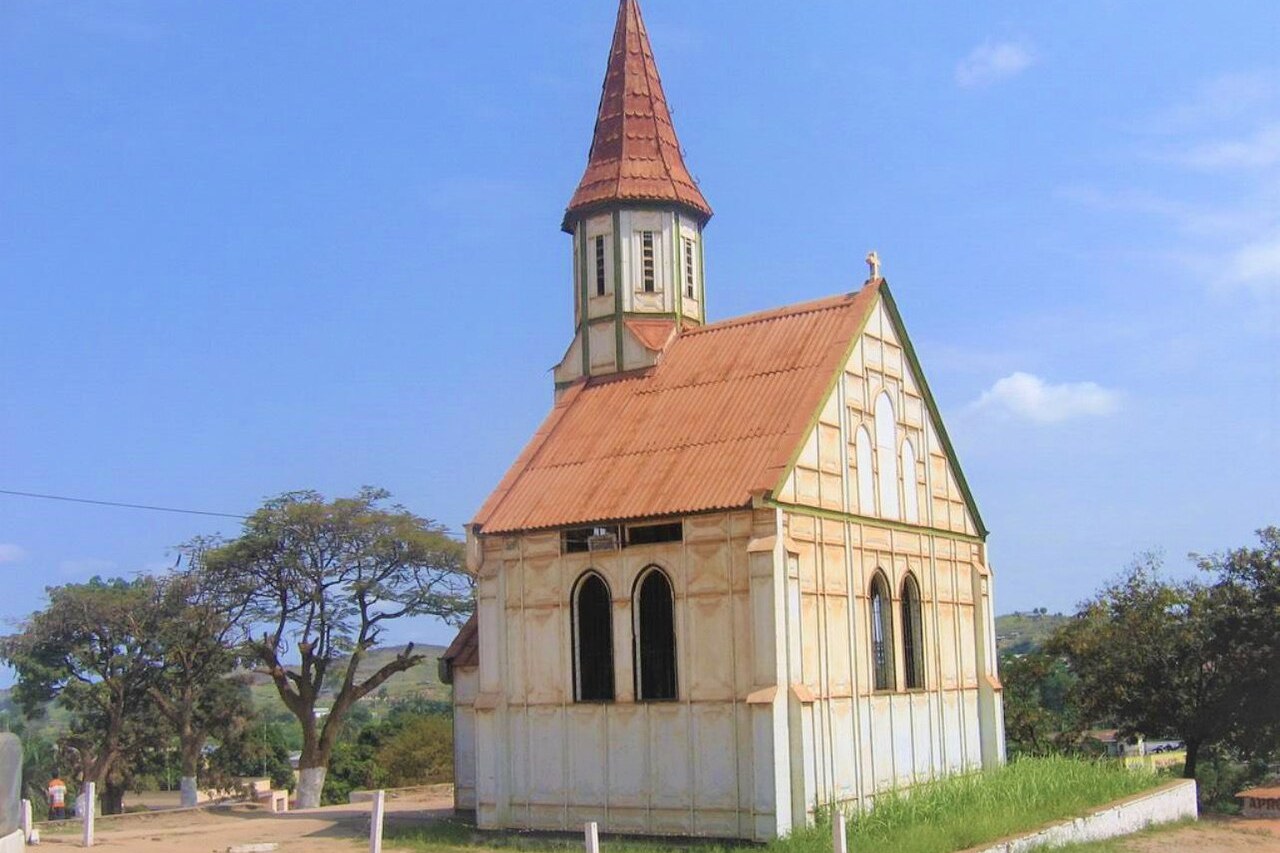
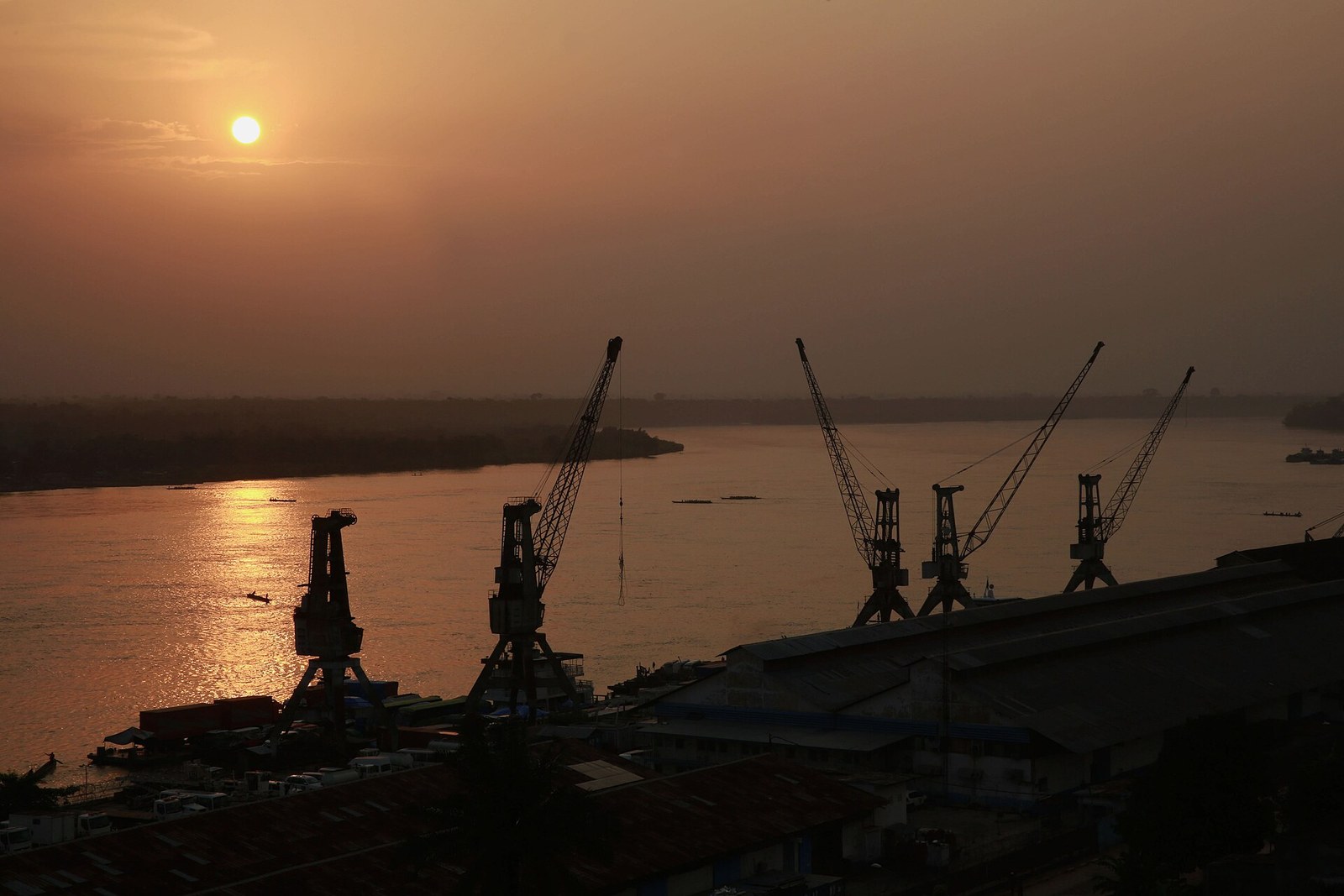
The Tshopo falls, beside the old hydroelectric dam, make a short outing. The Cathédrale Notre-Dame du Rosaire is the main church, and the central market is full of smoked fish, palm oil, bushmeat you should avoid buying, and forest produce. The riverbank at sunset, with pirogues heading home, is the best free show in town.
Food
River fish, especially capitaine, grilled over charcoal and eaten with chikwangue is the classic meal. Cassava leaves, plantain and palm nut sauces appear at almost every meal.
Where to stay
Accommodation is limited and simple. A few established hotels, such as the Palm Beach Hotel by the river, serve visitors and aid workers. Expect power cuts and book ahead.
Staying safe and getting there
Arrive by domestic flight from Kinshasa; road and river journeys to Kisangani are long and difficult. Government travel advice treats parts of Tshopo province and the surrounding regions with caution, so read it carefully and travel with a trusted local contact or operator. Avoid travel after dark and keep a low profile at checkpoints.
Planning your visit
Kisangani suits travellers who are comfortable with simple conditions and slow logistics. Book your hotel in advance and ask it to arrange a driver and a guide for the Wagenia falls. Bring cash in clean dollars and some francs, as there are few ATMs and cards are rarely accepted. Carry insect repellent, antimalarials and a torch for power cuts.
A sample visit
On day one, settle in, walk the riverfront and watch the pirogues at sunset. On day two, visit the Wagenia fishermen in the morning when activity is highest, then the cathedral and central market. On day three, see the Tshopo falls and, if you have arranged it with a trusted operator, take a short pirogue trip to riverside villages. Check your flight back the day before.
History to look for
The city's buildings still show the marks of its colonial and wartime past, and older residents remember the days when river steamers linked it to Kinshasa. Ask your guide to share stories as you explore.
Questions about Kisangani
Can I take a riverboat from Kinshasa to Kisangani?
Barges do make the journey, but it can take weeks, conditions are tough and schedules are unreliable. Most visitors fly.
Can I photograph the Wagenia fishermen?
Ask first and go with a local guide. Photography is a sensitive subject in DR Congo and permission matters.
How long should I spend in Kisangani?
Two or three nights is enough for the falls, the river and the town. Allow extra time in case flights change.
What is the best time to see the Wagenia fishermen?
Mornings are usually the most active time, and activity varies with river levels. Ask your guide to time the visit well.
Facts checked . Fees, schedules and entry rules change, so always confirm the latest with the official source.