At a glance
- Best for
- Kingdoms, crafts, culture and cool hills
- Nearest airport
- Douala International Airport (DLA)
- Time needed
- Three to four days
- Best season
- November to February
- Language
- French, plus Bamoun and Bamileke languages
- Getting around
- Car with driver from Douala or Yaoundé
Why visit the West region
If you want to understand how Cameroon's kingdoms and chiefdoms still shape daily life, come here. The highlands are home to the Bamoun people, ruled from Foumban for six centuries, and to the many Bamileke chiefdoms, each with its own fon or chief, royal compound and traditions. The scenery is beautiful, the food is hearty, and the climate is cool enough for a jumper at night.
Foumban
Foumban is the highlight. The **Palais Royal**, built in the early twentieth century for Sultan Njoya, is the seat of the Bamoun dynasty, and its new **Museum of the Bamoun Kings**, shaped with a giant serpent and spider on its roof, displays royal thrones, beaded objects, weapons and textiles. Sultan Njoya was a remarkable ruler who invented his own writing system, the **Bamum script**, and his story is told here. Across from the palace is the **Grande Mosquée**, and a short walk away the **Rue des Artisans** is a street of workshops where families cast brass using the lost wax method, carve wood and work beads. You can watch, ask questions and buy directly. The smaller **Musée des Arts et Traditions Bamoun** is worth a visit too.
The Nguon festival
Every couple of years, usually in late November or December, Foumban hosts **Nguon**, a grand festival where the Bamoun people symbolically put their king on trial, followed by parades, horsemen and dances. It is one of Cameroon's great cultural events; dates are announced by the palace, so confirm before planning.
Bandjoun and the Bamileke chiefdoms
Near Bafoussam, the **Chefferie de Bandjoun** is one of the best known Bamileke royal compounds, with a towering thatched meeting house supported by carved pillars, and a museum of royal objects. Many other chiefdoms welcome respectful visitors; always ask permission, follow the guide's lead on where you may walk and photograph, and expect to make a contribution.
Dschang
Dschang is a pleasant university town in the hills, with a lake at its centre and the excellent **Musée des Civilisations**, which explains Cameroon's main cultural regions in a modern building by the water. The old colonial hill station, the **Centre Climatique**, has bungalows set in gardens. Nearby, the **Chutes de la Métché** are a forest waterfall with a painful history linked to the independence struggle.
Lakes and waterfalls
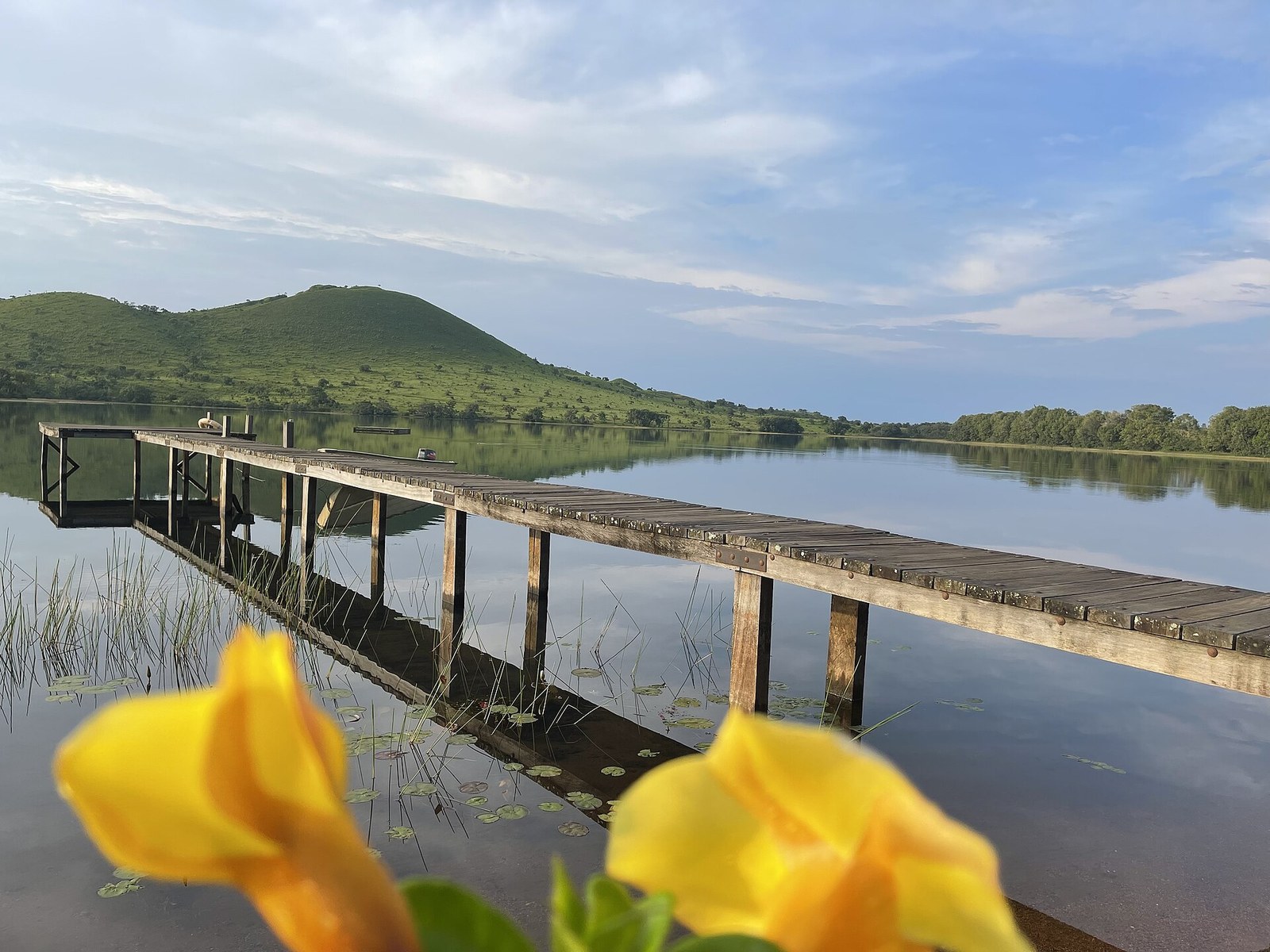
The volcanic landscape has left crater lakes such as **Lac Baleng** near Bafoussam and the crater on **Mont Mbapit** near Foumban. On the road down towards Douala, the **Chutes d'Ekom Nkam** near Melong plunge through deep forest and are worth a stop.
Food
The Bamileke dish **nkui**, a slippery spiced sauce eaten with corn fufu, and **taro with yellow soup** are local favourites, along with **koki**, steamed black eyed pea cake. Markets in Bafoussam and Foumban are full of fresh produce, peppers and local spices.
Getting there and around
Foumban is around six hours by road from Douala and roughly five from Yaoundé, via Bafoussam, the regional capital. Buses link the main towns, but a car with a trusted driver makes it much easier to combine Foumban, Bandjoun and Dschang. Some roads are winding and slow in the rains.
Staying safe
The West region is generally calmer than its neighbours, but areas bordering the North West and South West regions are affected by the Anglophone conflict and are under travel advice. Check your government's current advice for the specific departments you plan to visit, avoid travelling at night and keep to the main towns and roads.
Questions about the West region
Is the West region of Cameroon safe?
Foumban, Bafoussam, Bandjoun and Dschang are generally visited without trouble, but areas bordering the North West and South West regions are affected by conflict. Check current government advice for each area and avoid night travel.
How long should I spend in Foumban?
One full day covers the palace, museum and artisans' street. Stay two nights if you want time with the craftspeople or to visit Mont Mbapit.
When is the Nguon festival?
Nguon is usually held every two years, often in late November or December. Dates are set by the Bamoun palace, so confirm them before you plan your trip.
Can I visit a Bamileke chiefdom?
Yes. Bandjoun welcomes visitors and has a museum. Always ask permission, follow your guide on photography and expect to make a contribution.
Facts checked . Fees, schedules and entry rules change, so always confirm the latest with the official source.