At a glance
- Best for
- Museums, monuments, markets and primates
- Airport
- Yaoundé Nsimalen International Airport (NSI)
- Time needed
- Two to three days
- Best season
- December to February and June to August
- Language
- French, plus Ewondo and other Beti languages
- Getting around
- Hotel cars, trusted taxis and ride-hailing apps
Why visit Yaoundé
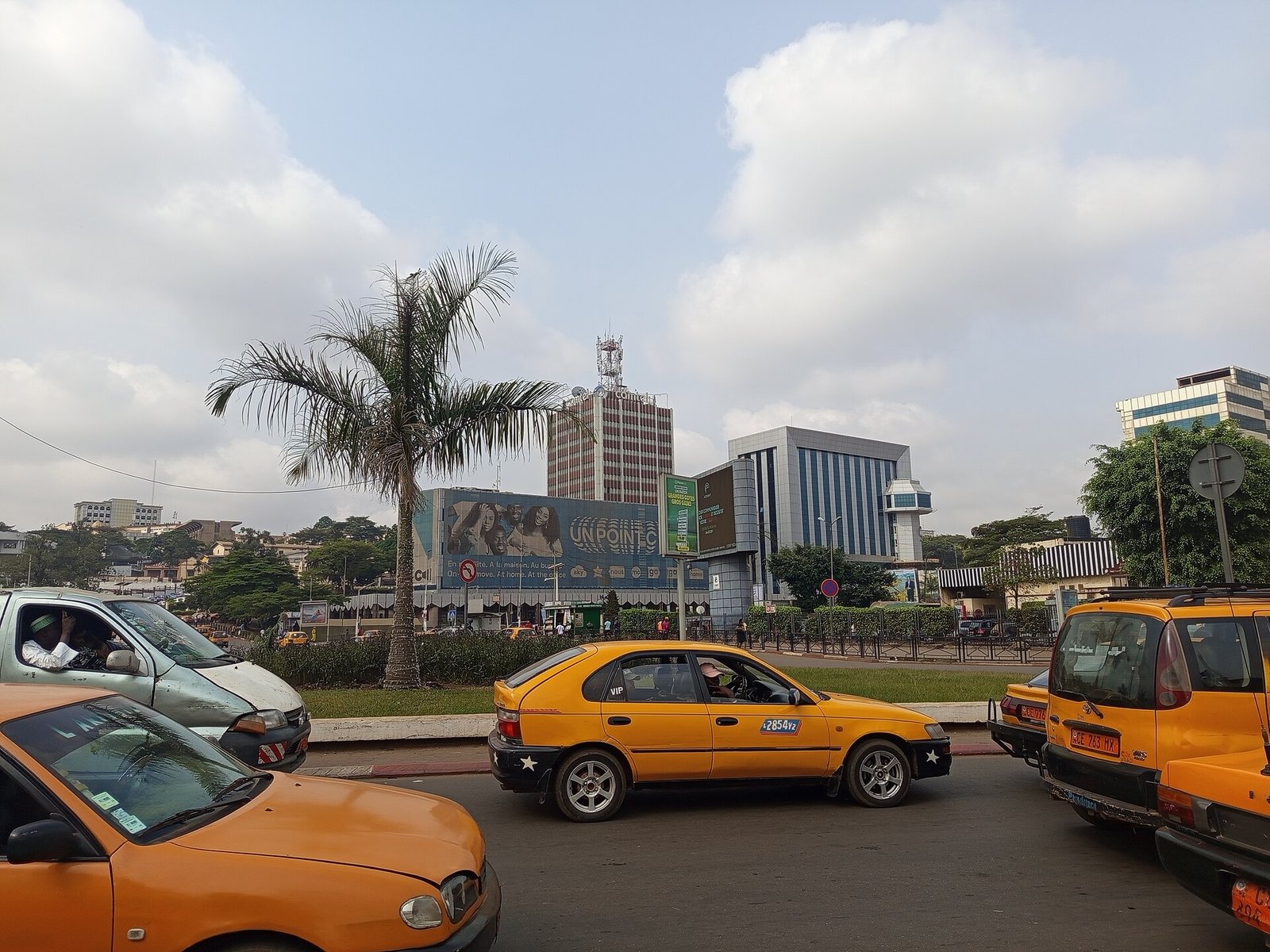
Yaoundé is where Cameroon governs itself, so it feels more orderly than Douala, with wide boulevards, green hills and a gentler climate. It is the best place in the country for museums and history, and its markets and music scene give you a full picture of life in the centre and south. It is also the gateway to the forest regions of the south and east.
Neighbourhoods to know
**Centre ville** holds the ministries, the cathedral, the central market, the post office and the craft centre. **Bastos** is the diplomatic quarter, leafy and calm, with many embassies, restaurants and guesthouses. It is a common choice for a first stay. **Nlongkak** and **Elig Essono** sit just north of the centre with hotels and bars. **Mvog Mbi** and **Mvog Ada** are lively local neighbourhoods known for grills and nightlife. **Mokolo** is home to the city's biggest market.
What to see
The **Musée National**, housed in the former presidential palace, covers Cameroon from its kingdoms to independence and reunification. The spiral **Monument de la Réunification** marks the 1961 union of French and British Cameroons, and its viewpoint looks over the city. On **Mont Fébé**, the Benedictine monastery keeps an outstanding collection of masks, bronzes and carvings in the **Musée d'Art Camerounais**, and the hill offers the best panorama in town. The **Basilique Marie Reine des Apôtres** at Mvolyé stands near the site of the first Catholic mission, with bold African inspired art inside.
Primates and nature
About an hour from the city, **Mefou Park** is run by Ape Action Africa as a sanctuary for gorillas, chimpanzees and smaller monkeys rescued from the bushmeat and pet trades. Visits are guided and support the work. Closer in, the **Mvog Betsi Zoo** is popular with families. South of the city near Mbalmayo, the **Ebogo** ecotourism site offers pirogue trips on the Nyong River through forest full of birds.
Markets and crafts
**Marché Mokolo** is huge and overwhelming in the best way, a good introduction to everyday life if you keep your bag close. The **Centre Artisanal** near the post office gathers craft sellers in one place, ideal for baskets, beads, masks and cloth. **Marché Mfoundi** is the place for fresh produce.
Food and music
Yaoundé's home dishes include **okok**, a leafy vegetable cooked with peanuts and sometimes sweetened, **sanga** made from corn and cassava leaves, and grilled fish with **miondo**, slim sticks of fermented cassava. **Bikutsi**, the fast, driving music of the Beti, is everywhere in the bars of Mvog Mbi and beyond. Bastos is the best area for a calm dinner.
Festivals
The **20 May National Day** parade on the boulevard of the same name is a huge, colourful occasion. The **Ecrans Noirs** film festival brings African cinema to screens across the city each year.
Staying safe
Yaoundé is generally calmer than Douala, but theft, bag snatching and scams happen, especially around markets and bus stations and at night. Use trusted transport after dark, carry a copy of your passport for police checks, and do not photograph government buildings, the presidential palace or military sites.
Getting around
Shared taxis and motorbike taxis run everywhere, but first-timers usually do better with a hotel car or a driver recommended by their accommodation. Nsimalen airport is about forty minutes south of the centre. Buses and the railway link Yaoundé with Douala, and the drive takes around four hours.
Questions about Yaoundé
Is Yaoundé safe for tourists?
Yaoundé is generally calmer than Douala, but petty crime is common. Avoid walking at night, keep valuables hidden in markets and use trusted transport. Bastos and the centre are the easiest areas for visitors.
Where should I stay in Yaoundé?
Bastos is quiet, leafy and close to restaurants and embassies. The centre is handy for museums and the craft market, and has several established hotels.
Can I visit Mefou Park from Yaoundé?
Yes. It is about an hour's drive and makes an easy half day trip. Book ahead through Ape Action Africa so a guide is ready for you.
Can I take photos in Yaoundé?
Photographing government buildings, the presidency, the military and police is forbidden and can lead to trouble. Ask before photographing people, and keep cameras away near official sites.
Facts checked . Fees, schedules and entry rules change, so always confirm the latest with the official source.