The temples
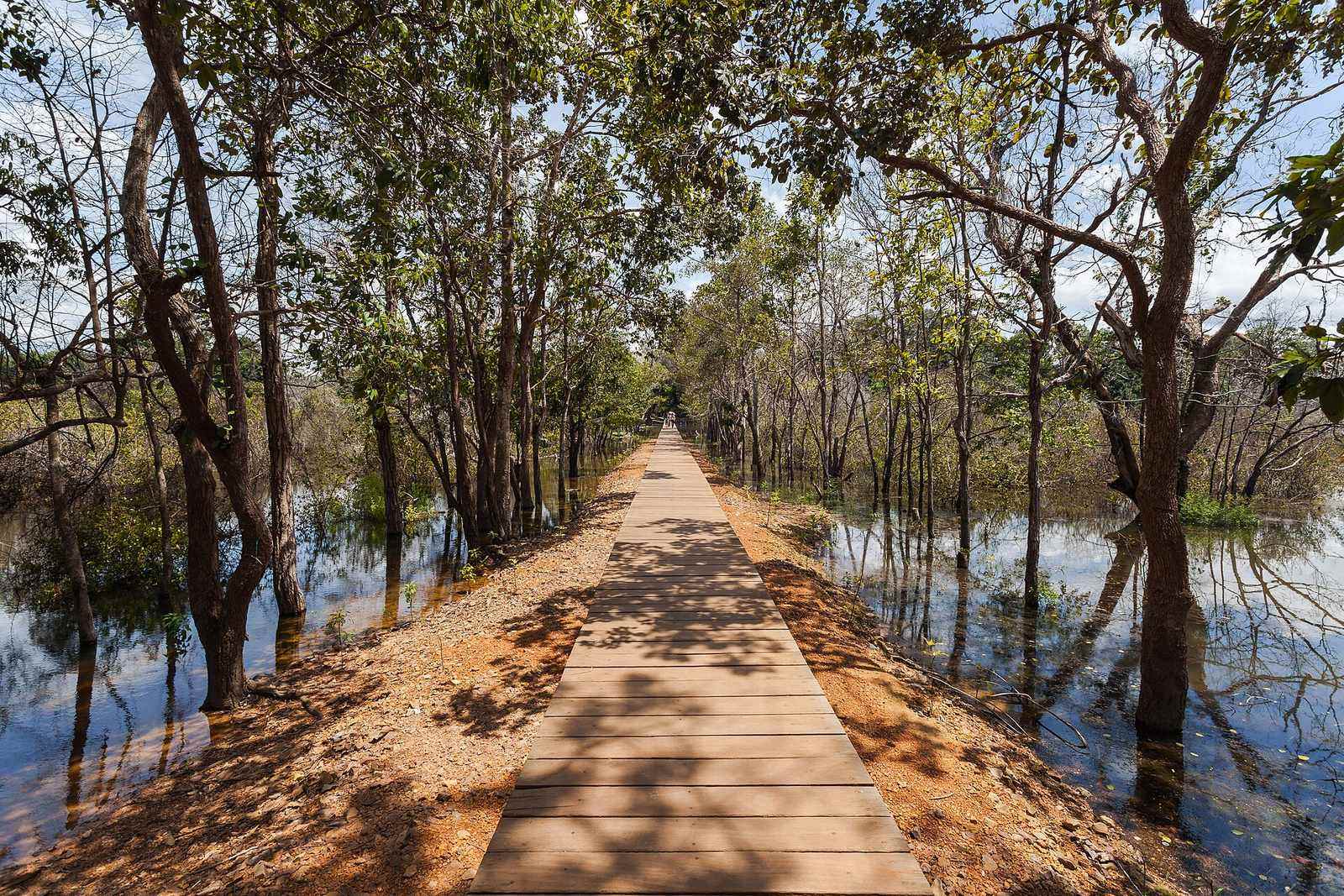
Almost every trip includes Siem Reap and Angkor. The town is relaxed and easy, and just to the north lie the temples of the Khmer empire: Angkor Wat, the smiling faces of the Bayon, the jungle roots of Ta Prohm and hundreds more. Give it three days at least, with an early start each morning before the heat.
The capital
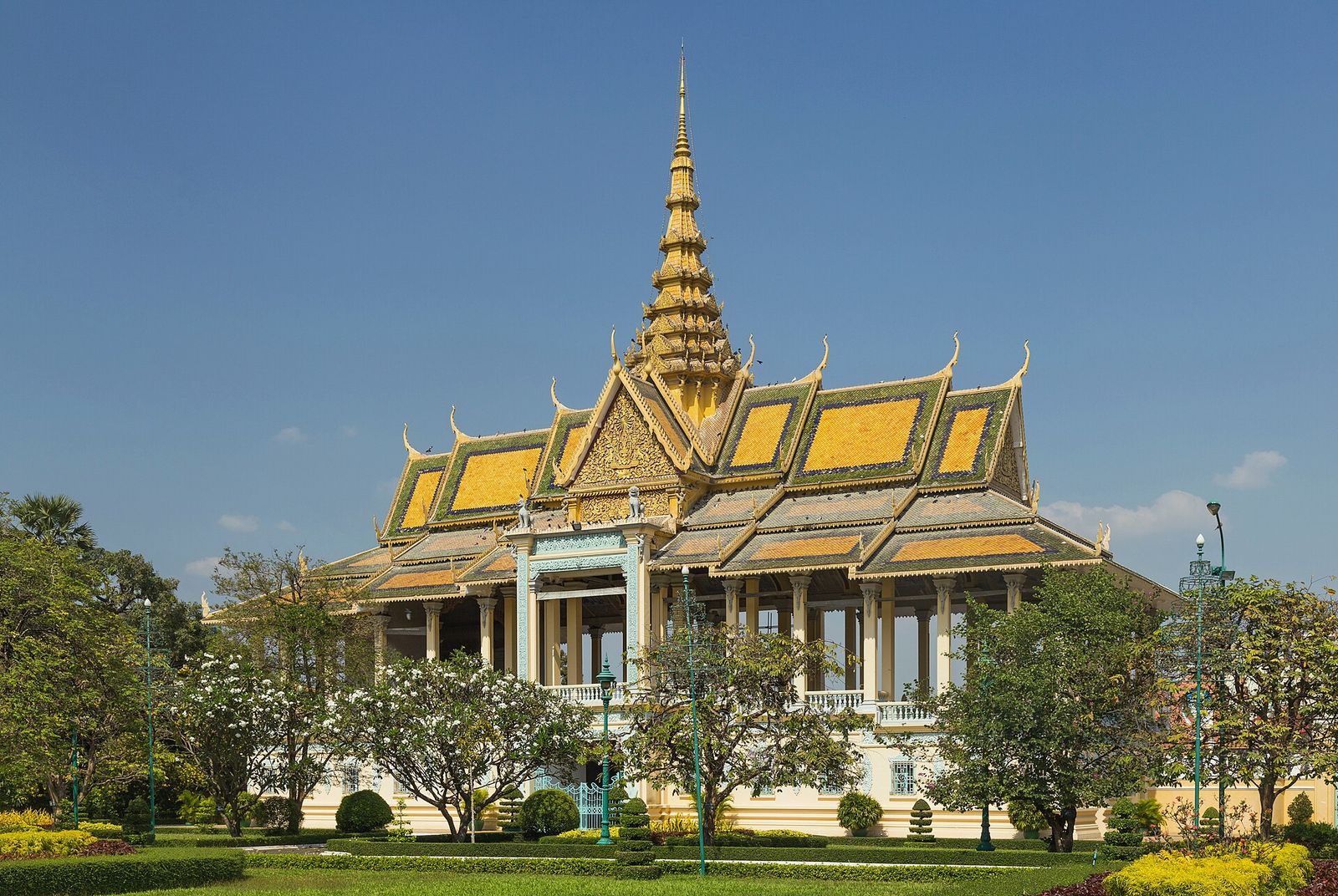
Phnom Penh sits where the Mekong meets the Tonle Sap. It is the place to understand Cambodia: the Royal Palace and Silver Pagoda, the National Museum's Khmer sculpture, and the sobering memorials at Tuol Sleng and Choeung Ek. Its riverfront, markets and fast growing food scene make two to three days fly by.
The countryside town
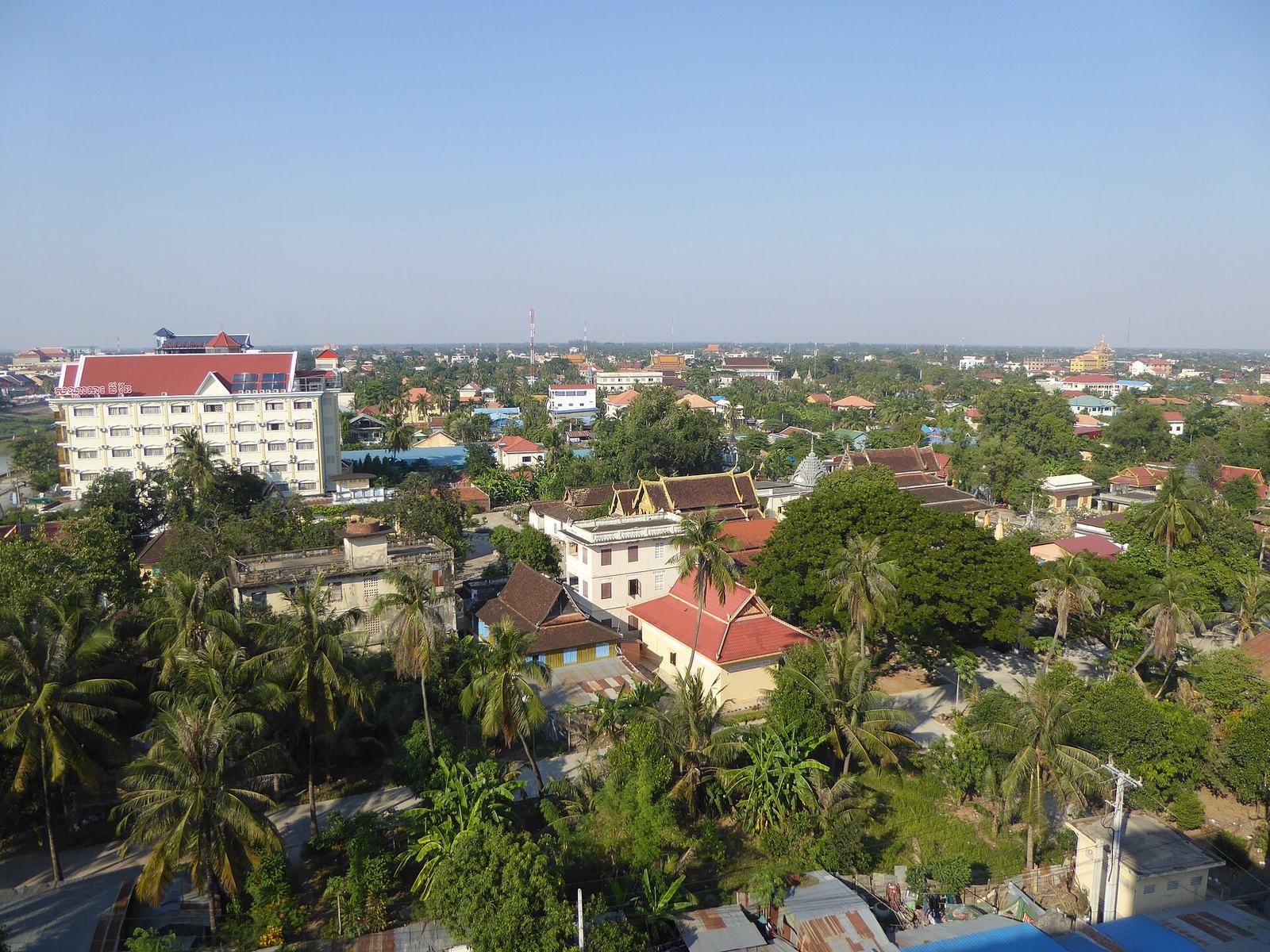
Battambang is Cambodia's second city in spirit if not in size: a riverside grid of French era shophouses surrounded by rice fields, hill temples and villages. It is the best place to see rural life up close, and its arts school produces some of the country's finest young performers and painters.
The river and the crab coast
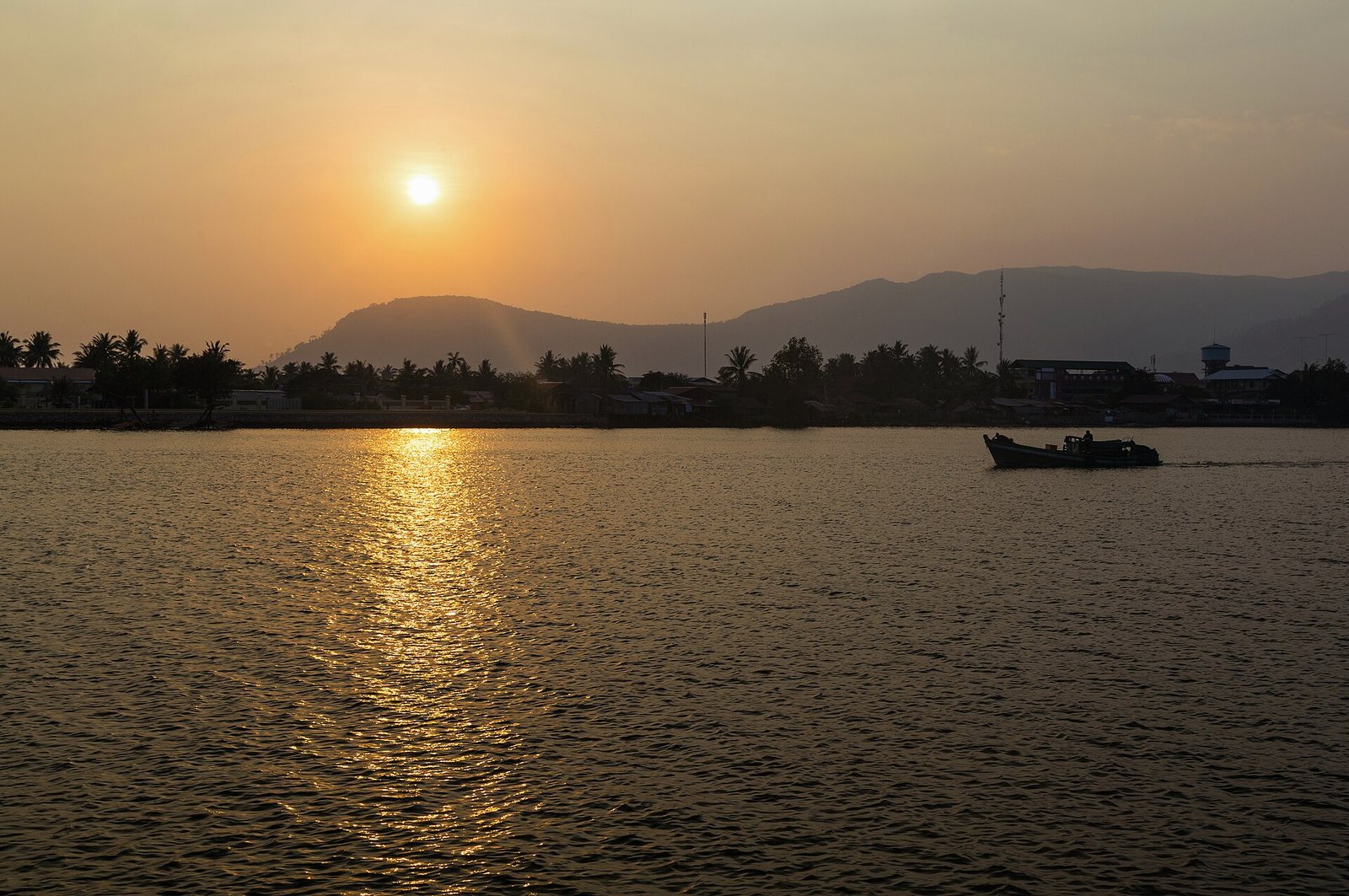
Kampot and Kep are the slow south. Kampot is a sleepy river town under Bokor Mountain, famous for its pepper, while Kep, half an hour away, is a leafy seaside village known for crab cooked with green pepper. Together they make a gentle few days after the temples and the capital.
The islands
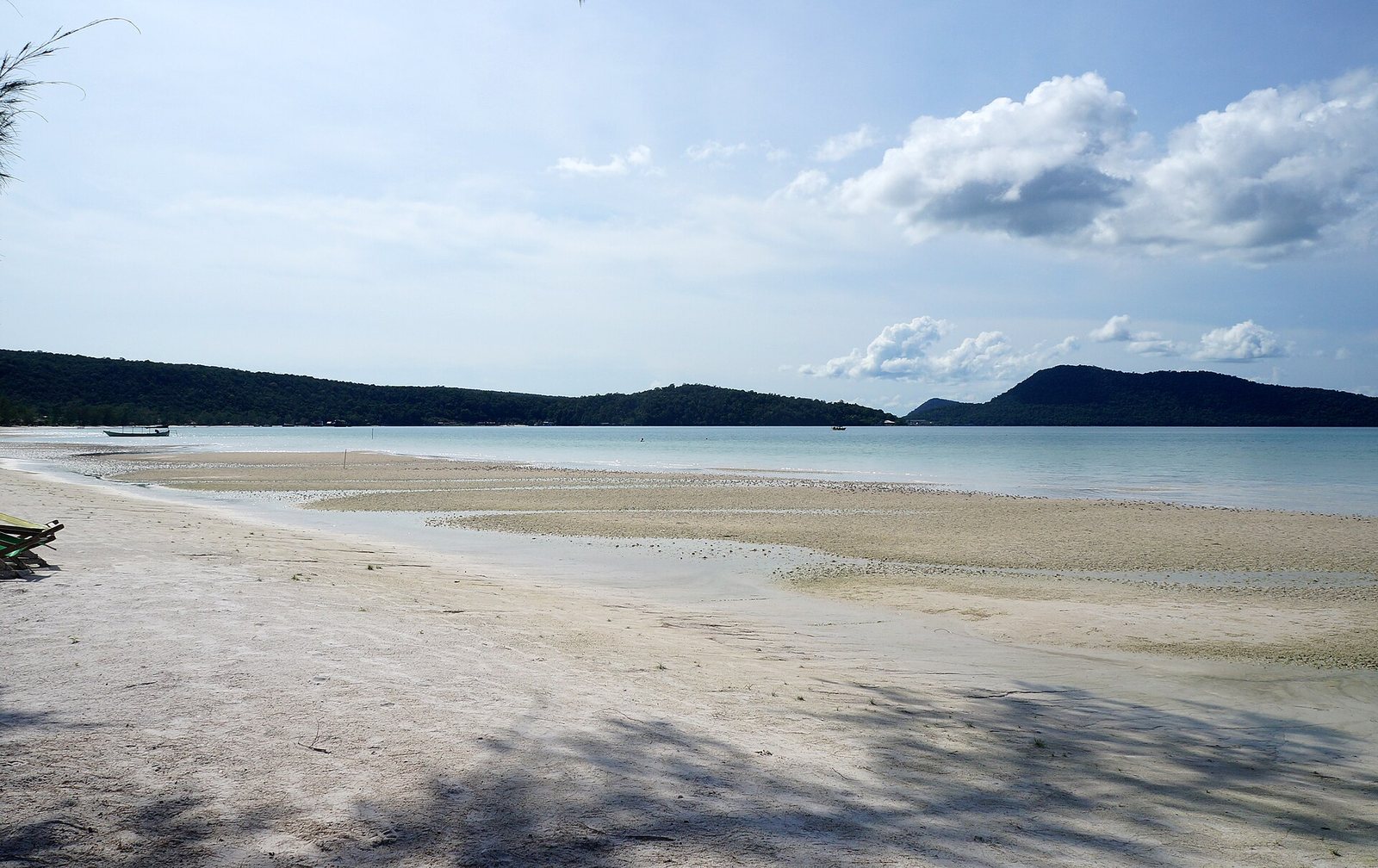
Koh Rong and its quieter sister Koh Rong Samloem have white sand, clear water and glowing plankton at night. Ferries leave from Sihanoukville, whose casino boom has made the mainland town one to pass through rather than stay in.
How to combine them
The classic first route is Siem Reap, Battambang, Phnom Penh and Kampot over ten to fourteen days, adding Kep or the islands for the beach. Domestic flights link Siem Reap and Phnom Penh, and comfortable buses and minivans connect the rest. For wildlife and rivers, Kratie's dolphins and Mondulkiri's forests reward an extra few days. Our places to visit list and the free trip planner help you build it.