At a glance
- Best for
- History, palaces, markets, food and nightlife
- Airport
- Techo International Airport (KTI)
- Time needed
- Two to three days
- Best season
- November to February
- Language
- Khmer, with English in hotels and restaurants
- Getting around
- Tuk tuk and ride apps such as PassApp and Grab
Why go
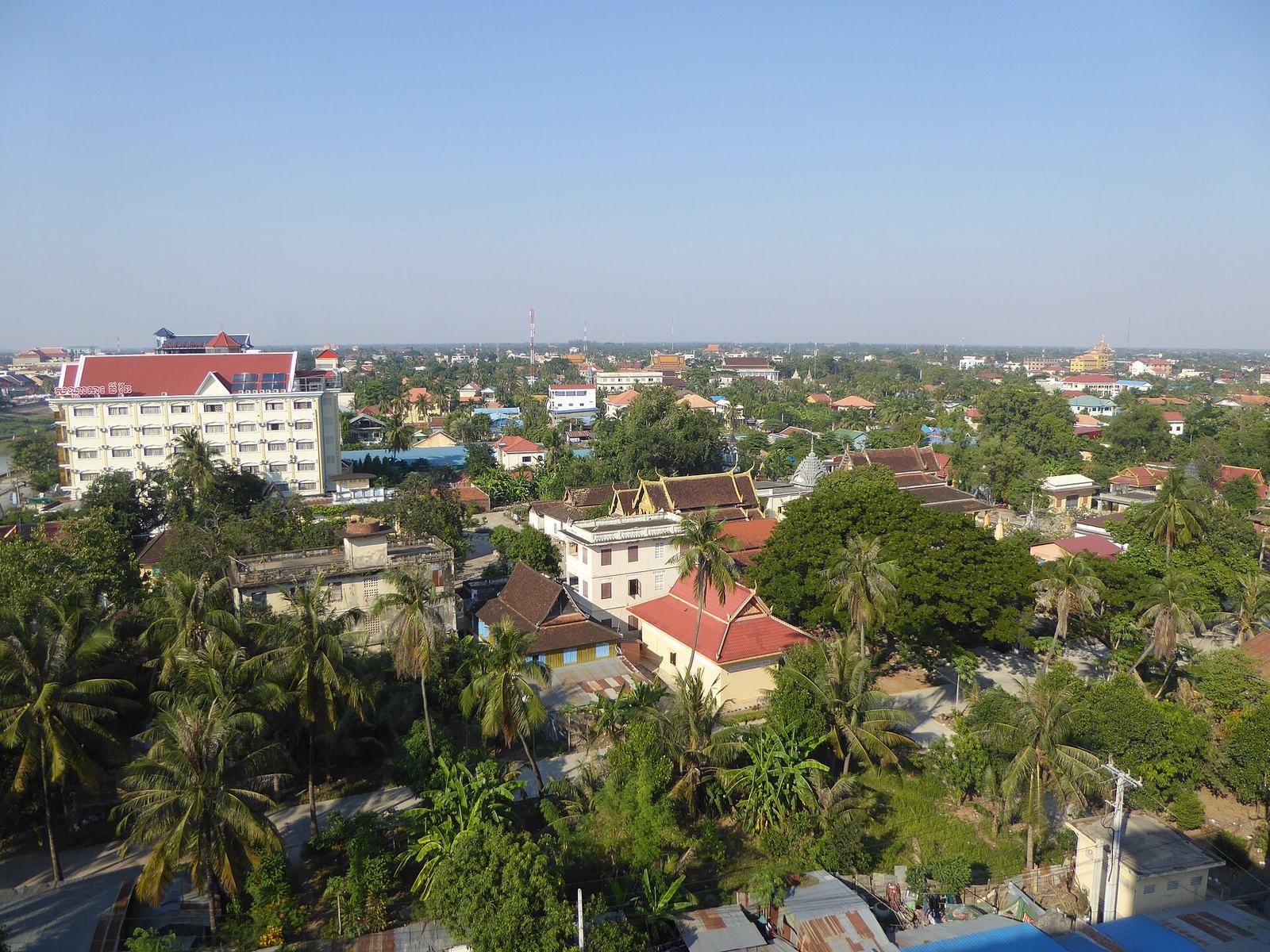
Phnom Penh is where you come to understand Cambodia. The Royal Palace shows its living monarchy, the National Museum its ancient art, and the genocide memorials the tragedy of the 1970s that still shapes every family. Yet the city is anything but gloomy: mornings start with noodle soup at market stalls, evenings bring families out along the riverfront, and the food and bar scene is one of the best in the region.
The main sights
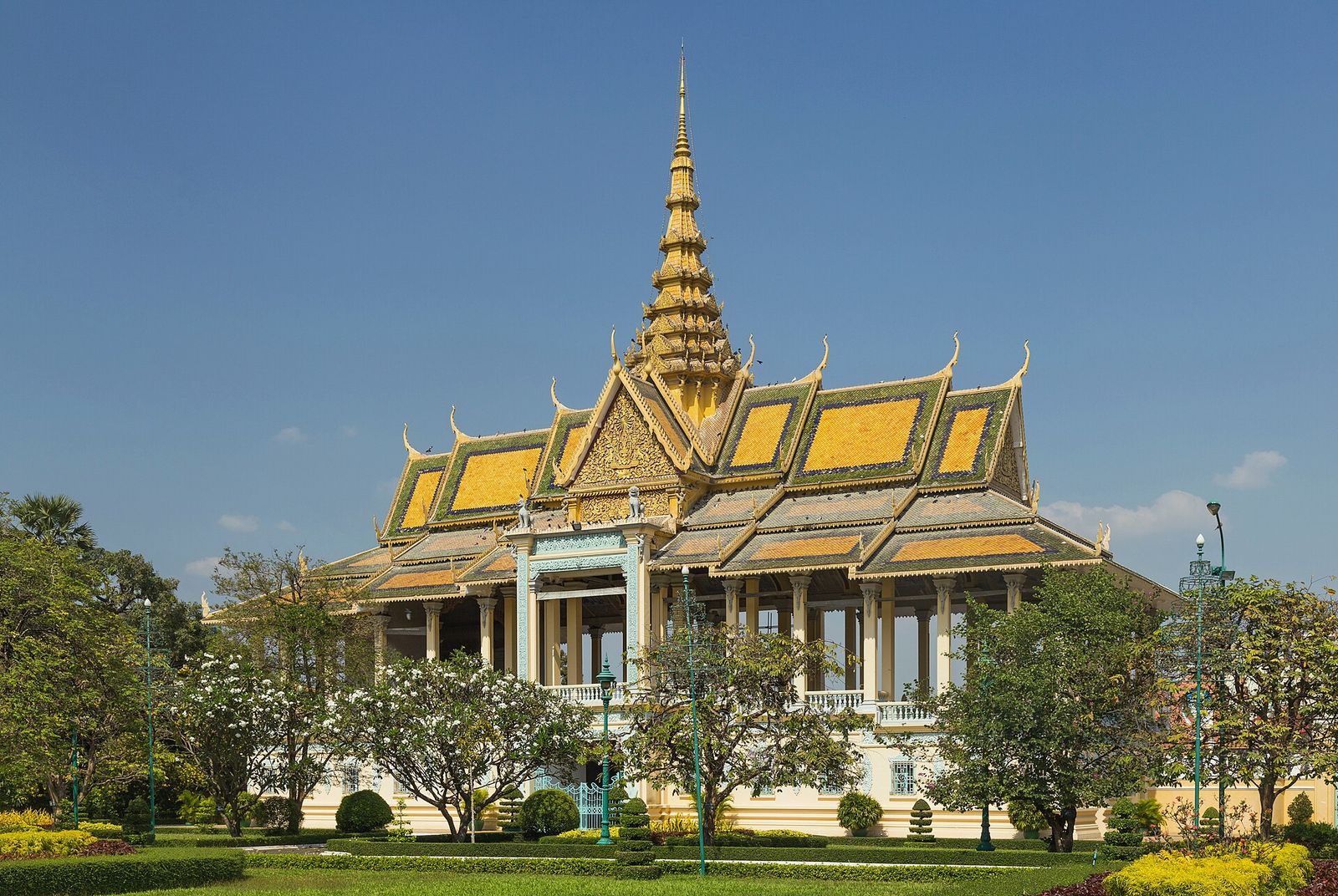
The Royal Palace and the Silver Pagoda, beside the river, are the city's showpiece: golden roofs, the throne hall, and a pagoda floored with thousands of silver tiles and home to an emerald Buddha. Next door, the National Museum of Cambodia holds the world's finest collection of Khmer sculpture around a peaceful courtyard garden. Wat Phnom, the small hill that gave the city its name, is a short walk north.
Set aside a morning for Tuol Sleng Genocide Museum, the former school that became the Khmer Rouge prison S21, and the Choeung Ek Genocidal Center, the Killing Fields about fifteen kilometres south. Both have excellent audio guides. They are hard visits, but they matter, and most Cambodians are glad visitors come to learn. Dress respectfully and keep your voice low.
Markets
Central Market, a yellow art deco dome, sells jewellery, clothes, souvenirs and snacks. The Russian Market, Psar Toul Tom Poung, is a hot maze of silk, handicrafts and great food stalls, set in a neighbourhood full of cafes. Orussey Market is where locals shop, and Psar Kandal is good for early morning noodles.
Food and drink
Try kuy teav noodle soup and bai sach chrouk, grilled pork with rice, for breakfast, then fish amok and lok lak later on. Social enterprise restaurants such as Romdeng and Friends train former street youth, and Malis serves refined Khmer cuisine. Brown Coffee is the local cafe chain. At night, the narrow bars of Bassac Lane, the riverside, and rooftop bars across the city are all lively. The Elephant Bar at Raffles Le Royal is a classic.
Day trips
Koh Dach, a silk weaving island in the Mekong, is easy by tuk tuk and ferry or on a bicycle tour. Oudong, the old royal capital on a hill of stupas, is an hour north. Tonle Bati and Phnom Chisor have Angkorian temples to the south.
Where to stay
Riverside and Daun Penh put you close to the palace and the evening promenade. Boeung Keng Kang, BKK1, is greener and quieter, with cafes and restaurants. Toul Tom Poung, around the Russian Market, is popular with longer stayers. The city has grand historic hotels, modern towers and many value boutique hotels with pools.
Getting around and safety
Use ride apps such as PassApp, Grab or Tada for tuk tuks and cars: the price is fixed before you go. Bag and phone snatching by thieves on motorbikes is the main crime risk, so keep bags on the side away from the road, hold your phone firmly in tuk tuks and avoid walking alone late at night. Traffic is chaotic, so cross slowly and steadily.
Getting there
Techo International Airport opened in September 2025 south of the city, replacing the old Phnom Penh airport, with taxis, ride apps and airport buses into town. Allow at least an hour in traffic. Buses and minivans link Phnom Penh to Siem Reap, Battambang, Kampot, Sihanoukville and Ho Chi Minh City.
Questions about Phnom Penh
How many days do I need in Phnom Penh?
Two full days covers the palace, the museums, the genocide memorials and the markets. A third day lets you add Koh Dach or Oudong and enjoy the food scene.
Should I visit the Killing Fields and Tuol Sleng?
Yes, if you feel able to. They are central to understanding modern Cambodia. Go in the morning, use the audio guides, and leave time afterwards to reflect.
Is Phnom Penh safe?
Generally yes, but bag and phone snatching is common. Keep valuables out of sight, use ride apps at night and follow your government's travel advice.
Which airport serves Phnom Penh?
Techo International Airport (KTI), which replaced the old Phnom Penh International Airport in 2025. Check your booking shows the right airport and allow extra time for the drive.
Facts checked . Fees, schedules and entry rules change, so always confirm the latest with the official source.