The capital
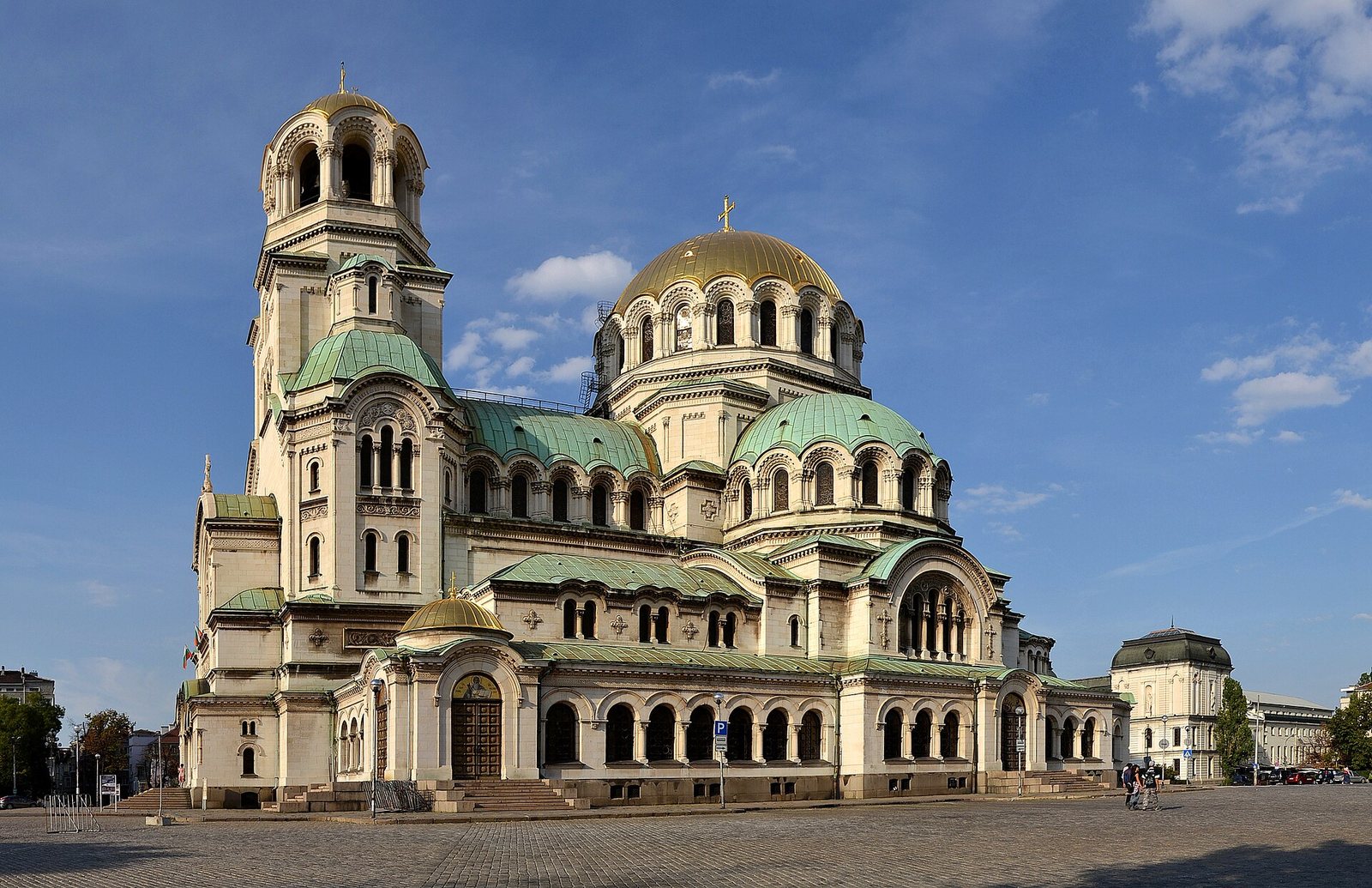
Most trips begin in Sofia, a green, easygoing capital where Roman streets lie under the metro, golden domes rise above tram lines and Vitosha mountain is a bus ride from the centre. It is the base for the classic day trip to Rila Monastery and for the Seven Rila Lakes hike in summer. Plan two or three nights.
The ancient city
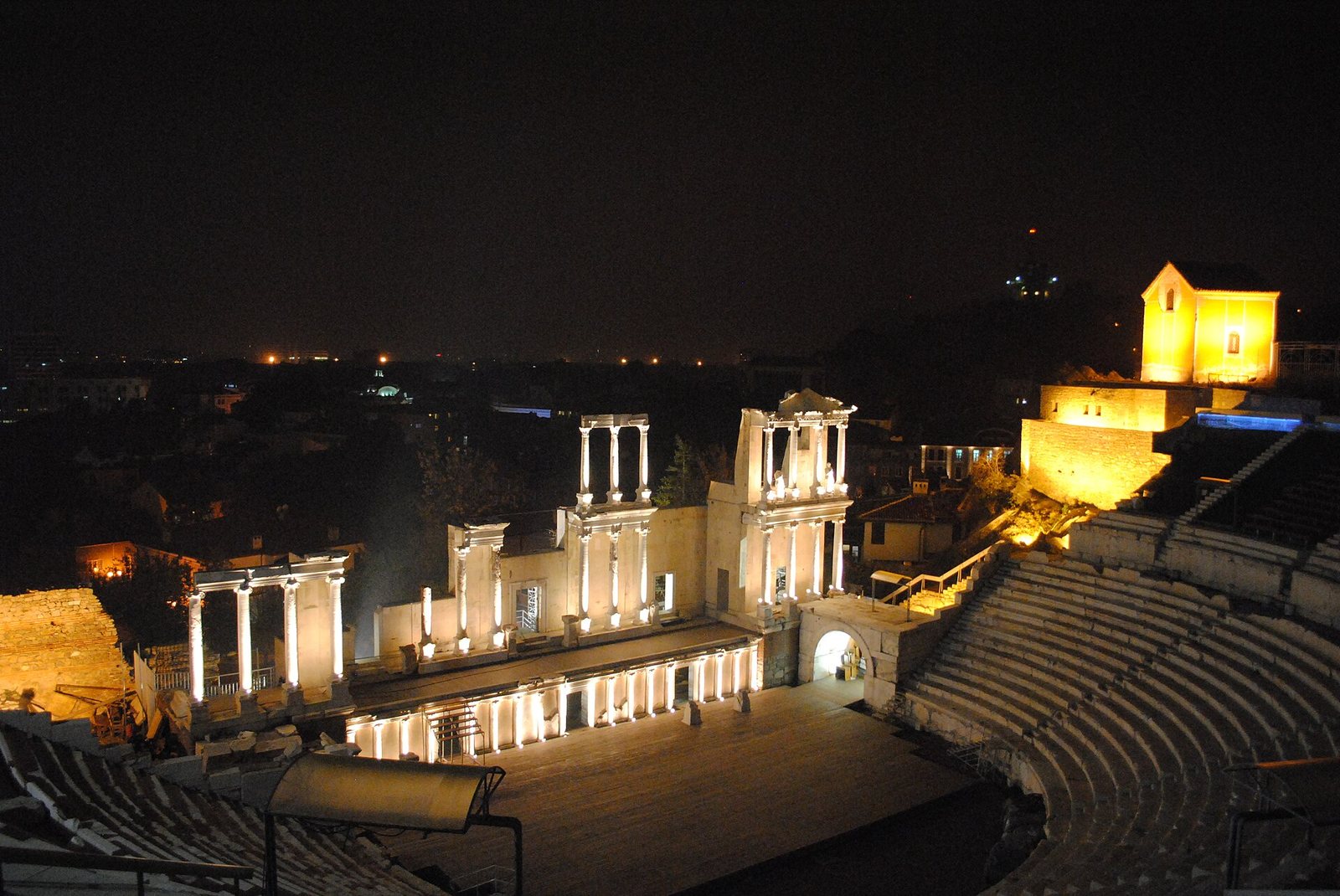
Two hours south east, Plovdiv is one of the oldest continuously inhabited cities in Europe. Its Roman theatre, cobbled Old Town of painted merchant houses and the creative Kapana quarter make it many visitors' favourite city in Bulgaria. It is also the gateway to the Rhodope mountains and the wineries of the Thracian plain.
The royal capital
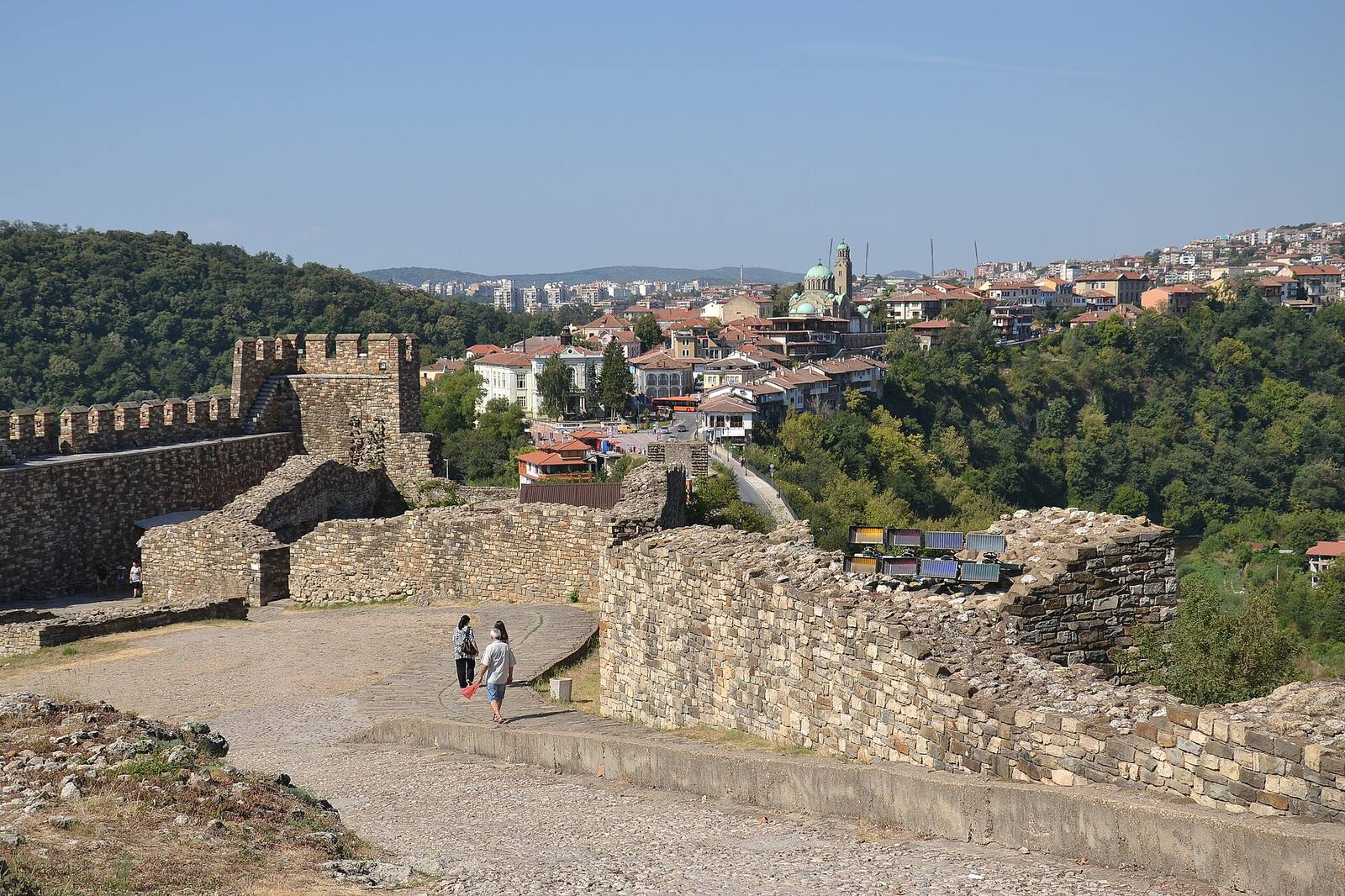
In the centre of the country, Veliko Tarnovo climbs the cliffs of a looping river gorge below Tsarevets, the fortress of the medieval Bulgarian tsars. The craft village of Arbanasi and the old crafts street of Samovodska Charshiya are close by, and the town sits neatly between Sofia, Plovdiv and the coast.
The coast
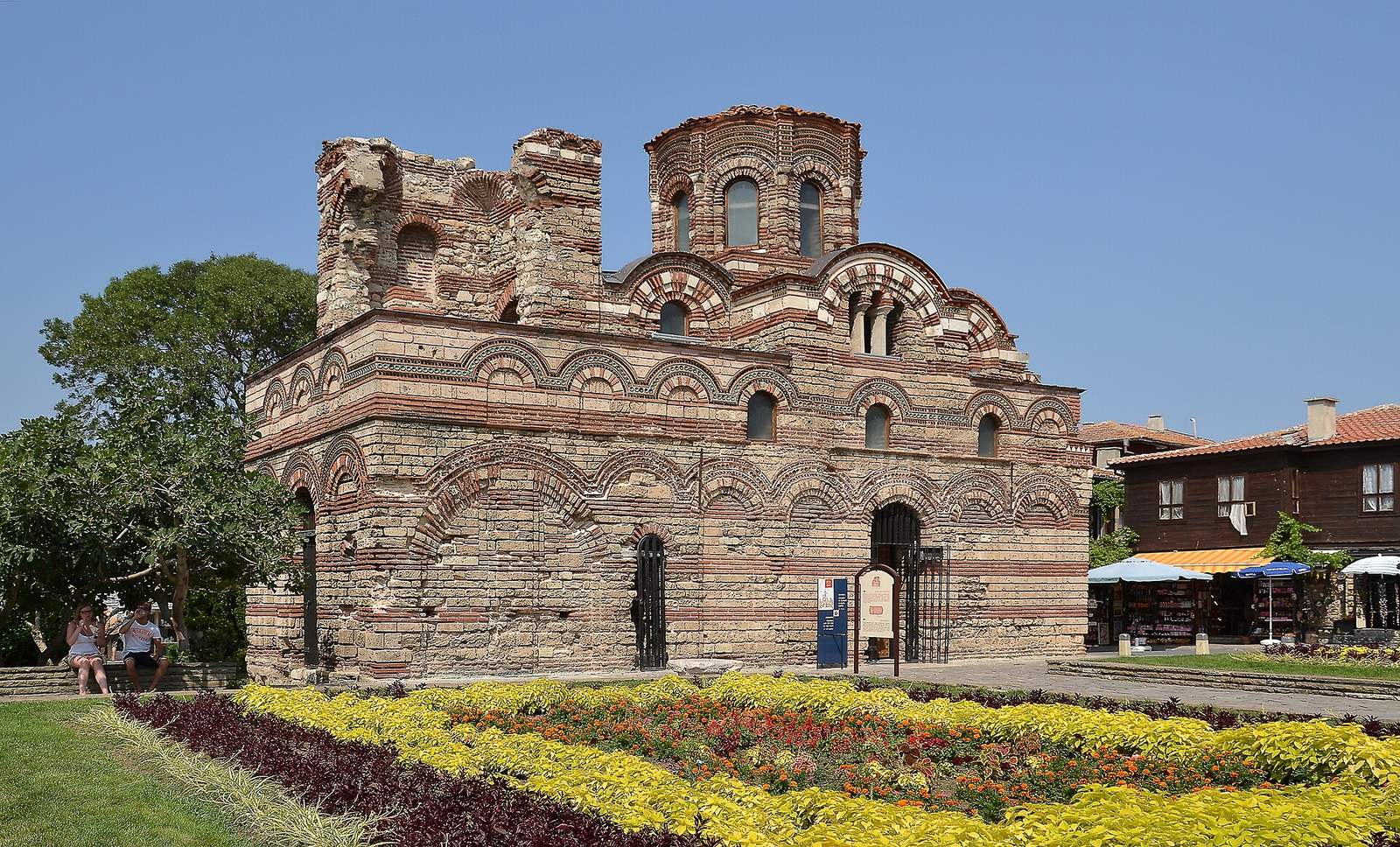
The Black Sea coast runs for almost four hundred kilometres, from the cliffs of the north to the quiet coves of Strandzha in the south. Varna is the lively sea capital, Sozopol and Nessebar are old towns on rocky peninsulas, and there are long sandy beaches in between. July and August are busy; June and September are calmer and still warm.
The mountains
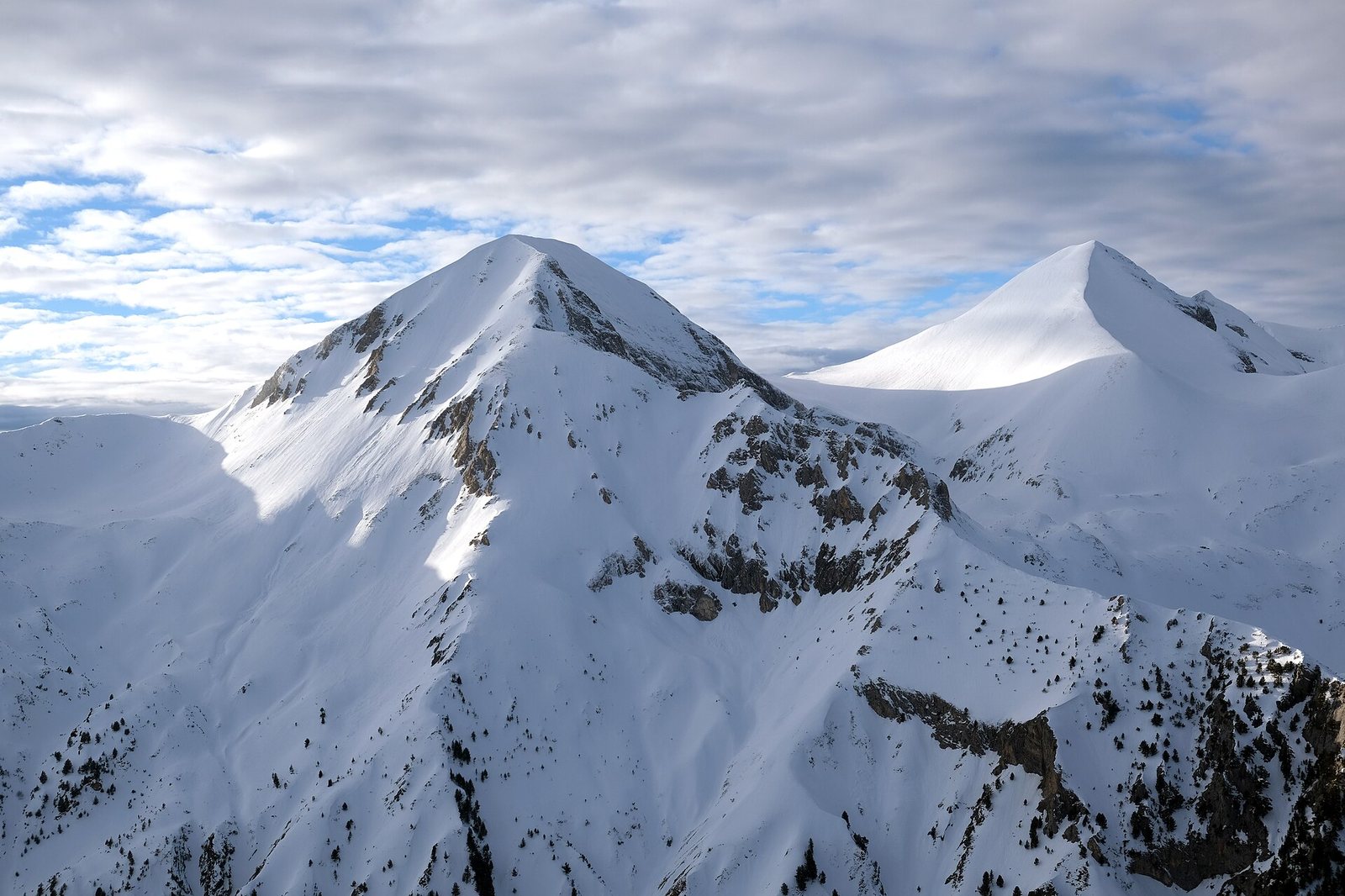
In the south west, Bansko and the Pirin give you alpine peaks, glacial lakes and Bulgaria's biggest ski area, plus an old stone town of taverns and churches. In summer it is a hiking base for Pirin National Park; in winter it is one of the best value ski resorts in Europe.
How to combine them
A first week usually looks like Sofia with Rila Monastery, then Plovdiv, then Veliko Tarnovo, returning to Sofia or continuing to the coast. Add Bansko in winter or for summer hiking. Use the free trip planner to shape your own route, and our places to visit list to fill each day.