At a glance
- Best for
- Cranes, nature walks, farmhouse stays and quiet
- Airport
- Paro International Airport (PBH), a full day's drive
- Time needed
- One to two nights
- Best season
- Late October to February for cranes
- Altitude
- Around 2,900 metres
- Festival
- Black Necked Crane Festival in November
Why go
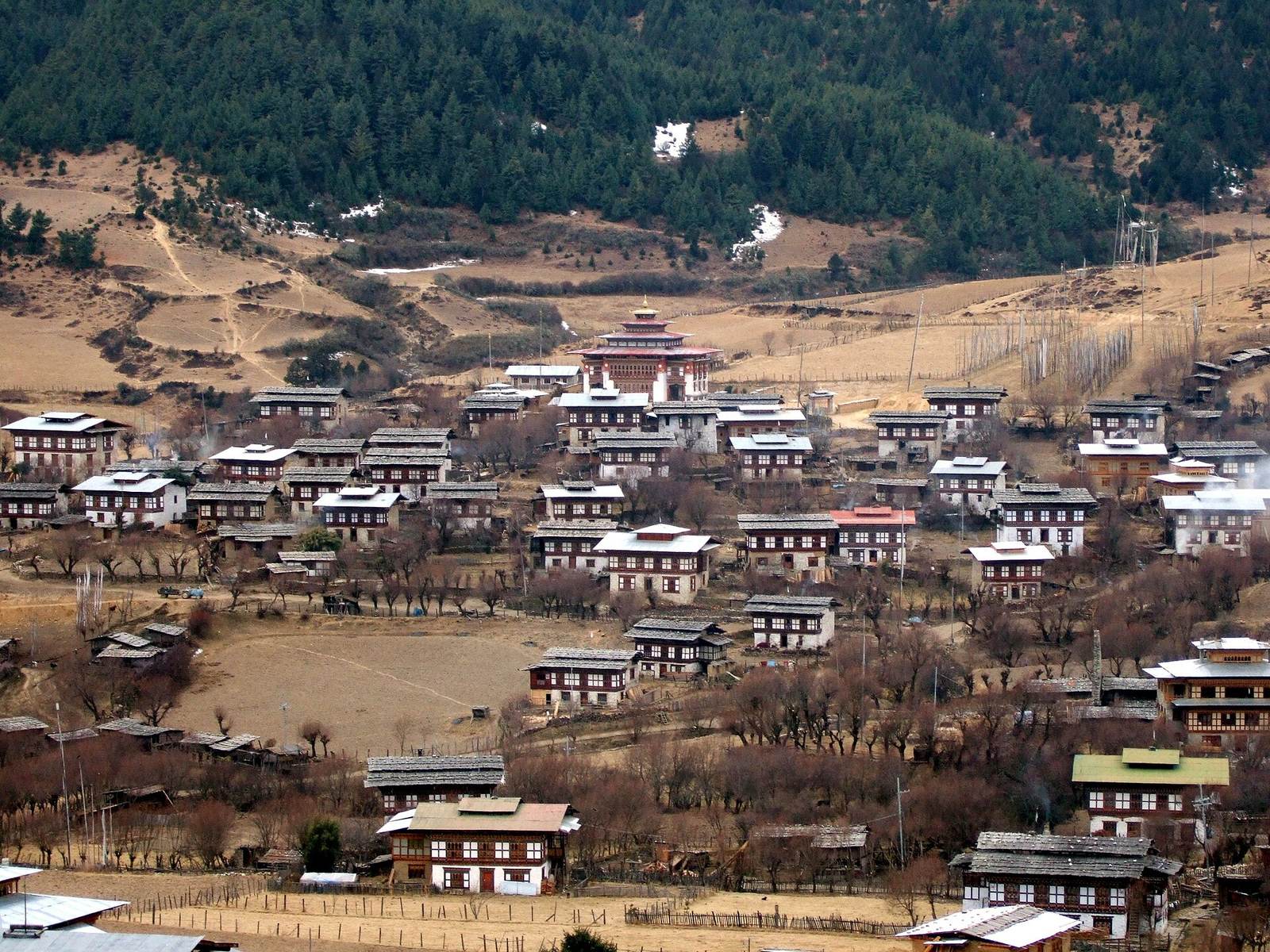
Phobjikha feels a world away from the busier western valleys. There are no big towns, just the village of Gangtey, a handful of lodges and farmhouses, and a vast open valley that turns gold in autumn. It is protected as a conservation area, and many houses still have no overhead power lines, which were run underground so as not to harm the cranes. For travellers it offers easy walking, wildlife and a glimpse of farming life.
The black necked cranes
The cranes arrive from the Tibetan plateau from late October and stay until around February or early March. They roost in the marshes at night and feed in the fields by day. Local legend says they circle Gangtey Monastery three times when they arrive and again when they leave. The **Black Necked Crane Visitor Centre**, run by the Royal Society for Protection of Nature, has viewing telescopes, displays and a short film. Keep a respectful distance and stay on paths; the birds are easily disturbed.
The **Black Necked Crane Festival**, held each November in the courtyard of Gangtey Monastery, celebrates their arrival with dances by local schoolchildren, including a crane dance, and folk songs. Check dates on the official tourism site.
Gangtey Monastery
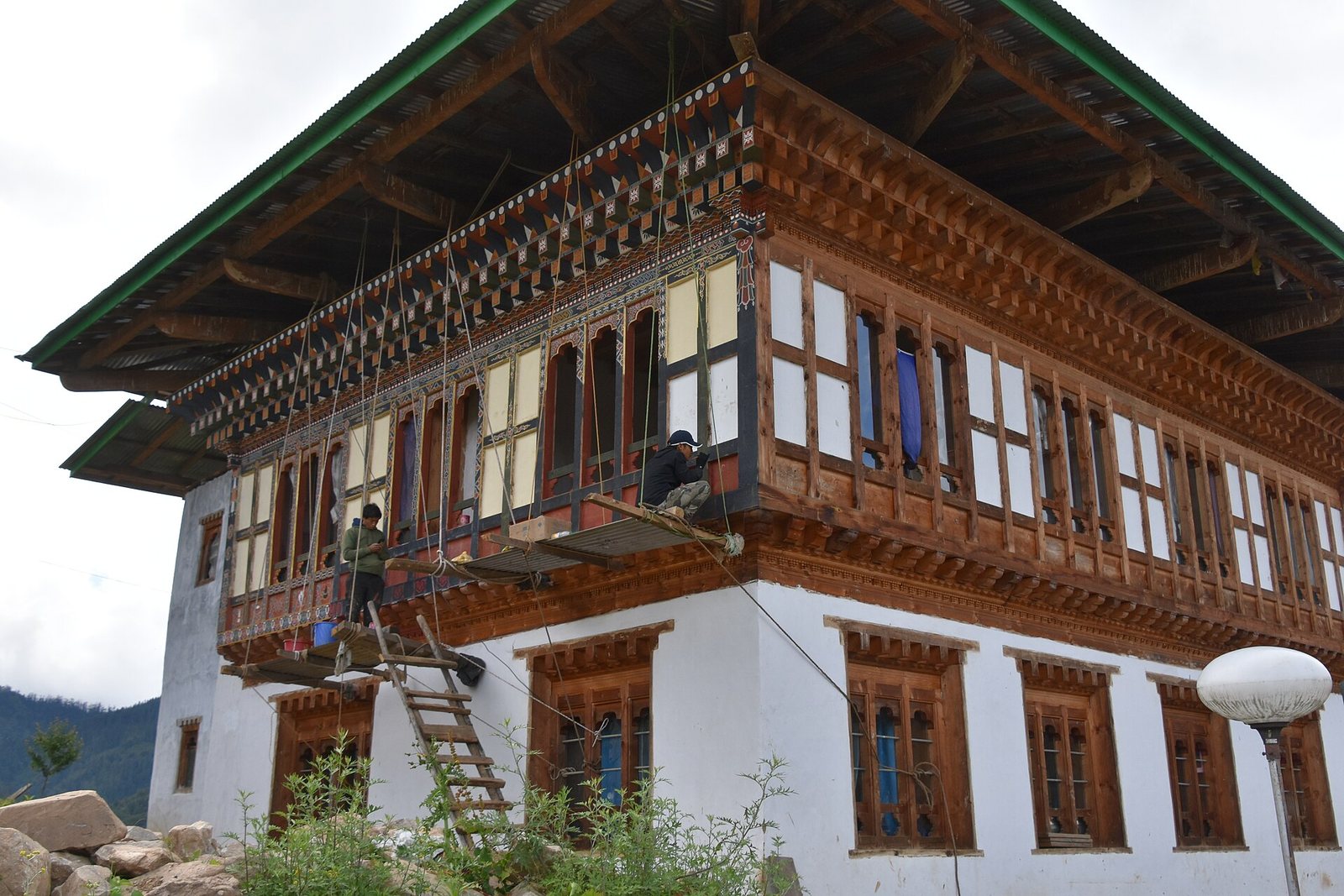
**Gangtey Goenpa**, founded in the seventeenth century, is one of the most important monasteries of the Nyingma school in Bhutan. Its central tower, restored in a long project by local craftsmen, overlooks the whole valley. Monks and village life surround it, and the courtyard hosts the Gangtey Tshechu in autumn.
Walks
The **Gangtey Nature Trail** is one of Bhutan's loveliest short walks: around two hours, mostly downhill, from a mani wall near the monastery through pine forest and meadows to the valley floor, with views of the crane roosts. Longer options include the **Longtey hike** over a ridge from the Lawala pass road, and the multi day **Gangtey Trek** for those with more time.
Farm life
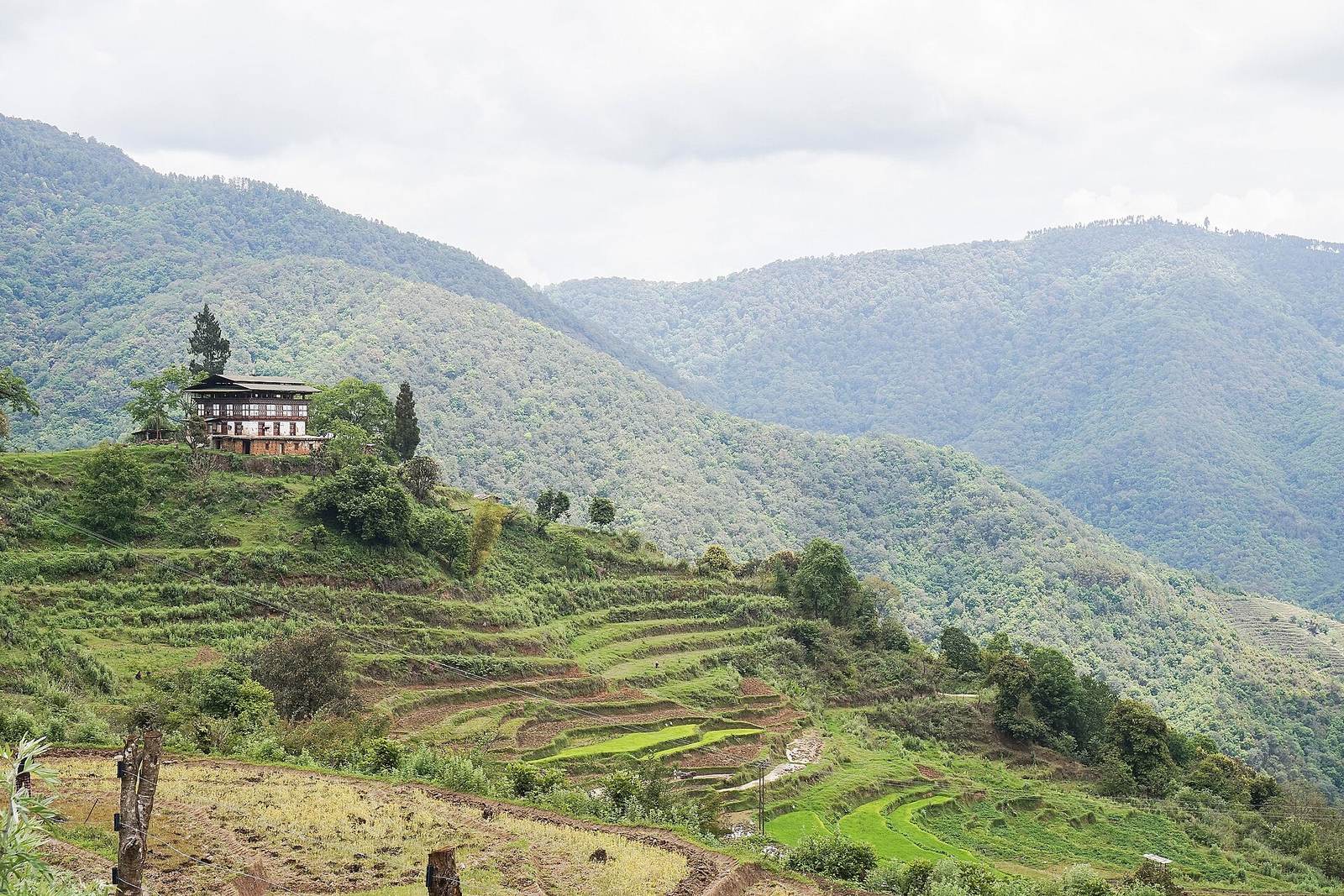
Phobjikha is famous for potatoes and for yaks grazing on the higher slopes. Several farmhouses welcome visitors for a meal, butter tea, ara, the local spirit, or a hot stone bath. Ask your guide about homestays, which are simple but warm, with wood stoves and thick blankets.
Food
Most meals are taken at your lodge or farmhouse, with hearty dishes such as kewa datshi, potatoes in cheese, buckwheat noodles and soups. There are a few simple cafés in Gangtey village.
Where to stay
Choices range from family farmhouses and small lodges near Gangtey village to a couple of high end lodges with sweeping valley views. Nights are cold for much of the year, even when days are sunny, so check that your room has a heater or wood stove. Use Department of Tourism certified stays.
Getting there
Phobjikha lies off the main east to west highway, around three hours from Punakha over the Lawala pass, or a full day from Paro. A licensed guide and vehicle are required. Most travellers stop for one or two nights on the way to Bumthang, or as a peaceful extension after Punakha. Use the free trip planner to plan the drive.
Questions about the Phobjikha Valley
When can I see the black necked cranes?
From around late October to February, sometimes into early March. Mornings and late afternoons are the best times to watch them in the marsh.
Is Phobjikha worth visiting outside crane season?
Yes. Spring brings wildflowers and summer is lush and green, and the nature trail, monastery and farm life are lovely all year, though there are fewer people and more rain in summer.
How cold does Phobjikha get?
Winter nights fall well below freezing and frost covers the valley in the morning. Bring warm layers, a hat and gloves.
How long should I stay?
One night allows the monastery and the nature trail. Two nights gives time for a longer hike and a relaxed farmhouse evening.
Facts checked . Fees, schedules and entry rules change, so always confirm the latest with the official source.