At a glance
- Best for
- Tiger's Nest, temples, farmhouse stays and hiking
- Airport
- Paro International Airport (PBH)
- Time needed
- Two to three days
- Best season
- March to May and September to November
- Altitude
- Around 2,200 metres in the valley
- Festival
- Paro Tshechu in spring
Why go
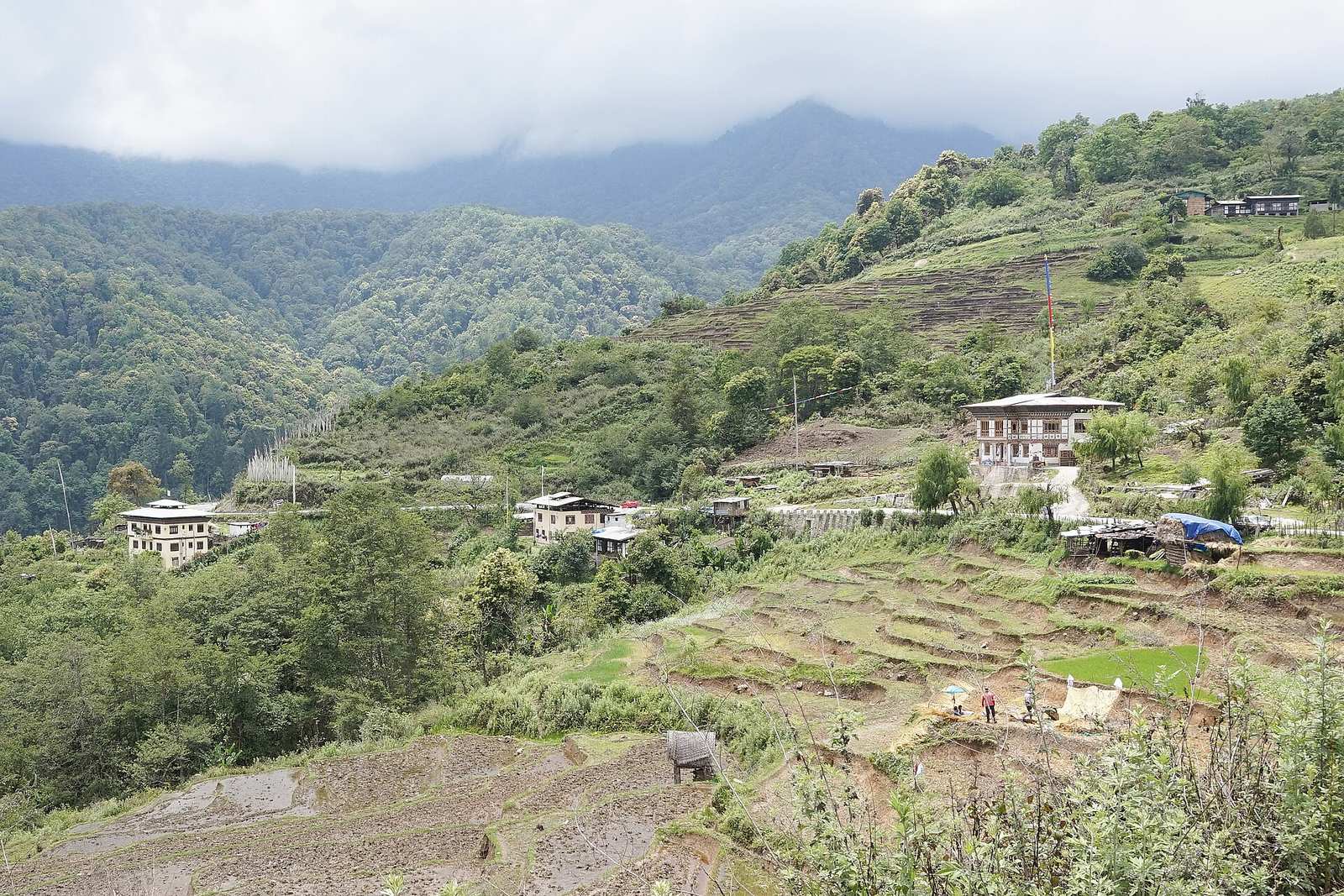
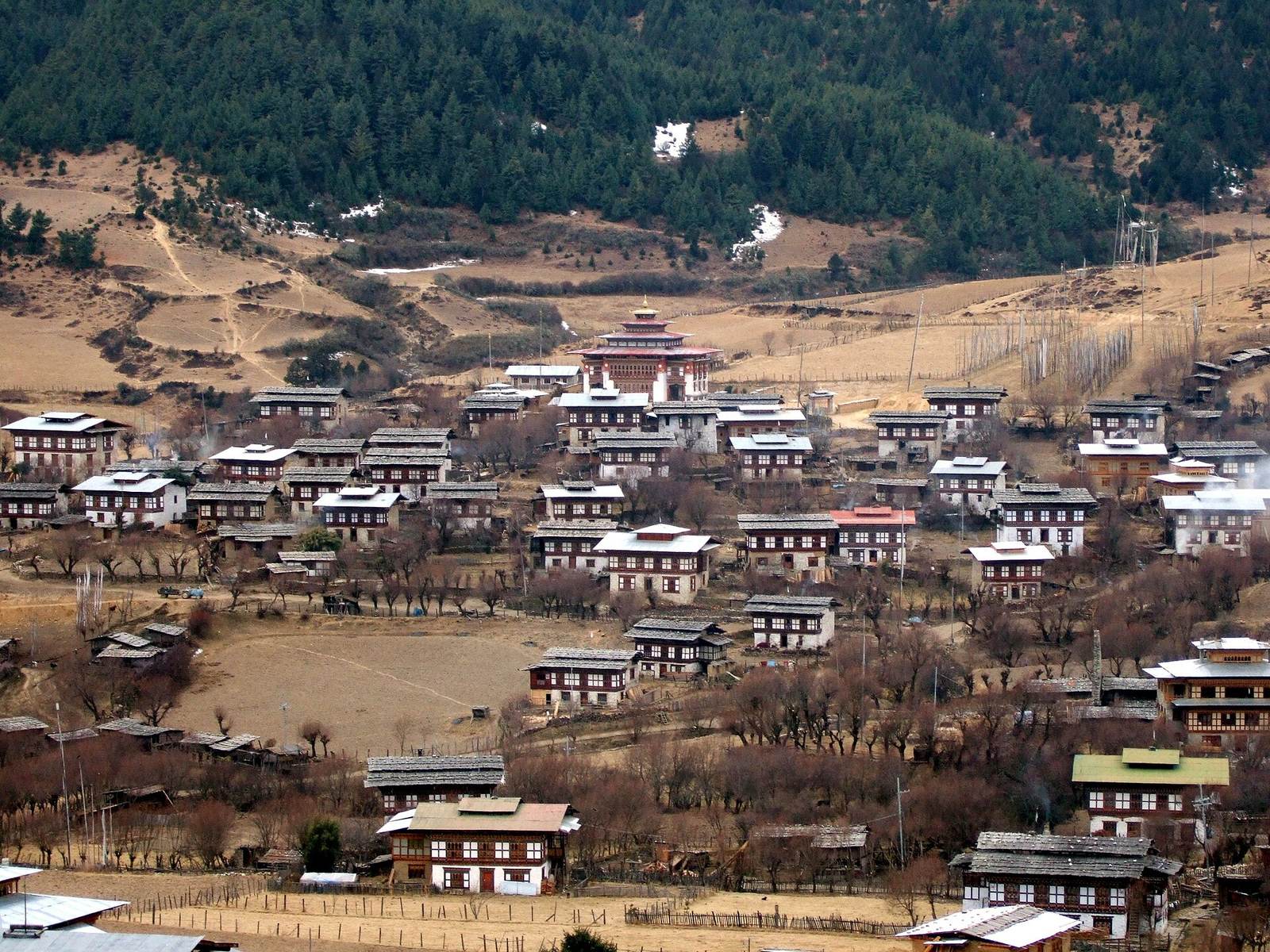
Paro is the most beautiful introduction to Bhutan. The valley is wide and green, the town is a single painted main street, and within half an hour you can visit a seventh century temple, a working fortress monastery and a farmhouse where a family will serve you butter tea. It is also the home of Tiger's Nest, the image on every Bhutan poster, and one of the great day hikes of Asia.
Tiger's Nest
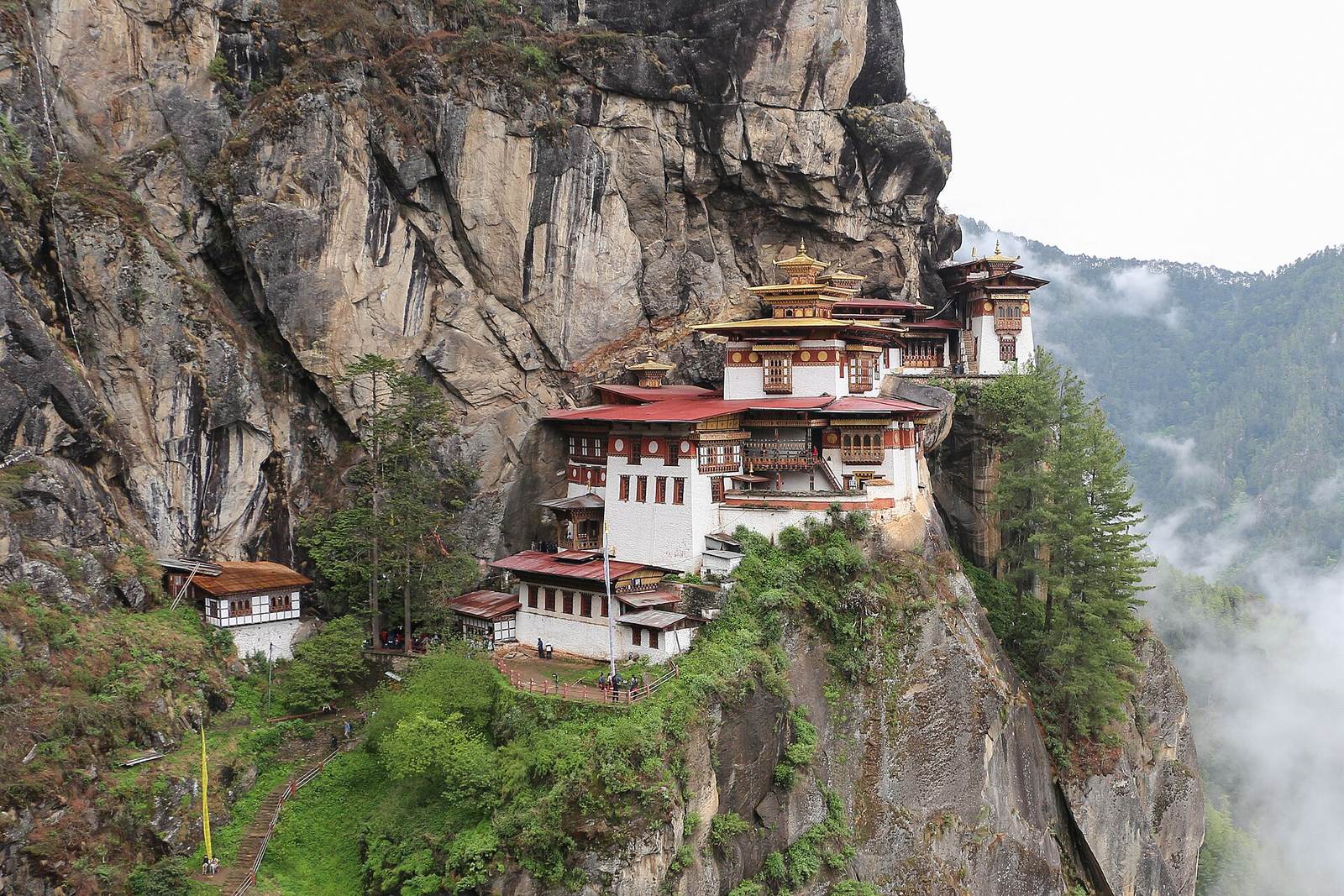
**Paro Taktsang** is built around a cave where Guru Rinpoche, who brought Buddhism to Bhutan, is said to have meditated after flying here on the back of a tigress. The monastery hangs on a cliff around 900 metres above the valley. The hike from the trailhead takes most people two to three hours up and a little less down, through pine forest hung with prayer flags. A cafeteria halfway offers tea and a clear view. Horses can carry you part of the way up, but not down. The final section involves several hundred steps down to a waterfall and up again to the monastery entrance. Bags, cameras and phones are left in lockers at the gate, and you visit the shrines inside with your guide. Start early to avoid the midday heat, and leave the hike until the end of your trip if you can, once you have adjusted to the altitude.
What else to see
**Rinpung Dzong**, the fortress of a heap of jewels, guards the valley above a traditional covered bridge. It is the setting of the spring Paro Tshechu, when masked dances fill the courtyard and a giant thangka is unrolled before dawn on the final day.
Above it, the round watchtower of **Ta Dzong** houses the **National Museum**, with masks, thangkas, weapons and natural history. **Kyichu Lhakhang** is one of the oldest temples in Bhutan, said to be one of 108 built in a single day in the seventh century to pin down a demoness; the orange trees in its courtyard are a quiet delight.
North of town, the ruins of **Drukgyel Dzong**, restored in recent years, stand where the old trade route to Tibet began. On a clear day you can see the sacred peak of Jomolhari behind it. **Dzongdrakha**, a cluster of cliffside temples, is sometimes called the little Tiger's Nest and makes a peaceful short hike.
Experiences
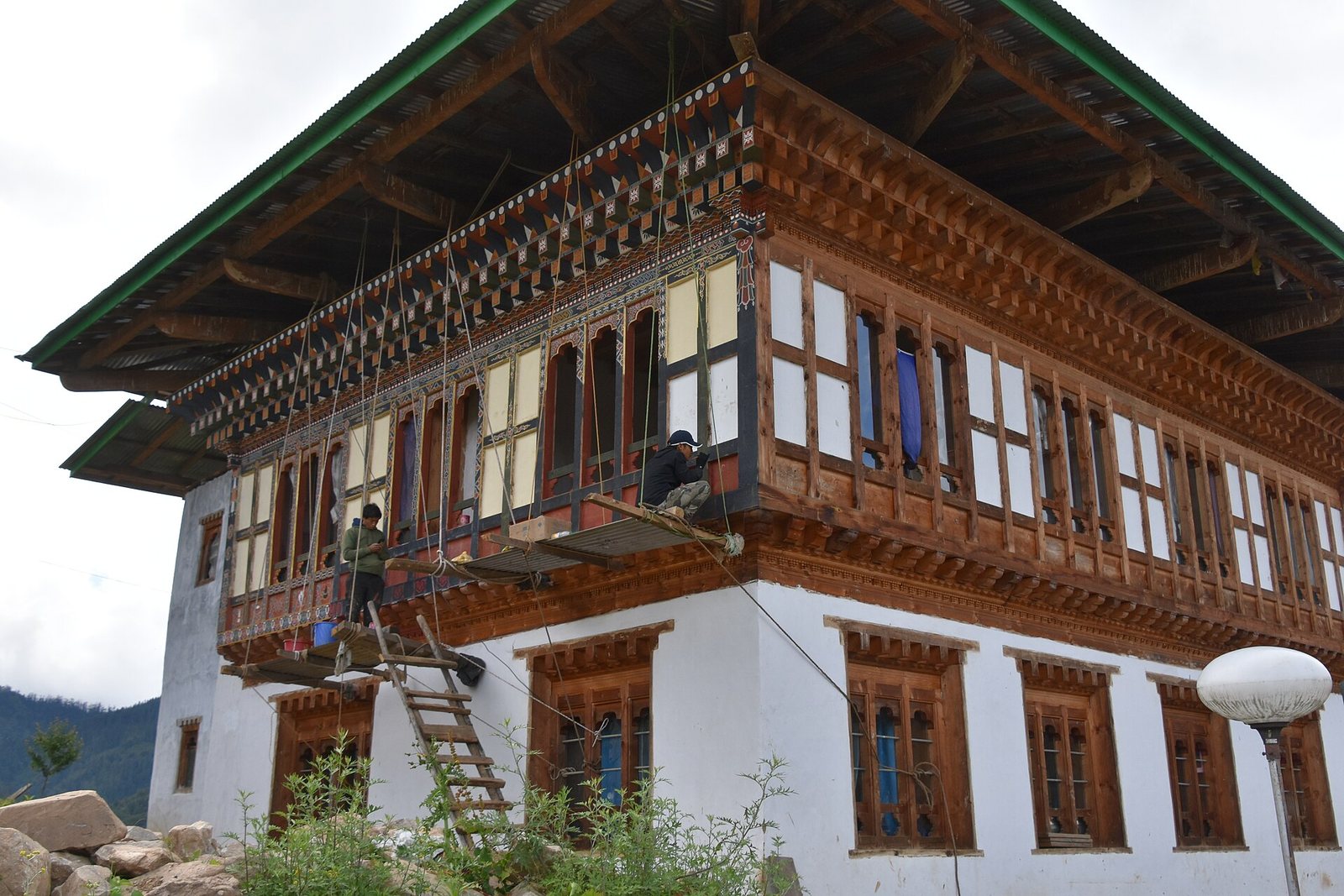
Spend an evening in a **farmhouse**, where you can try a hot stone bath, the dotsho, heated with river stones and infused with herbs. Try your hand at archery, take a cooking lesson, or drive to the **Chele La** pass, one of the highest roads in the country, for views of Jomolhari and the Haa valley in good weather.
Food
Paro's main street has small restaurants serving ema datshi, red rice, buckwheat pancakes and momos, plus cafés and a few bakeries. Many hotels serve set buffet meals; ask for the local dishes, and spice levels can be adjusted.
Where to stay
Paro has the widest range of hotels outside Thimphu, from simple guesthouses in town to farmhouse homestays and some of Bhutan's best known luxury lodges on the valley slopes. Staying near the airport road is convenient for early flights, while stays further up the valley are closer to the Tiger's Nest trailhead. Tourists must use Department of Tourism certified stays.
Getting around
Paro town is walkable, and taxis link the sights. Visitors paying the full fee may explore Paro without a guide, but guides are needed beyond Paro and Thimphu, and for Tiger's Nest many travellers choose one anyway for the stories. Plan your days with the free trip planner and see places to visit for more ideas.
Questions about Paro
How hard is the Tiger's Nest hike?
It is a steady climb of around 500 metres on a good trail, taking most reasonably fit people four to six hours return including the visit. Take it slowly, carry water and rest at the halfway cafeteria.
Can I take photos inside Tiger's Nest?
No. Photography is not allowed inside temples and dzongs in Bhutan, and bags and phones are left at the monastery gate. The best photos are from the viewpoint on the trail.
How many days should I spend in Paro?
Two to three days, usually split between the start and end of your trip. One full day goes to Tiger's Nest.
When is the Paro Tshechu?
The Paro Tshechu is held in spring, usually March or April, on lunar calendar dates. Check the official tourism site for exact dates and book stays early.
Facts checked . Fees, schedules and entry rules change, so always confirm the latest with the official source.