At a glance
- Best for
- Ancient temples, festivals, valley walks and local produce
- Airport
- Bathpalathang domestic airport (BUT)
- Time needed
- Two to three nights
- Best season
- March to May and September to November
- Altitude
- Around 2,600 to 4,000 metres
- Main town
- Jakar in the Chokhor valley
Why go
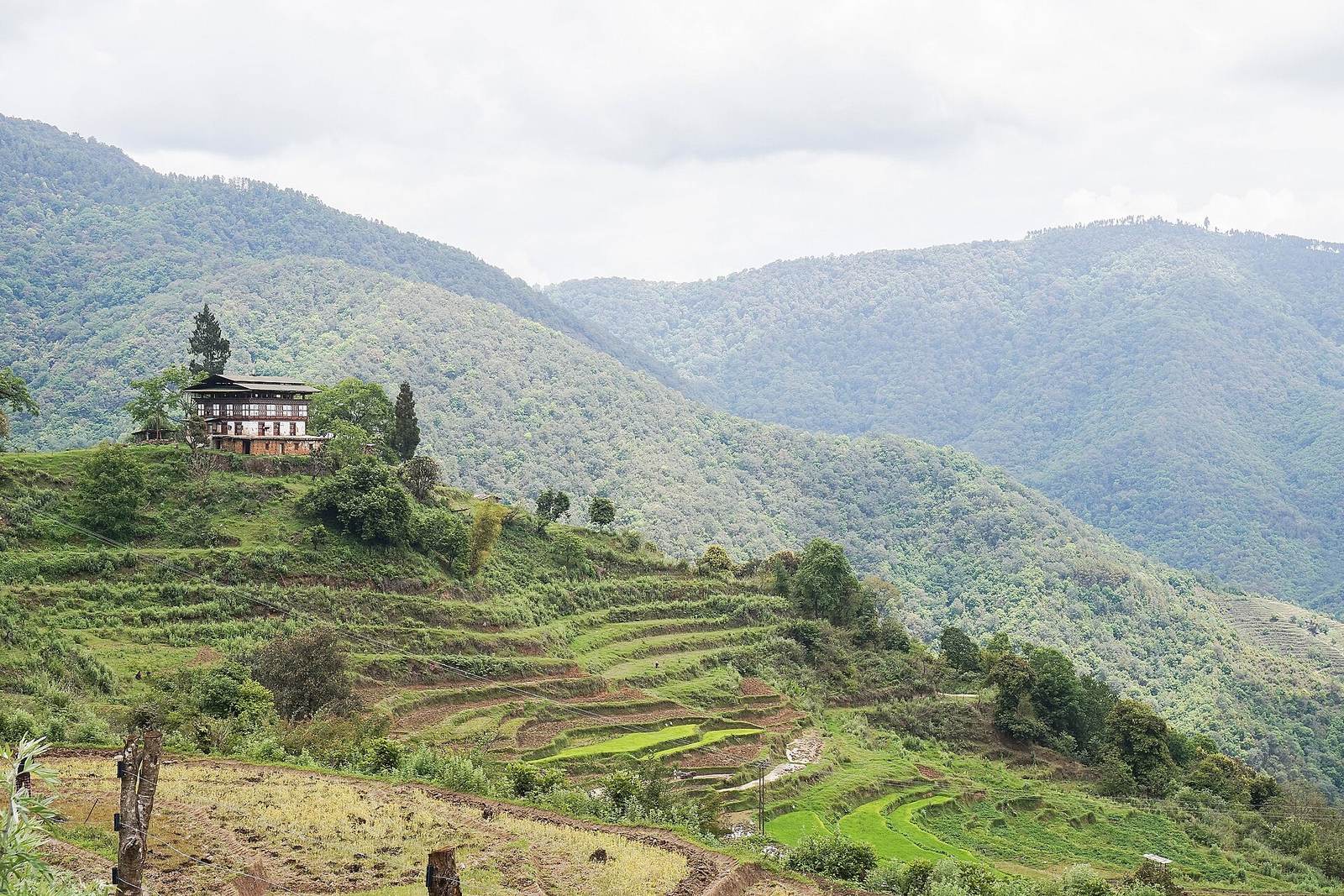
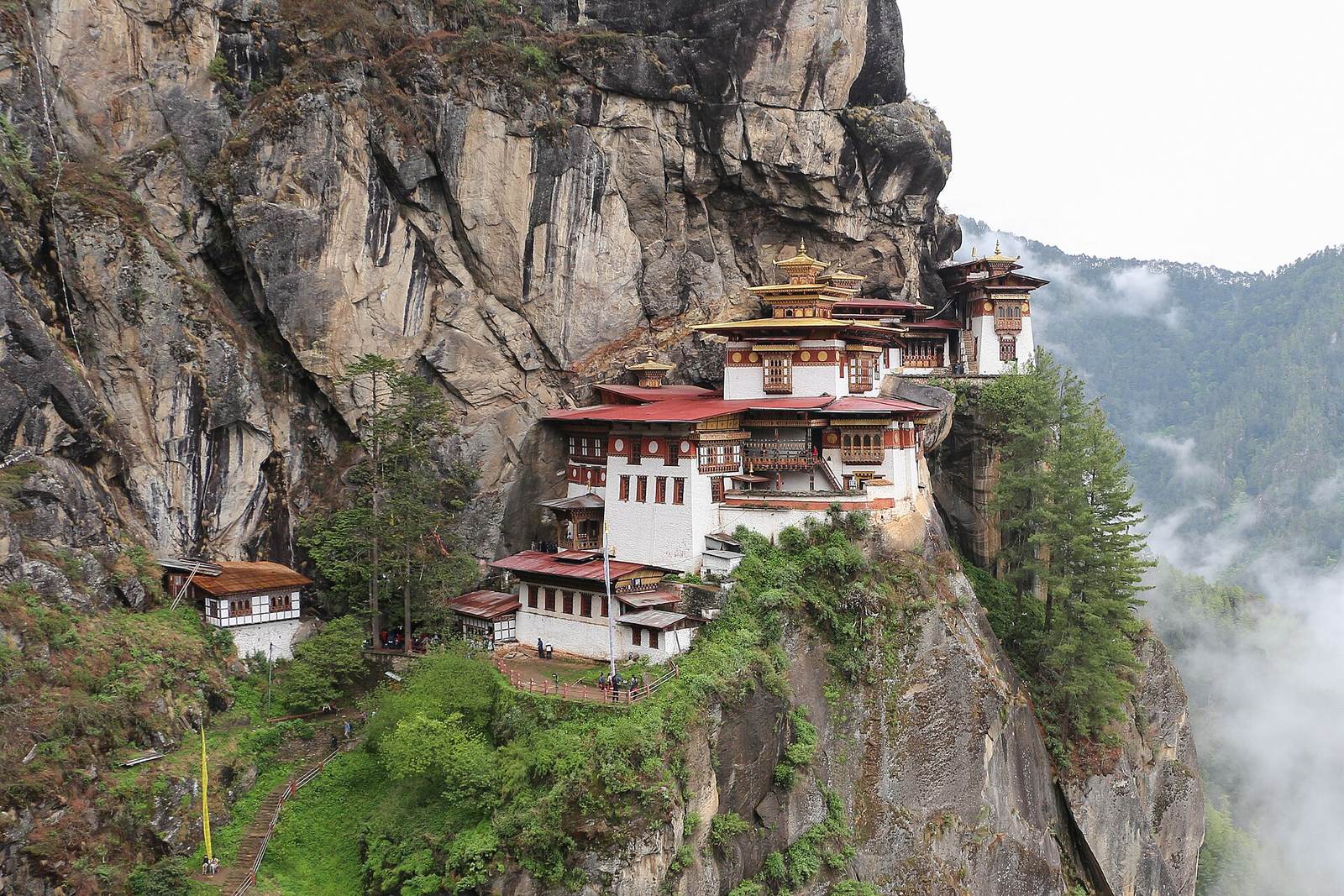
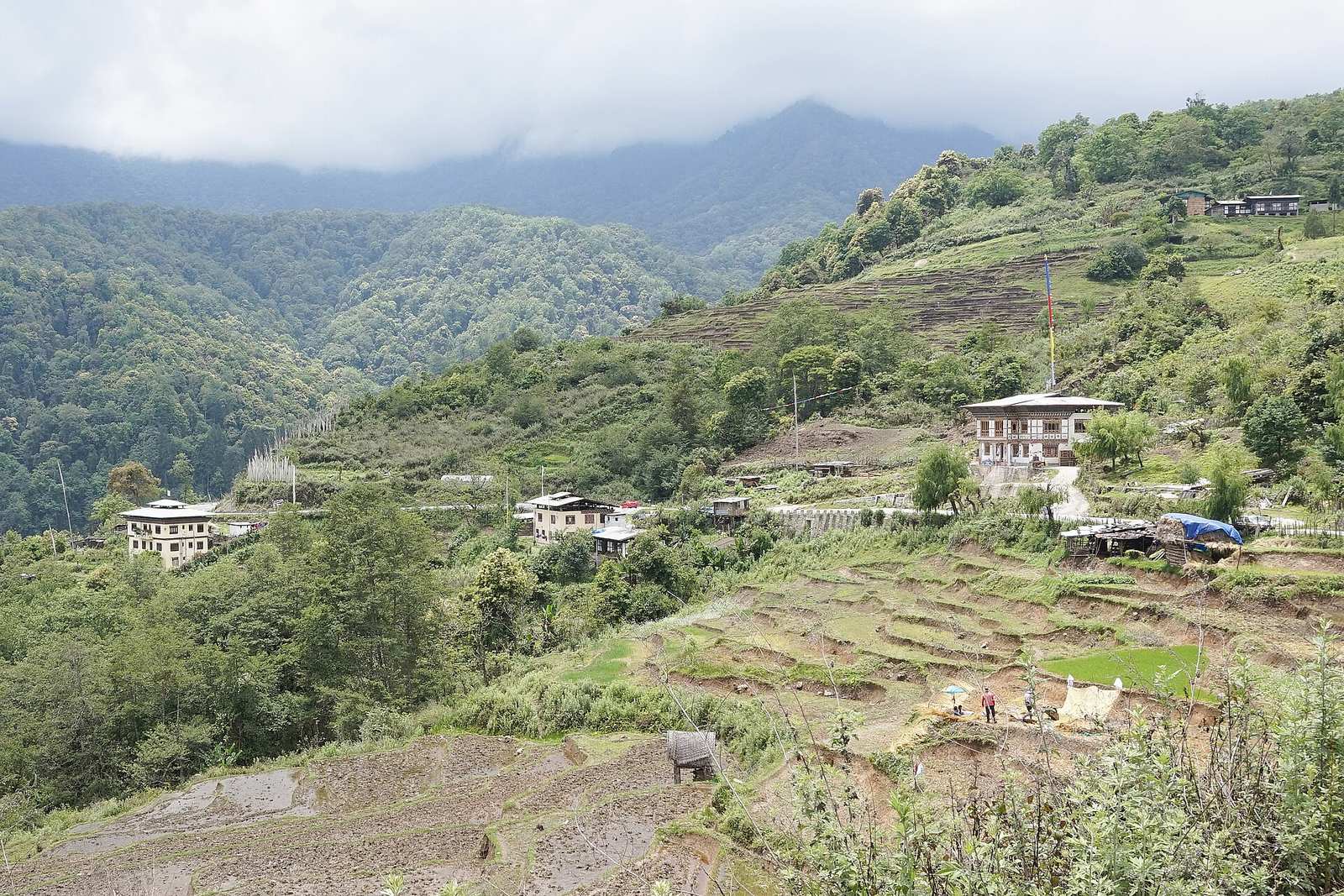
Bumthang is where Bhutan's history and faith feel most alive. Guru Rinpoche meditated here and left his body print in a cave, the treasure revealer Pema Lingpa found sacred texts in a river gorge, and the first kings of modern Bhutan ruled from its palaces. It is also cooler, quieter and more rural than the west, with wide valleys perfect for walking between temples.
The Chokhor valley
**Jambay Lhakhang** is one of the 108 temples said to have been built in a single day in the seventh century. In autumn it hosts the Jambay Lhakhang Drup, famous for its midnight fire blessing and the naked dance. **Kurjey Lhakhang** is a complex of three temples around the cave where Guru Rinpoche left the imprint of his body; it is among the holiest sites in the country. **Jakar Dzong**, the castle of the white bird, sits above the town with fine valley views. **Tamshing Lhakhang**, across the river, was founded by Pema Lingpa and holds some of the oldest wall paintings in Bhutan, and a heavy chain mail coat that pilgrims carry around the inner shrine. **Wangdicholing Palace**, the first royal palace, has been restored as a museum.
The Tang valley
**Mebar Tsho**, the Burning Lake, is a deep pool in a gorge of the Tang river, where Pema Lingpa is said to have dived in holding a butter lamp and emerged with treasure, the lamp still burning. It is a short walk from the road and a sacred spot for Bhutanese pilgrims; take care on the rocks. Further up the valley, **Ogyen Choling Palace** is a family manor turned museum that gives a rare view of aristocratic life.
Ura and Chhume
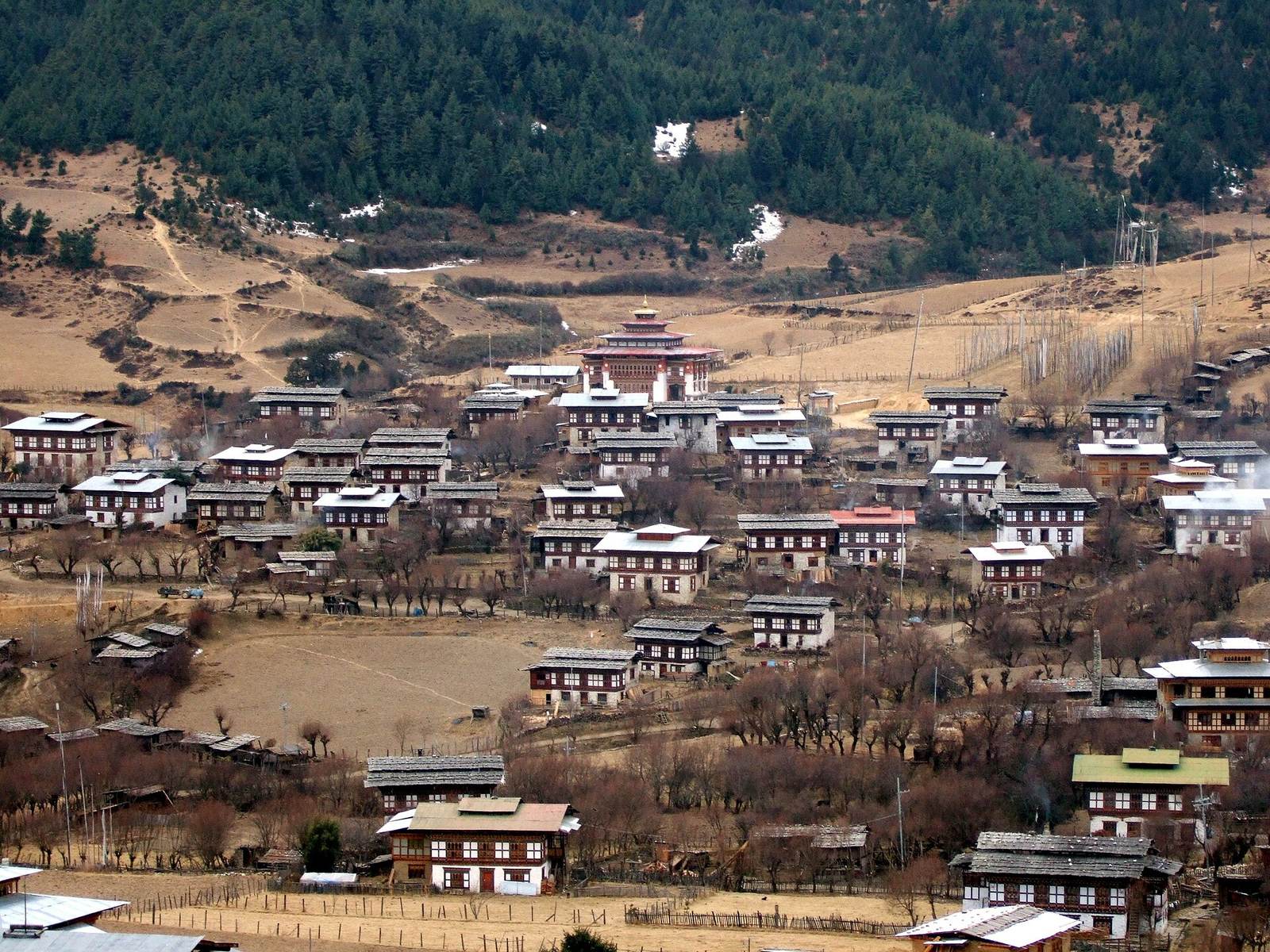
**Ura**, the highest of the valleys, is a village of cobbled lanes and stone houses that holds its own festival in spring. **Chhume** is known for weaving, especially yathra, the colourful wool cloth, and you can watch weavers at work in villages along the road. On the way in from the west, the **Trongsa Dzong** and its watchtower museum, the ancestral seat of the royal family, are worth a stop.
Local produce
Bumthang is famous for food. A Swiss cooperative started in the twentieth century still shapes the valley, with a cheese and a brewery producing **Red Panda**, a local unfiltered wheat beer. You can also find apple juice, apple brandy, honey and buckwheat, which is made into puta noodles and khuli pancakes, the dishes of the district.
Festivals
Bumthang has some of the most atmospheric festivals in Bhutan, including the Jambay Lhakhang Drup and the Prakhar Duchhoed in autumn, the Ura Yakchoe in spring and the Nimalung and Kurjey Tshechus in summer. Dates follow the lunar calendar; check the official tourism site.
Where to stay
Most hotels are in and around Jakar, from family run lodges and farmhouses to a few comfortable and luxury lodges with valley views. Rooms are heated with wood stoves, which feel especially welcome in winter. Use Department of Tourism certified stays.
Getting there
From Punakha or Phobjikha, the drive east crosses the Pele La and Yotong La passes via Trongsa and takes a full day or more. Domestic flights from Paro to Bathpalathang airport take under an hour but can be cancelled in poor weather, so leave a buffer before your international flight. A licensed guide is required. Use the free trip planner to plan the route, and see places to visit for more.
Questions about Bumthang
How do I get to Bumthang?
Either by road via Trongsa, a long but beautiful drive of a day or more from Punakha, or by domestic flight from Paro to Bathpalathang airport. Many travellers drive in and fly out.
How many days do I need in Bumthang?
Two to three nights lets you see the main temples of the Chokhor valley and add the Burning Lake and Tang or Ura.
Can I swim in the Burning Lake?
No. Mebar Tsho is a sacred site and the water is fast, deep and cold. Visit quietly, and take care on the slippery rocks.
Is Bumthang cold?
Yes, especially from November to February, when nights are well below freezing. Spring and autumn are mild and clear.
Facts checked . Fees, schedules and entry rules change, so always confirm the latest with the official source.