At a glance
- Best for
- City life, music, seafood and history
- Airport
- Dr. António Agostinho Neto International Airport (NBJ)
- Time needed
- Three to four days
- Best season
- May to September, the dry cacimbo
- Language
- Portuguese, plus Kimbundu
- Getting around
- Ride-hailing apps and trusted taxis
Why visit Luanda
Luanda is where Angola makes its first impression. It has the international airport, most of the hotels and the best food scene in the country, and it gives you a quick sense of how music, Portuguese heritage and a turbulent history shape modern Angola. Few Western tourists come, so you will often be the only visitor at a museum or viewpoint.
The Marginal and the Baixa
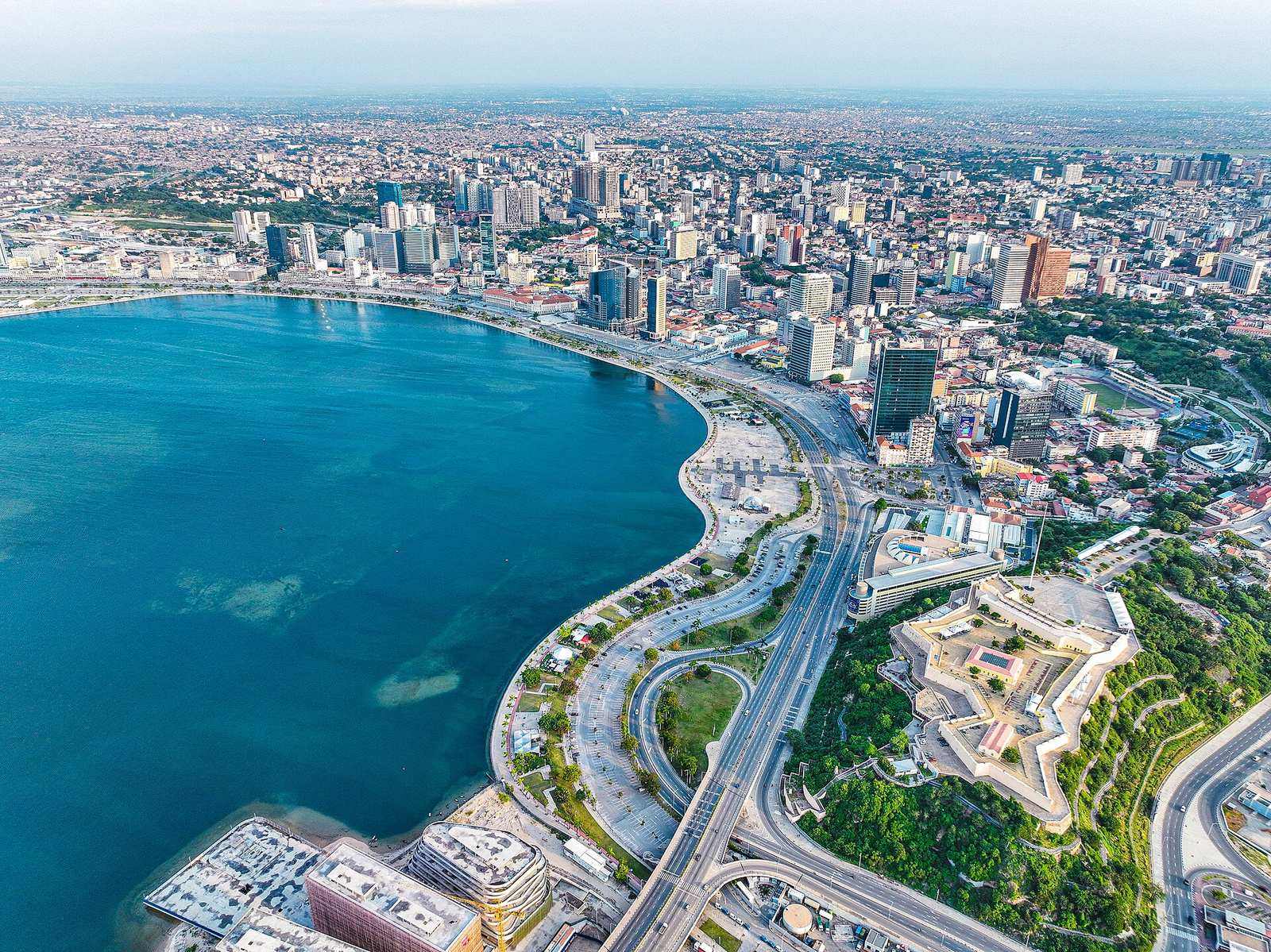
The Avenida 4 de Fevereiro, better known as the Marginal, is a palm lined seafront promenade rebuilt in the 2010s. It is the city's living room in the late afternoon, with joggers, families and couples watching the sun set over the bay. Behind it, the Baixa (lower town) holds pink and ochre colonial buildings, the Palácio de Ferro, an iron building often linked to the workshop of Gustave Eiffel, and the National Bank building with its tiled facade.
Fortress of São Miguel
On a hill above the bay, the Portuguese fortress dates from the 1570s and now houses the Museum of the Armed Forces. The azulejo tile panels inside tell the colonial story, and the views over the city and Ilha are the best in town. Go in the morning when it is cooler.
The Ilha and Mussulo
The Ilha de Luanda is a long sandspit lined with beach clubs, seafood restaurants and bars. It is the place for grilled fish, a cold Cuca beer and live music at weekends. For quieter sand, take a boat from the Ramiros or Museu da Escravatura area across to the Mussulo peninsula, where weekend houses and simple beach restaurants face calm lagoon water.
History and culture
The National Museum of Slavery, about half an hour south of the centre at Morro da Cruz, sits in a chapel where enslaved people were baptised before being shipped to Brazil. It is small but deeply moving. The Agostinho Neto Mausoleum, a tall concrete spire, honours Angola's first president. The National Museum of Anthropology in the centre holds masks, instruments and everyday objects from across the country.
Day trips
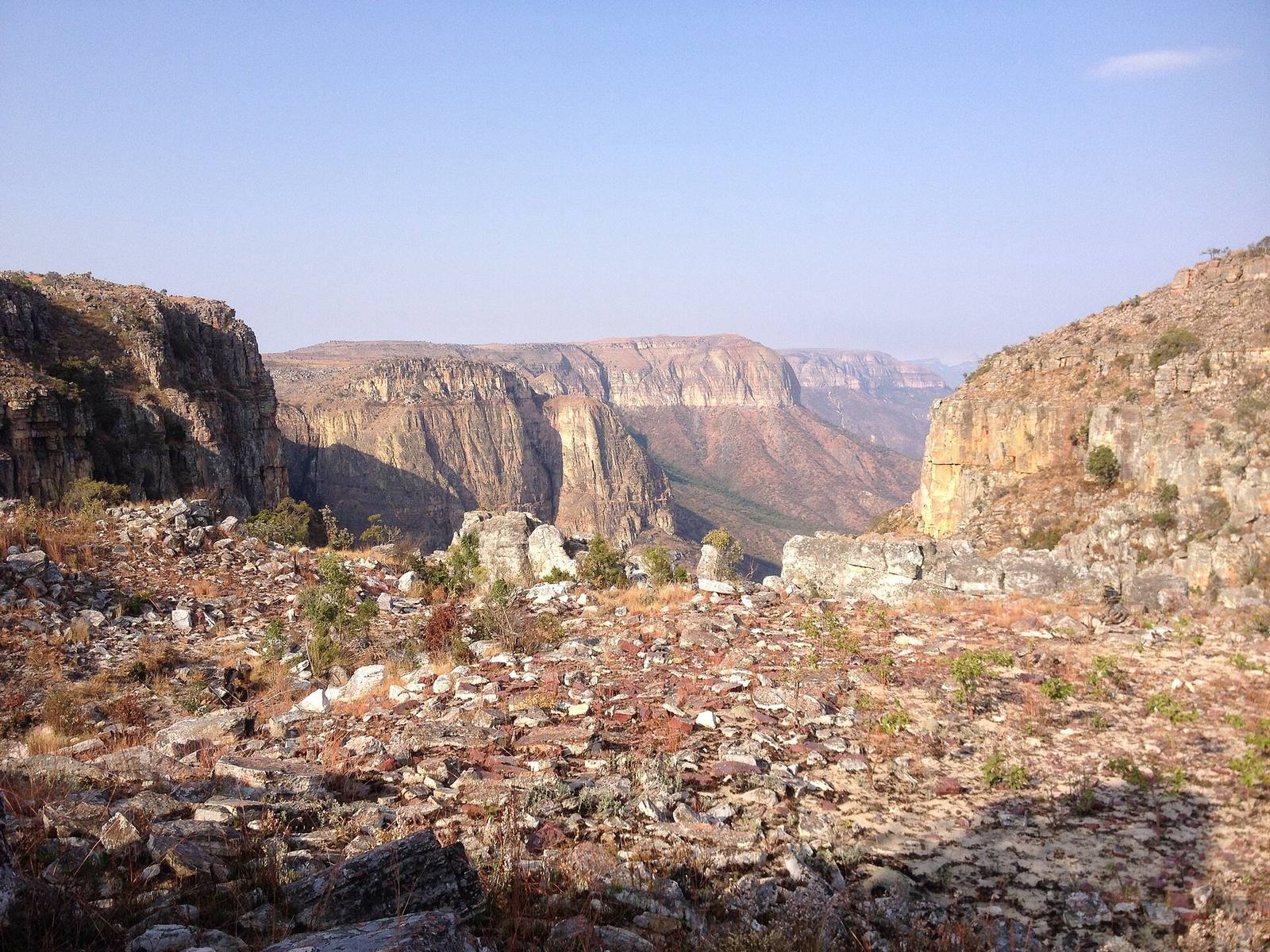
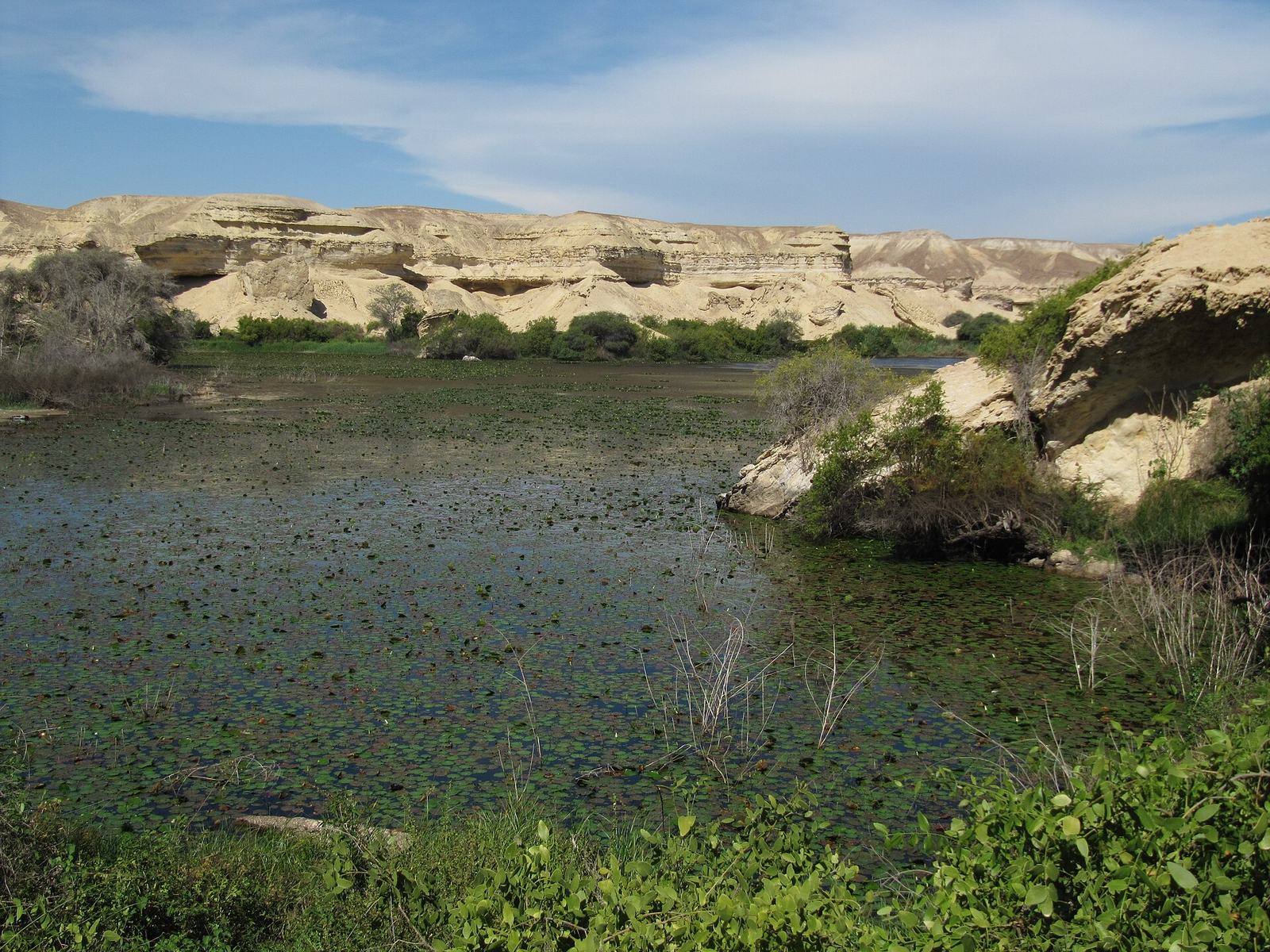
Drive south along the coast to the Miradouro da Lua, a viewpoint over eroded red and cream cliffs that look like a moonscape. Further on lies Kissama (Quiçama) National Park, where elephants and antelope were brought back after the war. Both are easy day trips from the city with a trusted driver or organised tour.
Food and nightlife
Try muamba de galinha (chicken in palm oil sauce), calulu (dried fish stew with greens) and funje, the cassava staple served with almost everything. Talatona and Ilha have the most polished restaurants, while the city's music bars come alive late at night with semba and kizomba. Friday and Saturday are the big nights.
Where to stay
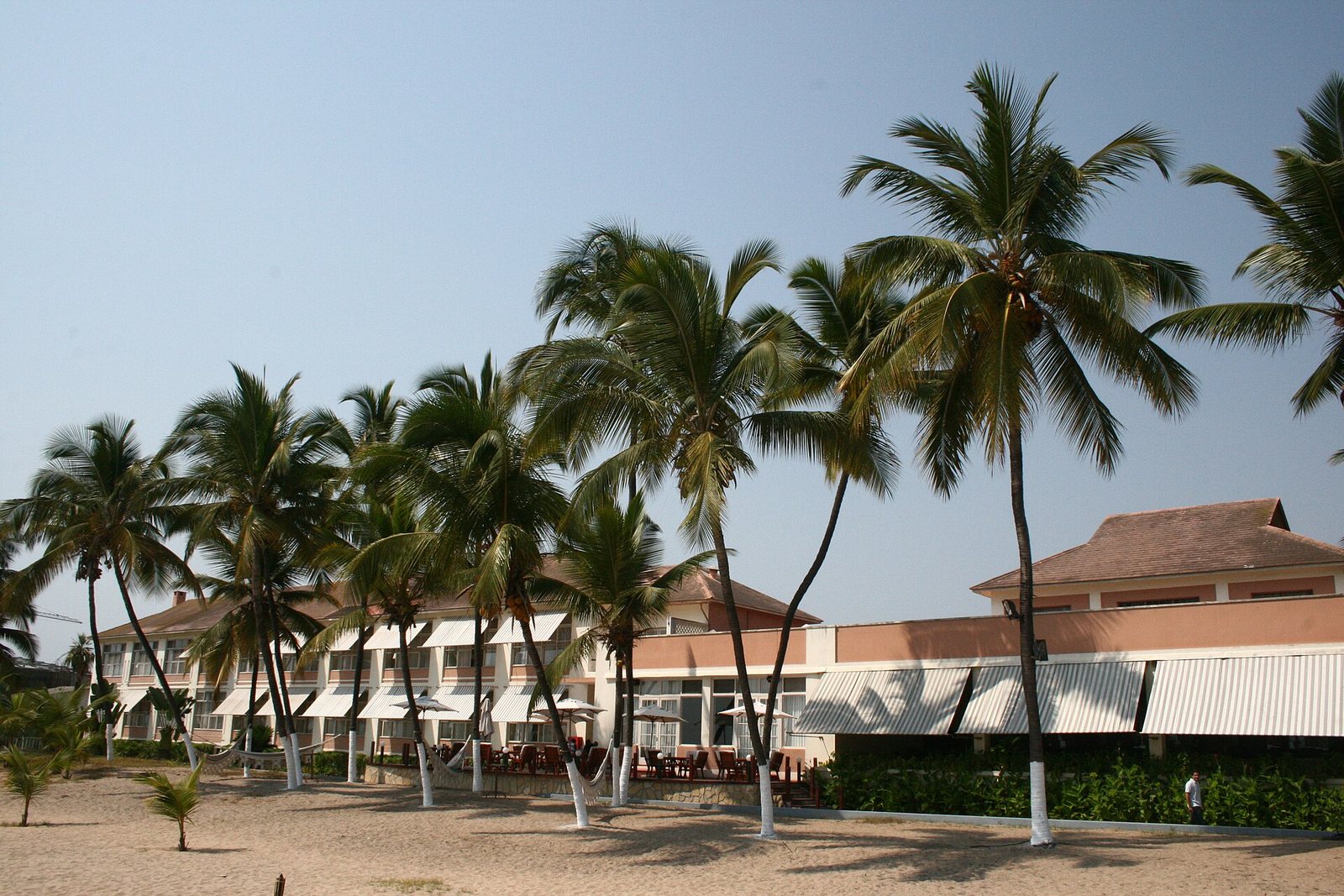
The Baixa and the Marginal put you near the sights. Talatona, to the south, has newer hotels, the Belas shopping centre and the convention centre, and is where many business travellers stay. Ilha is fun for beach lovers but busy at weekends.
Safety and getting around
Street crime and phone snatching are a real problem in Luanda, especially after dark. Do not walk with your phone out, avoid walking at night, and use ride-hailing apps such as Yango or Heetch rather than flagging cars. The blue and white candongueiro minibuses are cheap but crowded and not recommended for first-timers. Traffic is heavy, so allow plenty of time, especially for the new airport, which is well outside the city.
Questions about Luanda
Is Luanda safe for tourists?
Luanda is manageable with sensible precautions. Muggings and phone snatching happen, so keep valuables out of sight, avoid walking after dark and use app-based rides or hotel transport. The Marginal and Ilha are busy and fine in daylight.
Where should first-timers stay in Luanda?
The Marginal and Baixa are central and close to the sights. Talatona is newer, calmer and close to the shopping malls, but further from the old city. Book somewhere with secure parking and reliable generators.
Is Luanda expensive?
It has a reputation as one of the world's most expensive cities, and imported goods and international hotels can be costly. Local restaurants, markets and guesthouses are far more affordable than the headline hotels suggest.
How far is the new airport from central Luanda?
The new international airport lies roughly forty kilometres south east of the centre, and traffic can make the drive slow. Allow at least an hour and a half at busy times, and confirm your airline's terminal before you travel.
Facts checked . Fees, schedules and entry rules change, so always confirm the latest with the official source.