At a glance
- Best for
- Desert landscapes, wildlife and empty beaches
- Airport
- Namibe Yuri Gagarin Airport (MSZ)
- Time needed
- Three to four days
- Best season
- May to October
- Language
- Portuguese
- Getting around
- 4x4 with an experienced guide
Why visit Namibe
Few places in Africa feel as empty and dramatic as Angola's southern coast. It is the kind of landscape people travel to Namibia for, but with almost no other visitors. Namibe is best for travellers who are happy with simple facilities in exchange for vast skies and silence.
Moçâmedes town
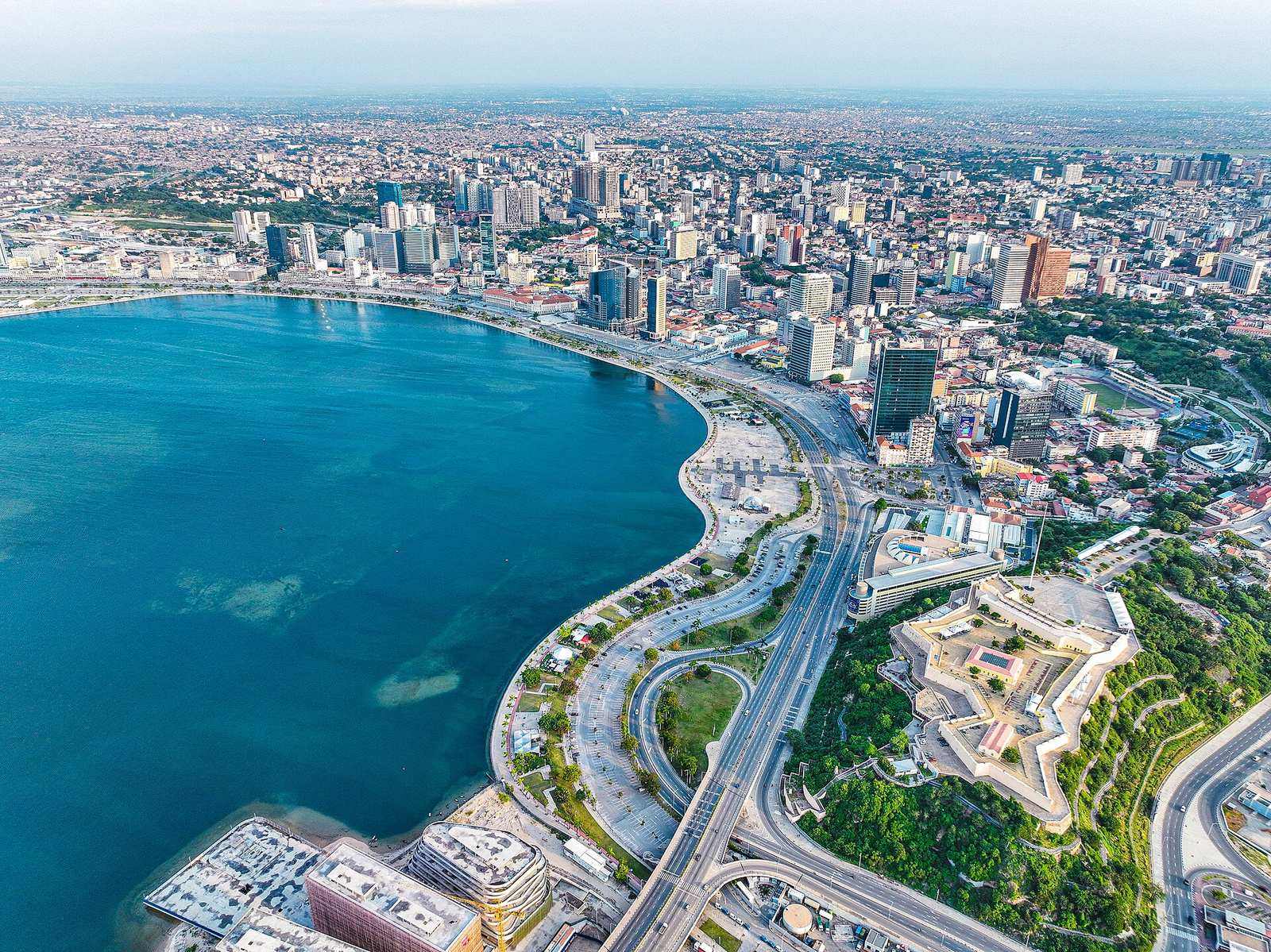
The town has a pleasant seafront, colonial buildings and a small fortress, the Fortaleza de São Fernando. Fishing boats unload on the beach, and seafood is fresh and simple. It is a good base for day trips and a place to slow down after the drive from Lubango.
Welwitschia mirabilis
The welwitschia is one of the strangest plants on earth: just two long leaves that grow continuously and shred in the wind, sometimes for well over a thousand years. Large stands grow in the desert south and east of town, especially on the way to Iona. Look but do not touch, and keep vehicles on existing tracks.
Arco and the canyons
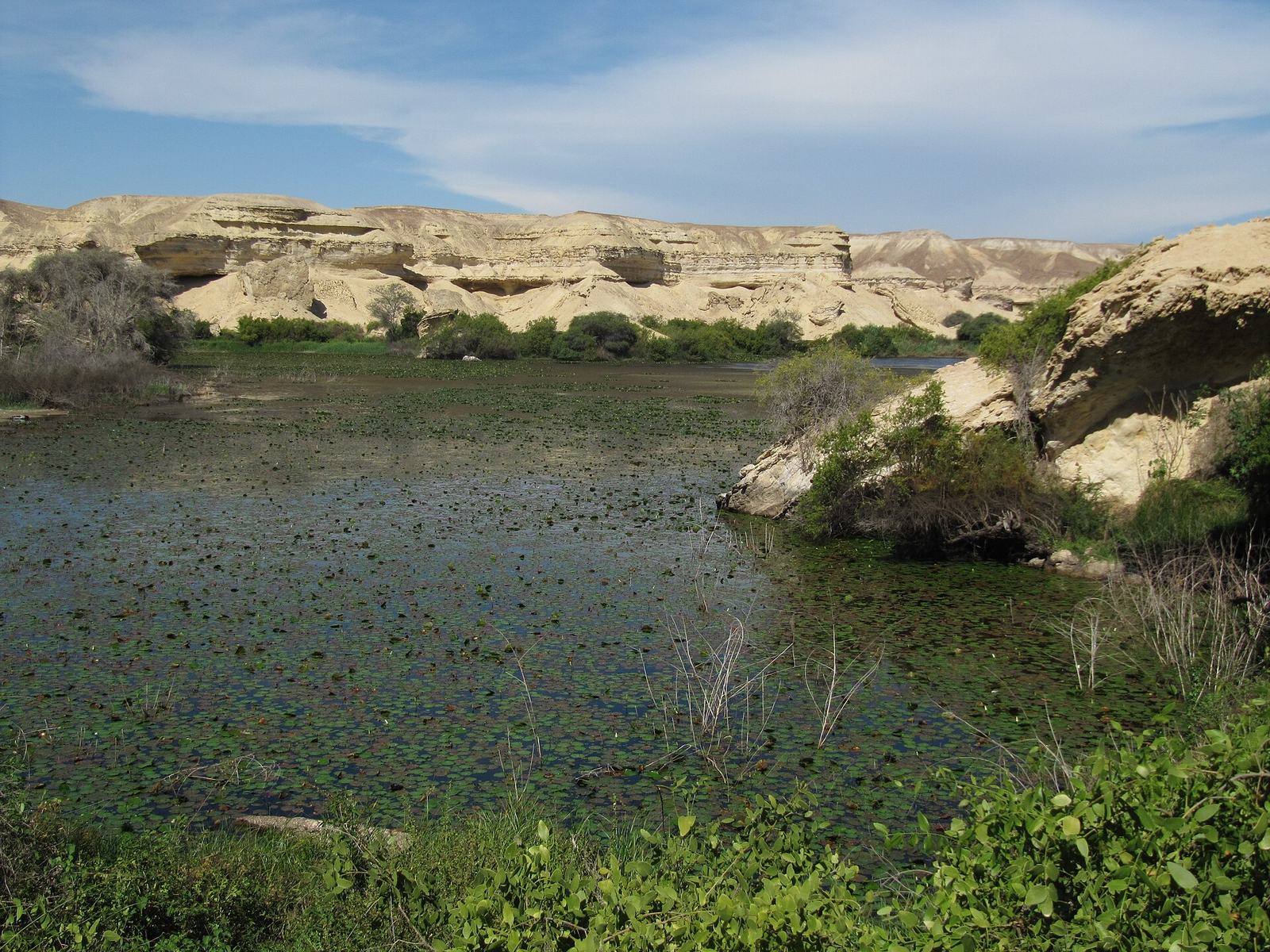
Arco is a freshwater lagoon framed by an eroded rock arch, an hour or so south of town on desert tracks. Nearby canyons and the white cliffs of the Deserto do Namibe are spectacular at sunrise and sunset. You need a 4x4 and someone who knows the tracks, as there is no signage.
Iona National Park
Angola's largest national park runs south to the Cunene River and the Namibian border. It protects dunes, gravel plains, mountains and coastline, with oryx, springbok, ostrich and, rarely, cheetah and brown hyena. The Himba and other pastoral peoples live in and around the park. Facilities are minimal; travel with an experienced operator, carry fuel, water and spares, and expect to camp.
Tombwa and the coast
The fishing town of Tombwa (Tômbua) lies on a bay south of Moçâmedes, with the Curoca river and dunes nearby. Further south, the dunes run straight into the Atlantic. Swimming is risky on open beaches because of strong currents.
Getting there
Most people fly to Lubango and drive down Serra da Leba to Moçâmedes in about three hours. There are also some flights from Luanda to Namibe's own airport. The town is small enough to explore on foot or by taxi, but anything beyond it needs a 4x4 and a guide.
Where to stay
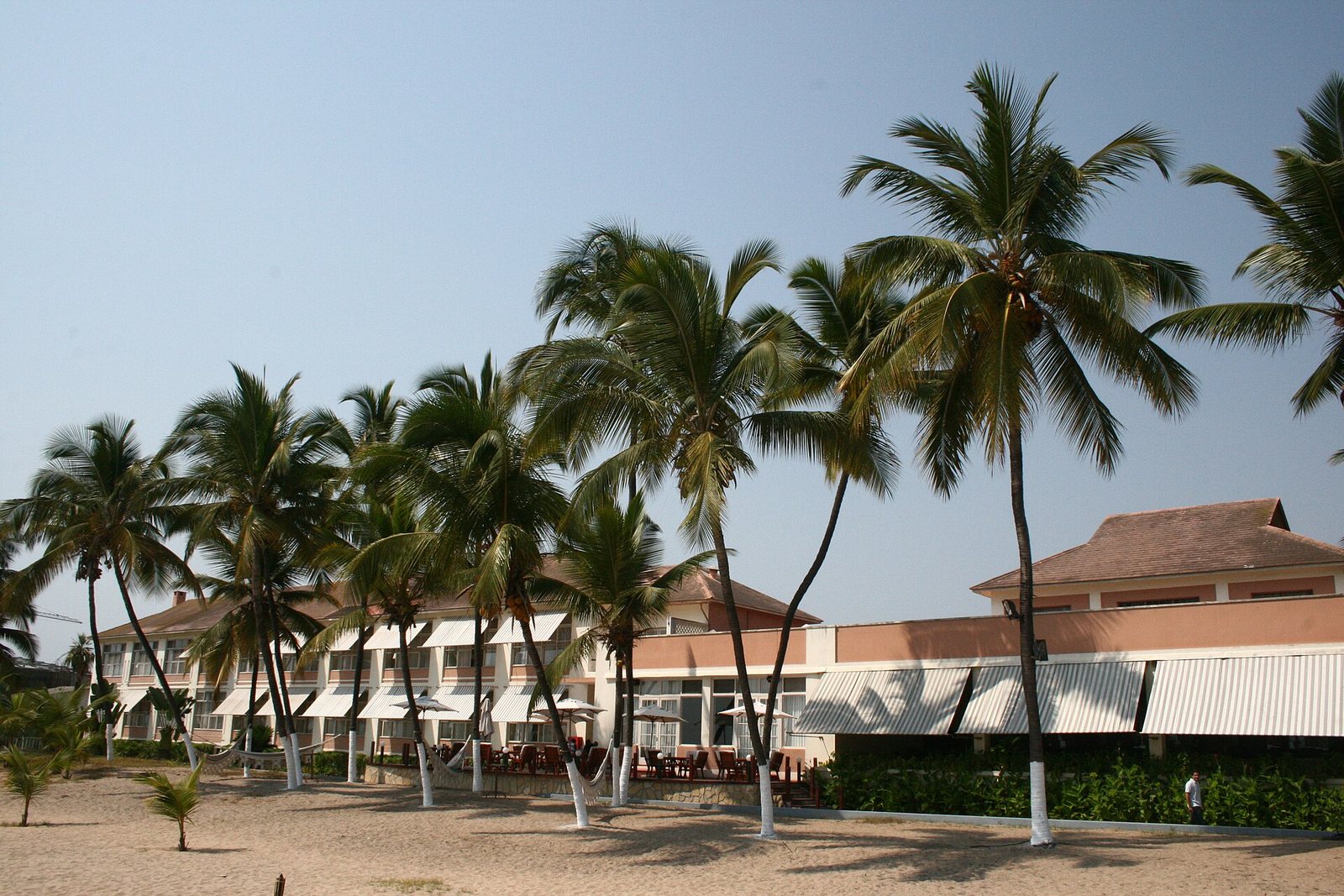
Moçâmedes has a handful of mid-range hotels and guesthouses. In the desert and Iona, options are tented camps, simple lodges and wild camping arranged by operators.
Tips for your visit
Carry more water than you think you need, plus sun protection, a warm layer for cold desert nights and a torch. Mobile coverage disappears quickly outside town, so tell someone your plans. Respect the welwitschia and the local communities: ask before photographing people and never drive off established tracks. Fuel up in Moçâmedes before every desert trip, because there are no fuel stations in Iona. The cold Atlantic brings morning fog to the coast, which usually burns off by late morning. Plan at least one sunset in the dunes, when the colours of the desert are at their most beautiful.
Questions about Namibe
Do I need a 4x4 in Namibe?
For the town, no. For the welwitschia fields, Arco, the dunes and Iona National Park, yes, and ideally with a guide, as tracks are unmarked and help is far away.
Can I see wildlife in Iona National Park?
Yes, mainly desert adapted species such as oryx, springbok and ostrich. Numbers are lower than in the big safari parks of southern Africa, but the landscapes are extraordinary.
Is the sea safe for swimming in Namibe?
The Atlantic here is cold and currents can be strong on open beaches. Swim only in sheltered spots locals use, and never alone.
How do I get from Lubango to Namibe?
The paved road down Serra da Leba takes around three hours. Drive in daylight and stop at the viewpoint at the top of the pass.
Facts checked . Fees, schedules and entry rules change, so always confirm the latest with the official source.