At a glance
- Best for
- Viewpoints, road trips and cool weather
- Airport
- Lubango Mukanka Airport (SDD)
- Time needed
- Two to three days
- Best season
- May to October
- Language
- Portuguese, plus Nyaneka and Umbundu
- Getting around
- Taxis and hired drivers
Why visit Lubango
Lubango feels very different from Luanda. The air is fresh, the streets are calmer, and there are mountains on every side. It makes a pleasant break and is the gateway to the south, from the Namibe desert to the cattle herding Mumuila and Himba peoples of Huíla and Cunene.
Cristo Rei
On a hill above the city stands a white statue of Christ with open arms, modelled on the one in Lisbon. The views over Lubango and the plateau are excellent, especially late in the afternoon. You can drive or take a taxi up.
Tundavala gap
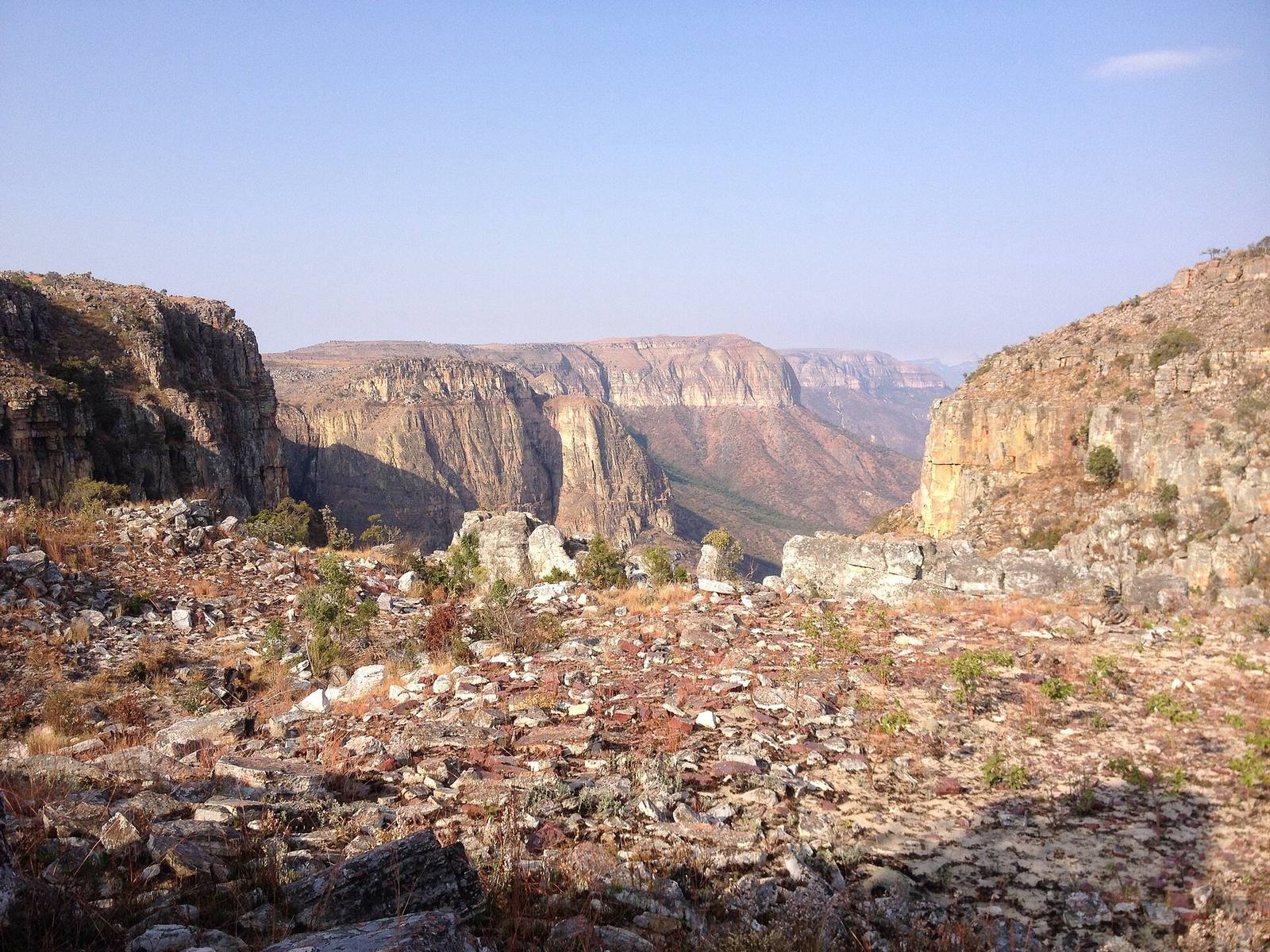
About twenty kilometres from the city, the plateau ends suddenly at the Fenda da Tundavala, a cleft in the escarpment where the land drops more than a kilometre to the plains below. On clear mornings you can see a very long way towards the coast. There are no barriers along much of the edge, so take care, and go early before mist or haze rolls in.
Serra da Leba
The road from Lubango down to Namibe drops off the plateau at Serra da Leba in a series of tight hairpin bends that look spectacular from the viewpoint at the top. It is the most photographed road in Angola. Stop at the miradouro, then drive down carefully: the bends are steep and lorries are slow. Most people combine it with a trip to Namibe.
Around the city
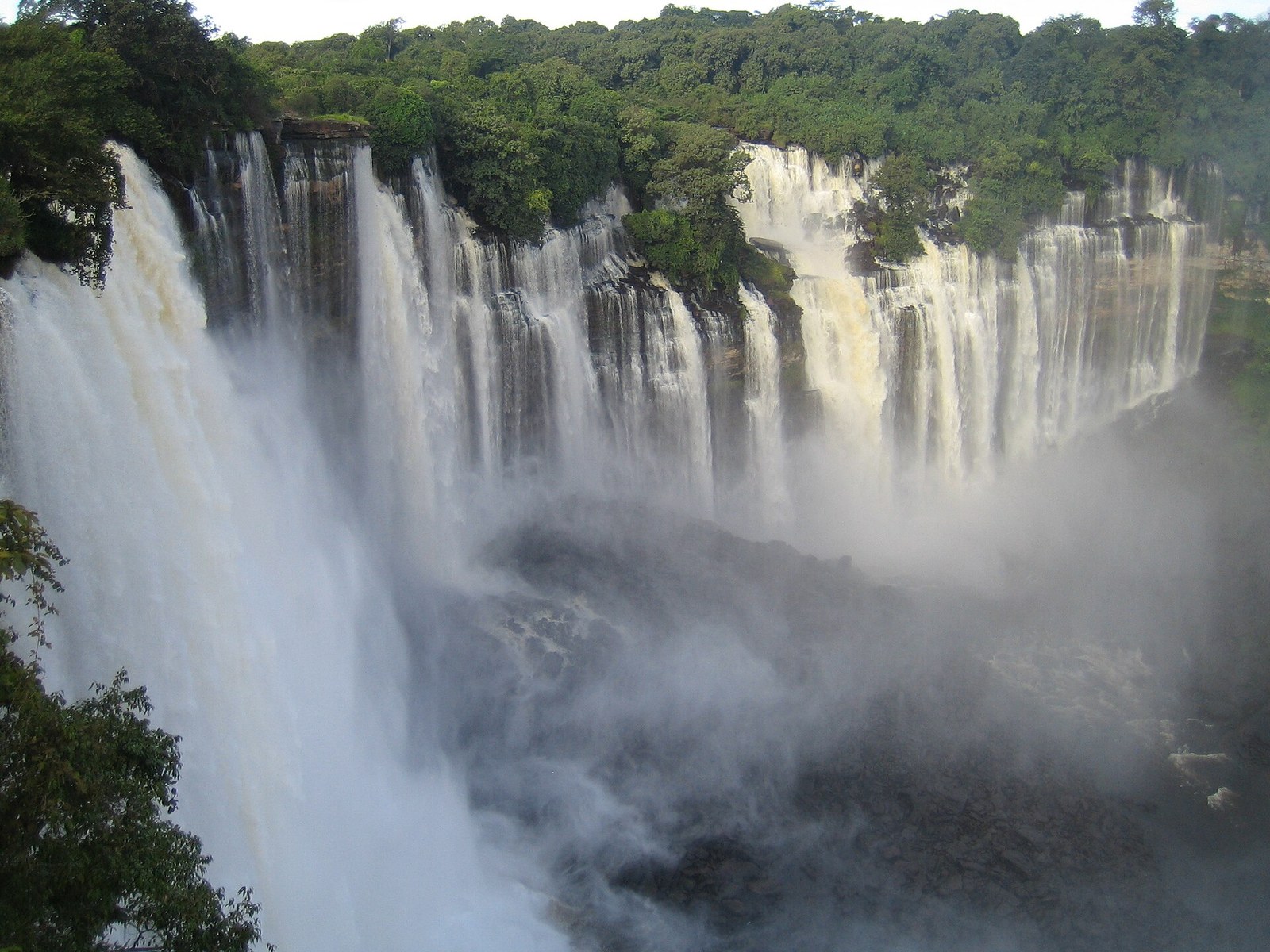
The Senhora do Monte area has a small chapel and park on a wooded hillside, and is where locals go at weekends. The Huíla market and the city centre's colonial buildings make for an easy wander. Further out, the Cascata da Huíla waterfall is pretty after the rains.
Meeting the Mumuila
The Mumuila (Mwila) people of the Huíla province are known for their elaborate hairstyles and beaded necklaces. Some local guides arrange respectful visits to rural markets, such as Chibia or the weekly markets around the province. Always ask before taking photos, go with a guide who knows the community and avoid anything that feels like a staged show.
Food
Highland cooking leans on meat, maize and beans. Try grilled goat or beef, chicken muamba and local cheeses. The cooler climate also suits a warming plate of feijão (beans) with palm oil.
Getting there
Domestic flights link Luanda and Lubango in under two hours. By road, Lubango is a long day from Benguela. To reach Namibe, the drive down Serra da Leba takes around three hours.
Where to stay
Central Lubango has a handful of comfortable hotels and guesthouses, most of them modest. Book ahead in July and August, when Angolans on holiday come for the cooler weather.
Tips for your visit
Go to Tundavala and Serra da Leba early in the morning for the clearest views, as haze and cloud often build by midday. Carry cash, a warm layer and water. If you plan to continue to Namibe, leave Lubango by mid morning so you reach the coast in daylight. Lubango is calmer than Luanda, but the usual precautions apply at night. A local guide makes the rural markets and viewpoints more rewarding and helps with directions, since signs are few.
Questions about Lubango
Is Lubango cold?
Nights can be chilly from June to August, sometimes close to freezing on clear nights, so bring a warm layer. Days are usually mild and sunny.
Can I drive Serra da Leba myself?
The road is paved, but the bends are tight and lorries are slow. Many visitors prefer to travel with an experienced local driver. Always drive in daylight.
Is Tundavala safe to visit?
Yes, but there are few railings along the edge and the drop is sheer. Keep children close, stay back from the rim and go in daylight.
How long do I need in Lubango?
Two days covers Cristo Rei, Tundavala and Serra da Leba. Add another if you want to visit rural markets or continue to Namibe.
Facts checked . Fees, schedules and entry rules change, so always confirm the latest with the official source.