At a glance
- Best for
- Mud brick architecture, Islamic heritage and desert landscapes
- Airport
- Seiyun Airport (GXF)
- Time needed
- Three to four days
- Best season
- November to February
- Languages
- Hadhrami Arabic
- Getting around
- Driver arranged by your operator or family
Why visit the Hadramawt
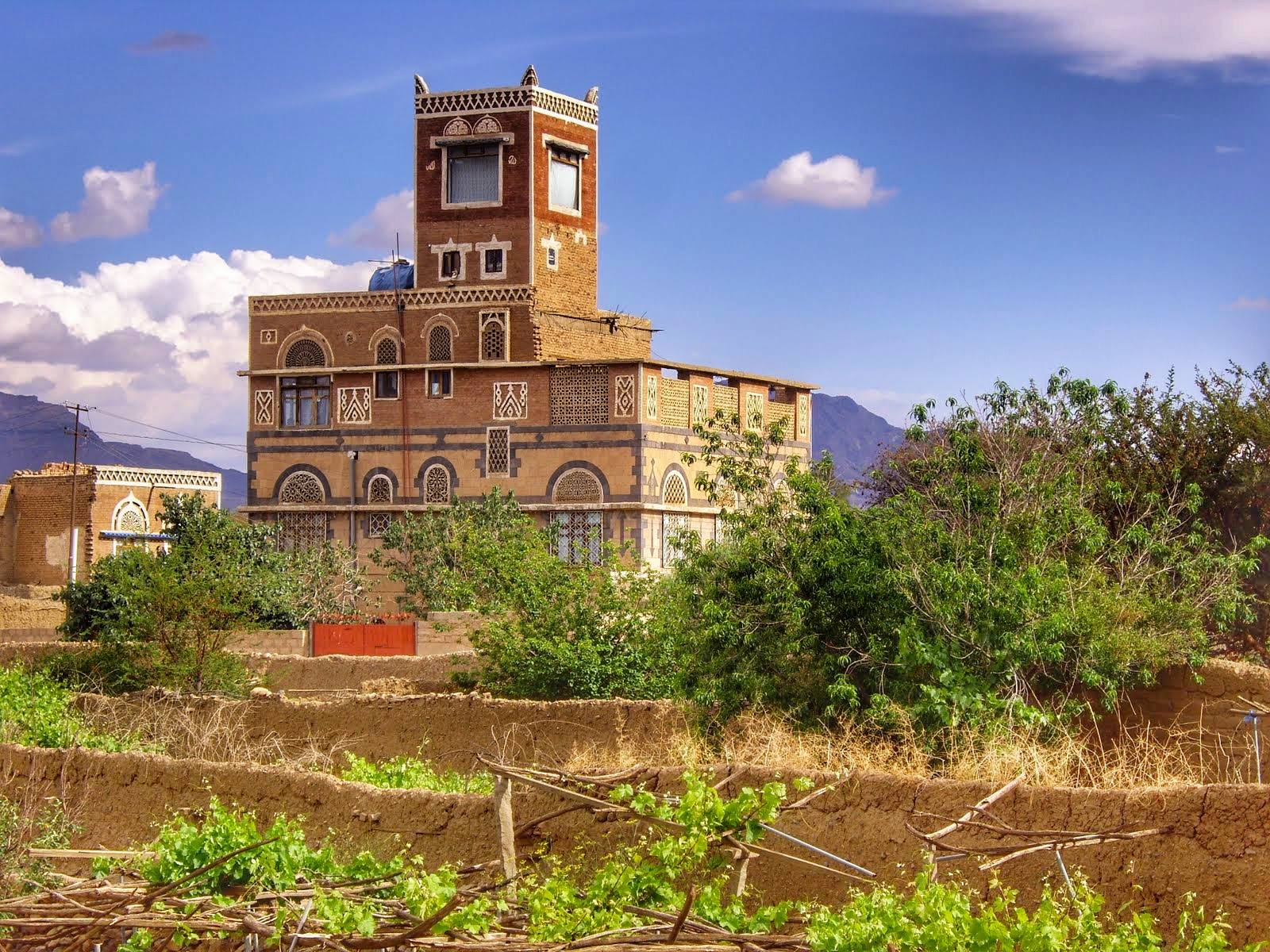
The Hadramawt is the homeland of a great trading diaspora whose families settled in Indonesia, Malaysia, Singapore, East Africa, India and the Gulf, and returned with fortunes that built palaces in the wadi. It is also one of the most remarkable places in the world to see earthen architecture, kept alive by local builders. The wadi has generally been quieter than the north, but it has seen attacks by extremist groups and shifts in control between rival forces, and governments advise against all travel to Yemen. Visitors are mainly diaspora families, researchers and students at Tarim's religious schools.
Shibam
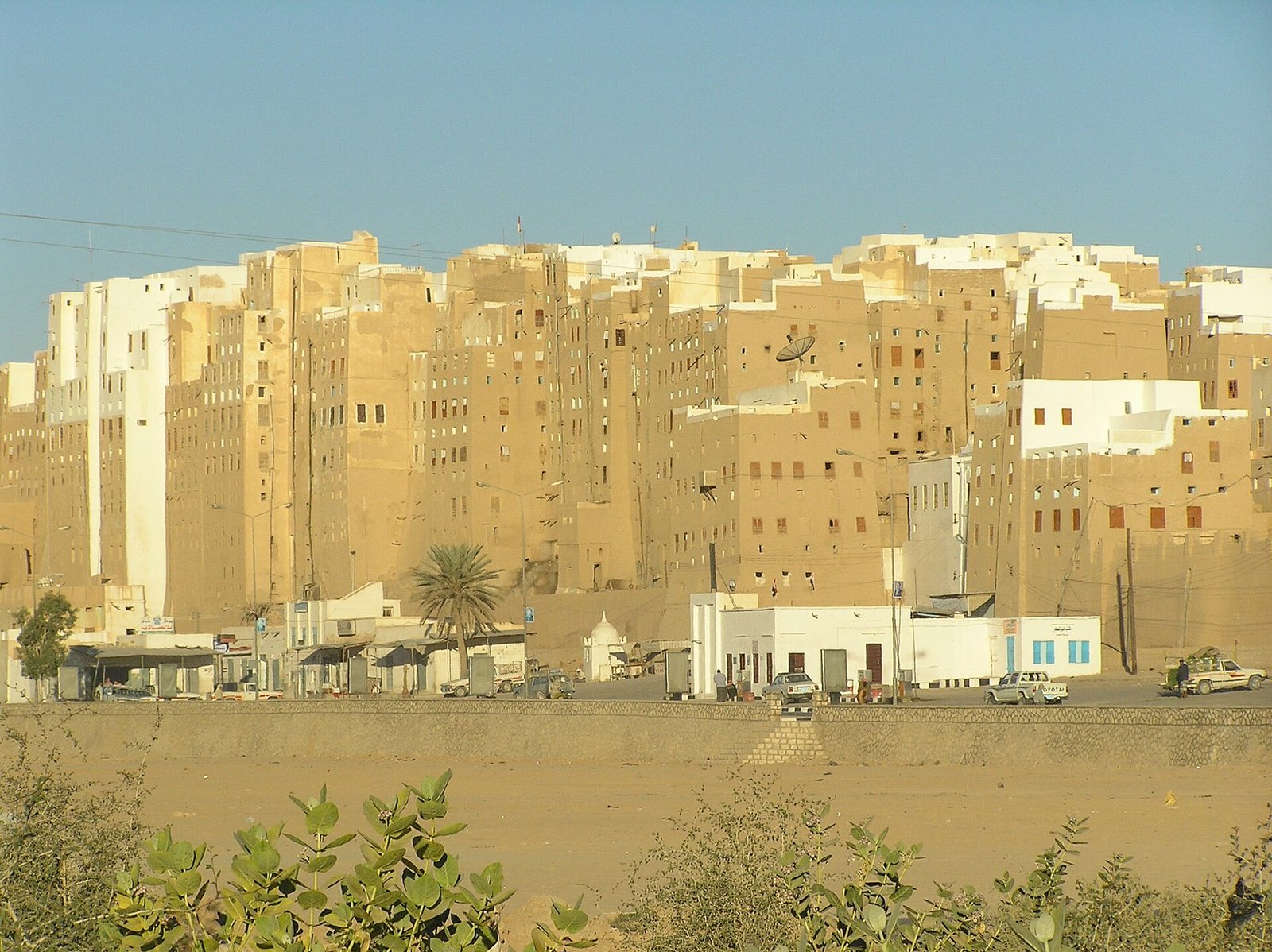
Shibam is often called the Manhattan of the desert. Around five hundred mud brick tower houses, many five to eight storeys high, stand packed inside a wall on a rise in the valley, built this way since at least the sixteenth century to protect against floods and raiders. It is a UNESCO World Heritage Site on the danger list, damaged by floods and neglect but still lived in. The classic view is from the slope across the valley at sunset, when the towers turn gold. Inside the walls, narrow lanes run between the houses, with carved wooden doors and small squares.
Seiyun
Seiyun is the largest town in the wadi, with the airport, the main souk and most hotels. Its landmark is the Seiyun Palace, the white former palace of the Kathiri sultans, which houses a museum of Hadrami history, crafts and archaeology. The town's palm groves and old mosques are good for slow walks in the evening.
Tarim
Tarim is one of the oldest centres of Islamic learning in Arabia, with hundreds of mosques. The Al-Muhdhar Mosque has a tall, square mud brick minaret, one of the tallest in the world built in mud. The Al-Ahqaf Library holds thousands of manuscripts. Dar al-Mustafa and other schools draw students from across the world. Tarim also has extraordinary palaces built by families who made fortunes in Southeast Asia, in a mix of Hadrami, Indian, Javanese and European styles, many of them now fragile.
Wadi Doan
A side valley to the west, Wadi Doan is lined with villages clinging to the cliff edges above palm groves. Al-Hajarain, perched on a rock, and Haid al-Jazil, a village on a boulder in the middle of the valley, are the classic sights. Doan is famous for its honey, among the most prized in the Arab world.
Food
Hadrami cooking is famous across the Gulf. Mandi, meat or chicken slow cooked in a pit oven and served on fragrant rice, comes from this region, as does madhbi, meat grilled on hot stones. Dates, Doan honey and sweet tea complete the meal.
Getting there
Seiyun Airport has had limited Yemenia flights, including from Saudi Arabia and Cairo. By road, the wadi connects to Mukalla on the coast, a long drive over the plateau with checkpoints. Inside the wadi, you need a driver.
When to go
November to February has warm days and cool nights. Summers are fiercely hot, and rare flash floods can come with storms.
Etiquette
The Hadramawt is very conservative. Dress fully covered, women should wear a headscarf and long loose clothes, and ask before photographing anyone. Tarim's mosques are places of worship; visit only with permission.
Before you go
Read current travel advice and check what your insurance covers. Browse places to visit and use the free trip planner to shape your days.
Questions about Wadi Hadramawt
Why is Shibam called the Manhattan of the desert?
Because its hundreds of mud brick tower houses, many over five storeys high, rise together from the valley floor like a city of skyscrapers.
How do I get to Wadi Hadramawt?
Fly into Seiyun when flights operate, or travel by road from Mukalla on the coast. Either way you need a driver and local contacts.
Is Wadi Hadramawt safe?
It has generally been calmer than the north, but there have been attacks and shifts in local control. Governments advise against all travel to Yemen, so read current advice first.
Can women visit Tarim?
Yes, with conservative dress and a headscarf. Some mosques and schools are men only, so ask before entering.
Facts checked . Fees, schedules and entry rules change, so always confirm the latest with the official source.