At a glance
- Best for
- Architecture, souks and highland history
- Airport
- Sana'a International Airport (SAH), frequently closed
- Time needed
- Three to four days with the highlands
- Best season
- October to April
- Languages
- Yemeni Arabic
- Status now
- Houthi controlled, governments advise against all travel
Sana'a now
We want to be plain. Sana'a is held by the Houthi movement (Ansar Allah), which is not the internationally recognised government. Foreign nationals, aid workers and Yemenis linked to foreign organisations have been detained there, airstrikes have hit the city and its airport, and foreign embassies have long since closed. The UK, US, Canada and Australia advise against all travel. Diaspora Yemenis do still visit family in the north, usually by road from Aden or over land from Saudi Arabia, and they should read the safety and entry guidance carefully. For anyone else, Sana'a is a place to learn about now and visit later.
The old city
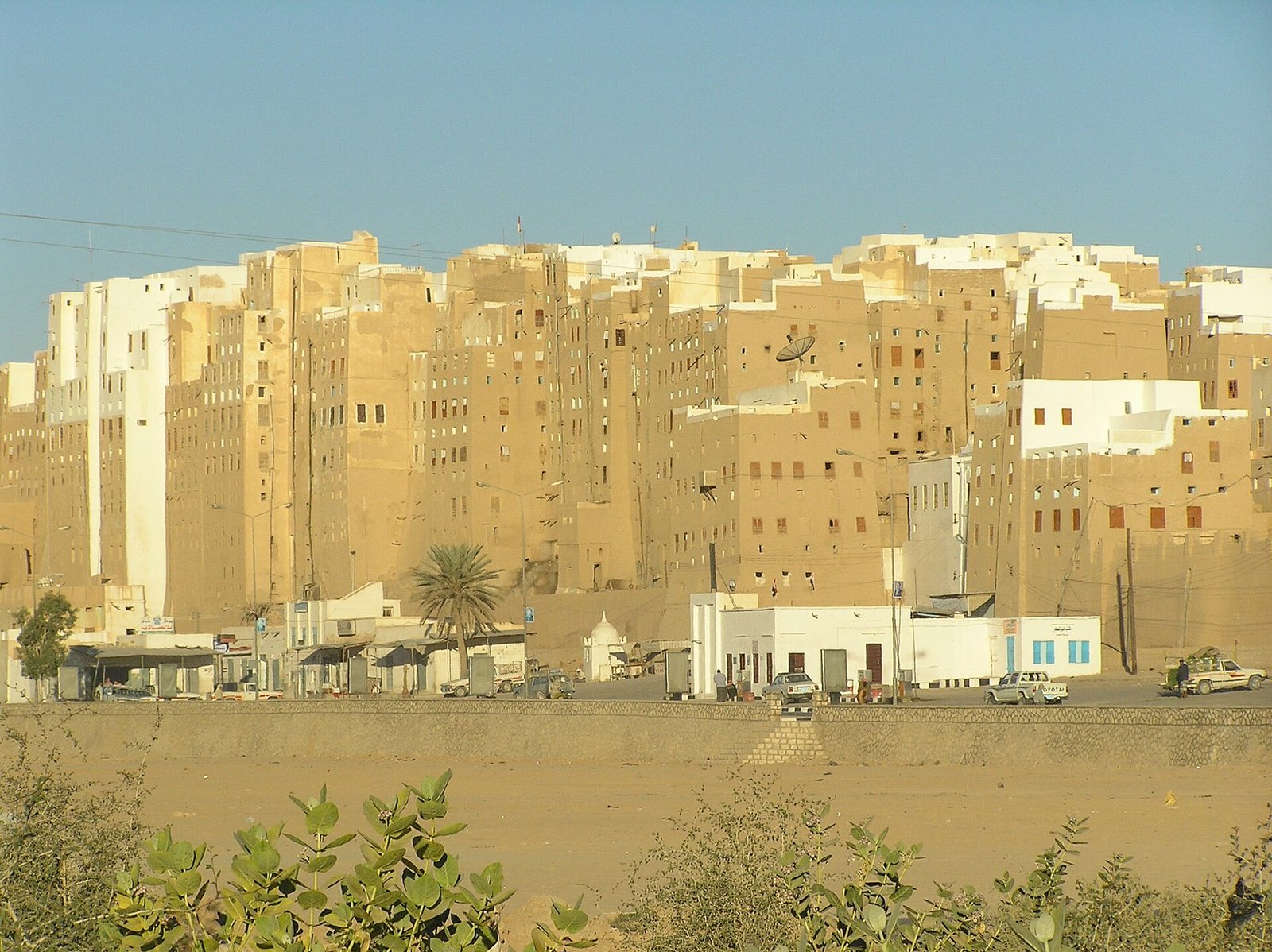
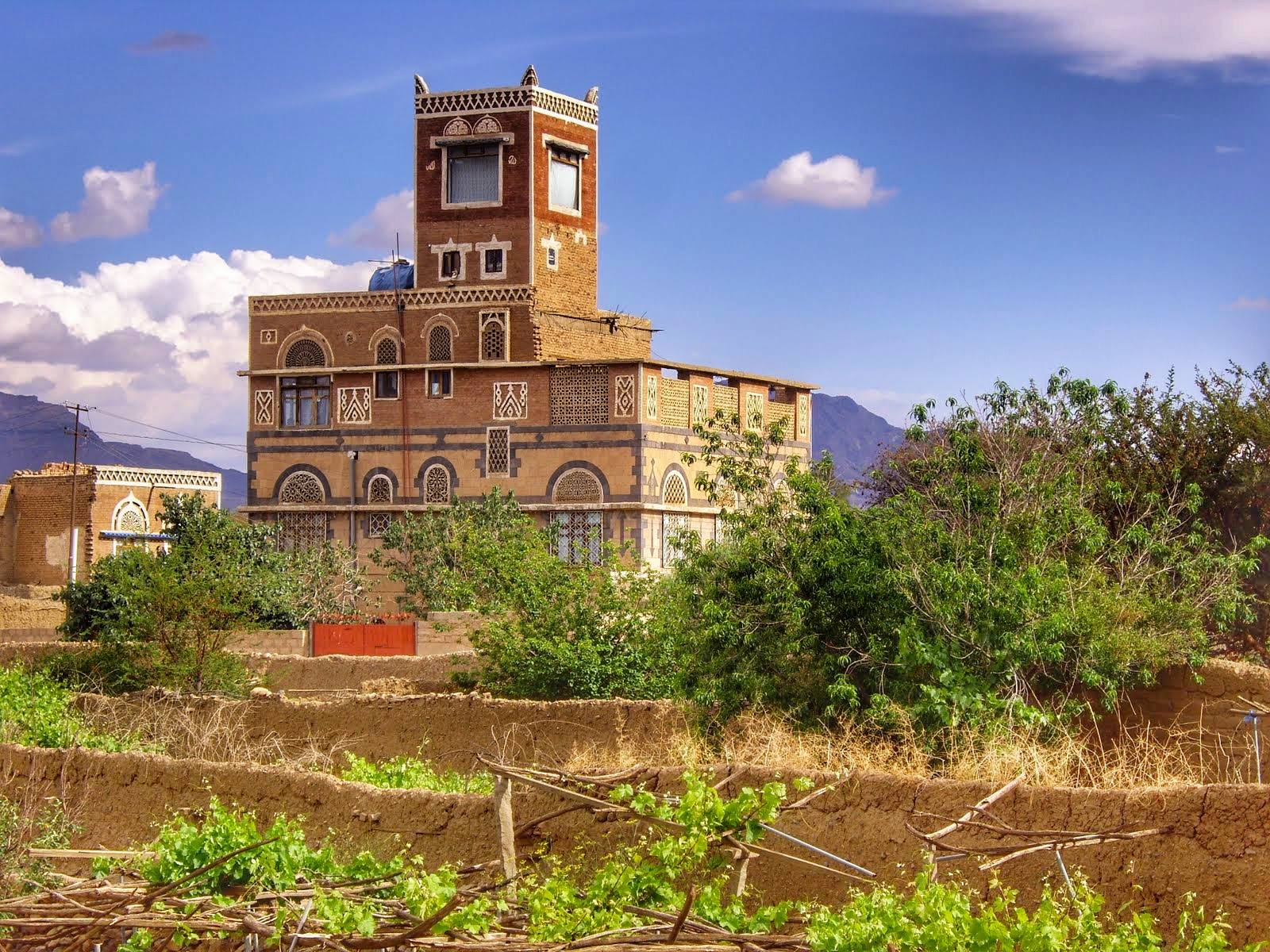
The Old City of Sana'a is a UNESCO World Heritage Site listed as in danger. Its several thousand tower houses are built of stone below and brick above, their facades outlined in white gypsum friezes, with qamariya windows of coloured glass and alabaster that glow at night. Walking its lanes is like stepping into an illuminated manuscript.
**Bab al-Yemen.** The great southern gate, the classic way into the old city, with a constant crowd of traders and buyers outside.
**Souq al-Milh.** Not one market but dozens, each for one trade: spices, raisins, silver, jambiya daggers, qat, copper, cloth and incense. It is the commercial heart of the old city.
**The Great Mosque.** One of the oldest mosques in the world, said to date to the lifetime of the Prophet. It is a place of worship and not open to non-Muslim visitors.
**Bustan gardens.** Hidden among the houses are walled vegetable gardens, the maqashim, watered by old wells, which keep the old city green.
**Samsarat.** Old caravanserai, the samsarat, once stored goods and housed traders. Some have been restored as craft centres and galleries.
Beyond the old city
**Dar al-Hajar.** The Rock Palace in Wadi Dhahr, a short drive northwest, is a palace built up from the top of a rock pinnacle by Imam Yahya in the 1930s. It is one of the most photographed buildings in Yemen.
**Tahrir Square and the National Museum.** The modern centre, with the museum's collections of ancient South Arabian statues and inscriptions.
**The highlands.** Thula, Kawkaban and Shibam Kawkaban, the stone villages of the Haraz mountains around Manakhah and Al-Hajjarah, and the terraced valleys toward Ibb were among Yemen's great journeys before the war.
Food
Sana'a is the home of saltah, the bubbling stone pot stew topped with fenugreek froth, eaten with flatbread at lunchtime. Fahsa is its lamb version. Bint al-sahn, layered honey bread, and strong qishr, a coffee husk drink spiced with ginger, finish the meal. Lunch is the main meal, followed by the afternoon qat chew in a mafraj, the top floor room with the best view.
Practical realities
Sana'a's airport has opened and closed repeatedly during the war, with only limited Yemenia flights when it operates. The city uses older rial banknotes that trade at a very different rate from the notes used in Aden. Phones, social media and photography can attract attention at checkpoints. Dress and behave very conservatively, and do not photograph soldiers, checkpoints or government buildings.
When to go
In normal times, October to April brings sunny days and cold nights. Light rains come in spring and late summer. At this altitude the sun is strong even when the air is cool.
Looking ahead
If conditions change and governments lift their warnings, Sana'a will again be one of the great cities of the Middle East to visit. Until then, read the Yemen destinations overview to see where visitors do go, or ask us anything via contact.
Questions about Sana'a
Can tourists visit Sana'a now?
Governments advise against all travel, embassies are closed and foreigners risk detention by the Houthi authorities. We do not recommend visiting Sana'a as a tourist at present.
Why is old Sana'a so famous?
Its thousands of decorated multi storey tower houses, souks and mosques form one of the oldest continuously lived in cities in the world, listed by UNESCO.
How do Yemenis from abroad reach Sana'a?
When Sana'a airport is closed, usually by flying into Aden or Seiyun and travelling by road, or by land from Saudi Arabia. Roads cross front lines and checkpoints, so plan with family who know current conditions.
What is Dar al-Hajar?
The Rock Palace in Wadi Dhahr near Sana'a, a five storey palace built on top of a rock outcrop for Imam Yahya in the twentieth century.
Facts checked . Fees, schedules and entry rules change, so always confirm the latest with the official source.