At a glance
- Best for
- Souqs, skyline, beaches, food and desert evenings
- Airport
- Dubai International (DXB)
- Time needed
- Three to four days
- Best season
- November to March
- Getting around
- Metro, tram, taxis, ride hailing and abras
- Dress
- Relaxed at beaches and malls, modest in souqs and mosques
Why visit Dubai
Dubai grew from a small fishing and pearling settlement into one of the world's great crossroads in a single lifetime. That speed is part of the fascination: you can stand in a wind tower courtyard built a century ago in the morning and look down from the observation deck of the tallest building on earth by sunset. More than eight in ten residents come from abroad, so the city's food, festivals and neighbourhoods carry flavours from South Asia, Iran, the Levant, Africa and the Philippines as much as from the Gulf.
Old Dubai and the creek
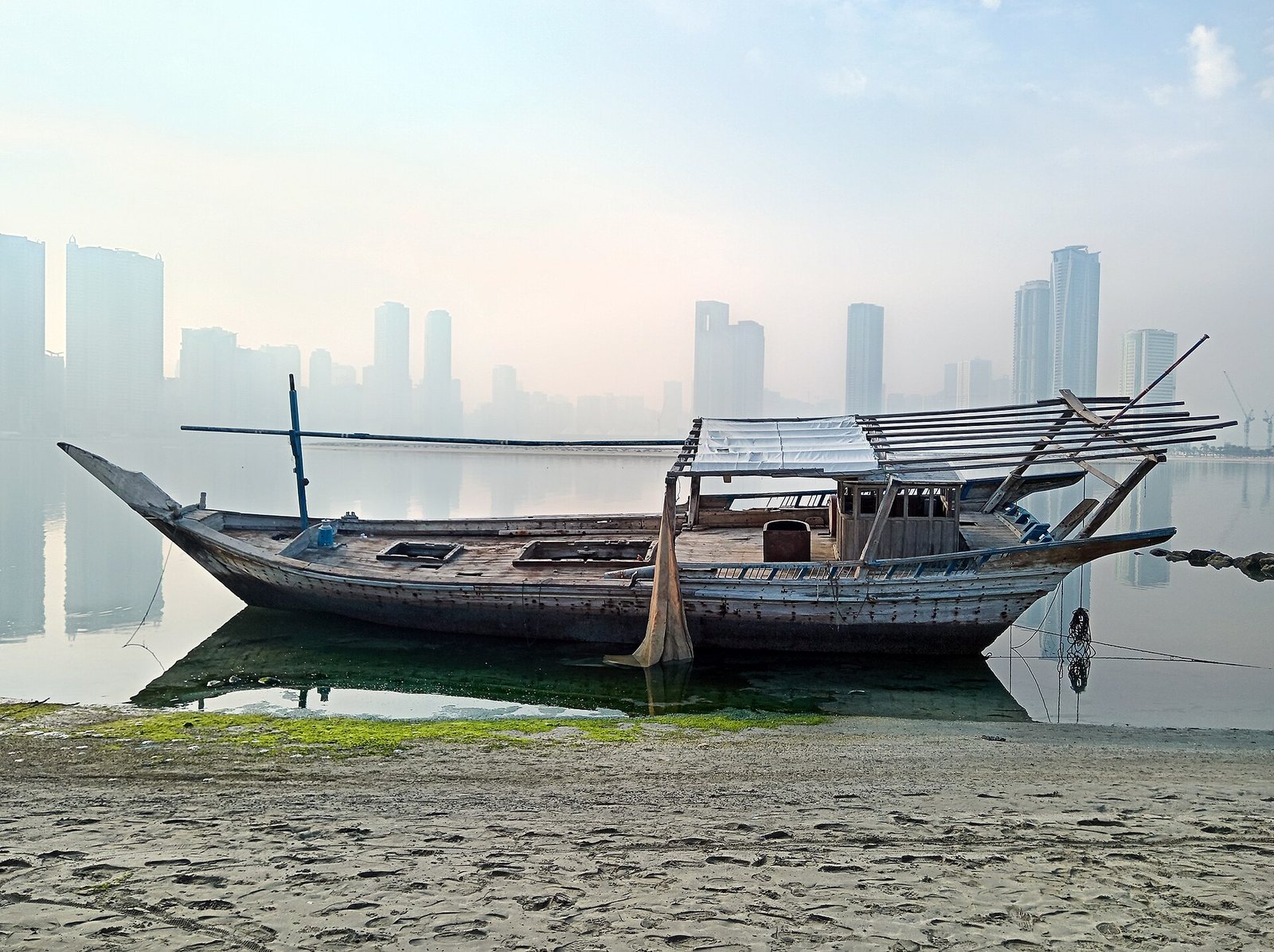
Start in Al Fahidi Historical Neighbourhood, a quiet grid of coral stone and gypsum houses with wind towers, small galleries, cafés and the Sheikh Mohammed Centre for Cultural Understanding, which runs cultural breakfasts and mosque visits designed for curious visitors. Al Fahidi Fort, home of the Dubai Museum, has been under long renovation, so check whether it has reopened. Walk to the Bur Dubai abra station and cross the creek to Deira on a traditional water taxi. On the other side are the Spice Souq, the Gold Souq and the perfume lanes, and the dhow wharves where cargo for Iran, Somalia and India is still stacked by hand. Come in the late afternoon, when the heat eases and the souqs fill.
Downtown and the skyline
Downtown Dubai is the postcard: Burj Khalifa, the Dubai Fountain shows in the evening, the Dubai Mall with its aquarium and ice rink, and the boulevard cafés of Souk Al Bahar. Book Burj Khalifa observation tickets online in advance for sunset slots, which sell out. Nearby, the Museum of the Future, with its calligraphy covered ring, is worth booking too. For art, Alserkal Avenue in Al Quoz is a cluster of warehouse galleries, cafés and independent cinema.
Beaches and the Marina
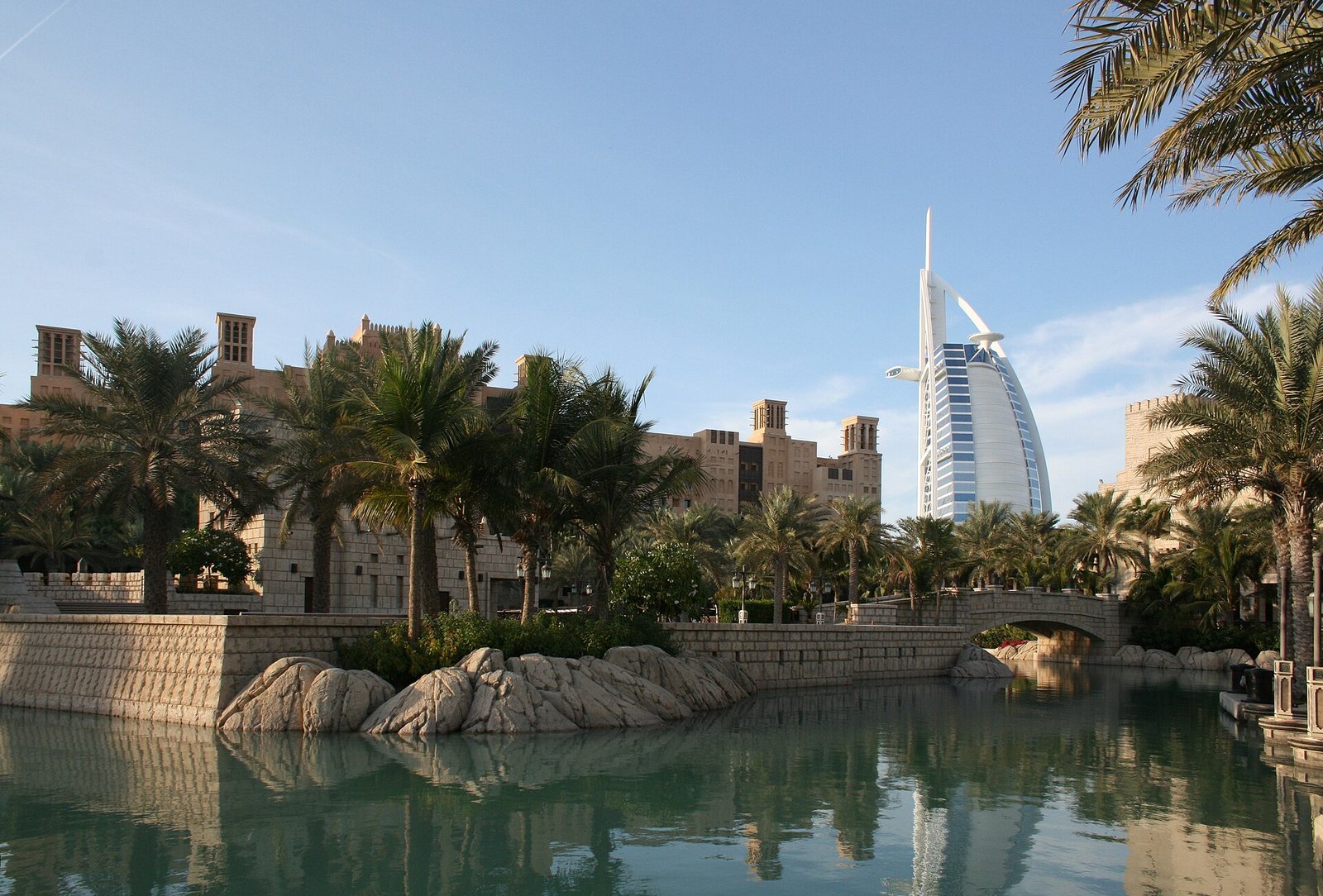
Dubai's public beaches are clean and free. Kite Beach and Jumeirah Public Beach have views of the Burj Al Arab, while JBR beach at Dubai Marina has a lively walk with restaurants. Palm Jumeirah, Bluewaters Island and the Ain Dubai wheel are best seen from the Marina or a boat. Cover up when you leave the sand: swimwear belongs at the beach and pool.
The desert
The Dubai Desert Conservation Reserve and the dunes towards Al Awir and Margham are where most desert trips go. Choose a licensed operator, and decide whether you want the dune bashing and camp show of a standard trip or a quieter conservation focused experience with falconry, camel walks and dinner under the stars. Al Qudra lakes and cycle track are good for a self guided sunrise.
Where to stay
First-timers often split their stay. Bur Dubai and Deira are best for budget hotels, history and real local life, close to the metro. Downtown suits short visits focused on the big sights. Dubai Marina, JBR and Palm Jumeirah are for beach resorts and evenings out, and Jumeirah offers quieter low rise hotels near the sea. For family visits, Al Barsha is practical and central.
Getting around
The Dubai Metro red line runs from the airport through Deira, Bur Dubai, Downtown and on to the Marina, with the green line covering the old city. A Nol card works on the metro, buses, tram and water buses, and there is a Gold Class carriage plus women and children only sections. Taxis use meters and ride hailing apps are widely used. Abras cross the creek all day.
When to go
November to March brings warm days and pleasant evenings, which is peak season. Dubai Shopping Festival runs over winter, and the Global Village cultural park opens in the cooler months. June to September is very hot and humid, but hotel rates fall and indoor attractions keep the city busy. During Ramadan, the city slows in daytime and comes alive after sunset with iftar tents.
Before you go
Dubai has strict laws on drugs, public behaviour and photography of people without permission, and medicines that are legal at home may need approval. Read the entry, safety and things to avoid sections of this guide, then shape your days with the free trip planner.
Questions about Dubai
How many days do I need in Dubai?
Three days covers old Dubai, Downtown and a beach day. Four or five lets you add a desert evening, Alserkal Avenue and a day trip to Abu Dhabi or Sharjah.
Is Dubai expensive?
It can be, but it does not have to be. Budget hotels in Deira and Bur Dubai, the metro, free beaches, abras and cheap South Asian and Arab cafés keep costs down.
Where is the best area to stay in Dubai?
Bur Dubai or Deira for history and budget, Downtown for the big sights, and the Marina, JBR or Palm Jumeirah for beaches and nightlife.
Can I visit a mosque in Dubai?
Yes. Jumeirah Mosque and the Sheikh Mohammed Centre for Cultural Understanding run visits for non-Muslims. Dress modestly and check current tour days before you go.
Facts checked . Fees, schedules and entry rules change, so always confirm the latest with the official source.