At a glance
- Best for
- Heritage, oases, forts and slow travel
- Airport
- Zayed International (AUH), about ninety minutes
- Time needed
- One to two days
- Best season
- November to March
- Getting around
- Taxis, ride hailing and intercity buses
- Dress
- Modest; this is a traditional city
Why visit Al Ain
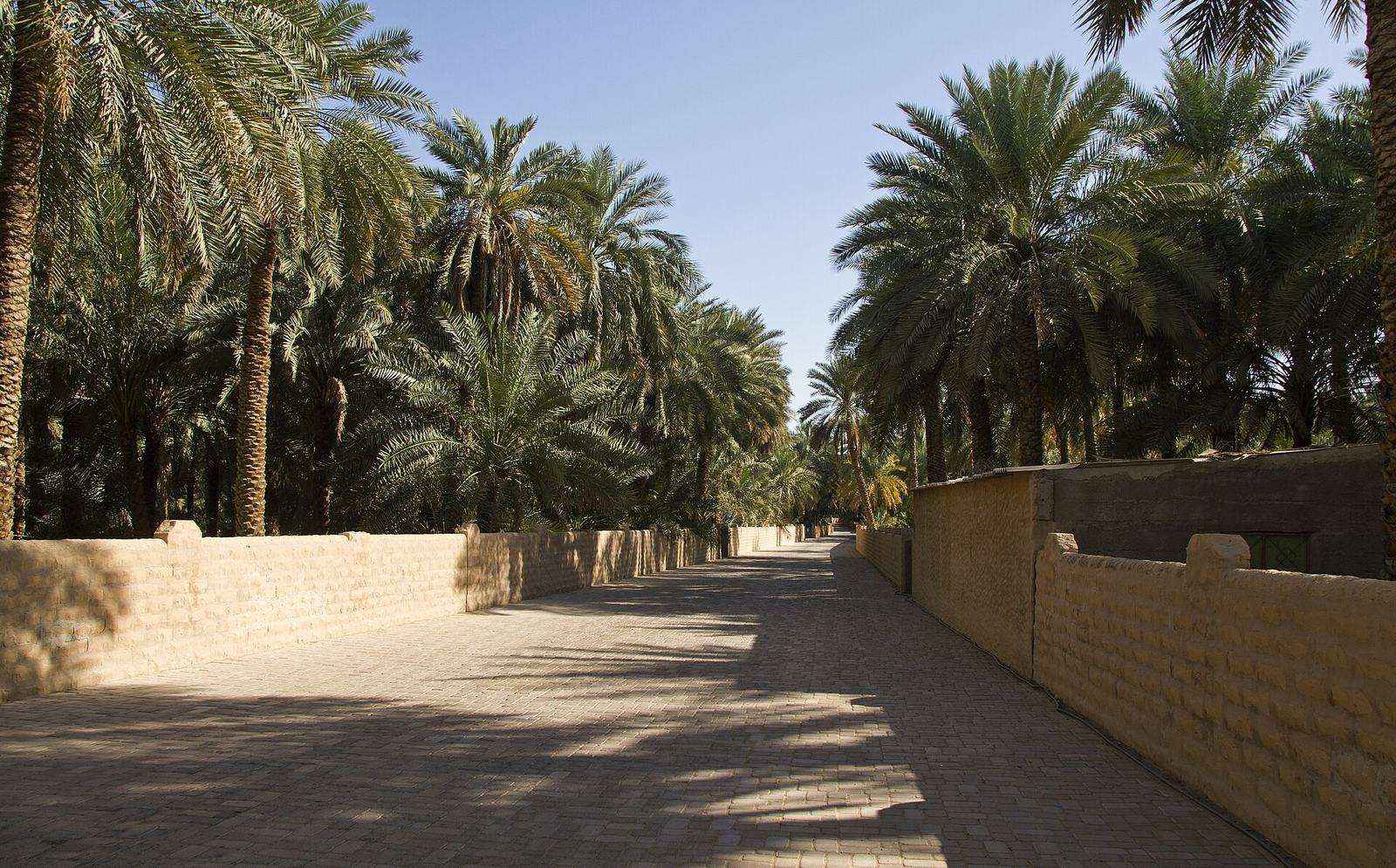
Al Ain means the spring, and water is the reason it exists. People have farmed here for more than four thousand years, using underground channels called aflaj to carry water from the mountains to the oases. Today the city is quiet, green and very Emirati, a welcome change of pace after Dubai. It is easy to visit as a day trip from Abu Dhabi or Dubai, but staying a night lets you catch sunset on Jebel Hafeet and the cool morning in the oasis.
Al Ain Oasis
The city's central oasis holds well over a hundred thousand date palms, criss crossed by shaded paths and working falaj channels. Walk or cycle through it in the morning, when the light is soft and the air is cooler. The Eco Centre at the entrance explains how the falaj system works.
Forts and museums
Al Jahili Fort, a graceful mud brick fort from the 1890s, has an exhibition on the British explorer Wilfred Thesiger, who crossed the Empty Quarter with Bedouin companions. Qasr Al Muwaiji, where Sheikh Khalifa was born, tells the story of the ruling family. Al Ain Palace Museum, Sheikh Zayed's former home, shows how a leader lived simply before the oil years. The Al Ain National Museum has been renovated, so check opening details.
Ancient Al Ain
Hili Archaeological Park holds a reconstructed Bronze Age round tomb with carved figures of people and animals, and nearby sites show some of the oldest settlement in the region. On the lower slopes of Jebel Hafeet, hundreds of beehive shaped stone tombs date back around five thousand years. These, with the oases, make up the UNESCO listed Cultural Sites of Al Ain.
Jebel Hafeet
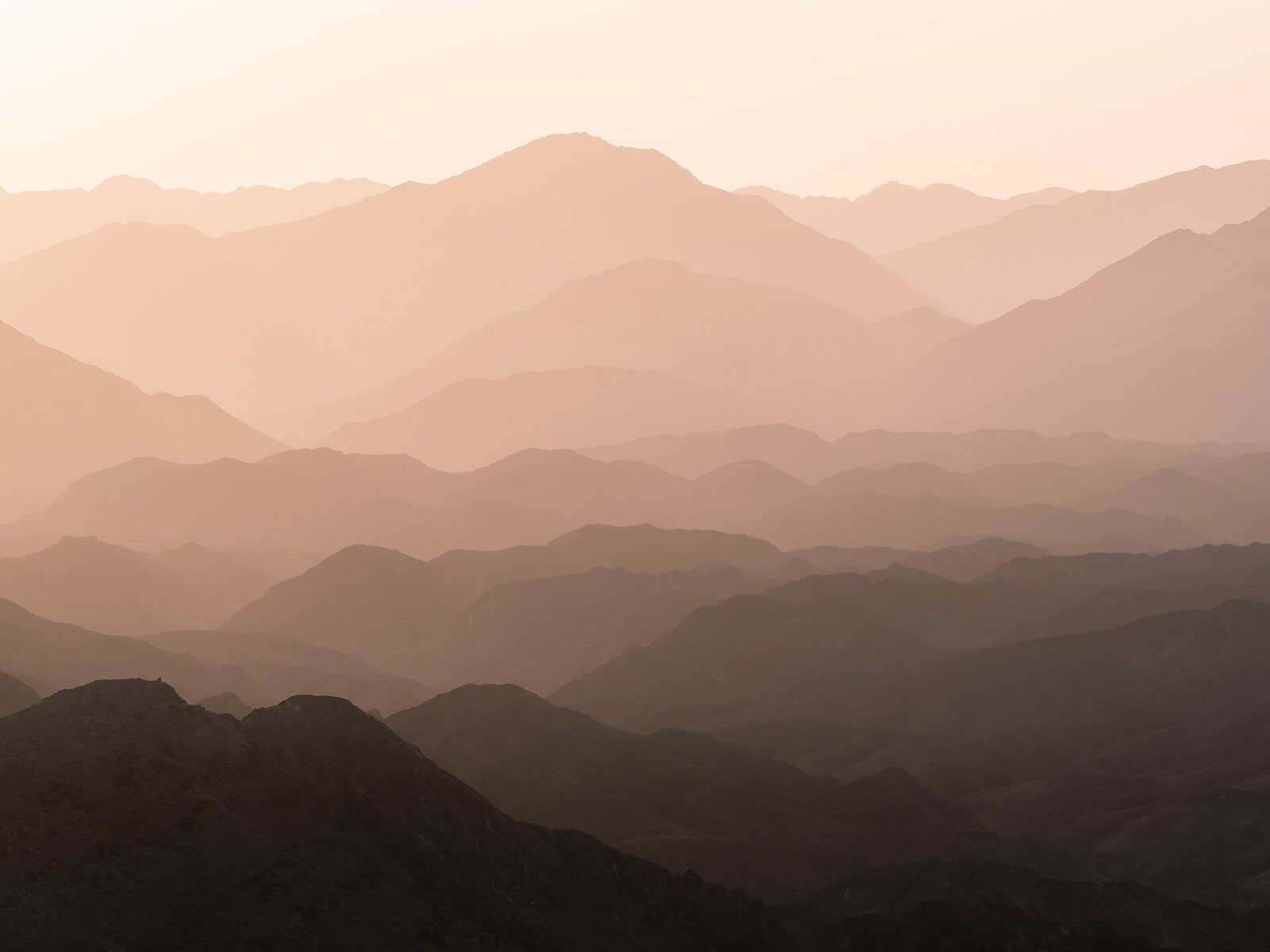
The mountain road climbs in long sweeping curves to the summit, where viewpoints look over the city, the dunes and into Oman. Go for sunset and stay as the city lights come on. At the base, the Green Mubazzarah park has hot springs and lawns popular with families on weekend evenings. Jebel Hafeet Desert Park offers walks among the ancient tombs.
The camel market and wildlife
Al Ain's camel market, near the Bawadi Mall area on the edge of the city, is one of the last of its kind in the UAE. Traders are usually welcoming, but some will ask for a tip for photos, so agree before you lift your camera. Al Ain Zoo is a large, well kept wildlife park with Arabian oryx and sand gazelles and a respected conservation programme.
Where to stay
Al Ain has a handful of hotels, from mid-range city hotels near the oasis to a resort on Jebel Hafeet. Prices are generally lower than Dubai or Abu Dhabi, and weekend nights fill with Emirati families.
Getting there and around
Al Ain is about ninety minutes by road from both Abu Dhabi and Dubai, with intercity buses from each. In town, taxis and ride hailing are easy, and the main sights are short hops apart. Remember that the land border with Oman here is for those with the right paperwork; it is not a casual day trip crossing.
Before you go
Al Ain is conservative, so dress modestly and keep public displays of affection low key. Fridays are quieter in the morning. Use the free trip planner to pair Al Ain with Abu Dhabi.
Questions about Al Ain
Is Al Ain worth visiting?
Yes, especially if you want to see a quieter, more traditional side of the UAE. The oasis, forts, ancient tombs and Jebel Hafeet make a full and rewarding day.
Can I do Al Ain as a day trip?
Yes, from Abu Dhabi or Dubai, about ninety minutes each way. An overnight lets you see sunset on Jebel Hafeet and the oasis in the cool morning.
Can I cross into Oman from Al Ain?
Only at official crossings and with the right visa and paperwork for your passport. Check Oman's official entry rules and your own government's advice first.
When is the camel market open?
It is busiest in the morning. Days and hours can change, so ask your hotel before you go.
Facts checked . Fees, schedules and entry rules change, so always confirm the latest with the official source.