At a glance
- Best for
- Snorkelling, wildlife, empty beaches
- Time needed
- A full day by boat
- Getting there
- Boat across the lagoon from Fongafale
- When to visit
- Calm days, often May to October
- Bring
- Water, food, sun protection, reef shoes
- Good to know
- Fishing and taking anything is not allowed
What the Conservation Area is
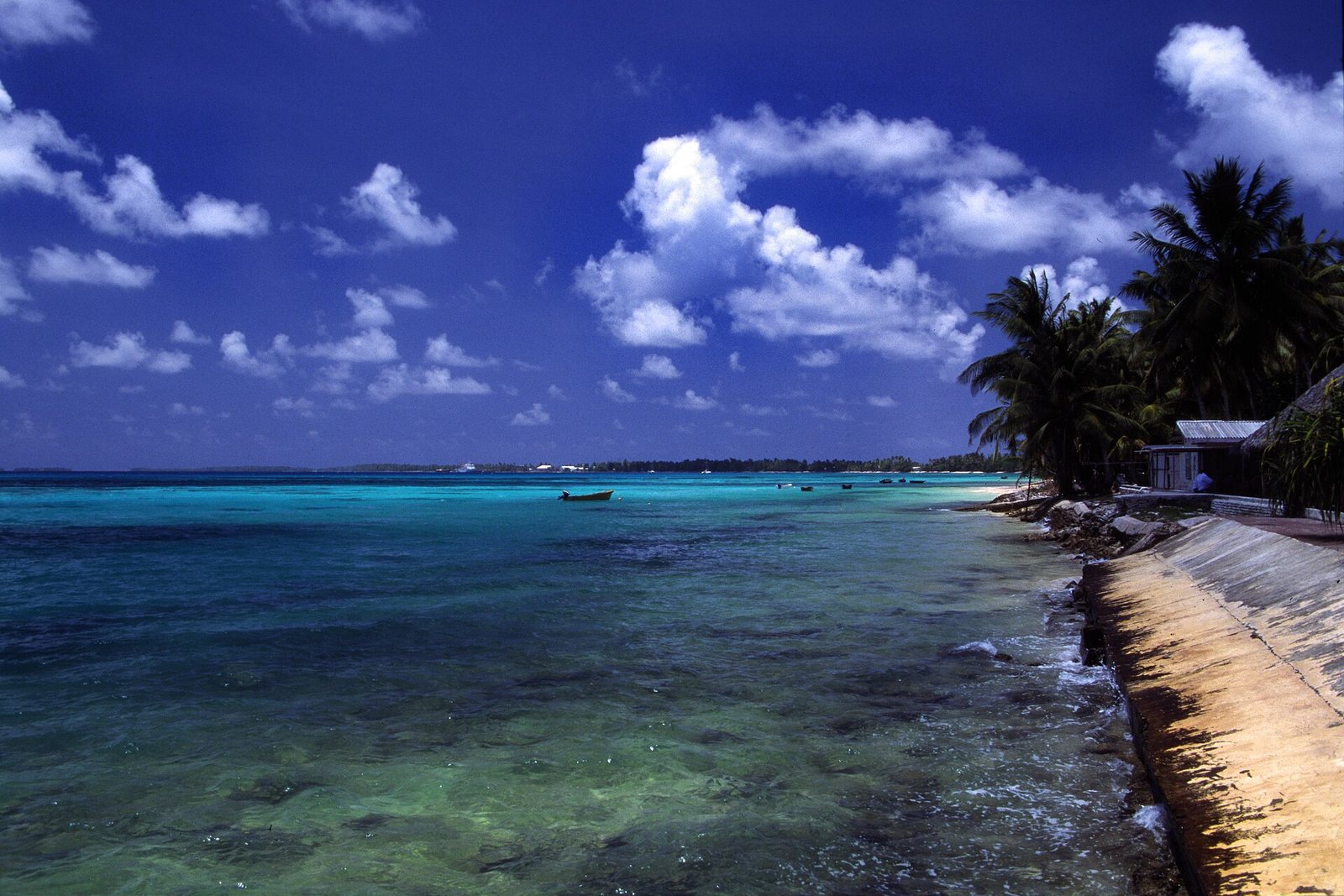
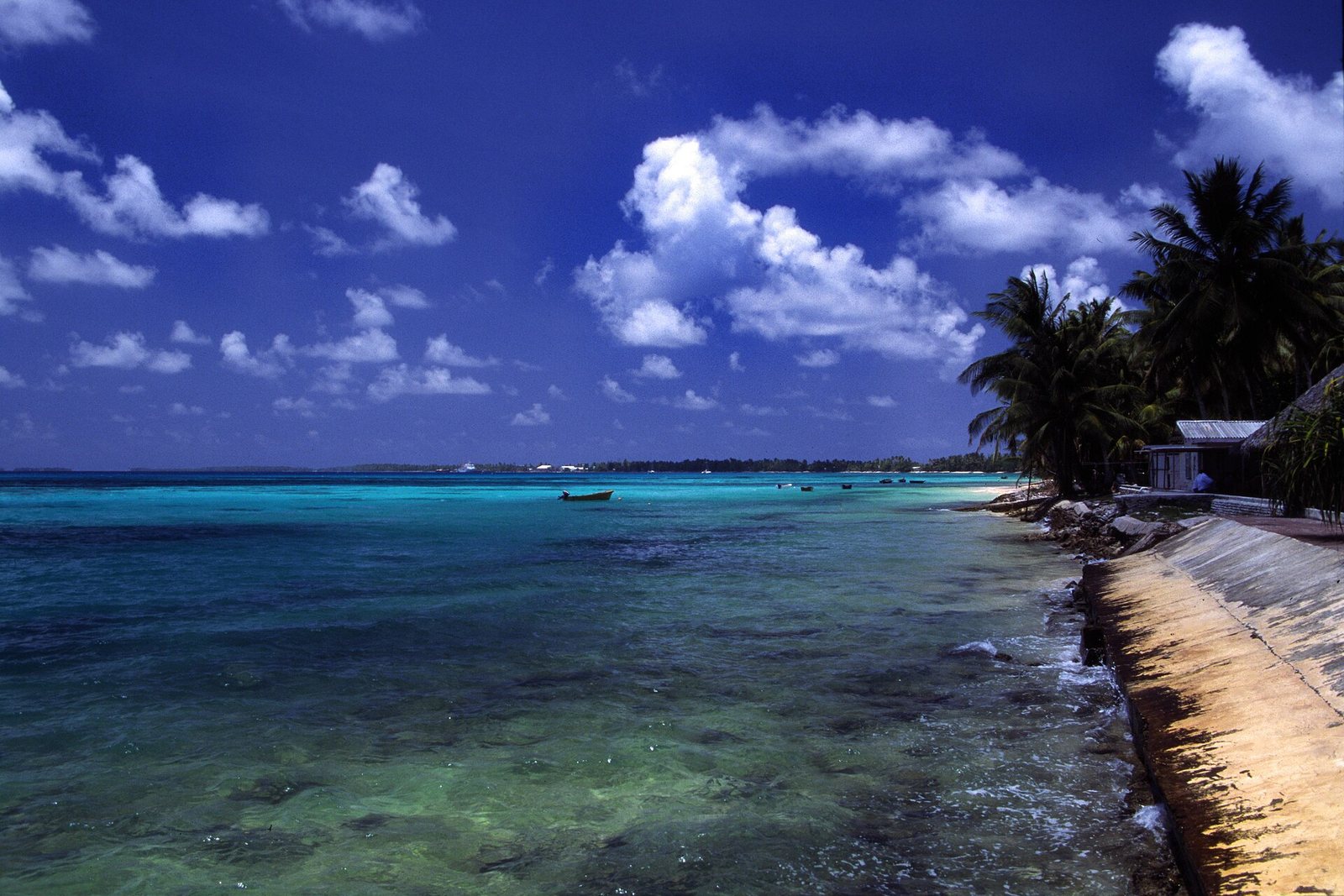
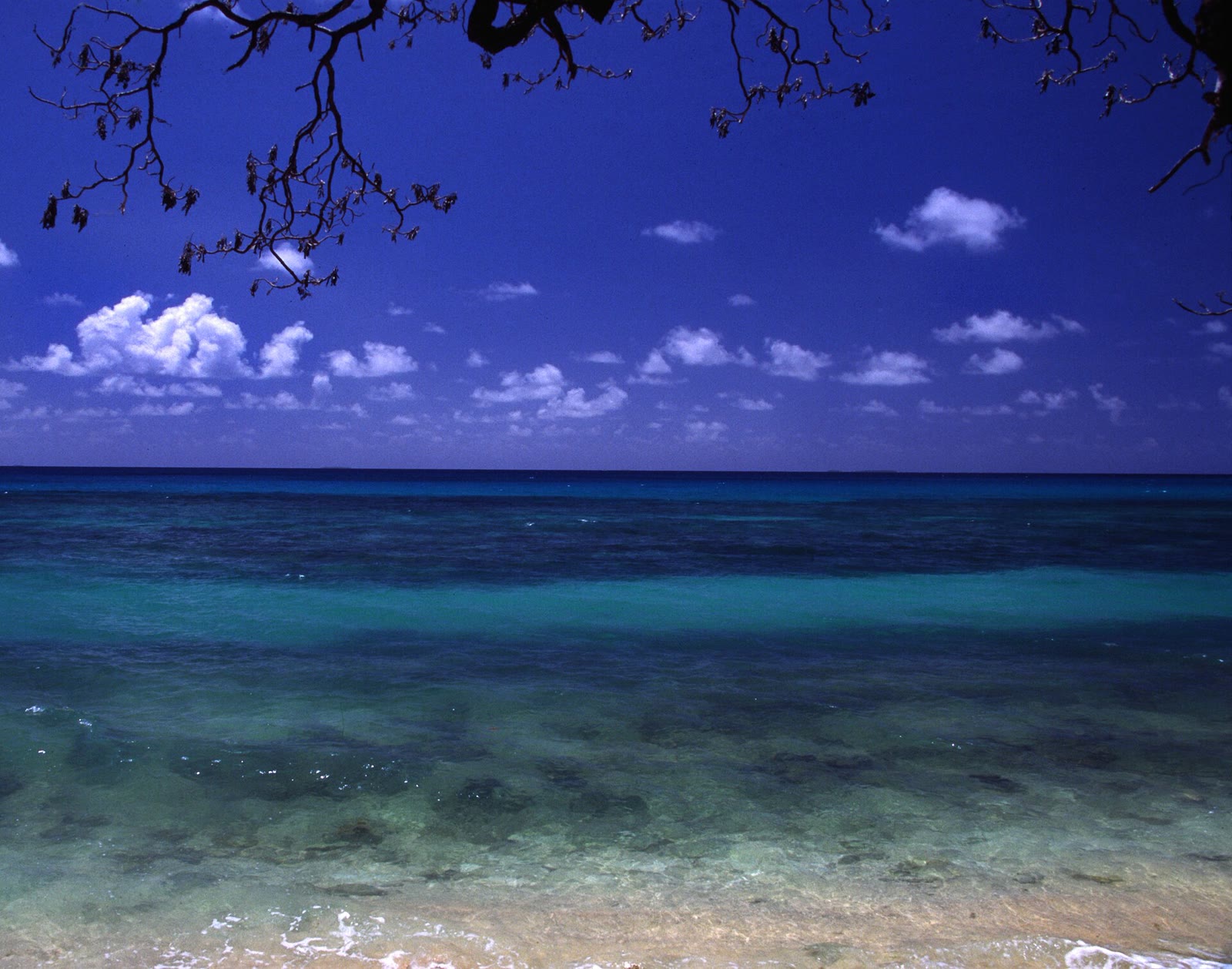
The protected zone covers part of the **lagoon**, the **reef** and the **open ocean** beyond, along with islets including **Tepuka**, **Fualopa**, **Fuafatu**, **Vasafua** and **Fualefeke**. It is managed by the Funafuti island council, the Kaupule, working with the community. Inside the area, fishing and collecting are not allowed, so fish numbers are higher than elsewhere and the coral is in better shape. The water is often astonishingly clear.
Getting there
There is no scheduled ferry. Visitors reach the islets on a **small boat** arranged through the Conservation Area office, the Kaupule or their hotel or guesthouse. The crossing takes roughly half an hour to an hour, depending on the islet and the weather. Agree the plan before you leave: which islets you will visit, when you will return, and what is included. Ask whether there are life jackets on board and check the forecast, because the lagoon gets choppy in strong wind.
The islets
Each islet is a little different. **Tepuka** is one of the larger ones, with sand, palms and calm water, and it is a frequent stop for day trips. **Fualopa** and **Fualefeke** have thicker vegetation where **seabirds** roost, including noddies, terns and frigatebirds. **Vasafua** is tiny and has lost much of its land to storms, a vivid illustration of how fragile these islands are. Treat every islet as precious: walk gently, keep away from nesting birds and leave everything as you found it.
Snorkelling and swimming
The best snorkelling is on the **lagoon side** of the islets and around coral bommies, where you will see parrotfish, surgeonfish, giant clams and often **green turtles**. Stay in the lagoon unless your boat crew suggests otherwise, because currents on the ocean side and through the reef passages can be very strong. Wear reef shoes, use reef friendly sunscreen and never stand on coral.
What to bring
There are **no shops, toilets or fresh water** on the islets. Bring plenty of drinking water, food, a hat, a long sleeved top, snorkel gear if you have it, a dry bag and something for shade. The sun reflects off the sand and water and is fierce even on cloudy days. Take all rubbish back with you.
Rules to respect
No fishing, no collecting shells, coral or sand, and no disturbing turtles or birds. Some islets may have restrictions at certain times, so follow what the Conservation Area staff or your boat crew tell you. These rules protect the reef that Funafuti families depend on.
Combining with Funafala
At the southern end of the lagoon, outside the protected zone, the small village islet of **Funafala** has quiet beaches and a few homes. Some boat trips combine it with a Conservation Area visit. Ask your lodging what is possible.
Planning your day
Go on a **calm day**, ideally early in your stay so you can reschedule if the weather turns. Leave in the morning to have the best light and calmer water. Pair it with the Funafuti guide and add the islets to your plan with the free trip planner.
Who looks after it
The Conservation Area belongs to the people of Funafuti, and its success depends on their choices. Local staff monitor fish, coral and turtles and explain the rules to visitors. A respectful, curious visit shows that a protected reef has value beyond what can be caught there, which helps the community keep it protected for the next generation.
Questions about the Funafuti Conservation Area
How do I visit the Funafuti Conservation Area?
Arrange a boat through the Conservation Area office, the Kaupule or your accommodation. There is no public ferry, so plan a day or two ahead.
Will I see turtles?
Green turtles are often seen when snorkelling in the protected waters, though sightings are never guaranteed.
Is it safe to snorkel there?
The lagoon side is usually calm. Avoid the ocean side and reef passages, where currents are strong, and follow your crew's advice.
Can I camp on the islets?
Overnight stays are not a normal part of a visit. Ask the Conservation Area office about any rules before planning one.
Facts checked . Fees, schedules and entry rules change, so always confirm the latest with the official source.