At a glance
- Best for
- Monuments, museums, bazaars and a first night
- Airport
- Ashgabat International Airport (ASB)
- Time needed
- Two to three days
- Best season
- April to May and September to October
- Language
- Turkmen and Russian
- Getting around
- Official taxis, your tour vehicle and city buses
Why visit Ashgabat
Nearly every visitor to Turkmenistan lands in Ashgabat, and it is worth giving the capital time rather than treating it as a transit stop. The city was flattened by an earthquake in 1948 and has been rebuilt since independence as a showcase of the state, so walking or driving its boulevards feels like moving through an architectural model. It is also the best place in the country to understand Turkmen culture: carpets, horses, felt and silver jewellery, and the history of the Parthians, the Seljuks and the great desert tribes.
Top things to do
Begin with the **Turkmen Carpet Museum**, home to some of the largest hand woven carpets in the world and a clear introduction to the tribal gul patterns that every Turkmen family knows. The **National Museum of History** on the southern edge of the city covers everything from Bronze Age Gonur Depe to Parthian Nisa, with rhytons carved from ivory among its treasures.
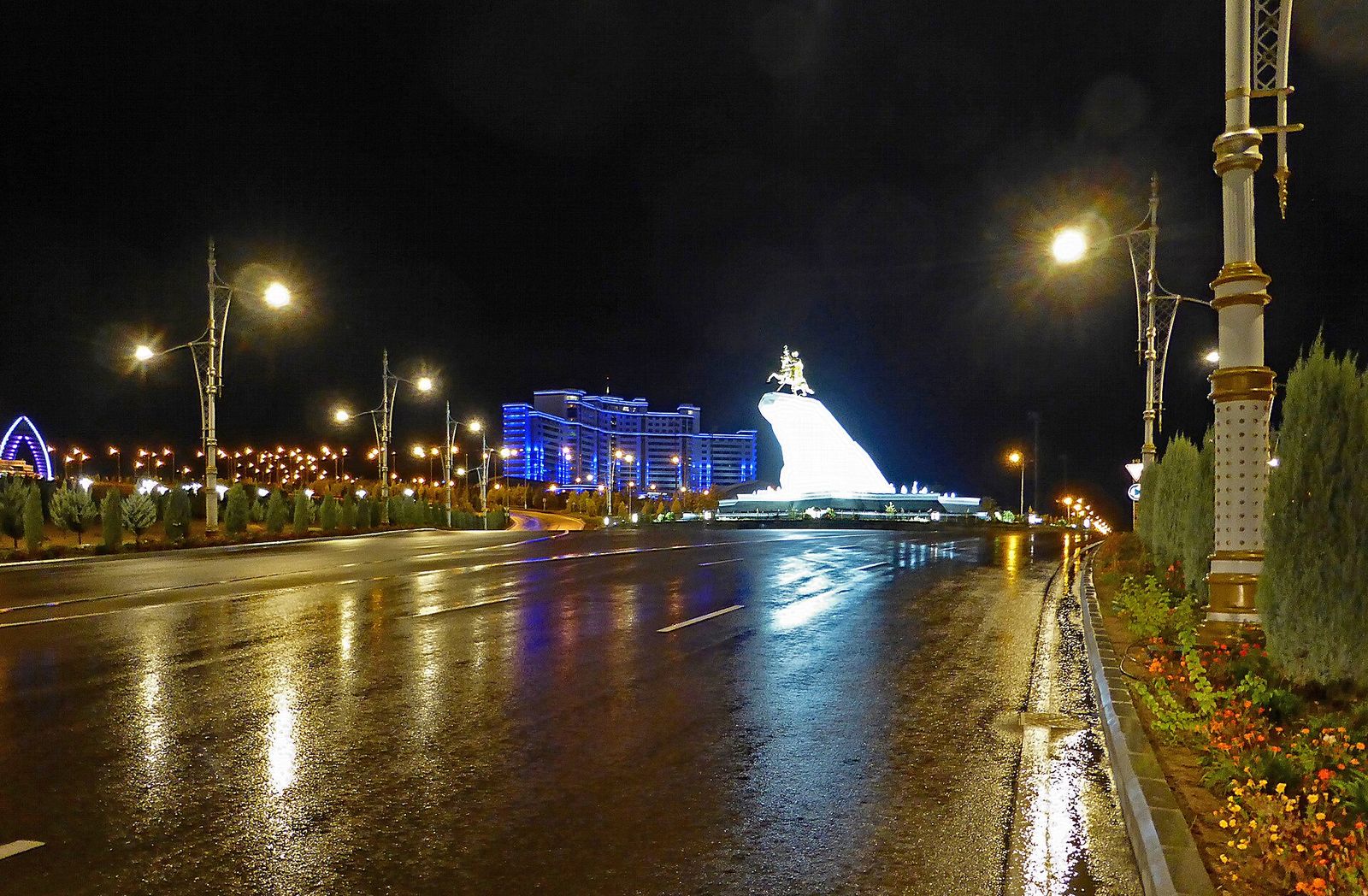
Then tour the monuments. The **Independence Monument**, the **Arch of Neutrality** with its gold statue, now standing in the south of the city, the **Monument to the Constitution** and the **Halk Hakydasy** memorial complex are all photographed from a distance. The **Wedding Palace**, a star shaped tower crowned by a globe, and the **Alem** entertainment centre, with one of the world's largest enclosed Ferris wheels, are fun at night.
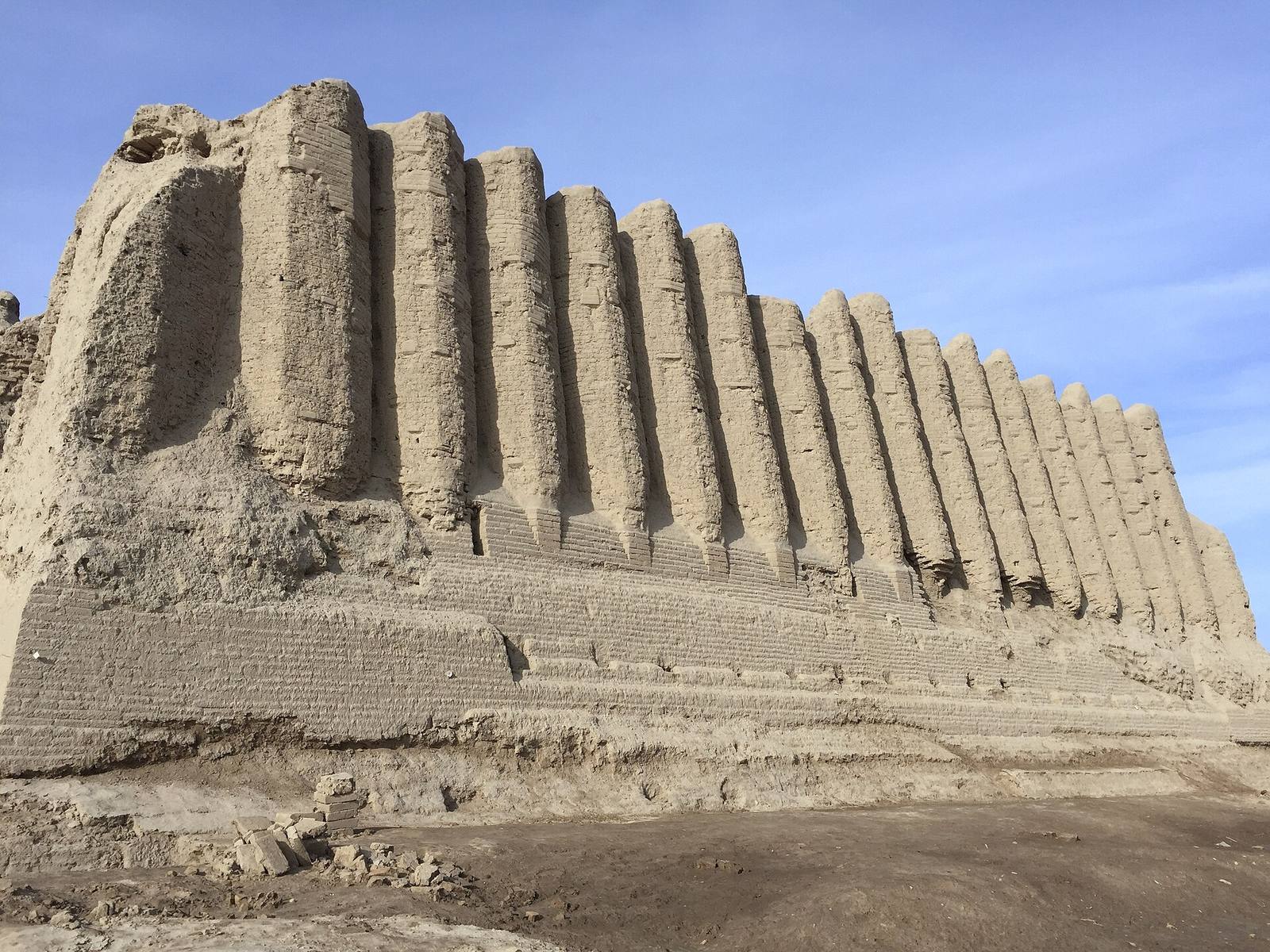
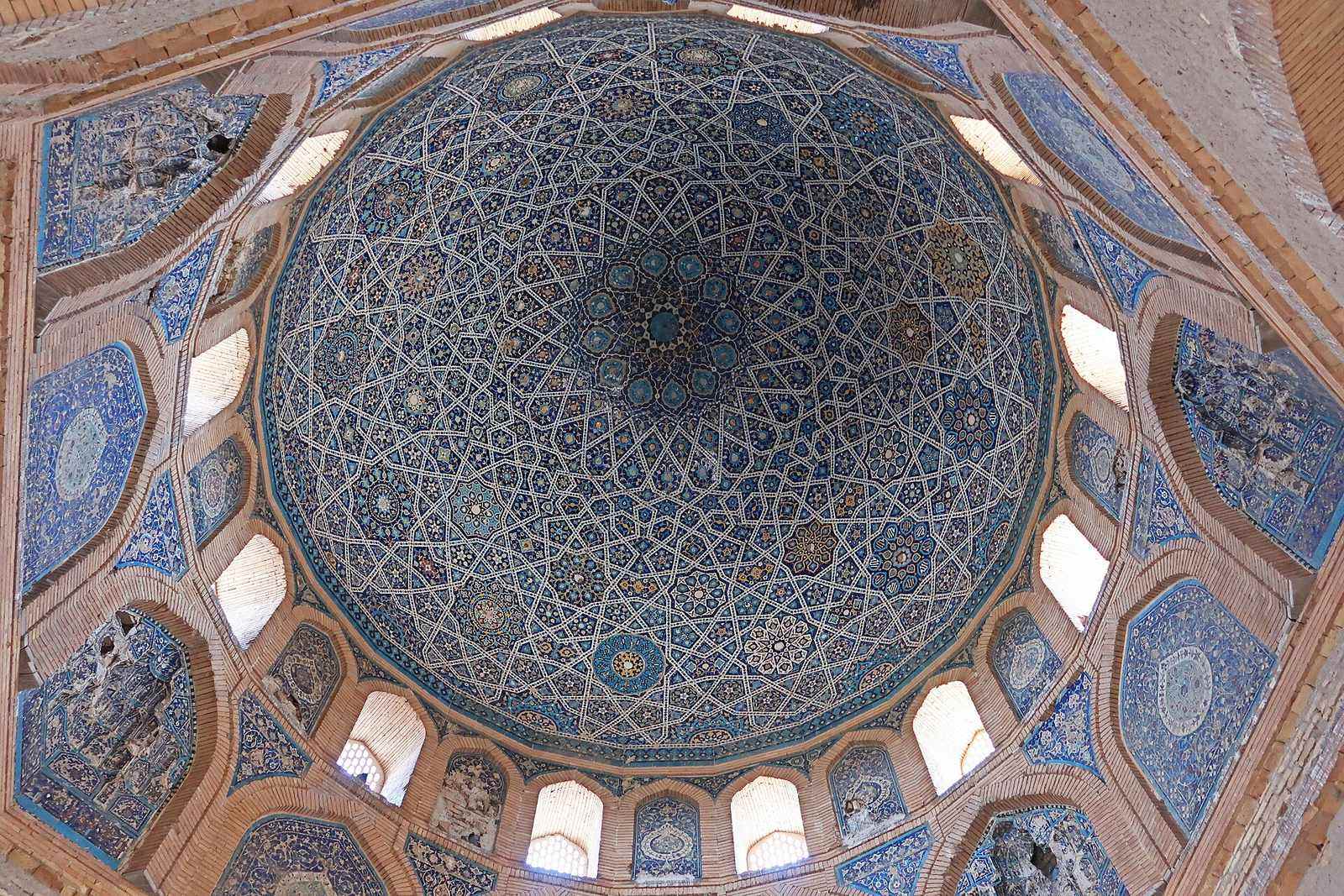
Outside the city, **Old Nisa**, a UNESCO World Heritage Site, was an early capital of the Parthian empire, and its mud brick walls look over the plain towards the mountains. The **Turkmenbashi Ruhy Mosque** at Kipchak, one of the largest in Central Asia, and the ruined **Seyit Jemaleddin Mosque** at Anau make good additions.
Bazaars and shopping
The great **Altyn Asyr bazaar**, known to everyone as **Tolkuchka**, sits on the northern outskirts and is busiest on Sunday mornings. Come for carpets, silk headscarves, telpek sheepskin hats, felt, spices and everyday life. In the centre, the **Gulistan bazaar**, often called the Russian Bazaar, is easier for a quick visit and good for dried fruit, bread and snacks. If you buy a carpet, ask the seller about the export certificate before you pay.
Where to stay
Ashgabat has a handful of large international and state run hotels, including the **Sofitel Ashgabat Oguzkent** and the **Yyldyz**, a curved glass tower in the hills, alongside simpler older hotels nearer the centre. Your agency will usually book your hotel because it is linked to your visa and registration.
Food and drink
Try **plov** (palow) with lamb and carrots, **dograma**, a comforting dish of torn bread, meat and onion in broth, **manty** dumplings, **gutap** pastries and **shashlik** grilled over coals. Bread called **chorek** comes from clay tandyr ovens. Green tea is served all day. Hotel restaurants and Turkish run cafés are the easiest choices for visitors, and bazaar stalls give you the local flavour.
Practical tips
Photography of government buildings, ministries, police and soldiers is not allowed, and guards will ask you to delete images, so ask your guide before you raise your camera. Many websites and apps are blocked, so download maps and messages before you arrive. Carry cash in manat. Smoking in public is banned. Evenings are calm and safe, but the city empties early, so plan dinner around your hotel.
Day trips from Ashgabat
The **Kow Ata underground lake**, a warm sulphur lake inside a cave near Baharly, makes a popular half day trip. The mountain village of **Nokhur** sits in the Kopetdag further west, and the **Gokdepe fortress** memorial recalls the last great battle against the Russian army in 1881.
Questions about Ashgabat
How many days do I need in Ashgabat?
Two full days covers the main museums, monuments, a bazaar and Old Nisa. Add a third for Kow Ata or the mountains.
Can I walk around Ashgabat alone?
Usually yes within the city, though rules depend on your visa type. Distances between monuments are long, so most people use a guide's vehicle or official taxis.
When is the Tolkuchka bazaar open?
It runs on several days a week, but Sunday morning is by far the busiest and most interesting time to visit.
Can I take photos in Ashgabat?
You can photograph most monuments and street scenes, but not government buildings, police, soldiers or security sites. Ask your guide when unsure.
Facts checked . Fees, schedules and entry rules change, so always confirm the latest with the official source.