At a glance
- Best for
- Archaeology, history and photography
- Airport
- Mary International Airport (MYP)
- Time needed
- One to two days
- Best season
- April to May and September to October
- UNESCO
- State Historical and Cultural Park Ancient Merv
- Getting there
- Short flight or train from Ashgabat
Why visit Merv
Merv is not one city but several, built beside one another as rulers moved their capitals across the oasis. Walking from the earliest walls to the last Seljuk monuments is like turning the pages of Central Asian history. The ruins are vast and largely unrestored, so you will often have whole sections to yourself, with only camels and the wind for company.
The ruins
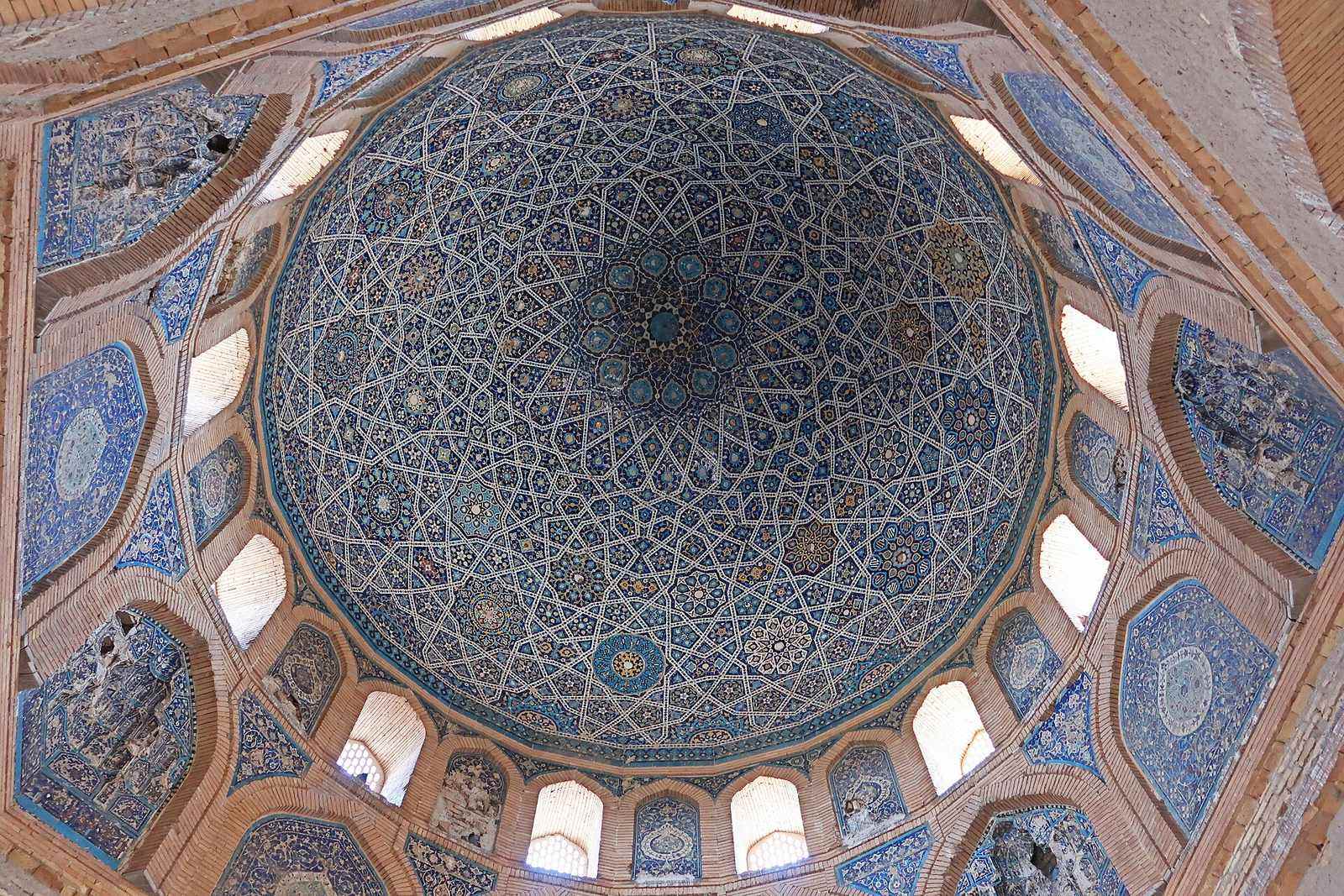
**Erk Kala** is the oldest part, a round fortress raised by the Achaemenid Persians. Around it lies **Gyaur Kala**, the Hellenistic and Sasanian city, with the remains of a Buddhist stupa and early mosque. To the west, **Sultan Kala** was the great Seljuk capital, and at its heart stands the **Mausoleum of Sultan Sanjar**, a cube topped by a double dome that has survived earthquakes and the Mongol invasion.
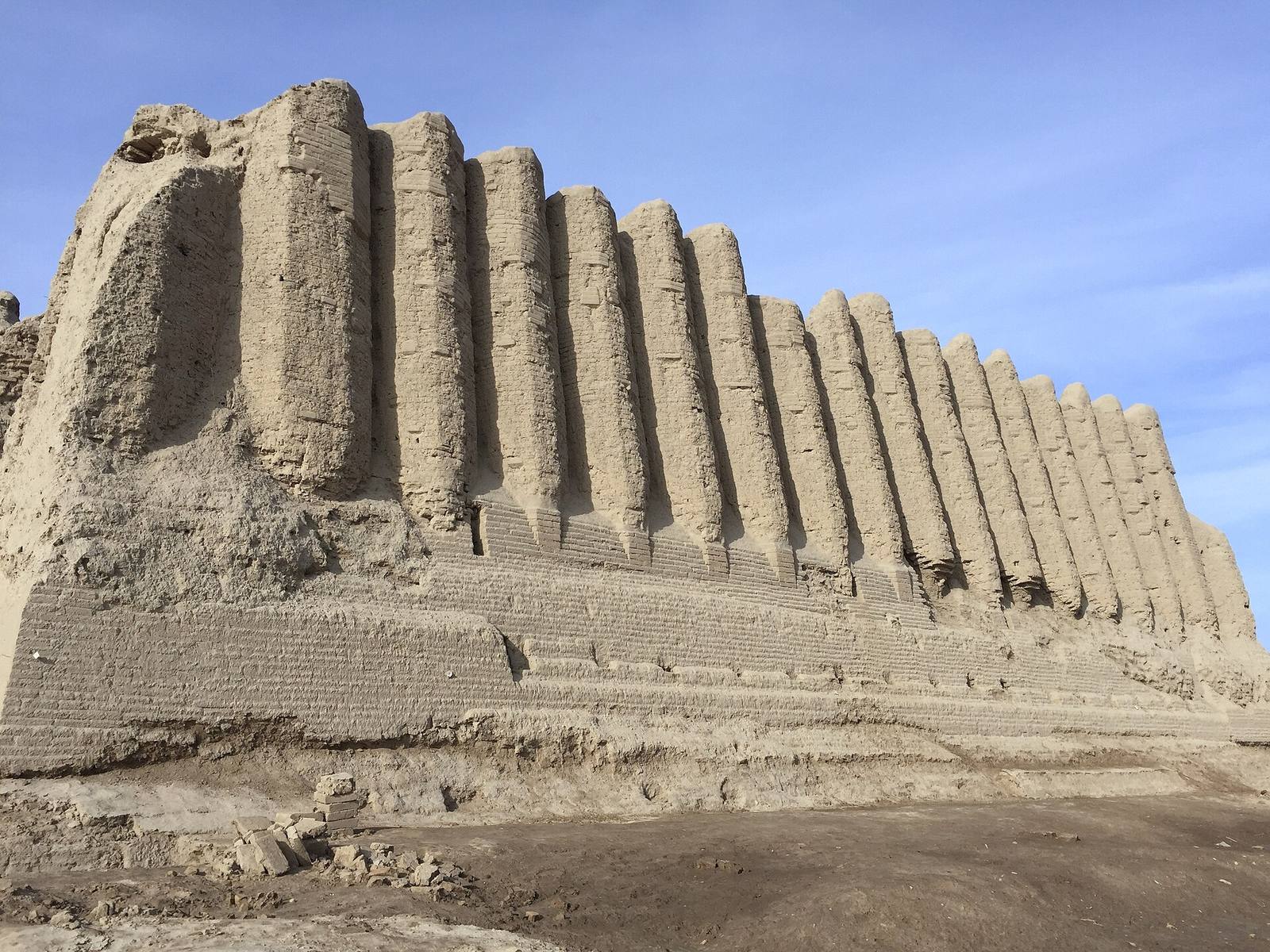
The **Great and Lesser Kyz Kala** are strange corrugated mud brick buildings, possibly fortified manor houses, that make the most photographed scene at Merv, especially in late afternoon light. Pilgrims also visit the mausoleums of the **Ashab** companions of the Prophet and of **Muhammad ibn Zayd**, still active places of prayer.
Gonur Depe
Deep in the desert north of Mary lies **Gonur Depe**, the capital of a Bronze Age civilisation sometimes called the Oxus civilisation or Margiana. Excavated for decades by the archaeologist Viktor Sarianidi, it revealed palaces, temples and royal graves. The trip needs a four wheel drive and a long day, but it is an extraordinary experience for anyone interested in early history.
Mary town
The modern city of Mary is a calm, green place with wide streets, a large bazaar and a good **Mary Regional Museum**, whose finds from Merv and Gonur Depe help make sense of the sites. There are several hotels, simple cafés serving plov and shashlik, and the large **Gurbanguly Hajji Mosque**. Melons from this region are famous across Central Asia and are at their best in late summer.
Getting there and around
Turkmenistan Airlines flies between Ashgabat and Mary in under an hour, and trains run along the railway towards Turkmenabat. From Mary, the ruins of Merv lie about half an hour away by road at Bayramaly. Your guide will drive you between the sites, which are spread over a wide area with little shade.
Tips for your visit
Start early or go in the late afternoon, wear a hat and carry water, because the heat reflects off the bare ground. Wear covered shoulders and knees at the pilgrimage mausoleums. Merv sits on the main overland route between Ashgabat and the Farap crossing to Uzbekistan, so it fits well on the way to Bukhara.
Suggested day at Merv
Start at the Mary Regional Museum when it opens to see the finds, then drive to Bayramaly. Climb Erk Kala for the view over the oasis, walk through Gyaur Kala, and visit the Mausoleum of Sultan Sanjar before the midday heat. After lunch and a rest in Mary, return in the late afternoon to the mausoleum of Muhammad ibn Zayd and finish with sunset at the Great Kyz Kala, when the fluted walls turn gold. Pilgrim families often picnic near the shrines and are happy to share tea.
Questions about Merv and Mary
How much time do I need at Merv?
A full day covers the main sites comfortably. Add a second day if you want to visit Gonur Depe.
Is Merv worth visiting?
Yes. It is one of the great archaeological sites of Central Asia and a UNESCO World Heritage Site, with few visitors.
How do I get from Ashgabat to Mary?
By a short domestic flight with Turkmenistan Airlines, by train or by road with your tour vehicle.
Can I visit Gonur Depe on my own?
No. It is remote and reached by rough desert tracks, so it is visited with an agency vehicle and guide.
Facts checked . Fees, schedules and entry rules change, so always confirm the latest with the official source.