At a glance
- Best for
- Markets, food, beach bars and culture
- Gateway
- Lomé Tokoin International Airport (LFW)
- Time needed
- Two to three nights
- Best season
- November to February, the drier months
- Getting around
- Zémidjan motorbike taxis, taxis and ride apps
- Language
- French, with Ewe and Mina widely spoken
Why Lomé is worth your time
Lomé grew from a small trading post into the capital during German and then French rule, and it still mixes colonial era buildings with modern government offices and a long, open seafront. The city is the hub of the country's road network and its port is one of the busiest in the region, but the pace in most neighbourhoods is unhurried. Two or three days give you time to see the big sights, eat well and get used to the rhythm before heading inland.
The neighbourhoods
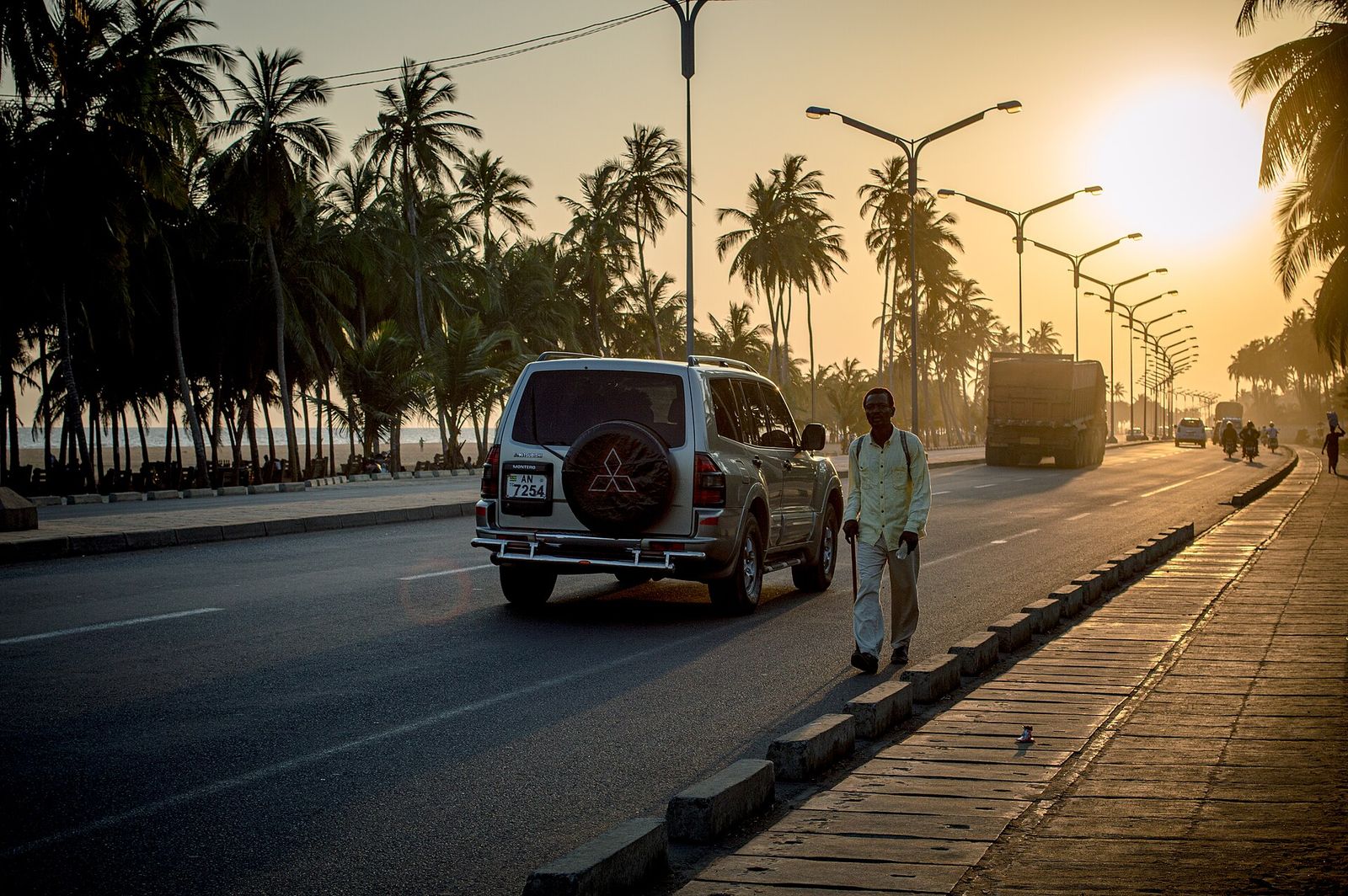
**The centre**, around the Grand Marché and the Sacred Heart Cathedral, is the old commercial heart, with fabric shops, money changers and street food. **Boulevard du Mono** and the seafront road run along the beach, lined with hotels, bars and the long stretch of sand where families gather at weekends. **Bè** is one of the oldest quarters, rooted in Ewe tradition, with shrines and a strong local identity. **Tokoin** and **Nyékonakpoè** are central residential areas with good small restaurants. **Kodjoviakopé**, beside the Ghana border, is busy with traders. To the east, **Baguida** and **Avépozo** have quieter beach hotels and bars, popular for weekend escapes.
What to see and do
The **Grand Marché** is the city's great market, a multi-level building and surrounding streets packed with wax print cloth, spices and household goods. It is famous for the Nana Benz, the powerful women traders who made fortunes from fabric. The **Akodessewa fetish market**, on the eastern side of the city, is one of the largest of its kind in West Africa, with stalls of dried animal parts, carvings and charms used in traditional medicine and Vodun. It is a striking, sometimes uncomfortable sight, so go with an open mind and agree any guide or photo fees before you start.
The **Independence Monument** stands in a large square near the Palais des Congrès, and the **Palais de Lomé**, the restored former German governor's palace, is now an arts and culture centre set in large gardens, with exhibitions and a lovely park. The **National Museum** at the Palais des Congrès has displays of traditional objects, and the **Village Artisanal** is the place to watch weavers, carvers and leather workers.
Food and drink
Lomé is a good introduction to Togolese cooking. Try fufu with groundnut or palm nut soup, akoumé, a firm maize dough served with ademe or gboma vegetable sauces, grilled fish with spicy pepper sauce, and ablo, soft steamed rice and maize cakes. Street stalls sell koliko, fried yam, and kebabs in the evening. Fresh pineapple and coconut are everywhere. Wash it down with bissap, a hibiscus drink, or a cold local beer. Tchoukoutou, a millet beer, is more common in the north but appears in Lomé too.
Where to stay
The seafront has the large international hotels, such as the Hotel 2 Février, and is convenient for the airport and centre. Smaller guesthouses in Tokoin and the residential centre offer good value, while Avépozo and Baguida suit travellers who want beach calm. Book through trusted platforms, read recent reviews and choose somewhere with secure parking and good security.
Staying safe
Most visits to Lomé are trouble-free. Take care with bag snatching in the market and on the seafront after dark, use known taxis or ride apps at night, and avoid walking on empty beaches in the evening. The Atlantic has powerful currents here, so do not swim in the sea; use a hotel pool instead. Carry a copy of your passport, as police checks happen.
Day trips
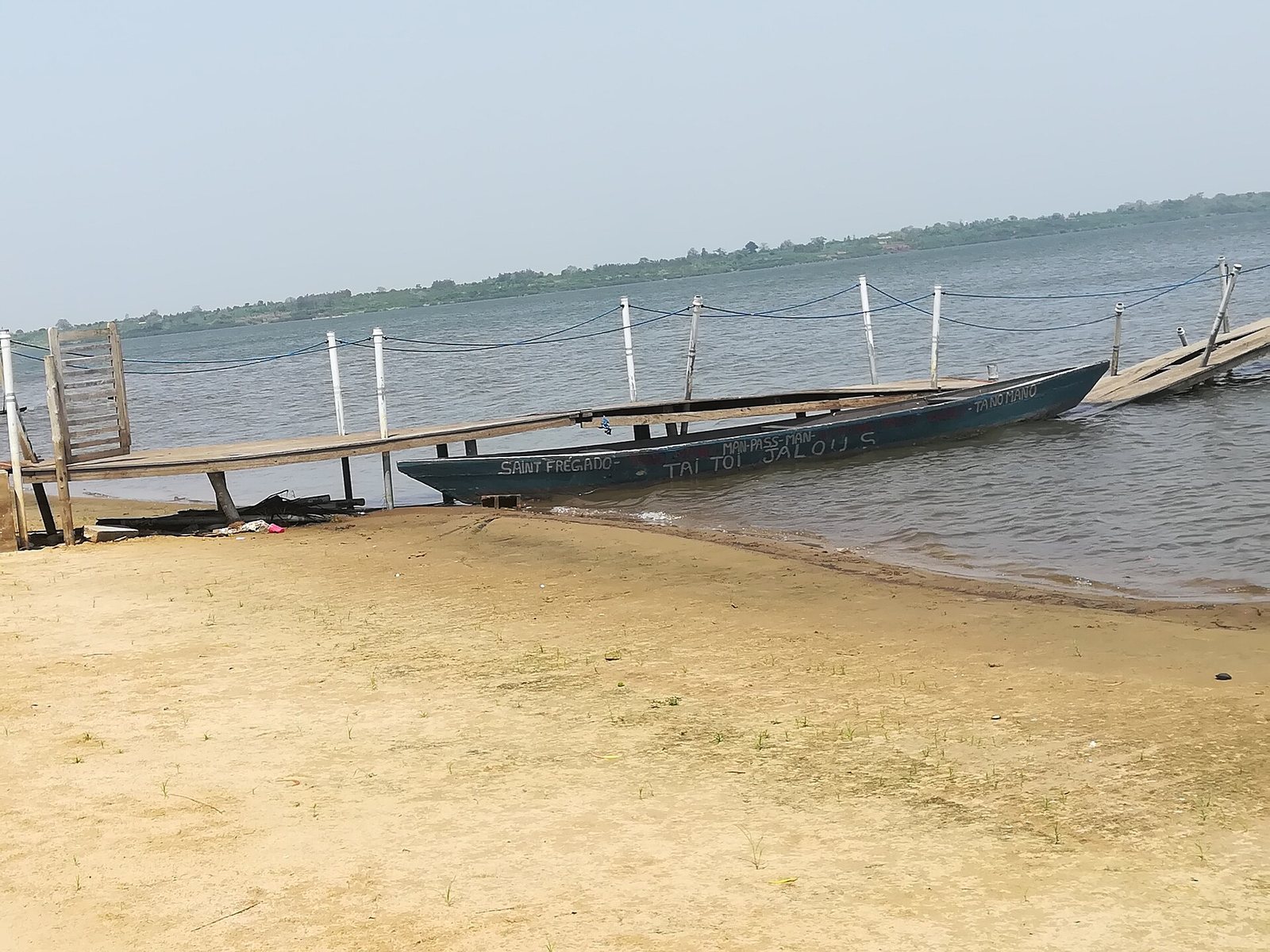
From Lomé you can reach Lake Togo and Togoville in under an hour, Aného in about an hour, and Kpalimé in around two to three hours by road. Many visitors combine Lomé with these as a first loop. Plan it with our free trip planner.
Questions about Lomé
How many days should I spend in Lomé?
Two or three nights covers the Grand Marché, the fetish market, the Palais de Lomé and a beach evening, with time to recover from the flight.
Is Lomé safe for tourists?
Most visits pass without trouble. Take normal care against bag snatching, avoid empty beaches at night and use known taxis or ride apps after dark.
Can you swim at Lomé's beaches?
Swimming is not advised. Strong rip currents run along this coast, so enjoy the beach from the sand and swim in hotel pools.
Can I walk to Ghana from Lomé?
The Aflao border post is on the edge of the city, but you need the right visa or entry rights for Ghana and must use the official crossing.
Facts checked . Fees, schedules and entry rules change, so always confirm the latest with the official source.